
A new machine usually requires a significant investment, but finding a used horse walker for sale can lower your entry price if the mechanical parts remain in good condition. You should prioritize the motor and track integrity over the cosmetic finish of the fencing. If the structure shows signs of rust or the motor hums loudly, you’re likely looking at a unit that needs expensive repairs rather than a simple bargain.
Comparing Repair and Replacement
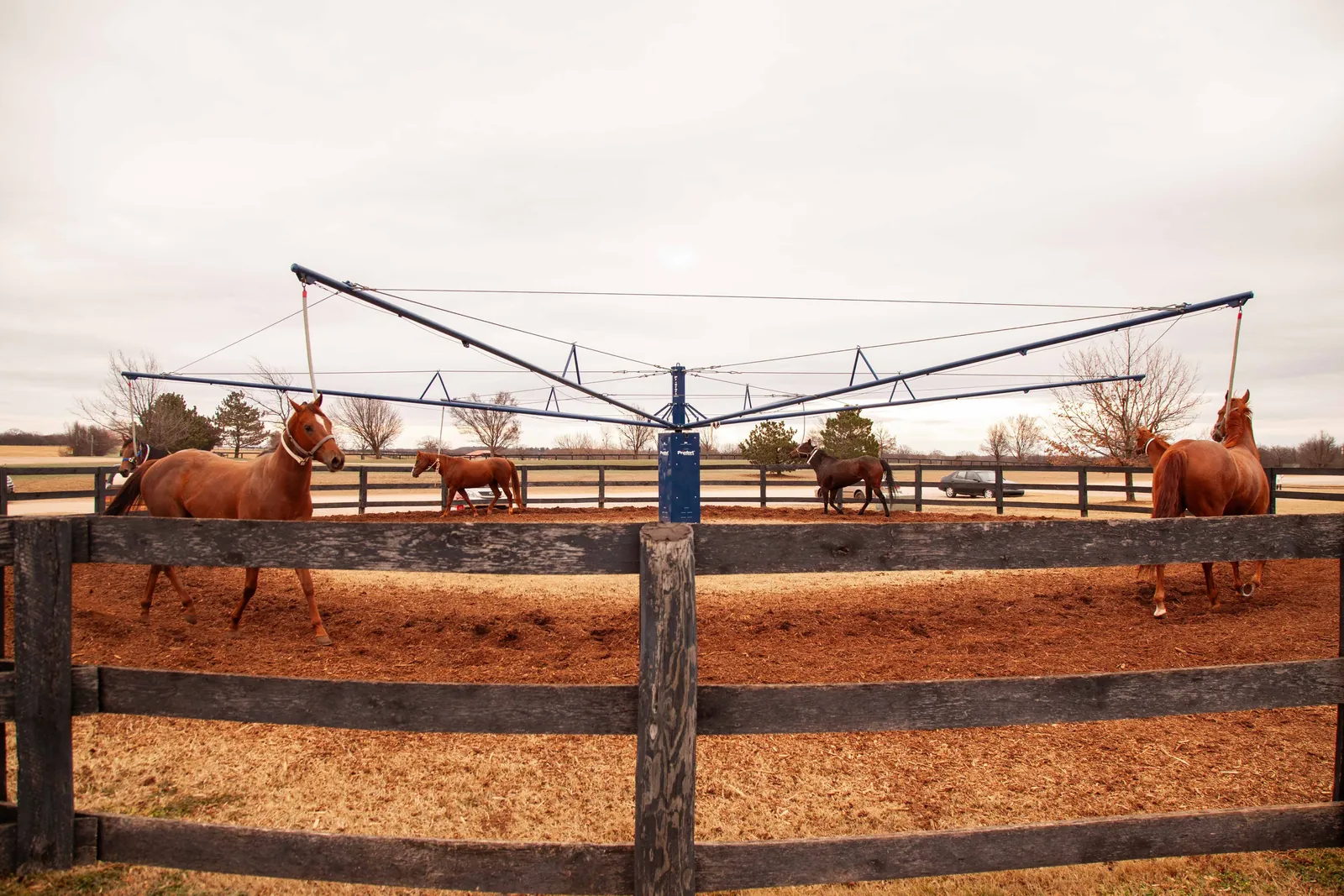
Deciding between fixing an old unit and buying a new one depends on the nature of the failure and the overall age of the equipment. Use this table to assess your situation based on the current state of your machine.
| If this is true | Repair | Replace |
|---|---|---|
| Motor burnt out | No | Yes |
| Fencing panels bent | Yes | No |
| Bearings grinding | No | Yes |
| Control box failed | Yes | No |
| Structure is rusted | No | Yes |
| Belt is frayed | Yes | No |
When Repairing Is the Right Call
Fixing your existing machine is often the better financial choice when the failure is limited to non-structural components. Parts like control panels, rubber belting, or individual fence panels are designed to be swapped out. If the frame remains sturdy and level, replacing these minor parts keeps the machine running for years without the high cost of a full installation.
Most mechanical issues with the drive system stem from poor maintenance rather than total failure. If the machine stops, check the drive belt tension first. A belt that has stretched over time often slips, making it seem like the motor has died when it only needs a simple adjustment. According to the University of Minnesota Extension, keeping equipment clean and free of manure buildup prevents premature wear on moving parts.
If the unit is relatively new, it’s almost always worth the cost of professional repair. Always confirm that the replacement parts are compatible with your specific model year, as manufacturers often change electrical specifications periodically.
When Replacing Is the Right Call
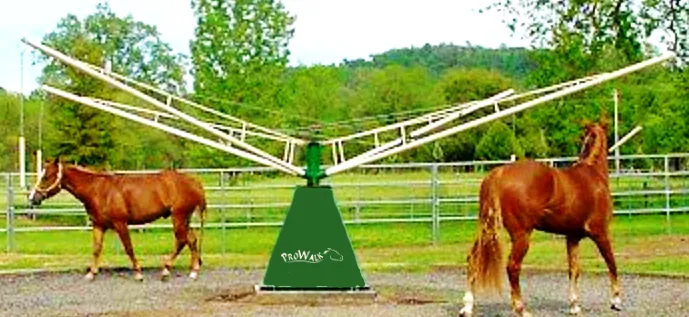
You should look for a new machine if the main support pillars show deep, structural corrosion or if the track itself has warped. Once the central frame loses its shape, the arms will drag or vibrate, which puts excessive stress on the motor. Trying to straighten a bent frame is rarely successful and usually costs more than installing a new, pre-fabricated unit.
If your current machine requires more than one major repair per year, it has reached the end of its reliable life. Frequent electrical shorts or a motor that constantly overheats are signs that the internal wiring has degraded. Replacing the entire system is safer than patching together outdated electrical components that may pose a fire risk to your barn.
Replacing is also the right choice if you need to change the size of the track. If your current unit is 40 feet in diameter but you need 60 feet to accommodate larger horses, you can’t simply extend the arms. The gear ratio and motor torque are calibrated for a specific load and radius.
The Costs People Forget
The service fee for a technician to travel to your farm often includes a three-hour minimum charge regardless of how quickly they diagnose the problem. Always ask if the diagnostic rate is waived if you proceed with the repair.
Factor in the daily cost of labor or time spent hand-walking horses while the machine is offline. If your staff spends two extra hours daily managing stall rest, multiply that by your hourly wage to see the true impact on your operating budget.
You’ll need specialized tools to align the track or tension the drive belt. Buying these kits yourself is inexpensive relative to the alternative, but failing to use them often leads to premature belt wear.
Disposal fees for removing the old, heavy steel frame vary by county. Expect to pay a flat haul-away fee plus a per-ton tipping charge at the local landfill.
Finally, site preparation often requires pouring new concrete footings. If your ground isn’t perfectly level, the frame will twist under the weight of the equipment. This misalignment causes the drive motor to overheat, effectively cutting the machine’s expected lifespan in half.
If You Repair, Ask This First
Before you hire a technician, ask them if they have specific experience with your brand’s drive system. Because these machines involve high-voltage electricity and moving heavy steel parts, you must ensure the person doing the work is a licensed electrician or a factory-certified installer. Don’t attempt to rewire the control box yourself unless you have formal training, as the risk of fire or injury is high.
Ask if they have the necessary diagnostic equipment to check the motor’s current draw. If the motor is pulling too many amps, it will fail again within weeks, even if the immediate issue is fixed. You should also ask for a written quote that separates the cost of parts from the hourly labor rate.
What to Look for in a Horse Walker for Sale
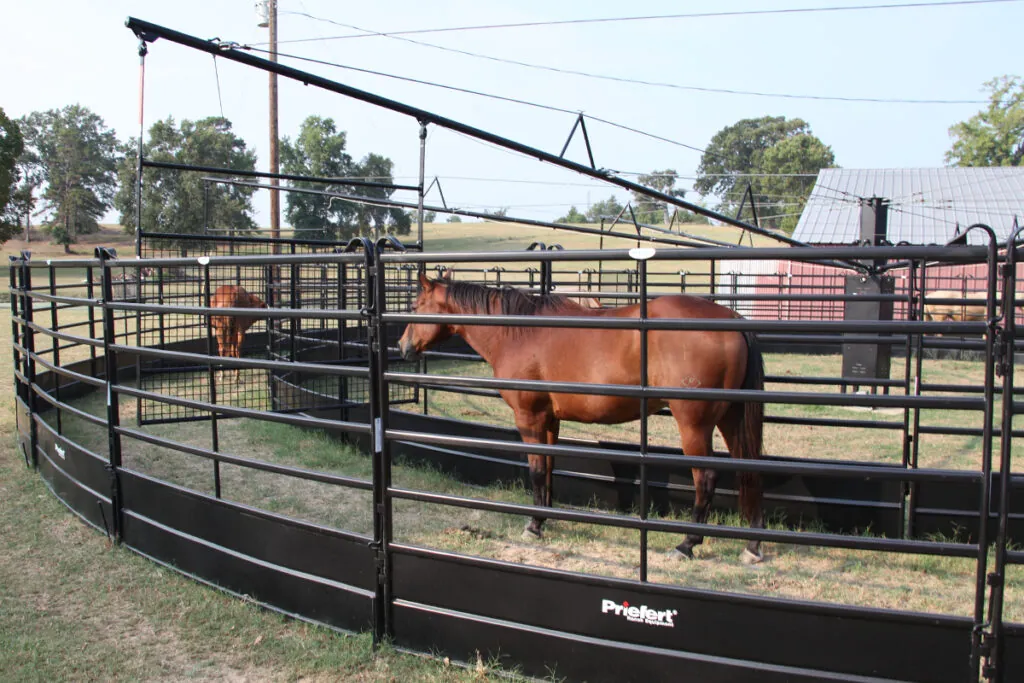
When buying a replacement, look for a galvanized steel frame. Galvanization prevents rust from reaching the inner layers of the steel, which is essential for equipment that sits outside in all weather conditions. You can check the thickness of the coating by looking for an ASTM standard stamp on the manufacturer’s specification sheet; a higher rating indicates better weather resistance.
Second, prioritize a machine with a variable speed drive. This allows you to start the horse at a slow walk and increase the pace gradually, which reduces the mechanical shock on the drive arms. Finally, ensure the control box is housed in an enclosure that protects the electronics against dust and water jets, which are common in a barn environment. Always verify these specifications on the manufacturer’s official website before you commit to a purchase.
Related guides
- Can Horses Be Used to Make Glue? The Surprising Truth
- Cheapest Horses for Sale: Top Tips to Find Your Dream Horse
- Can Horses Be Used in the Desert? Survival Tips and Insights
Frequently Asked Questions
How long does a horse walker last?
A well-maintained machine typically lasts for a long duration, depending on the climate and daily usage intensity. You can check the expected lifespan by reviewing the maintenance log provided by the manufacturer or by inspecting the structural integrity of the main support beams for signs of oxidation.
Is it safe to buy a used horse walker?
It’s safe if you inspect the frame for cracks and test the motor under a light load before you pay. You should look for rust at the base of the pillars and listen for grinding noises in the gearbox, as these are the most expensive parts to replace.
How much does it cost to move a horse walker?
Moving a unit is inexpensive relative to the alternative, depending on whether it can be transported in sections or requires a crane. You must verify the weight of your specific model, as machines with heavy-duty steel arms require specialized trailers and lifting equipment to move without bending the frame.
Does the diameter of the walker matter?
The diameter matters because it dictates the amount of strain placed on the horse’s joints and the motor’s torque capacity. For most horses, a diameter of at least 50 feet is recommended to ensure the animal doesn’t have to bend its body too sharply while moving at a trot.
What happens if the power goes out?
Most modern walkers include a manual release or a brake bypass that allows you to open the gate and remove the horses by hand. You should identify the location of this manual override on your control panel immediately after installation so you can use it during an emergency power failure.
Do I need a concrete pad?
You need a reinforced concrete pad to provide a level base that prevents the machine from shifting during operation. Check the manufacturer’s installation manual for the specific thickness requirements, as the weight of the steel and the force of the moving arms will crack standard driveway-grade concrete over time.
Conclusion
Selecting the right equipment comes down to knowing your budget and the long-term maintenance reality of your specific site. If the frame is sound, focus your investment on the electrical components to ensure smooth operation, but don’t hesitate to start over if the structure itself has begun to fail.