
Domestication creates heavy wear on hooves, which explains why horses wear horseshoes to shield their feet from cracking, bruising, and rapid erosion. A horse hoof is made of tough protein called keratin, much like a thick human fingernail. In nature, wild herds travel across diverse ground that wears and hardens feet naturally. Domestic horses carry riders, pull equipment, and walk on paved surfaces that grind the hoof down faster than it grows back.
The parts that do the work
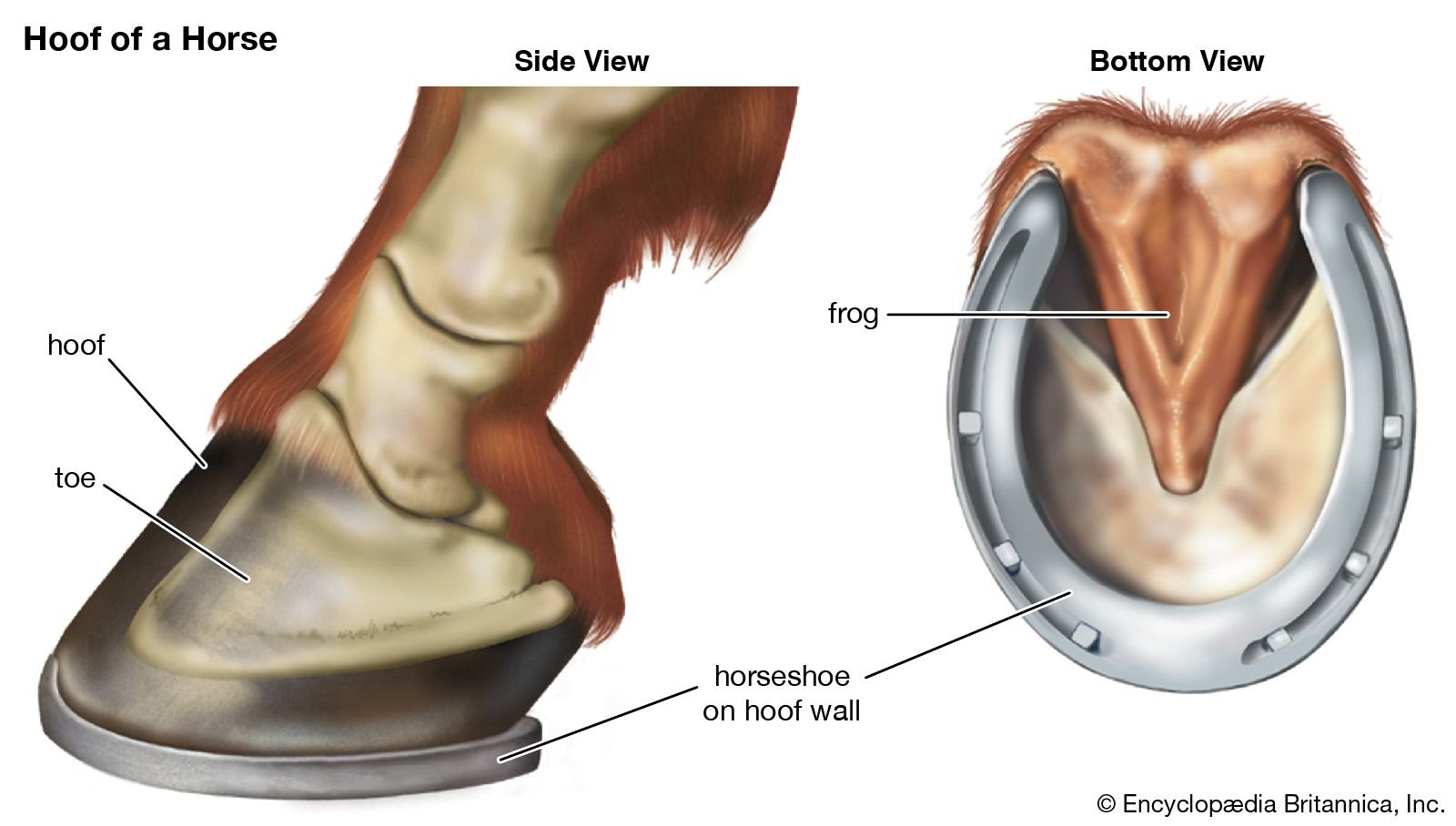
| Part or input | What it does | What you notice when it goes wrong |
|---|---|---|
| Hoof wall | Bears body weight and shields inner tissues | Chips, deep cracks, and ragged edges appear |
| Frog | Absorbs ground impact and helps blood circulation | Foul odor, black discharge, or extreme tenderness |
| White line | Joins outer wall to inner sensitive structures | Widened gap, trapped gravel, or sudden limping |
| Sole | Shields delicate internal bones from sharp ground | Bruising, flat shape, and reluctance to walk |
| Horseshoe | Absorbs abrasive friction from hard outdoor surfaces | Loose clenches, clicking noises, or missing metal |
| Nails | Fasten metal securely to insensitive hoof wall | Bent shanks, hot spots, or puncture lameness |
What happens, step by step
- The farrier uses a hoof rasp and nippers to trim overgrown wall tissue back to healthy proportions, taking about five to ten minutes per foot.
- The selected steel or aluminum shoe is shaped using an anvil and hammer to match the exact outer rim of the trimmed foot.
- The farrier drives specialized nails into the white line just inside the outer hoof wall, taking roughly two minutes.
- The tips of the nails emerge through the outer hoof wall about an inch above the ground, where the farrier cuts them short.
- The farrier clinches the cut nail ends by bending them flush against the outer wall, locking the metal shoe tightly in position.
Why this matters when something goes wrong
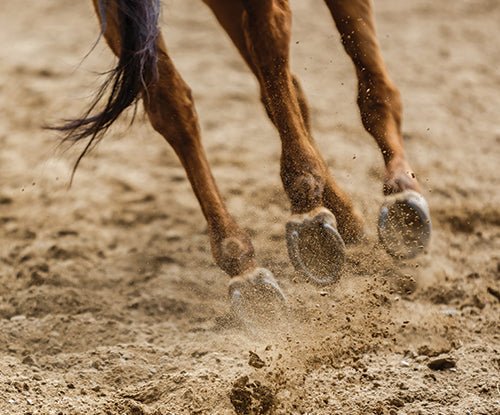
The outer foot behaves like a protective boot, shielding sensitive internal structures like the coffin bone and digital cushion from damage. Hard surfaces cause tiny fractures in weak hoof walls, allowing moisture and bacteria to invade sensitive layers. A shallow crack on the outer edge seems minor, but weight quickly forces that split upward toward the coronary band.
A missing shoe creates an uneven stance within hours. The bare foot chips rapidly against dry pasture or gravel, creating an unbalanced step that strains tendons higher up the leg. If a horse steps on its shoe and bends the metal, don’t try to hammer it straight while it’s nailed to the foot. Attempting DIY repairs with pliers or construction nails risks piercing the live inner foot, causing serious infection. When a hoof shows sudden heat, throbbing pulses, or deep cracks, stop riding immediately and schedule a professional inspection with an equine veterinarian or an experienced farrier. Clinical guidance from the University of Missouri Extension on horse hoof care outlines how routine maintenance prevents permanent structural damage to the foot.
What you can change, and what you cannot
Things you control
- Daily cleaning using a hand pick to remove trapped rocks and wet manure.
- The schedule for routine farrier visits every six to eight weeks.
- The moisture level of turnout areas to prevent soft, crumbling hoof horn.
- Basic diet quality to supply the biotin and minerals needed for horn growth.
Fixed limits of the horse
- The genetic growth rate of the hoof, which averages roughly a quarter-inch per month.
- The natural bone alignment inside the leg and pastern joint.
- The existing shape and thickness of the underlying sole.
Where a horse develops a deep penetrating puncture, heat in the coronary band, or severe lameness, handling stops being an owner task. Never pull a deeply embedded nail without veterinary advice; contact an equine veterinarian immediately.
Getting more out of it
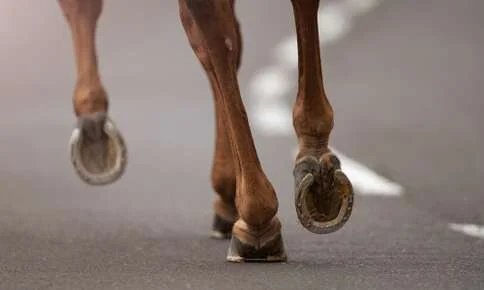
If you keep horses on soft, sandy soil with light riding, barefoot trimming works well; if you ride over rocky trails or asphalt, protective shoes are necessary. This trade-off balances natural shock absorption against direct mechanical wear. Clean hooves thoroughly before and after every workout, taking two minutes per foot to pry out packed stone chips. Reset shoes consistently every six to eight weeks during warm months when hooves grow rapidly. Allowing shoes to stay on past eight weeks shifts the horse’s weight backward, placing extreme stress on the deep flexor tendon. This guidance isn’t for horses resting long-term in flat grassy pastures with sound, hard feet. Skipping trims to save money leads to flared walls and costly veterinary rehabilitation.
Frequently asked questions
Does getting shoes hurt the horse?
No, shoeing causes no pain when done correctly. The nails pass entirely through the outer hoof wall, which lacks nerve endings and blood vessels. It feels similar to clipping or filing human fingernails.
How long do horseshoes stay on?
About six to eight weeks under normal conditions. Hoof horn grows continuously, causing the shoe to move out of proper balance even if the metal itself shows little wear. Check fit sooner during wet summer months.
What happens if a horse loses a shoe?
The bare hoof wall will chip, crack, and wear down unevenly on rough ground. If your horse throws a shoe, keep it on soft grass or inside a deeply bedded stall until your farrier replaces it.
Can all horses go barefoot?
No, thin soles and heavy work on paved roads require artificial protection. While wild mustangs manage without shoes, working domestic horses often wear their hooves down faster than new horn can grow back.
Why do some horses wear glue-on shoes?
Glue-on shoes protect brittle feet that can’t hold nails safely. They attach using strong acrylic adhesives, providing relief for thin walls without risking nail pricks to sensitive inner tissue.
Is it safe to leave shoes on all year?
Yes, as long as a farrier resets them every six to eight weeks. Many owners remove shoes during winter rest periods to let hooves expand naturally, provided frozen ground doesn’t cause painful chipping.