Keeping your horse’s hooves healthy is essential if you want a strong, comfortable animal. Hoof care is more than just cleaning out mud and stones. One of the most important steps is trimming. But how often should you trim horses’ hooves? The answer isn’t as simple as one number for every horse. It depends on several factors like age, activity, environment, and health. If you trim too rarely, your horse can develop painful problems. If you trim too often, you might waste time and money—or even risk weakening the hoof. In this article, you’ll learn what affects hoof growth, how to set the right schedule, and how to spot signs your horse needs a trim. You’ll also see real examples, common mistakes, and practical tips to help you become confident about hoof care.
Understanding Hoof Growth
Horse hooves are made of keratin, the same tough protein found in human nails and hair. Hooves grow continuously throughout a horse’s life. On average, a healthy hoof grows about 0.25 inches (6 mm) per month. However, this rate varies for each horse. Let’s look at what influences hoof growth:
- Age: Young horses’ hooves grow faster, especially foals. Older horses may have slower growth due to changes in metabolism and blood circulation.
- Diet: Horses that eat balanced diets rich in proteins, vitamins, and minerals (especially biotin and zinc) usually have stronger, faster-growing hooves.
- Activity Level: Horses that move and exercise daily stimulate blood flow to the feet, which increases growth.
- Season: Hooves often grow faster in warmer months (spring and summer), when pasture is lush and horses are more active. Growth slows in winter.
- Environment: Dry, rocky, or sandy ground naturally wears down hooves, while wet, soft ground can cause hooves to grow longer and softer.
- Health Conditions: Diseases like laminitis or poor circulation can slow hoof growth or cause abnormal patterns.
Average Growth Rate Data
Here’s a simple comparison table showing average monthly hoof growth by age and season:
| Horse Age | Winter Growth | Summer Growth |
|---|---|---|
| Foal (0-1 yr) | 0.3 in (8 mm) | 0.4 in (10 mm) |
| Adult (2-15 yrs) | 0.2 in (5 mm) | 0.25 in (6 mm) |
| Senior (>15 yrs) | 0.15 in (4 mm) | 0.2 in (5 mm) |
These numbers are averages; your horse may differ. If you notice hoof growth that is much faster or slower, it’s wise to check with a veterinarian or farrier.
Why Regular Hoof Trimming Matters
Hoof trimming is not only about appearance. It’s vital for your horse’s health and comfort. Let’s see why:
- Prevents Pain: Overgrown hooves can crack, split, or curl. This causes pain and makes walking difficult.
- Reduces Injury Risk: Long or uneven hooves change how your horse stands and moves, which can strain joints, tendons, and ligaments.
- Promotes Balance: Trimming keeps hooves level, helping your horse move naturally and stay balanced.
- Stops Infection: Clean, trimmed hooves are less likely to trap manure, mud, or stones, which can cause infections like thrush.
- Supports Performance: For working horses, regular trimming improves grip and agility.
If you skip trims, your horse can develop conditions like laminitis (inflammation of the hoof tissues), abscesses, and misshapen feet. These problems are often expensive and time-consuming to fix.
How Often Should You Trim Horses Hooves?
Most farriers recommend trimming every 6 to 8 weeks. But this is not a fixed rule. Some horses need trimming more often, while others can go longer. The right schedule depends on several factors:
Key Factors That Affect Trimming Frequency
- Age and Growth Rate
- Foals may need trimming every 4-6 weeks.
- Adults usually need trimming every 6-8 weeks.
- Seniors may require less frequent trims if their hooves grow slowly.
- Activity and Workload
- Horses in regular work (riding, racing, farm work) often need trimming every 6 weeks.
- Pasture pets or retired horses may stretch to 8 weeks, but not much longer.
- Environment
- Horses on rocky or sandy ground may self-trim, needing less frequent work.
- Horses in soft, muddy pastures may need more frequent trims.
- Shoes vs. Barefoot
- Shod horses (wearing horseshoes) require more regular trims (every 6 weeks) to prevent shoe loss or hoof damage.
- Barefoot horses may go up to 8 weeks, but only if their feet wear evenly.
- Health and Genetics
- Horses with hoof problems (like clubfoot, laminitis, or thin soles) often need special schedules.
- Some breeds grow hooves faster (e.g., Arabians) and require more attention.
Typical Trimming Schedules
Here’s a quick comparison of recommended intervals:
| Horse Type | Trim Interval |
|---|---|
| Foals | 4-6 weeks |
| Working Adults (shod) | 6 weeks |
| Working Adults (barefoot) | 6-8 weeks |
| Pasture Pets | 8 weeks |
| Seniors | 8 weeks or longer |
It’s important to remember that these are guidelines, not strict rules. Always watch your horse’s hooves for signs they need attention sooner.
Signs Your Horse Needs A Hoof Trim
If you wait too long between trims, your horse may start showing warning signs. Here are the most common indicators:
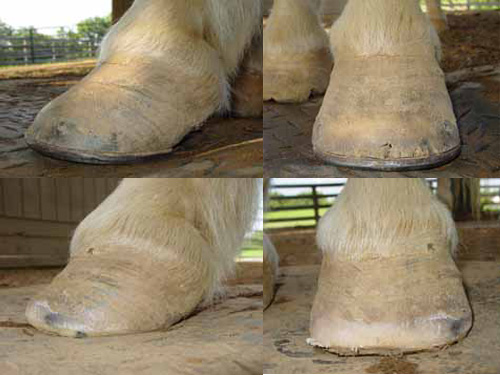
- Cracking or Splitting: Hooves develop visible cracks or splits, especially around the edges.
- Chipping: Pieces of the hoof wall break off easily.
- Curling or Flare: The hoof wall bends outward or curls under.
- Long Toes or Heels: The hoof shape looks stretched, with toes or heels longer than normal.
- Uneven Wear: One side is more worn than the other, or the hoof is not level.
- Lameness: The horse limps, favors one foot, or moves stiffly.
- Difficulty Standing: Your horse shifts weight or stands awkwardly.
Trimming before these signs develop helps prevent bigger problems.
Visual Example
Imagine a working horse whose hooves have not been trimmed in 10 weeks. The hoof wall starts to crack and curl. The horse becomes less willing to move and shows mild lameness. After a professional trim, the horse walks comfortably again.
The Hoof Trimming Process
Understanding how trimming is done helps you work with your farrier and care for your horse. The process involves several steps:
- Inspection: The farrier examines each hoof for cracks, chips, infections, and shape.
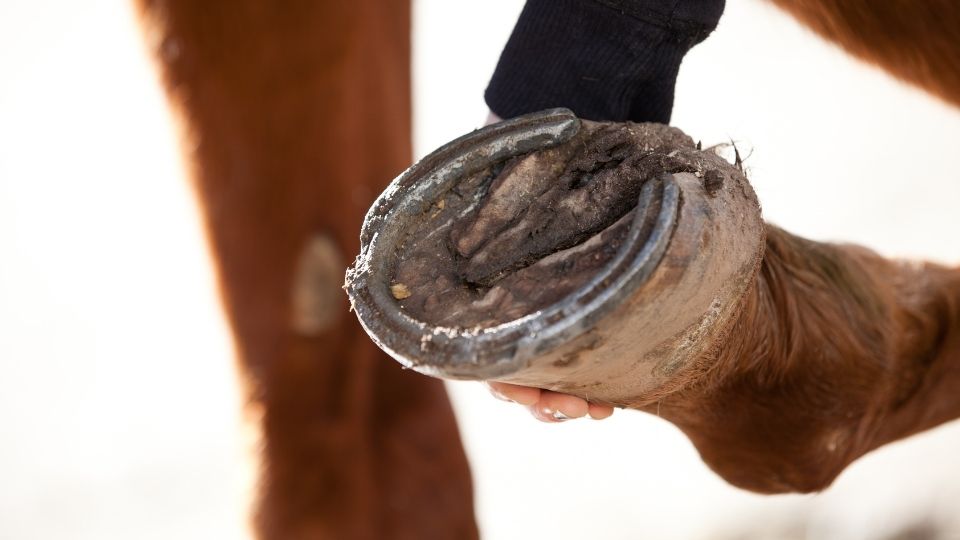
- Cleaning: Hooves are cleaned with a hoof pick, removing mud and debris.
- Trimming: The hoof wall is cut back to the proper length using nippers.
- Rasping: A rasp smooths the edges and levels the hoof.
- Checking Balance: The farrier checks that the hoof sits flat and supports weight evenly.
- Shoeing (if needed): Horseshoes are fitted and nailed in place.
Most trims take 20-30 minutes per horse. If your horse is nervous or has hoof issues, it may take longer.
Practical Tips
- Schedule trims early, before hooves get too long.
- Use a trusted, experienced farrier.
- Watch the trim process and ask questions.
- Keep records of trimming dates and any issues.
What Happens If You Trim Too Often Or Too Rarely?
Some horse owners worry about trimming too much or too little. Both can cause problems.
Trimming Too Often
If you trim before the hoof has grown enough (less than every 4 weeks), you risk:
- Weakening the hoof: Removing too much horn reduces protection.
- Soreness: The horse may become tender-footed.
- Wasting money: Frequent trims are costly and unnecessary.
Trimming Too Rarely
If you go too long between trims (more than 10 weeks), you may see:
- Overgrowth: Hoof walls crack, curl, or flare.
- Infections: Mud and manure trapped in long hooves cause thrush.
- Lameness: The horse may limp or refuse to move.
Finding a balance is key. Most horses do best with 6-8 week intervals.
Credit: www.ironfreehoof.com
Seasonal Considerations
Hoof growth changes with the seasons. In the warmer months, hooves often grow faster. In winter, growth slows due to less exercise and colder weather.
Spring And Summer
- Horses are more active and eat lush pasture.
- Hooves grow faster, needing more frequent trims (every 6 weeks).
- Wet ground can soften hooves, causing more wear and tear.
Fall And Winter
- Horses are less active, and pasture is less rich.
- Hoof growth slows; you may stretch trims to 8 weeks.
- Frozen or dry ground wears hooves less, but be alert for cracks.
Always adjust your schedule to fit the season and your horse’s needs.
Hoof Trimming For Special Cases
Some horses need unique trimming schedules due to health or work.
Foals And Young Horses
Foals grow rapidly. Their hooves can become misshapen without regular attention. Trim every 4-6 weeks during the first year.
Performance Horses
Horses that compete or work hard (jumping, racing, dressage) need strict schedules. Trimming every 6 weeks keeps their feet balanced and strong.
Horses With Hoof Problems
If your horse has issues like laminitis, clubfoot, or thin soles, your farrier may recommend shorter intervals and special trimming techniques. Never delay trims if your horse has medical hoof conditions.
Diy Trimming Vs. Professional Farrier
Some owners try trimming hooves themselves to save money. There are risks and benefits.
Diy Trimming
- Cost-saving: No farrier fees.
- Control: You choose timing and method.
But without training, you risk:
- Injury: Poor technique can harm your horse.
- Mistakes: Uneven or excessive trimming can cause lameness.
- Legal Issues: In some areas, only certified farriers can trim horses.
Professional Farrier
- Expertise: Professionals understand hoof anatomy and balance.
- Safety: Farriers prevent injuries and infections.
- Advice: They spot problems early and recommend solutions.
If you’re not experienced, it’s best to hire a qualified farrier.
Cost Of Regular Hoof Trimming
Trimming costs vary by region, farrier experience, and horse type.
- Average price per trim: $40–$80 per horse.
- Shoeing adds $100–$300 per horse (depending on shoe type and work).
- Trimming foals or horses with problems may cost extra.
Budget for trimming every 6-8 weeks. Neglecting hoof care costs more in the long run due to vet bills and lost work.
Credit: extension.usu.edu
Comparison: Hoof Trimming Vs. Shoeing
Some horses wear shoes, others go barefoot. Here’s a quick comparison:
| Aspect | Barefoot | Shod |
|---|---|---|
| Trim Interval | 6-8 weeks | 6 weeks |
| Cost | Lower | Higher |
| Hoof Protection | Moderate | High |
| Risk of Hoof Damage | Lower | Higher if shoes are lost |
| Suitable For | Pasture pets, light work | Performance, hard surfaces |
Shoeing is best for horses that work on hard or rough surfaces. Barefoot is ideal for horses in soft pastures or with strong hooves.
Tips For Maintaining Healthy Hooves Between Trims
Hoof health is not just about trimming. Here are ways to keep your horse’s feet in top shape:
- Daily Cleaning: Pick out hooves every day to remove mud, stones, and manure.
- Balanced Diet: Feed hay, grains, and supplements rich in biotin, zinc, and amino acids.
- Proper Shelter: Keep stalls dry and clean to prevent infections.
- Exercise: Regular movement stimulates hoof growth and keeps feet strong.
- Monitor for Issues: Check for cracks, swelling, or odor daily.
Non-obvious Insight
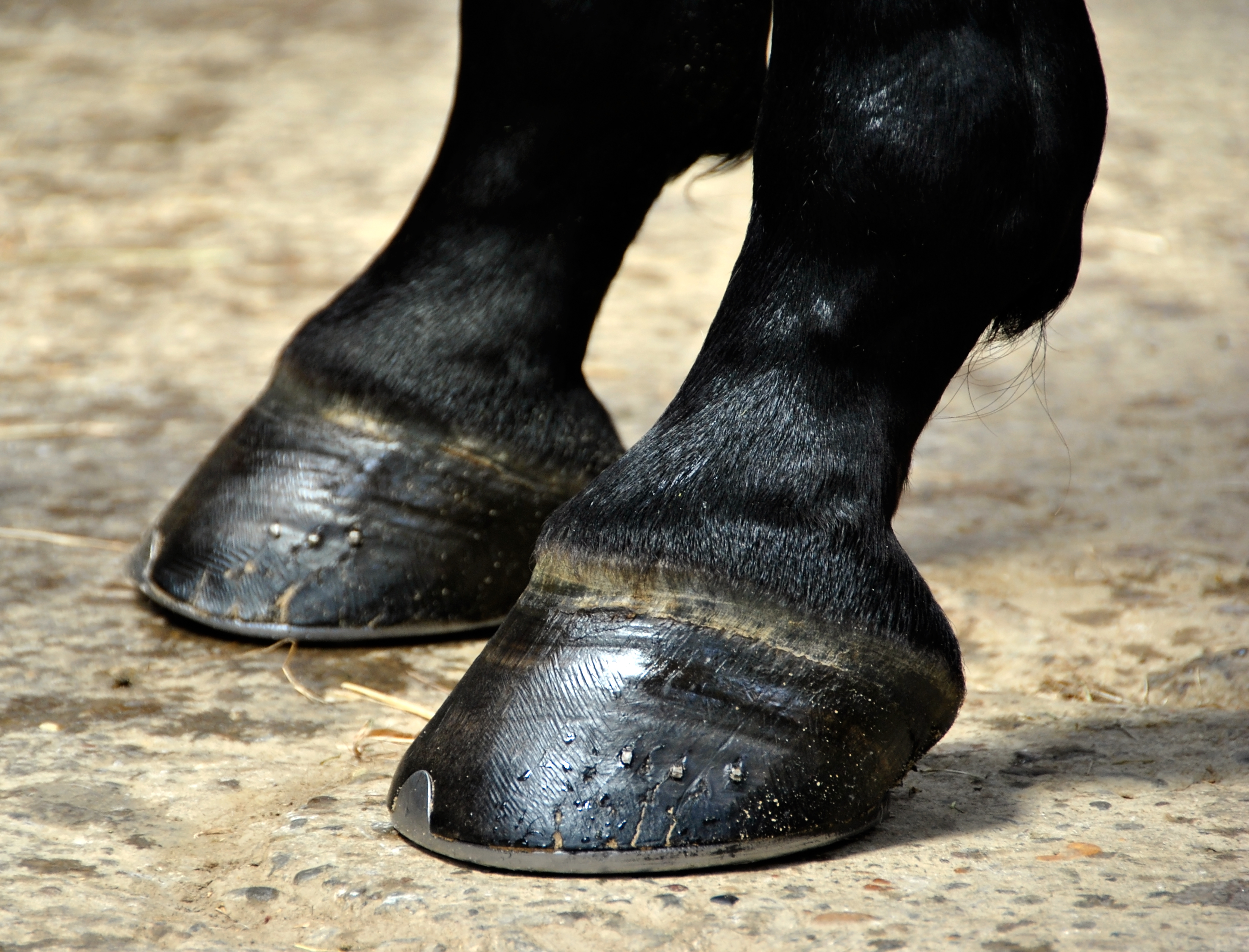
Many owners forget that hydration affects hoof strength. Horses that drink plenty of clean water have firmer, healthier hooves. Also, horses exposed to both wet and dry conditions may develop hoof cracks due to repeated expansion and contraction. It’s smart to avoid sudden changes in moisture.
Credit: extension.umn.edu
Common Mistakes In Hoof Trimming Schedules
Even experienced owners make errors with hoof care. Here are mistakes to avoid:
- Skipping trims in winter: Hoof growth slows, but don’t skip trims. Overgrowth can sneak up.
- Relying only on visual signs: Waiting for cracks or chips is too late. Stick to a schedule.
- Ignoring hoof balance: Trimming only for length can leave hooves uneven. Balance matters.
- Letting the farrier pick the schedule: Communicate with your farrier and keep records.
- Failing to adjust for workload: Horses that increase their activity need more frequent trims.
Non-obvious Insight
It’s easy to miss the effect of stall bedding. If your horse stands on wet bedding, hooves soften and grow faster. Dry, clean bedding helps maintain natural hoof hardness.
How To Choose A Good Farrier
Your farrier is your partner in hoof health. Here’s how to select a skilled professional:
- Ask for Recommendations: Local horse owners, trainers, and vets know trustworthy farriers.
- Check Qualifications: Look for certifications from recognized associations.
- Observe Work: Watch your farrier trim. Notice their technique and how your horse responds.
- Discuss Schedules: Make sure your farrier agrees with your needs and is available on time.
- Review Costs: Understand all fees before hiring.
A good farrier helps you prevent problems, not just fix them.
Frequently Asked Questions
How Can I Tell If My Horse’s Hooves Are Overdue For Trimming?
Look for cracks, chips, and curling in the hoof wall. If your horse starts to limp or shifts weight strangely, it’s likely time for a trim. Ideally, stick to a 6-8 week schedule rather than waiting for visible signs.
Is It Safe To Trim My Horse’s Hooves Myself?
It’s possible, but only if you have proper training and tools. Mistakes can lead to lameness or hoof infections. Most owners are safer hiring a professional farrier.
How Does Weather Affect Hoof Trimming Needs?
In wet weather, hooves may grow faster and soften, needing more frequent trims. In dry or cold weather, growth slows, but cracks and chips are more common. Adjust your schedule as seasons change.
Can Skipping Trims Cause Permanent Hoof Damage?
Yes. Overgrown hooves can lead to misshapen feet, joint pain, and infections. Some damage can be permanent, especially if neglected for several months.
What Supplements Help Hoof Growth?
Supplements containing biotin, zinc, and methionine support hoof strength and growth. Always consult your vet before adding new supplements to your horse’s diet. For more information, see AAEP Hoof Care Guide.
Final Thoughts
Healthy hooves start with regular, careful trimming. Most horses thrive with trims every 6-8 weeks, but your horse’s needs may vary. Age, activity, environment, and health all affect how quickly hooves grow. Watch for signs of overgrowth, keep records, and work closely with your farrier. Don’t wait for problems to appear—prevention is always easier than cure. With these tips, you can help your horse stay comfortable, strong, and ready for any adventure. Hoof care is a simple habit that pays back every day your horse walks, runs, or works.