
Buyers looking for the cheapest horses in the world often find them through government adoptions, kill pens, and off-track racing auctions where upfront prices drop below a few hundred dollars. In many cases, purchase prices start around the base fee of a wild mustang adoption, but the animal’s initial price tag is only the first expense you’ll face.
Where in the world to find the cheapest horses
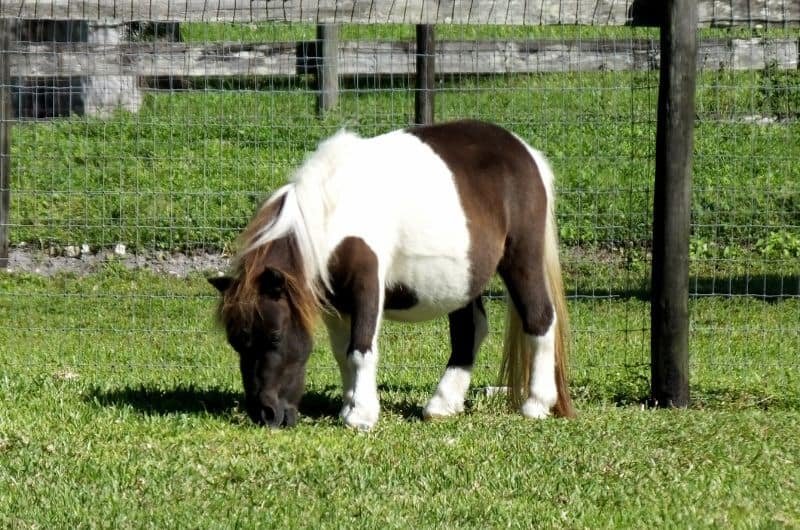
Low-cost horses appear in places where owners face high pressure to move stock quickly. Livestock auctions sell animals per pound or at low floor bids, but you won’t get a chance to ride or vet-check them first. Off-the-track thoroughbred (OTTB) placement groups offer retired racehorses cheaply to free up stall space for incoming racers. Local classifieds, feed store bulletin boards, and humane societies also list horses whose owners can’t afford winter hay.
This table compares common low-cost sources on initial purchase price, handling difficulty, and health risk:
| Source | Purchase Price Range | Training Level | Health & Soundness Risk |
|---|---|---|---|
| BLM Wild Horse Adoption | Low (fixed fee) | None (wild) | Low (hardy, but unvetted) |
| Livestock / Kill Auctions | Low (meat price floor) | Unknown (often poor) | Extremely High |
| Rescue Organizations | Low to Moderate (adoption fee) | Varies (evaluated) | Low to Moderate (disclosed) |
| Off-Track Thoroughbreds (Direct) | Low to Moderate | Trained to race only | Moderate (stress injuries) |
Breeds known for lower purchase prices
Purebred horses with show bloodlines demand steep figures, but common utility breeds remain budget-friendly. Working lines with wide breeding populations offer plenty of sound, usable animals at fair prices.
Grade horses and mixed breeds
A “grade” horse simply means the animal has no pedigree papers or breed registry. You can’t enter them in breed-restricted shows, but they make sturdy, calm trail companions. Because paperless stock carries low resale value, sellers ask far less for them than registered Quarter Horses or Paints.
Mustangs and rescue adoption programs
Government management programs sell gathered wild horses directly to the public to prevent overpopulation on public lands. The Bureau of Land Management Wild Horse and Burro Program sets base adoption fees starting at standard minimum rates for untrained horses. These animals have strong hooves and robust genetics, but they arrive completely unhandled.
Understanding the true cost of horse ownership
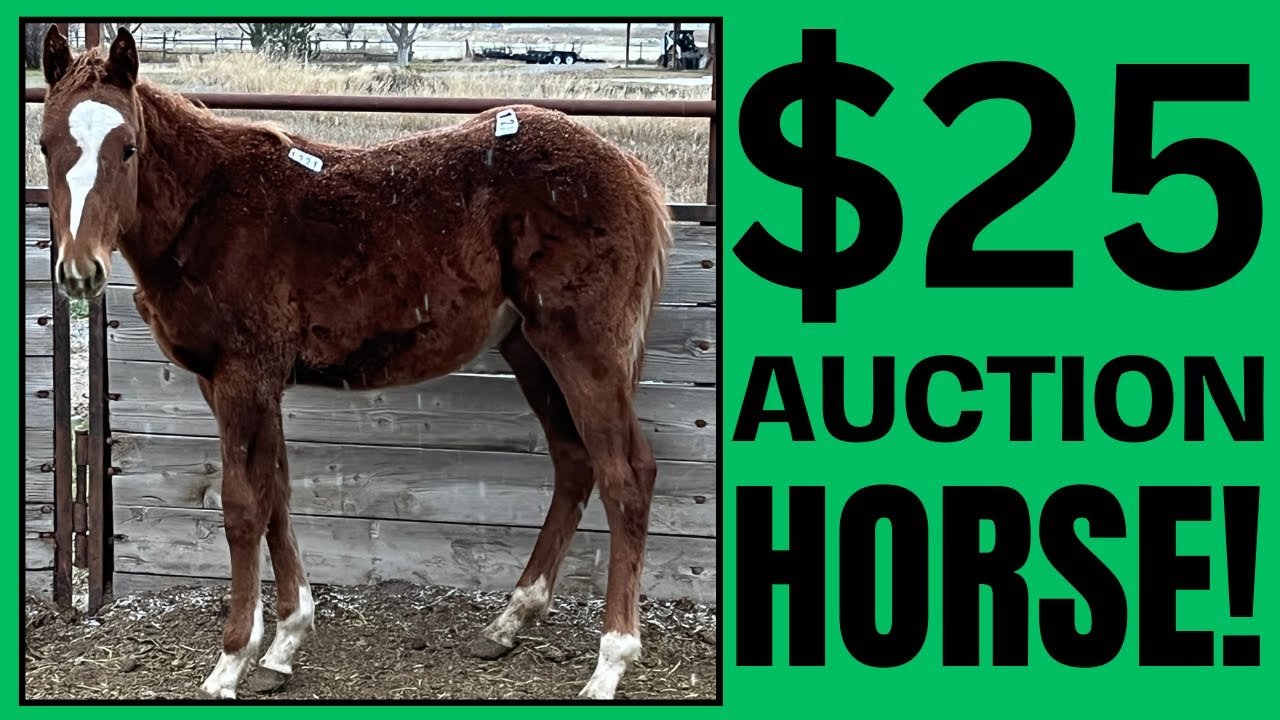 Photo: www.youtube.com on Google
The purchase price of an equine is almost always the smallest bill you’ll pay. Ongoing care requires daily cash flow regardless of whether the horse cost zero dollars or ten thousand dollars.
Routine veterinary and farrier expenses
Hooves grow continuously and require professional trimming every six to eight weeks. If your horse needs special shoes for balance, farrier bills double quickly. Basic annual health care includes rabies, tetanus, and West Nile vaccines, alongside dental floating to rasp down sharp enamel points. Skipping routine dental maintenance is a severe mistake; an animal that can’t chew drops weight fast, costing hundreds of dollars in supplemental senior feeds to correct.
Monthly boarding and feed requirements
If you don’t own fenced acreage with a run-in shed, you must pay monthly boarding fees. Full care boarding covers stall cleaning and feeding, while self-care leaves the labor to you. A standard horse eats roughly 1.5% to 2% of its body weight in dry forage every day. During winter, hay prices rise sharply when local yields drop, turning winter feeding into a major monthly expense.
Factors that influence a horse’s market value
A horse’s price reflects its utility, temperament, and remaining useful years, which explains why certain animals sit at the bottom of the price scale.
Age and training level considerations
A safe, “bombproof” trail mount costs significant money because reliable training takes hundreds of hours. If an animal is under five years old, expect green behavior that demands professional handling; if it’s over twenty, physical wear and tear limits hard riding. You face a direct trade-off: pay more money upfront for an educated, safe mount, or spend months of daily sweat and trainer fees educating a cheap, green horse.
Health history and conformation
Physical flaws reduce market value quickly. Poor leg angles, weak backs, or past tendon bows make an animal prone to lameness under load. Chronic conditions like equine asthma or pituitaria pars intermedia dysfunction (Cushing’s disease) drop an animal’s selling price to rock bottom because lifelong medication bills transfer straight to you.
Risks of buying horses at the lowest price point
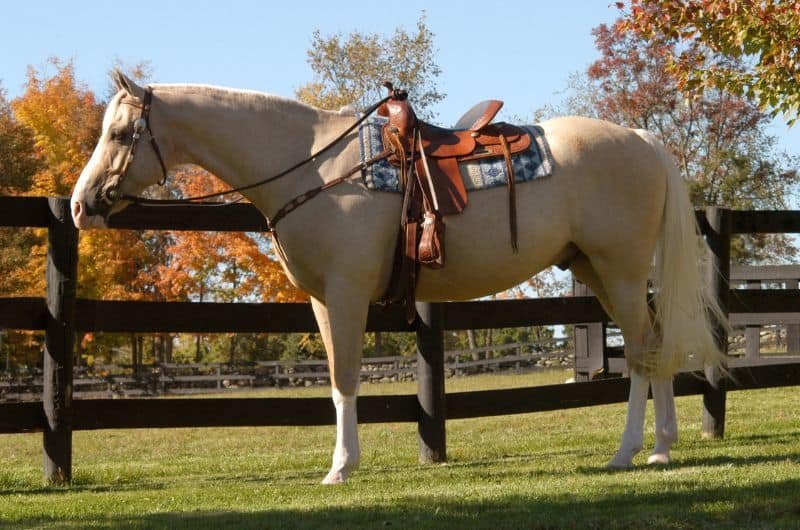 Photo: equinehelper.com on Google
The cheapest animals carry hidden liabilities that cost far more than a proper purchase budget. Low-end auction stock frequently carries contagious illnesses like strangles or respiratory herpesvirus picked up in crowded feedlots. Treating acute pneumonia or ringbone in a rescue animal easily runs thousands of dollars in the first two months.
Who this is NOT for: absolute novices without an experienced trainer by their side. Unhandled mustangs or traumatized auction rescues can strike, bite, or bolt through fencing, causing severe personal injury. Here is the decision rule: if you have less than three years of regular horse-handling experience, buy a trained horse with clean veterinary records; if you’re an experienced equestrian with deep handling skills, an unstarted rescue or grade horse can be a rewarding, frugal project.
Frequently Asked Questions
Is it possible to get a free horse?
Yes, owners frequently give away retired horses, companion-only animals, or older mounts to avoid paying winter boarding bills. However, a free horse requires the same feed, vaccines, wormers, and farrier visits as any other equine.
What are the hidden costs of adopting a wild horse?
Mustangs arrive completely unhandled and can’t be loaded into normal trailers or kept behind standard low fences. You’ll need six-foot sturdy corral panels, specialized transport, and either professional gentling assistance or months of specialized training equipment.
How much should a beginner budget for a first horse?
A beginner should budget for a seasoned, sound mount rather than the cheapest listing available. Beyond the initial purchase price, keep a dedicated emergency veterinary fund ready before the animal steps off the trailer.
Are older horses cheaper to maintain than younger ones?
No, older horses usually cost more to maintain each month. This varies by individual horse — check the animal’s teeth and joints carefully. Geriatric equines often need processed mash feeds, arthritis supplements, and frequent veterinary checkups to hold their condition.
1 thought on “Cheapest Horses in the World: Where to Find Low Cost Options”