
To measure horses, handlers place a rigid measuring stick vertically beside the animal on flat ground and slide an arm down to the highest point of the withers. The height is recorded in “hands,” where one hand equals exactly four inches. The animal stands square on all four hooves so the spine stays level. A level bubble on the stick’s arm shows when the reading is straight, giving a clean vertical line from dirt to bone.
The parts that do the work
| Part or input | What it does | What you notice when it goes wrong |
|---|---|---|
| Level ground | Keeps all four feet at equal height | False high or low readings from slope |
| Measuring stick | Gives vertical height in inches and hands | Bendable tapes give loose, inflated numbers |
| Crossbar with bubble level | Drops flat across the withers | Slanted bars add extra fraction inches |
| Withers | Acts as fixed bony measuring point | Head movement changes poll height, not withers |
| Hoof posture | Balances weight across both front legs | Splayed legs lower the back several inches |
What happens, step by step
- Lead the animal onto a solid, flat concrete pad or paved floor. A soft dirt aisle compresses under the hooves, which drops the reading by half an inch or more. This setup takes about two minutes.
- Square the legs so both front hooves line up side-by-side and both hind hooves mirror each other underneath the hips. Unbalanced legs pull the spine down. Settling an anxious animal usually takes one to three minutes.
- Lower the horse’s head so the poll rests level with the top of the withers. If the animal raises its neck high, the back muscles tighten and raise the measuring point. Allow thirty seconds for the neck to relax.
- Position the measuring stick vertically alongside the near shoulder. Rest the metal base completely flat on the concrete without tilting the pole forward or backward. Setting the base correctly takes about ten seconds.
- Slide the horizontal arm down until the underside rests lightly on the highest ridge of the withers. Don’t push the crossbar into the skin. Centering the bubble level on the crossbar takes five to ten seconds.
- Read the marked measurement directly off the vertical rule where the crossbar bracket aligns. The whole physical check wraps up within five minutes from the moment the horse walks onto the pad.
Why this matters when something goes wrong
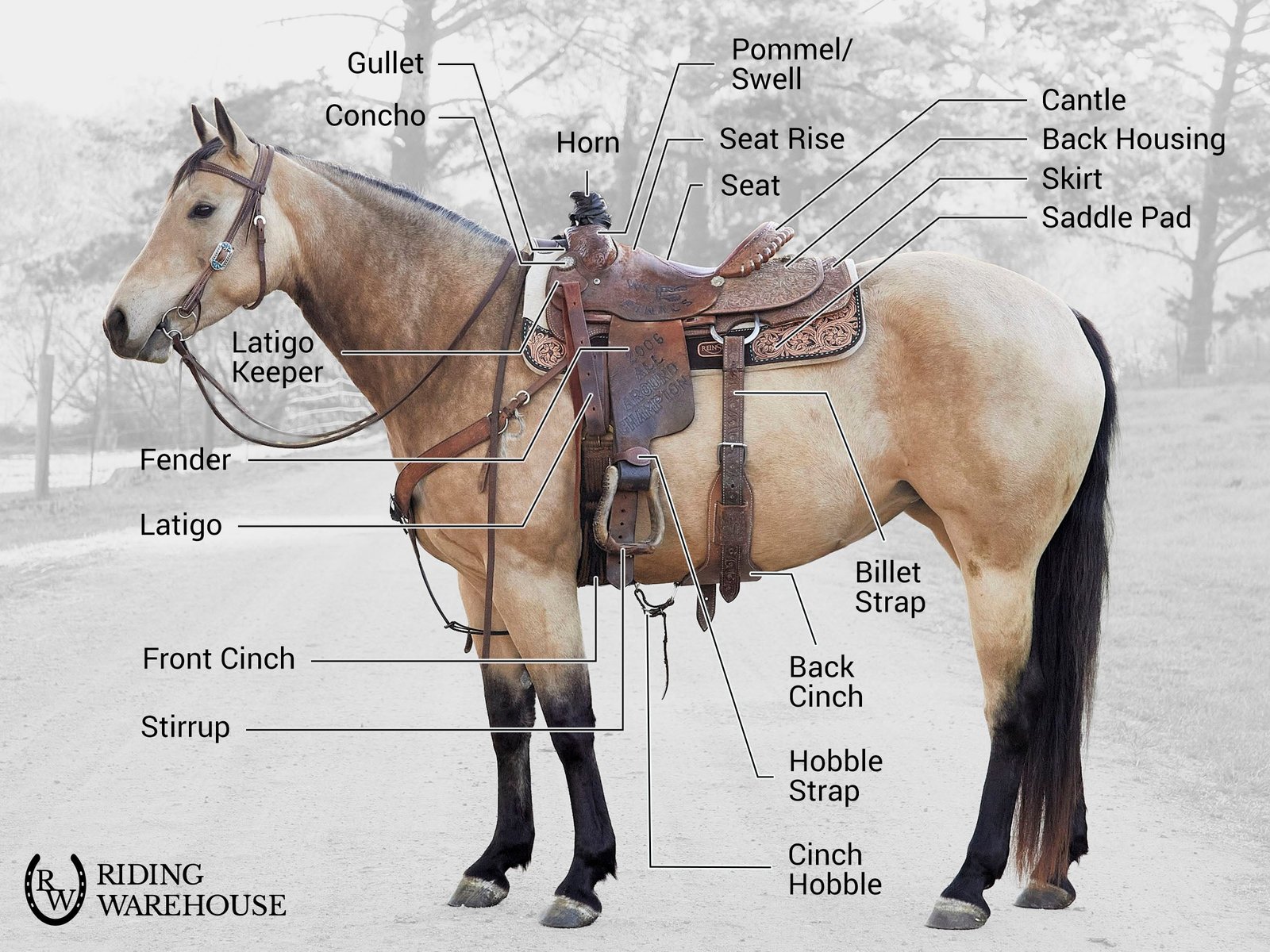 Photo: www.ridingwarehouse.com on Google
An incorrect height measurement creates expensive problems during horse sales and breed shows. Sanctioned competitions group animals into strict classes: ponies must stand 14.2 hands (58 inches) or under, while horses measure over 14.2 hands. The official rules from the United States Equestrian Federation outline formal measurement procedures because an inch error changes an animal’s entire show division.
A common mistake happens when handlers pull a cloth tailor’s tape over the animal’s shoulder curves. This curve adds up to two false inches, costing the owner eligibility in pony division classes where smaller animals hold higher resale value. If the ground is uneven, don’t record the number; if the surface is firm concrete, take three separate readings and use the average.
The physical trade-off is clear: rigid metal sticks provide absolute accuracy but can spook nervous yearlings, whereas soft tape is safer around wild legs but yields poor data. This process isn’t for untrained handlers working around green or unhandled horses without assistance. An honest limit applies to shoes: metal shoes add roughly one-quarter to three-eighths of an inch—check the shoe thickness rather than guessing the barefoot height.
What you can change, and what you cannot
What you can control
- The firmness and levelness of the footing under the hooves.
- The animal’s stance, ensuring all four legs stand square.
- The tool you choose, using an upright stick instead of soft tape.
- The head position, keeping the neck relaxed and parallel to the floor.
What you can’t control
- The true skeletal height of the horse’s withers.
- The breed registry’s strict cutoff height between ponies and horses.
- Natural spine compression that happens after hours of heavy exercise.
For formal show cards or disputed breed registrations, hire a licensed veterinarian or an official show steward to certify the height.
Getting more out of it
 Photo: askfilo.com on Google
- Sweep away loose bedding, gravel, and dirt before setting the base plate down, because small debris can tilt the vertical shaft.
- Measure your horse at the same hour of the day, as natural joint relaxation can change the height by a fraction of an inch between dawn and evening.
- Have a handler hold the horse’s lead rope loosely; a tight upward pull on the chin lifts the chest and changes shoulder alignment.
- Note whether the horse wears shoes; deduct one-quarter inch if the animal wears standard steel plates on both front hooves.
Frequently asked questions
What does one hand equal when measuring a horse?
Four inches. Handlers count height in four-inch units called hands, written as “hh” for hands high. A horse measuring 60 inches tall stands exactly 15 hands high, because 60 divided by 4 equals 15.
What does 14.2 hands mean in horse height?
58 inches. The number after the period represents extra single inches, not decimals. A height of 14.2 hands equals 14 hands (56 inches) plus 2 inches, which makes 58 inches total.
Can you use a regular tape measure on a horse?
No. Standard construction tapes bend and follow the horse’s barrel curves, which adds extra length to your reading. You must use a rigid vertical stick with a sliding horizontal arm to measure a true perpendicular line from the ground.
Why do you measure horses at the withers instead of the head?
Because the withers don’t move. A horse raises and lowers its head constantly, making the poll or ears an unreliable target. The dorsal spines of the vertebrae at the withers stay fixed relative to the ground.
Does horse height change with shoes on?
Yes. Standard steel shoes add about one-quarter to three-eighths of an inch to the animal’s total height. Official breed registries require stewards to inspect the hooves and deduct the shoe thickness from the recorded height measurement.
How long does it take to measure a horse correctly?
About five minutes. Setting the horse on flat ground, squaring the hooves, and relaxing the animal’s neck takes most of the time. The actual placement of the stick and reading of the level takes less than a minute.
Next time you visit a barn, ask an owner if you can watch them check their animal’s height. Seeing it done in person helps you understand how calm the animal needs to be. You’ll quickly see why good handlers take their time, and you won’t forget the experience.