
Can You Horse Ride On A Public Footpath
In the countryside, many people dream of riding horses along quiet paths and open fields. The idea sounds peaceful and free. But in reality, the rules about where you can take a horse, especially in the UK, are not always simple. If you love horse riding or just want to explore nature on horseback, it’s important to know where you’re allowed to go. Many riders ask: can you horse ride on a public footpath?
This question seems simple, but the answer involves legal rights, safety, countryside traditions, and respect for other path users. Making a mistake could mean a fine, damage to the environment, or even an accident. This guide will explain everything you need to know about horse riding on public footpaths. You’ll learn what the law says, what is good practice, and how to enjoy riding without causing trouble.
Whether you’re a new rider or experienced, understanding these rules will help you avoid problems and enjoy the countryside safely. You’ll also learn how to spot which paths are for horses, what to do if you’re not sure, and how to handle disagreements with landowners or walkers.
By the end, you’ll be confident about where you can ride and how to protect both your rights and the countryside.
Understanding Public Footpaths
Before you can answer if you can ride your horse on a public footpath, you need to know what a public footpath is. In the UK and many other countries, public footpaths are special routes with legal protection. They let the public pass through private land, but they come with rules.
What Is A Public Footpath?
A public footpath is a right of way for people traveling on foot. These paths cross fields, woods, and even private farms. The land might be owned by a farmer, but the public has the right to walk on the path. The law says landowners must not block the path or stop people from using it.
Different Types Of Rights Of Way
There are several types of paths and tracks in the countryside, each with different rules. Here are the main types:
| Type of Path | Who Can Use It? | Legal Rights |
|---|---|---|
| Public Footpath | Walkers | Right to walk only |
| Bridleway | Walkers, Cyclists, Horse Riders | Right to walk, ride, and cycle |
| Byway Open to All Traffic (BOAT) | Walkers, Cyclists, Horse Riders, Vehicles | Right for all, including vehicles |
| Restricted Byway | Walkers, Cyclists, Horse Riders, Non-motorized vehicles | No motor vehicles allowed |
The most important thing to notice is that public footpaths only give the legal right to walk. Horse riders have their own special paths, called bridleways.
How To Recognize Footpaths And Bridleways
You can usually spot public footpaths and bridleways by their signs and markings. In the UK:
- Public footpaths are marked with yellow arrows or signs.
- Bridleways use blue arrows or signs.
Maps also show these paths in different colors. Ordnance Survey maps, for example, use green dashes for footpaths and long green dashes for bridleways.
The Law: Horse Riding On Public Footpaths
The law is the key factor when answering the main question. In the UK, the law is clear but often misunderstood.
Is Horse Riding Allowed On Footpaths?
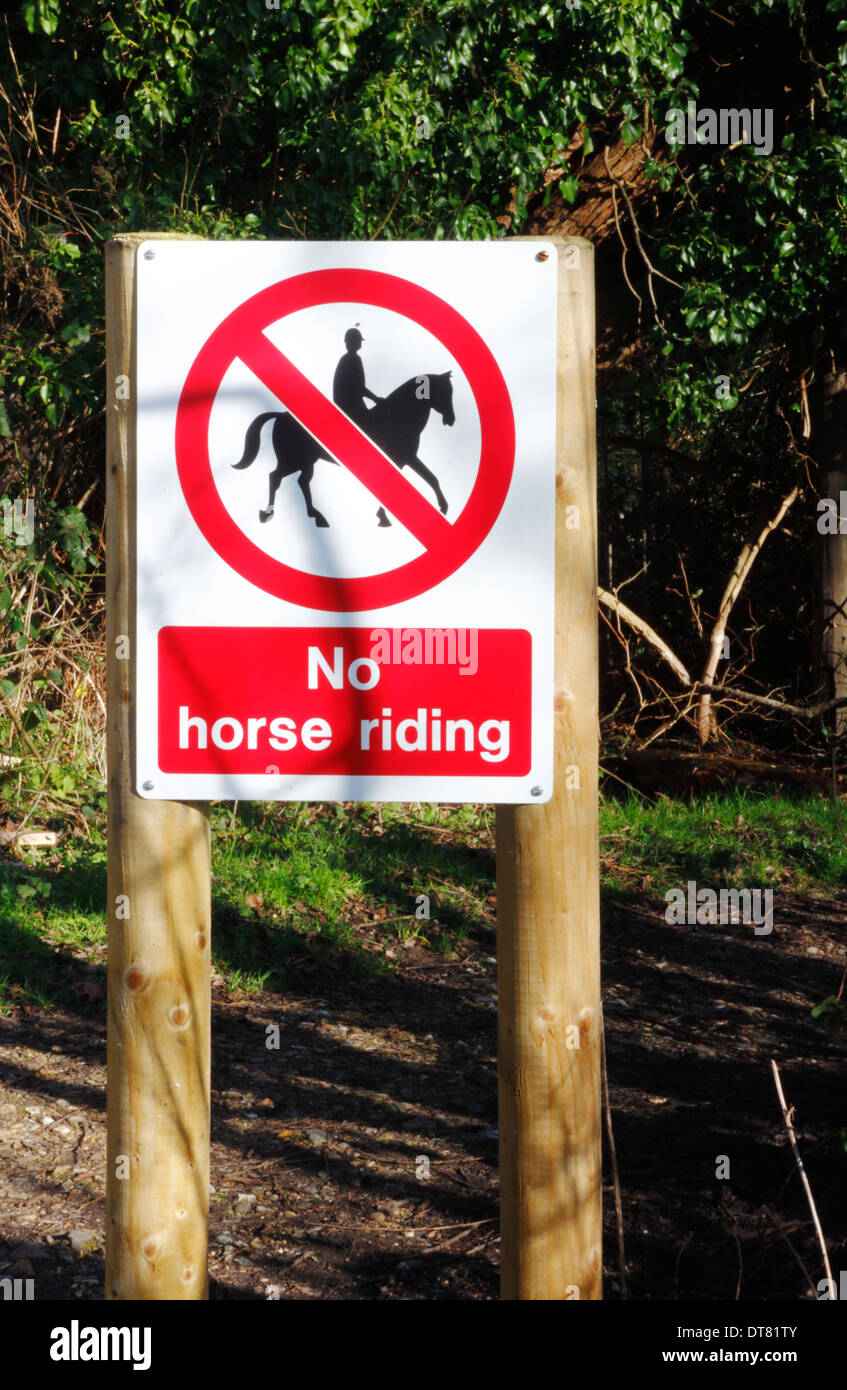
The simple answer is no. In England and Wales, you do not have the right to ride a horse on a public footpath. The legal right is only for people on foot.
The law says that using a horse on a public footpath is trespass. This means you are on the land without the right to be there in that way. The landowner could ask you to leave. If you refuse, it could become a legal problem.
Bridleways Are For Horses
On the other hand, bridleways are for horse riders. You have a legal right to ride your horse (or bicycle) on these paths. Bridleways are often chosen for horse riding because they are wider and designed for mixed use.
What About Scotland?
In Scotland, the rules are different. The Land Reform (Scotland) Act 2003 gives everyone the right to access most land, as long as they behave responsibly. This means you can ride a horse on most paths, including many footpaths, if you respect the land and other users.
Exceptions And Local By-laws
Sometimes, landowners may give permission for horse riding on a footpath. This is not a legal right, but a special arrangement. Some councils may also have their own rules.
Always check local information before riding, especially in parks or nature reserves.
Why Are Horses Not Allowed On Public Footpaths?
It might seem unfair that horse riders cannot use footpaths. But there are some good reasons.
Protecting The Path
Many footpaths are narrow and cross fields, gardens, or sensitive areas. Horses are heavy and can damage the surface, especially after rain. Too many horses can turn a small path into mud, making it hard for walkers.
Safety For Walkers
Footpaths are often busy with walkers, including families and children. Horses can move quickly and may scare people. On a narrow path, there might not be enough room for both a horse and a person to pass safely.
Landowner Concerns
Landowners are often worried about damage to crops, gates, or fences. They may also worry about people’s safety around horses or about dog walkers meeting horses on small paths.
Consequences Of Riding On Footpaths Illegally
If you ride your horse on a public footpath where you do not have the right, there can be consequences.
Trespass
The main risk is trespass. This is a civil matter (not a crime), but the landowner can ask you to leave. If you refuse, they can take legal action, though this is rare.
Fines And Penalties
In some cases, there may be local by-laws with fines for riding horses where it is not allowed. This is more common in parks or special nature areas.
Damage Claims
If your horse damages crops, fences, or the path, the landowner can ask you to pay for repairs. Insurance may not cover you if you were riding somewhere illegal.
Harm To Reputation
If riders use footpaths wrongly, it can harm the reputation of all horse riders. It can lead to more rules and less access for everyone.
How To Find Where You Can Legally Ride
Knowing where you are allowed to ride is essential. You have several tools to help you.
Ordnance Survey Maps
Ordnance Survey maps are the best way to see which paths are bridleways and which are footpaths. These maps are detailed and widely used in the UK.
Online Resources
Many websites and apps, like OutdoorActive or OS Maps, show paths and their status. Some local councils also have online maps.
Local Riding Groups
Horse riding clubs often have up-to-date information about safe and legal routes. They may also know about friendly landowners who allow riding on their paths.
Signs And Markings
Always check for signs at the start of paths. Look for the blue bridleway signs. If you are not sure, do not ride. It’s better to ask than risk a fine.
What To Do If You Accidentally Ride On A Footpath
Mistakes happen, especially in new areas. If you find yourself on a public footpath by accident, what should you do?
- Leave the Path Quickly: If you realize you are on a footpath, turn around or leave as soon as possible.
- Be Polite: If someone tells you it’s a footpath, apologize and explain it was a mistake.
- Check Your Map: Find the nearest bridleway or legal route.
- Learn for Next Time: Make a note so you don’t make the same mistake again.
Exploring Bridleways: The Best Option For Horse Riders
Bridleways are designed for horse riders, cyclists, and walkers. They are wider, safer, and often more scenic. The UK has thousands of miles of bridleways, connecting beautiful countryside and villages.
Why Bridleways Are Better
- Wider paths: Easier for horses and safer for passing walkers.
- Less conflict: Walkers expect horses and are more used to sharing.
- Less damage: Bridleways are built to handle horses’ weight.
How To Find Good Bridleway Routes
- Use local riding maps or guidebooks.
- Ask at local stables or riding schools.
- Try bridleway routes in national parks or Areas of Outstanding Natural Beauty.
Riding On Roads And Other Paths
Sometimes, you need to use roads to connect bridleways. Is this allowed?
Riding Horses On Roads
Yes, you can ride your horse on most public roads in the UK. You must follow the Highway Code for horses. Wear high-visibility clothing and ride carefully, especially near cars.
Restricted Byways And Byways Open To All Traffic
You can also use restricted byways and byways open to all traffic. These paths are often rough tracks that allow walkers, cyclists, horse riders, and sometimes vehicles.
Permissive Paths
Some landowners allow riders on their land as a favor, not a legal right. These are called permissive paths. Always check signs and respect the rules, as the landowner can close the path at any time.

Credit: www.dreamstime.com
Common Mistakes Horse Riders Make
Even experienced riders can get things wrong. Here are some mistakes to avoid:
- Assuming all countryside paths are for horses: Always check the status before riding.
- Ignoring signs: If a path is marked “footpath only,” do not use it.
- Riding on crops or private land: Stay on the marked path.
- Not closing gates: Always close gates behind you to protect livestock.
- Riding in wet conditions: Horses can damage paths after rain. Wait for drier weather or use sturdier bridleways.
What To Do If You Face Conflict
Sometimes, walkers or landowners may challenge you, even if you are on a bridleway. Here’s how to handle it calmly.
Stay Calm
Do not argue. Stay polite and listen.
Show Your Map
Carry a map or use your phone to show the path’s status.
Know Your Rights
If you are on a bridleway, you have the right to be there. Explain gently if needed.
Report Problems
If someone blocks a legal bridleway, report it to the local council. They can help clear obstructions.
How To Campaign For Better Horse Riding Access
Some riders want more legal paths. You can help by joining local groups or national campaigns.
- British Horse Society: They campaign for more bridleways and better access.
- Local riding clubs: They often work with councils to improve routes.
You can also help by reporting blocked paths, supporting bridleway maintenance, and respecting the rules.
Horse Riding And The Countryside Code
The Countryside Code is a set of guidelines for everyone enjoying the outdoors. Following it helps everyone get along.
Key Points For Riders
- Be safe: Ride at a sensible speed.
- Respect others: Slow down for walkers, say hello, and pass carefully.
- Protect the environment: Stay on the path and do not damage plants or fences.
- Keep gates closed: Unless a sign says otherwise.
- Clear up: Do not leave litter or horse droppings on the path.
Following these points keeps the countryside safe and beautiful for all.
Local Variations: Wales, Scotland, And Northern Ireland
Rules about horse riding on footpaths are not the same everywhere in the UK.
Wales
In Wales, the law is similar to England: no right to ride on footpaths, but you can use bridleways.
Scotland
In Scotland, you have much more freedom, thanks to the Land Reform Act. You can ride on most paths, if you act responsibly.
Northern Ireland
In Northern Ireland, the law is stricter. Most paths are for walkers only, unless marked otherwise.
If you travel, always check the rules before riding.
Real-world Examples And Case Studies
Learning from real situations helps you understand the rules.
Example 1: Accident On A Footpath
A rider in England used a footpath by mistake. The horse startled some walkers, who complained to the council. The landowner warned the rider and put up clearer signs. The rider apologized and now always checks her map.
Example 2: Positive Cooperation
A landowner near a village allowed local riders to use a footpath during dry weather, but only if they stayed on the edge and closed all gates. Riders and walkers got along well, and the path stayed in good condition.
Example 3: Blocked Bridleway
A group of riders found a bridleway blocked by a new fence. They reported it to the council, who contacted the landowner. The fence was moved, and the path reopened.
These examples show the importance of respect, communication, and knowing your rights.
Tips For Safe And Responsible Horse Riding
To enjoy the countryside and avoid problems, follow these tips:
- Plan your route: Check the status of all paths before you go.
- Ride with a friend: Safer and more enjoyable.
- Carry a map and phone: For navigation and emergencies.
- Wear bright clothing: So others can see you.
- Be polite to walkers and landowners: Good manners go a long way.
- Check the weather: Avoid wet paths that could be damaged.
- Join a local riding group: For support and up-to-date advice.
Comparing Footpaths, Bridleways, And Byways
To help you remember the differences, here is a quick comparison:
| Path Type | Can Horses Use? | Other Users | Typical Width |
|---|---|---|---|
| Footpath | No | Walkers | Narrow (1m-2m) |
| Bridleway | Yes | Walkers, Cyclists | Wider (2m-3m) |
| Byway | Yes | Walkers, Cyclists, Vehicles | Widest (3m+) |
Credit: www.alamy.com
Non-obvious Insights For New Riders
Many beginners do not realize:
- Some footpaths look like bridleways: Some old tracks are now marked as footpaths only, even if they look wide. Always check the map, not just the path.
- Access can change over time: Paths can be upgraded (footpath to bridleway) or downgraded. Local campaigns can help improve access.
Another common surprise: horse riding insurance often does not cover you if you use a path illegally. This means you pay for any damage or injury.
What To Do If You Want More Bridleways
If you wish there were more bridleways near you, you can help:
- Collect evidence: If riders have used a path for over 20 years, it may be possible to claim it as a bridleway. Keep records.
- Work with local councils: They can officially change the status of a path.
- Join campaigns: National groups like the British Horse Society have advice on how to do this.
Useful Resources
For further advice and official guidance, you can visit the UK Government Rights of Way page. This site gives clear information about your rights, the law, and how to report problems.
Final Thoughts
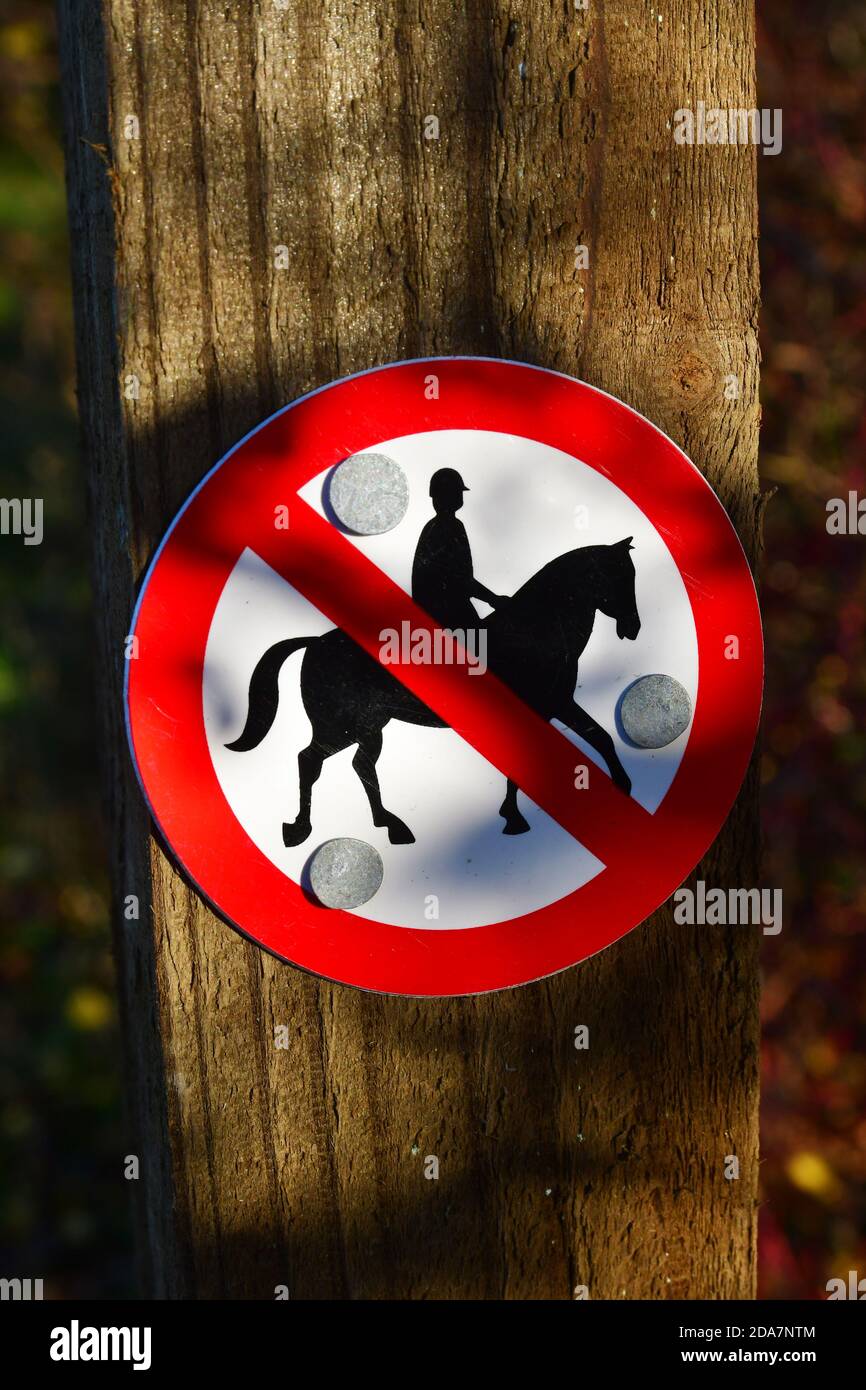
Knowing where you can legally horse ride protects you, your horse, and the countryside. Riding on public footpaths is not allowed in most of the UK, except in Scotland, unless you have special permission. Stick to bridleways and other legal routes for a safer, friendlier experience.
If you respect the rules, plan your rides, and stay polite, you’ll help keep the countryside open for everyone. Horse riding is a wonderful way to enjoy nature—just make sure you do it in the right places.
Credit: www.alamy.com
Frequently Asked Questions
Can I Ride My Horse On A Public Footpath In England?
No, you cannot legally ride your horse on a public footpath in England. Footpaths are for walkers only. Horse riders must use bridleways or byways.
What Should I Do If I Am Unsure Whether A Path Is A Bridleway Or Footpath?
Check a reliable map, like an Ordnance Survey map, or look for signs at the start of the path. If you’re still unsure, ask a local riding group or the local council before riding.
Are There Any Penalties For Riding A Horse On A Public Footpath?
Yes, you could be asked to leave by the landowner and may face a fine if local by-laws are in place. You could also be responsible for any damage caused.
Can I Ride My Horse On Public Footpaths In Scotland?
Yes, in Scotland, you have broader rights to ride on many paths, including footpaths, as long as you behave responsibly and follow the Scottish Outdoor Access Code.
How Can I Find More Bridleways Near Me?
You can use Ordnance Survey maps, online mapping apps, or ask local riding clubs. The British Horse Society and your local council may also have lists of legal routes for horse riding.