
Finding the right horse is an exciting journey, but it can also be overwhelming if you don’t know what to look for. Whether you’re new to riding or have years of experience, choosing a horse is a big decision. The horse you pick will shape your riding experience for years.
It’s not just about beauty or speed—matching the horse’s personality, abilities, and health to your needs is essential.
Many people fall in love with the first horse they see. But, just like in any partnership, taking time to understand your needs—and the horse’s needs—makes for a better match. This guide will help you navigate each step, from knowing your goals, understanding breeds, assessing temperament, to considering health and costs.
You’ll find practical advice, expert insights, and real examples to help you choose a horse with confidence. If you’re ready to start your search, or just want to know more, keep reading to make a smart, informed choice.
Know Your Riding Goals
Before you start meeting horses, be clear about what you want to do with your horse. This will guide every decision you make.
- Are you looking for a horse for pleasure riding on weekends?
- Do you want to compete in jumping, dressage, or western sports?
- Are you interested in trail riding, endurance, or simply enjoying time at the barn?
Each goal requires different skills and traits from a horse. A quiet, steady temperament is ideal for a beginner or family horse. Horses for jumping or racing need athleticism and energy, while trail horses should be calm and sure-footed.
Your goals may change over time, but knowing your starting point helps you avoid costly mistakes. For example, a spirited young thoroughbred might be too much for a beginner, but perfect for an experienced competitor.
Assess Your Skill And Experience
Matching a horse to your ability level is key to safety and enjoyment. Many accidents happen when riders overestimate their skills or underestimate the horse’s training needs.
- Beginner: If you’re just starting, look for a horse with a calm, forgiving nature. Many experts suggest a horse that is older and well-trained, as they are more predictable.
- Intermediate: If you can handle a few challenges, you might consider a horse that needs some tuning but is basically reliable.
- Advanced: Experienced riders can handle younger, greener horses or those with more spirit.
A common mistake is buying a young or “project” horse thinking you’ll grow together. In reality, both you and the horse need guidance. An experienced horse helps you learn, builds your confidence, and keeps you safe.
Understand Different Horse Breeds
Not all horses are the same. Breed influences size, temperament, suitability for certain sports, and even health. Here’s a comparison of some popular breeds and their typical uses:
| Breed | Size | Temperament | Best For |
|---|---|---|---|
| Quarter Horse | Medium | Calm, willing | Western, trail, beginner |
| Thoroughbred | Tall | Energetic, sensitive | Jumping, racing, advanced |
| Arabian | Medium | Alert, intelligent | Endurance, trail, experienced |
| Warmblood | Large | Steady, athletic | Dressage, jumping, advanced |
| Pony (e.g., Welsh, Shetland) | Small | Smart, sometimes stubborn | Children, light adults |
Breed is only one factor. Many horses of mixed breed make wonderful partners. Focus more on the individual’s nature, but knowing breed tendencies can help you narrow your search.
Age Matters: Choosing The Right Age Range
A horse’s age can tell you a lot about what to expect.
- Young (2-5 years): These horses are still learning. They need experienced riders and lots of training. They’re not usually suited for beginners.
- Prime (6-15 years): Often, these horses have enough training and are settled in their behavior. They can be ideal for most riders.
- Senior (16+ years): Older horses can be great for beginners, especially if they’re healthy and well-trained. They often have lower energy and lots of life experience.
One non-obvious point: A well-cared-for horse can stay active into its twenties. Don’t overlook an older horse just because of age. They can offer years of safe, enjoyable riding, especially for new riders.
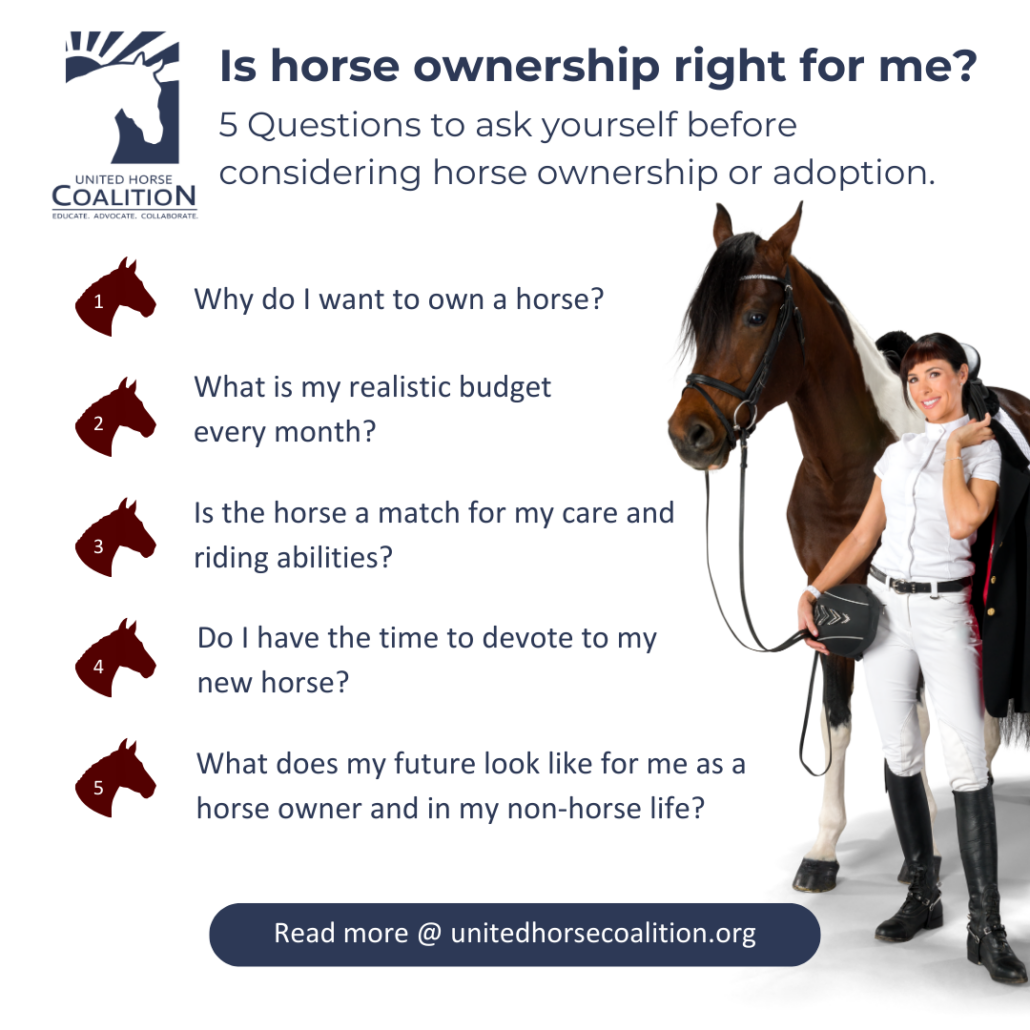
Credit: unitedhorsecoalition.org
Size And Rider Fit
The size of the horse should match the rider’s weight, height, and confidence. A common guideline is that a horse should carry no more than 15-20% of its own body weight, including the saddle and tack.
- Too small: The horse may struggle physically and develop back problems.
- Too large: The rider may feel insecure or have trouble handling the horse.
Try sitting on different horses. Notice how your legs hang, your balance, and your comfort. A good fit leads to better communication and safety.
Temperament And Personality
Every horse has its own personality. Some horses are naturally calm and steady, while others are energetic or nervous. Matching temperament is as important as physical ability.
- Calm and steady: Great for beginners or nervous riders.
- Energetic and alert: Good for sports, but may overwhelm a new rider.
- Sensitive: Responds quickly to cues; ideal for skilled riders.
Don’t just trust the seller’s description. Spend time with the horse, both in the stall and under saddle. Watch how they react to new things, loud noises, or unfamiliar people. Horses that are quick to spook or seem anxious may need an experienced handler.
A non-obvious insight: Sometimes, a horse is calm in one environment but nervous in another. Always try the horse in the location and type of work you plan to do.

Credit: horsesport.com
Health And Soundness
A healthy horse is a happier, longer-lasting partner. Before buying, have a trusted veterinarian perform a pre-purchase exam. This exam can reveal problems that aren’t obvious to the untrained eye.
Key areas to check:
- Legs and hooves: Look for swelling, heat, or uneven wear. Healthy legs and feet are critical, as lameness is a common reason horses are retired early.
- Eyes and teeth: Clear eyes and healthy teeth are signs of overall well-being.
- Breathing: Listen for coughs or labored breathing, which could signal deeper issues.
- Body condition: The horse should be neither too thin nor overweight.
A vet check may cost money, but it can save you from expensive surprises later. Some buyers skip this step and regret it when chronic issues appear.
Training Level
A horse’s training should match your experience. Even a healthy, well-bred horse can be a poor match if it doesn’t understand what you ask.
Basic training includes:
- Leading: Walks calmly on a lead rope.
- Tacking up: Accepts saddle and bridle without fuss.
- Mounting: Stands still for mounting and dismounting.
- Obedience: Responds to basic commands and stops when asked.
More advanced horses may know specific sports or tricks. Always ask for a demonstration from the seller, and try the horse yourself if possible.
A horse with gaps in training can be a challenge, especially for less experienced riders. Investing in a well-trained horse saves frustration and builds confidence.
Costs: More Than Just The Price Tag
Owning a horse involves many ongoing expenses. Buyers often focus on the purchase price, but monthly and yearly costs are much higher over time.
Here’s a quick overview of typical costs:
| Expense | Monthly Estimate | Yearly Estimate |
|---|---|---|
| Boarding | $300–$800 | $3,600–$9,600 |
| Feed and Bedding | $100–$300 | $1,200–$3,600 |
| Farrier (Hoof care) | $40–$150 | $480–$1,800 |
| Veterinary Care | $50–$150 | $600–$1,800 |
| Insurance | $20–$60 | $240–$720 |
| Lessons/Training | $100–$400 | $1,200–$4,800 |
| Tack/Equipment | Varies | $500+ |
Be sure to consider all these costs. Many owners are surprised by the ongoing bills. Also, unexpected vet emergencies can cost thousands of dollars.
Where To Find The Right Horse
You have several choices for where to find horses for sale:
- Private Sellers: Individual owners often know the horse’s history well.
- Reputable Dealers: Some specialize in matching horses with the right riders.
- Rescue Organizations: Offer horses needing homes, often at lower prices.
- Auctions: Riskier, as you may not know much about the horse’s background.
- Word of Mouth: Trainers, instructors, and other riders are great sources.
Wherever you look, take your time. Visit more than one horse and ask lots of questions. Never feel pressured to buy on the spot.
Red Flags And Common Mistakes
It’s easy to get swept up in excitement, but watch for warning signs:
- No trial ride: If the seller refuses to let you ride, walk away.
- Hidden history: Sellers who won’t share medical or training records.
- Too good to be true: Very low prices can signal health or behavior issues.
- Pushy sellers: If you’re pressured to buy quickly, be cautious.
- Unexplained lameness: Even a “slight limp” can mean major problems.
A common mistake is buying based on looks alone. Beautiful horses can have hidden issues. Always put suitability, health, and training first.
Try Before You Buy
Spending time with the horse before buying is important. Here’s what to do:
- Visit multiple times: Horses may act differently on different days.
- Ride in different settings: Try the horse in an arena, on trails, and around other horses.
- Observe handling: Watch the horse being caught, groomed, and tacked up.
- Ask for a trial period: Some sellers allow a trial at your barn.
This extra effort can reveal personality traits or issues you might miss in a short meeting.
Involve An Expert
Even experienced riders benefit from outside advice. Bring your instructor, trainer, or a trusted horse person with you. They can spot problems, ask good questions, and give honest feedback.
An expert’s opinion is especially helpful for beginners. They can also help you assess fit, training, and health, and give you confidence in your choice.
A non-obvious tip: Many trainers have connections to horses not officially for sale. Let them know you’re looking—they may know the perfect match.
Consider Your Location And Facilities
Not all horses are suited to all climates or living situations. Think about where the horse will live:
- Stabled: Needs regular exercise and interaction.
- Pasture: Some horses do well outdoors, others need shelter.
- Climate: Certain breeds handle heat or cold better than others.
If you plan to keep your horse at home, check your fencing, shelter, and access to hay and water. If you board at a stable, visit and ask about routines and care.
Matching Horse To Rider: A Summary
Choosing the right horse means balancing many factors:
- Your goals and skills
- The horse’s breed, age, size, and temperament
- Health and training
- Costs and care
- Where the horse will live
Take your time, ask questions, and get expert help. A good match leads to years of safe, happy riding.
Real-life Example: Matching For Success
Consider Emily, a beginner who dreamed of galloping on the beach. She first considered a flashy young thoroughbred. But after talking to her trainer, she chose a 16-year-old quarter horse who was calm and experienced. The horse taught her how to ride safely, and they built a strong bond.
Years later, Emily was ready for a more energetic horse, but she never forgot the lessons from her first wise match.
This story shows the value of patience and honest self-assessment. Sometimes, the horse you need is not the one you first imagine.
Questions To Ask Before Buying
Here are some questions to help you make an informed decision:
- Why is the horse being sold?
- How long have you owned the horse?
- What is the horse’s training and competition history?
- Has the horse had any health issues or injuries?
- What is the horse like with other horses, children, or new environments?
Don’t be afraid to ask tough questions. Honest sellers will appreciate a careful, committed buyer.
The Role Of Pre-purchase Exams
A pre-purchase exam by a veterinarian is the best way to avoid surprises. This exam usually includes:
- Physical exam
- Flexion tests on joints
- Eye and dental checks
- Hoof and leg assessment
- Sometimes x-rays or blood tests
Ask the vet to explain any findings and how they could impact the horse’s future. Even small issues can become big problems if not understood.
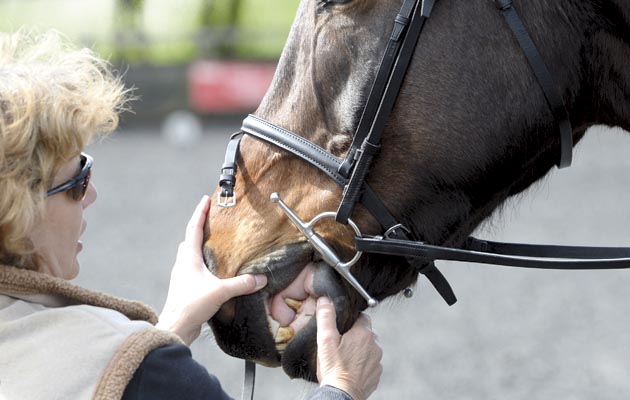
Credit: www.horseandhound.co.uk
After You Buy: Transition And Building Trust
Bringing a horse home is just the beginning. Allow time for your horse to settle in. Even experienced horses may act differently in a new place. Spend time grooming, walking, and talking to your horse. Build trust before asking for too much under saddle.
Work with your trainer to create a plan. Take things slowly and celebrate small successes. The first few months set the stage for your relationship.
When To Walk Away
Sometimes, the best decision is to keep looking. Walk away if:
- The horse’s behavior scares you
- The vet finds serious health issues
- The seller is dishonest
- The horse’s needs don’t match your resources
It’s better to wait for the right partner than rush into a poor match.
Useful Resources
For more in-depth information, consider visiting the Wikipedia Horse Page. You’ll find details on breeds, care, and horse history.
Frequently Asked Questions
What Is The Best Age For A First Horse?
Most experts recommend a horse between 10 and 16 years old for beginners. Horses in this range are usually mature, experienced, and less unpredictable than younger horses.
How Much Does It Cost To Own A Horse Per Year?
On average, expect to spend $3,000 to $10,000 per year, depending on where you live, the type of boarding, and medical needs. Emergency costs can add more, so always have a financial cushion.
Should I Buy A Mare, Gelding, Or Stallion?
For most riders, geldings are the safest choice. They tend to be calmer and more predictable. Mares can be great but sometimes have mood swings, especially during heat cycles. Stallions are usually not suitable for beginners due to their strong instincts.
Is It Better To Buy Or Adopt A Horse?
Both options have pros and cons. Adopting helps a horse in need and may be less expensive, but the horse may have an unknown history. Buying gives you more choice and information. Either way, focus on fit, not just price.
Can I Keep A Horse At Home?
Yes, if you have enough land, safe fencing, shelter, and access to water and food. Keeping a horse at home requires daily care and a backup plan for vacations or emergencies.
Making the right choice in your first or next horse is an investment in your safety, happiness, and growth as a rider. Use this guide, ask for help when needed, and you’ll be well on your way to a rewarding partnership.