
Investing in a race horse is a dream for many people who love the excitement of horse racing. The image of standing in the winner’s circle while your horse is celebrated can be thrilling. But is it worth it, or is it just a fantasy that can cost more than it gives back?
This is not a simple yes or no question. The answer depends on your goals, your finances, and how much risk you are willing to take.
Some people invest in race horses for potential profit, others do it for the passion and lifestyle. The world of horse racing is full of surprises, both good and bad. Many beginners focus only on big race winnings and famous owners, but there are many hidden details that most people never see.
In this article, you will get a clear, realistic view of what it means to invest in a race horse. You will learn about costs, returns, risks, and the unique experience of owning a racehorse.
Understanding Race Horse Investment
Before you spend any money, it’s important to know what investing in a race horse really means. It’s not like buying stocks or property. Here, you are investing in a living animal, with its own health, needs, and unpredictable results.
When you buy a race horse, you can do it alone or with other people. Some people buy the whole horse, while others buy a share (this is called a syndicate). You may choose a young horse that has never raced, or an older horse with a record. Each choice has different costs and risks.
The main ways to invest include:
- Sole Ownership – You buy and control the whole horse.
- Syndicate/Partnership – You buy a share and share the costs and winnings with others.
- Racing Clubs – You pay a fee for membership and get some owner benefits, but not real profits or decision power.
Many new investors don’t realize how much ongoing time and money is involved, even if you own only a small share.
The Costs Of Owning A Race Horse
The costs of race horse ownership are high and can surprise beginners. These expenses begin before your horse ever races and continue for as long as you own it.
Purchase Price
The first cost is buying the horse. Prices vary a lot:
- A young horse with no race record (a yearling) can cost anywhere from $10,000 to over $1 million.
- A proven racehorse can cost even more, depending on its success.
The average price for a thoroughbred yearling at auction in the US is around $60,000 (according to The Jockey Club).
Training Fees
After buying, your horse needs a professional trainer. This is the largest ongoing cost:
- Training fees usually range from $2,000 to $4,000 per month.
- This covers feeding, stabling, basic care, and exercise.
Over a year, training alone can cost $24,000 to $48,000.
Veterinary And Medical Expenses
Race horses are athletes, and they need regular medical care:
- Routine veterinary care: $3,000 to $5,000 per year
- Emergency treatments or surgery can quickly add thousands more.
Many owners forget to budget for injuries, which are common in racing.
Shoeing And Farrier Services
A race horse needs special shoes, changed every 4-6 weeks:
- Farrier costs: Around $1,200 to $2,400 per year.
Transportation
Horses need to travel to races, sometimes across the country:
- Local transport for one race: $300 to $1,000
- Long-distance or international travel can cost much more.
Entry Fees And Licensing
Every race has an entry fee, and you must also pay for owner and horse licenses:
- Entry fees: $300 to $1,000 per race, sometimes more for big races.
- Owner’s license: $100 to $500 per year, depending on the state or country.
Insurance
Race horses can be insured against death, injury, or loss of use:
- Insurance costs: Usually 3-5% of the horse’s value per year.
Summary Of Annual Costs
Here’s a quick view of average yearly costs for one horse:
| Expense | Estimated Yearly Cost (USD) |
|---|---|
| Training | 24,000 – 48,000 |
| Veterinary | 3,000 – 5,000 |
| Farrier | 1,200 – 2,400 |
| Insurance | 2,000 – 5,000 |
| Transport & Entry Fees | 5,000 – 10,000 |
| Total (excluding purchase) | 35,200 – 70,400 |
This table does not include the cost of buying the horse. For most owners, the yearly costs are higher than expected.
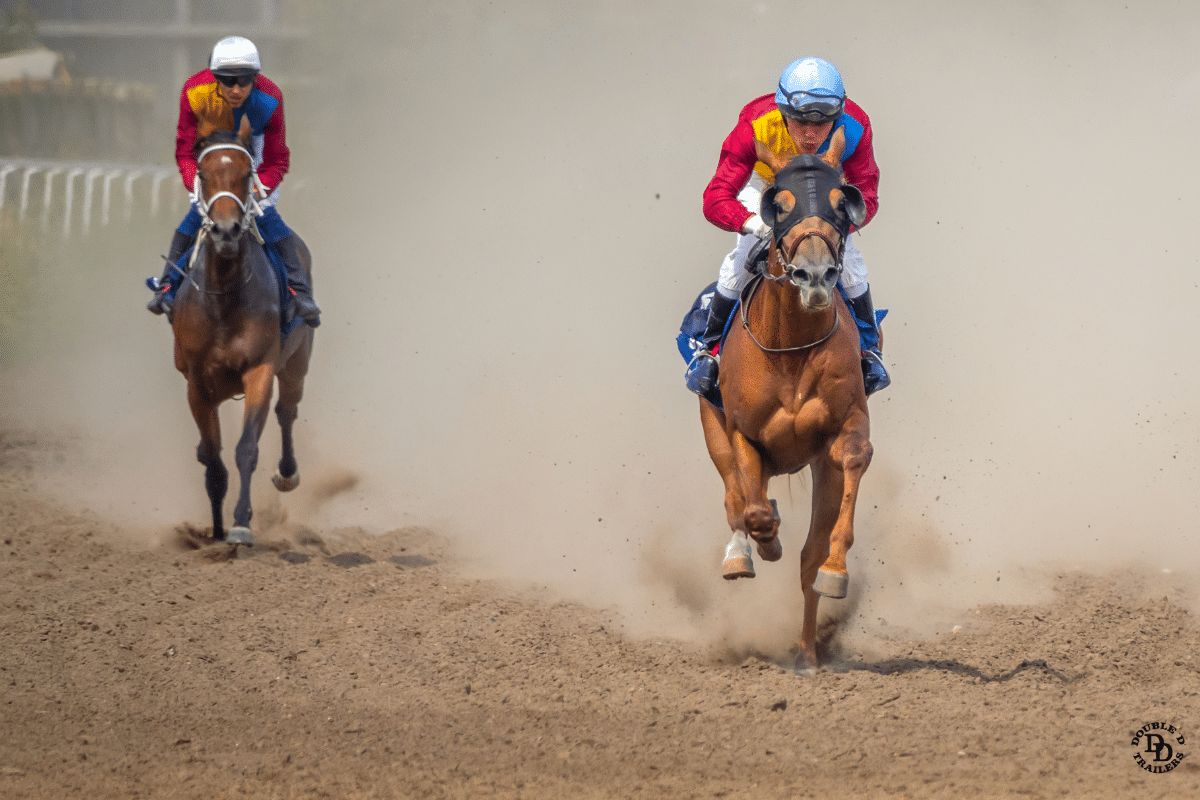
Credit: www.doubledtrailers.com
Potential Returns: How Much Can You Earn?
Many people are attracted by stories of big race winnings. But what are the real chances of making money?
Race Winnings (purse Money)
Race winners get a share of the prize money, called the purse. The amount depends on the race.
- In the US, the average purse per race is about $28,000.
- The winner usually gets 60% of this, second place about 20%, and third 10%.
- Most horses win little or nothing, especially in their first year.
If your horse races 8 times in a year and wins 2 small races, your total winnings might be $30,000–$40,000. This often does not cover yearly costs.
Selling The Horse
Some owners buy young horses, train them, and sell them for a profit (called pinhooking). This is risky because the horse could get injured or not improve as expected.
- Only a small number of horses sell for more than their purchase and training costs.
- Most horses sell for less, especially if they do not win major races.
Breeding Potential
If your horse wins big races or has a famous pedigree, it can become valuable for breeding.
- Top stallions can earn millions in stud fees.
- Most racehorses are not successful enough to breed for profit.
Comparing Returns And Costs
Let’s compare the possible average returns for an owner who has one horse for a year:
| Potential Income | Estimated Amount (USD) |
|---|---|
| Race Winnings | 10,000 – 40,000 |
| Sale Value Increase | 0 – 20,000 |
| Breeding (rare cases) | 0 – 100,000+ |
| Total Possible Income | 10,000 – 160,000 |
Most owners do not make a profit. Only a small percentage of horses earn enough to cover costs, and even fewer make large returns.
Risks And Uncertainties
Investing in a race horse is full of risk. Here are the main ones:
Injury And Health
Race horses are prone to injuries. A broken leg or other serious injury can end a horse’s career immediately. Insurance helps but cannot cover all losses.
Poor Performance
Not every horse becomes a winner. Even a horse with a good pedigree can fail to win races. This is often due to training, health, or just bad luck.
Market Fluctuations
The value of horses can change quickly. A horse that wins early may lose value if it stops winning or gets injured.
Legal And Regulatory Changes
Rules in horse racing can change, affecting race schedules, prize money, and even ownership rights. New regulations for animal welfare can also increase costs.
Syndicate And Partnership Risks
If you invest with others, you must trust your partners and managers. Conflicts or poor management can reduce your returns or even lead to legal trouble.
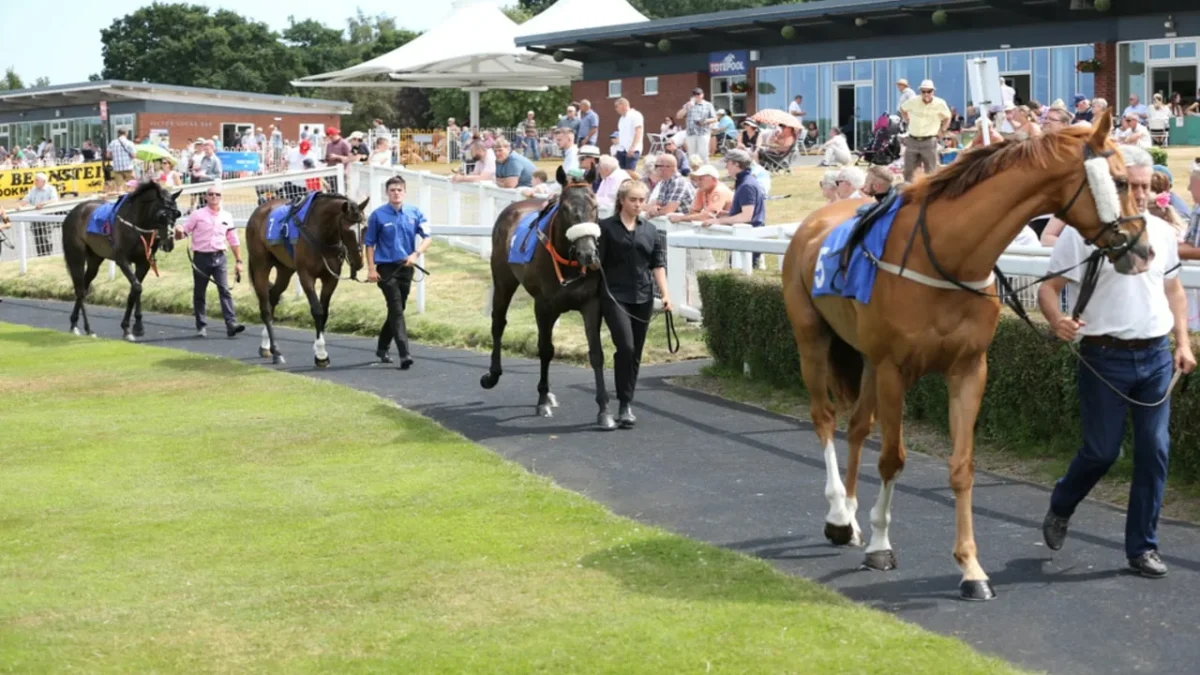
Credit: racingclub.com
Emotional And Lifestyle Benefits
Not all rewards from owning a race horse are financial. Many people invest for the experience and lifestyle.
Thrill Of Ownership
Watching your horse race is exciting. Owners get special access to tracks, paddocks, and even the winner’s circle. For some, this is more valuable than money.
Social Connections
Horse racing is a social sport. Owners meet other enthusiasts, trainers, and famous people. Many enjoy the friendships and connections.
Supporting A Tradition
Some owners invest to support the sport and its history. Horse racing has deep roots in many cultures.
Learning Opportunity
Owning a horse teaches you about animal care, training, and the business side of sports.
Common Mistakes Beginners Make
Many first-time investors make errors that cost them money and happiness. Here are some to avoid:
- Underestimating Costs – Many focus only on the purchase price and forget about yearly expenses.
- Ignoring Horse Quality – Not all horses are equal. Cheap horses often cost more in the long run.
- Choosing the Wrong Team – The trainer and manager are critical. Poor choices can lead to losses.
- Not Reading Contracts – Syndicates and partnerships have legal documents. Some people sign without understanding their rights and duties.
- Expecting Quick Profits – Horse racing is rarely a fast way to make money.
- Not Planning an Exit – Every owner should have a plan for what to do if the horse underperforms or is injured.
Many of these mistakes can be avoided by doing research and talking to experienced owners.

Credit: racingclub.com
The Role Of Syndicates And Partnerships
For most people, buying a whole horse is too expensive and risky. That’s why syndicates and partnerships are popular.
- In a syndicate, a group shares costs, risks, and winnings.
- You may own a small percentage, such as 5% or 10%.
- Syndicates are managed by professionals who select the horse, hire trainers, and handle paperwork.
Advantages
- Lower cost per person
- Shared risk
- Learn from experts
- Meet other owners
Disadvantages
- Less control over decisions
- Winnings are shared, so individual returns are smaller
- Potential for conflict with other members
If you are new to horse racing, a syndicate is a safer way to start.
How To Start Investing In A Race Horse
If you decide to go ahead, follow these steps for a better chance of success.
1. Define Your Goals
Are you seeking profit, fun, or a bit of both? Your goals will shape your choices.
2. Set Your Budget
Decide how much you can afford to lose. Do not invest more than you are prepared to lose.
3. Research Syndicates
Look for established, well-reviewed syndicates. Ask for references and check their track record.
4. Visit The Stables
See the horses and meet the trainers. Ask questions about care, training, and race plans.
5. Read All Documents
Review contracts and understand fees, rights, and responsibilities. Ask a lawyer if you are unsure.
6. Stay Involved
Attend races, watch training, and follow your horse’s progress. The more you know, the better your experience.
Comparing Investment Options
To help you decide, here’s a quick comparison of the three main ways to invest:
| Investment Type | Cost | Risk | Control | Potential Return |
|---|---|---|---|---|
| Sole Ownership | High | High | Full | High |
| Syndicate/Partnership | Medium | Medium | Shared | Medium |
| Racing Club | Low | Low | None | Low |
This table shows why syndicates are a popular choice for new investors.
Practical Tips For First-time Investors
If you are thinking about investing in a race horse, here are some actionable tips:
- Start Small – Begin with a small share in a syndicate before committing big money.
- Choose Quality Over Quantity – One good horse is better than several weak ones.
- Meet the Trainer – The trainer’s reputation and skills are key to your horse’s success.
- Budget for Surprises – Always keep extra funds for unexpected costs.
- Stay Patient – It can take time for a horse to start winning.
- Keep Emotions in Check – Don’t fall in love with a horse or a dream. Make decisions based on facts.
Many successful owners started small, learned the business, and grew their involvement over time.
Realistic Expectations: Is It Worth It?
So, is it worth investing in a race horse? The answer depends on your personal goals and resources.
- If you want a financial investment with high returns, horse racing is very risky and not recommended.
- If you want excitement, social connections, and a unique hobby, it can be very rewarding.
- Most owners lose money or break even, but they gain a special experience that cannot be bought elsewhere.
One non-obvious insight: Some owners use race horse investment as a way to network with business leaders and celebrities. The value of these connections can be greater than any race winnings.
Another insight: The “ownership” experience can be life-changing for families, especially if children are involved in the care and racing of the horse.
Frequently Asked Questions
How Much Does It Cost To Invest In A Race Horse?
The price depends on whether you buy a full horse or a share. A full horse can cost $10,000 to over $1 million just to buy, plus annual costs of $35,000 to $70,000. Syndicate shares start as low as $1,000 to $5,000 plus monthly fees.
What Are The Chances Of Making A Profit?
Most owners do not make a profit. Only about 10% of horses earn enough to cover costs. The rest lose money or break even. Success depends on the horse’s ability, races entered, and luck.
Can I Invest Without Horse Experience?
Yes. Many syndicates are designed for beginners and provide education and support. However, you should still research and understand the risks before investing.
What Happens If The Horse Is Injured Or Underperforms?
If your horse is injured, it may need to retire or be sold. Insurance can cover some losses, but not all. If the horse does not win, you may lose money. Having an exit plan is important.
Where Can I Learn More About Horse Racing Investment?
You can read more on the Wikipedia page for Thoroughbred racing or visit local racetracks and talk to owners and trainers.
Investing in a race horse is not for everyone. It can be expensive and risky, but it can also bring excitement, new friends, and special memories. If you go in with clear goals, a realistic budget, and a love for the sport, it may be one of the most rewarding adventures you ever try.