
Controlling a horse is both an art and a science. For thousands of years, people have worked with horses for transport, farming, sport, and companionship. But how do people actually control such a large, strong animal? The answer is not just about pulling on reins or kicking with your heels.
It’s about communication, understanding, and trust. Horses are sensitive creatures. They respond to small signals, body language, and the rider’s confidence. If you want to understand horse control deeply, you need to look at the tools, the techniques, the rider’s mindset, and the horse’s nature.
Understanding The Horse’s Mind
Before talking about methods and tools, it’s important to see things from the horse’s point of view. Horses are prey animals. In the wild, they survive by noticing tiny changes and reacting quickly. This makes them very aware of their surroundings and the people around them.
When controlling a horse, you are not forcing it to obey. You are guiding it, using signals it can understand.
Horses learn from pressure and release. When you apply gentle pressure (with your legs, hands, or body weight), the horse moves to remove that pressure. When it does the right thing, you stop the pressure. This teaches the horse what you want. Timing is everything. If you release pressure at the wrong time, the horse gets confused. That’s why good riders pay attention to every detail.
One insight many beginners miss: horses can feel a fly land on their skin. So you don’t need to use force. Often, less is more. Small, clear signals work better than strong, confusing ones.
Basic Tools For Controlling Horses
People use different equipment to communicate with horses. Each tool has a purpose, and using them correctly is key for safety and understanding.
Reins, Bits, And Bridles
The reins connect your hands to the horse’s mouth through the bit and bridle. The bit sits in the horse’s mouth and is held by the bridle, which goes over the horse’s head. By moving the reins, you can ask the horse to turn, stop, or slow down.
There are many types of bits. Some are gentle, some are strong. The type you use depends on the horse’s experience and sensitivity. For example, a simple snaffle bit is good for beginners and gentle horses. More complex bits are used by advanced riders or for training difficult horses.
Saddles And Stirrups
The saddle helps the rider sit comfortably and securely. It also spreads the rider’s weight, so the horse is not hurt. There are different types of saddles for different jobs, like jumping, racing, or working cattle.
Stirrups are the loops where the rider puts their feet. They give balance and help the rider use their legs for signals.
Halters And Lead Ropes
When leading a horse by hand, you use a halter (goes on the horse’s head) and a lead rope. This is for ground control, not riding. You can guide the horse’s direction and ask it to stop, back up, or move sideways.
Whips And Spurs
A whip or crop is a short stick used to reinforce leg signals. It’s not for punishment, but for clear communication. Spurs are small metal tools worn on the heels. They give more precise leg signals. Both should be used with care. Misuse causes fear or pain, not respect.
Comparison Of Common Horse Control Tools
Below is a simple comparison of three basic tools:
| Tool | Main Purpose | Who Uses It | Risk of Misuse |
|---|---|---|---|
| Reins & Bit | Steering, stopping | All riders | Mouth pain, confusion |
| Saddle & Stirrups | Balance, comfort | All riders | Back pain if poorly fitted |
| Whip/Crop | Signal reinforcement | Intermediate, advanced | Fear, stress |
Key Techniques For Controlling Horses
Good riders do more than just use tools. They use their whole body to communicate. Here are the main ways people control horses, both on the ground and while riding.
Ground Control
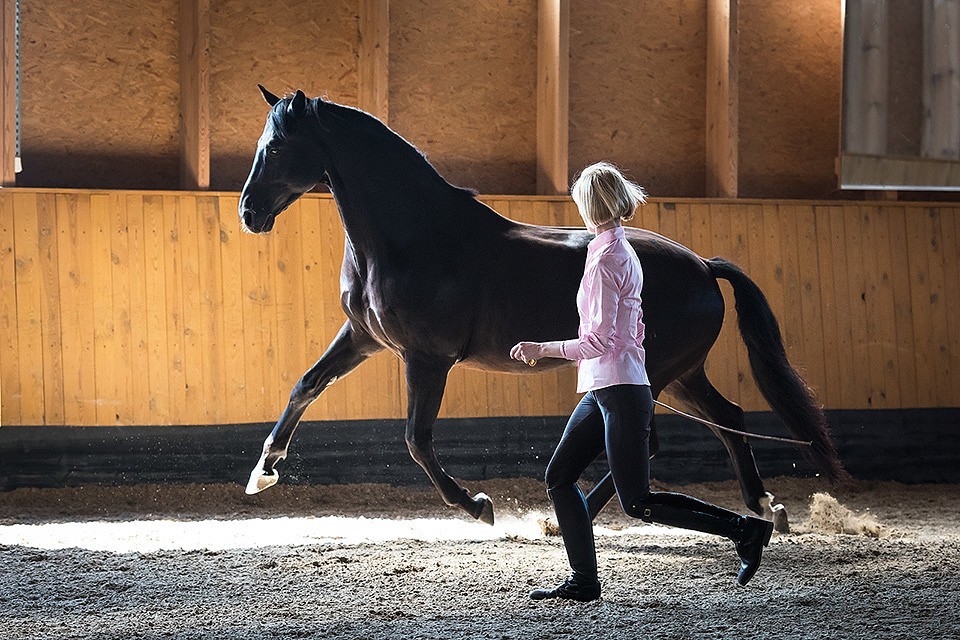
Before you ride, you need to control the horse from the ground. This builds respect and trust.
- Leading – Walk beside the horse’s shoulder, not in front or behind. Use the lead rope and your body to guide the horse.
- Backing Up – Use a gentle push on the chest or a wiggle of the rope. Step toward the horse to ask it to move back.
- Yielding the Hindquarters – Touch or point at the horse’s hip. This teaches the horse to move its back end away from you, which is important for safety.
These ground skills are the foundation. Horses that respect you on the ground are easier to control when you ride.
Riding Control
When riding, there are three main aids: hands, legs, and seat.
Hands
Your hands use the reins to guide the horse’s head. To turn, gently pull one rein to the side. To stop, close your fingers and gently pull back. Never yank or pull hard—this causes pain and confusion.
Legs
Your legs ask the horse to move forward, speed up, or move sideways. Squeeze gently with both legs to go forward. Use one leg to ask for a turn or side step. The horse feels even a light touch.
Seat
Your seat (how you sit and shift your weight) tells the horse a lot. Sitting deep and still means “slow down” or “stop. ” Leaning forward or lightening your seat says “go faster. ” Good riders use their seat more than their hands.
Voice
Horses can learn to respond to simple voice commands like “walk,” “trot,” “whoa” (stop), or “back. ” Consistency is important. Say the same word in the same tone each time.
Putting It All Together
Controlling a horse is about using all these aids together. For example, to ask for a left turn:
- Look left with your head and shoulders.
- Bring your left rein slightly toward your hip.
- Press with your right leg behind the girth.
- Shift your weight slightly to the left.
The horse feels all these signals at once. It’s like a silent conversation.
Types Of Riding: English Vs. Western
Different riding styles use different methods and equipment. The two main styles are English and Western. Each has its own way of controlling horses.
Key Differences Between English And Western Riding
| Feature | English Riding | Western Riding |
|---|---|---|
| Saddle | Smaller, closer contact | Larger, horn for roping |
| Reins Use | Both hands | One hand (often) |
| Bit Type | Snaffle, double bridle | Shank bit, curb bit |
| Common Activities | Jumping, dressage | Roping, reining |
In Western riding, the rider often holds the reins in one hand and guides the horse with neck reining (moving the rein against the neck). In English, the reins are held in both hands for precise control.
Training Methods: From Basics To Advanced
Controlling a horse well starts with good training. There are different ways to train horses, but all good methods focus on clear signals, patience, and trust.
Natural Horsemanship
This method uses the horse’s natural instincts and body language. The rider acts like the leader of the herd, using gentle pressure and release. The goal is to work with the horse’s mind, not just its body.
Traditional Training
This method uses more structured exercises, often with more equipment. It’s common in competitive sports like dressage or show jumping. Both methods can be effective if the rider is kind and consistent.
Common Horse Training Steps
| Step | Purpose | Time Needed |
|---|---|---|
| Desensitizing | Reduce fear of new things | Days to weeks |
| Groundwork | Teach respect, basic moves | Ongoing |
| Ridden Work | Teaching riding aids | Months to years |
Many beginners think training ends when the horse is “broke to ride. ” In reality, training never ends. Every ride is a lesson.
Rider’s Mindset And Body Language
Controlling a horse is not just about tools and training. Your attitude and body language matter. Horses are experts at reading people. If you are nervous, the horse feels it. If you are calm and clear, the horse relaxes.
Confidence does not mean being bossy or strong. It means being sure of what you ask. If you hesitate or change your mind, the horse gets confused. Consistency builds trust. Horses follow leaders who are fair and predictable.
Another hidden insight: horses learn from patterns. If you do the same thing the same way, the horse understands faster. If you change the rules often, the horse gets worried and may not listen.

Credit: www.wikihow.com
Common Mistakes In Controlling Horses
Even experienced riders make mistakes. Here are some common ones to avoid:
- Pulling too hard on the reins – This causes pain and makes the horse fight the bit.
- Kicking or squeezing too hard – Horses respond to light signals. Too much pressure makes them dull.
- Mixed signals – Asking the horse to go forward with your legs while pulling back with your hands confuses the horse.
- Losing patience – Horses learn at their own speed. Rushing or getting angry only makes things worse.
- Ignoring the horse’s signals – Horses talk with their ears, eyes, and body. Pay attention to what your horse is telling you.
The Role Of Experience And Practice
No one becomes a skilled horse handler overnight. It takes practice, observation, and patience. Watching experienced riders, taking lessons, and spending time with different horses can help you learn faster.
One tip: ride many different horses, not just one. Each horse has a unique personality and way of moving. This makes you a better, more adaptable rider.
Credit: onehorselife.com
Safety Tips When Controlling Horses
Horses are large, strong animals. Safety should always come first.
- Always wear a helmet when riding.
- Check your equipment before every ride.
- Lead and ride with awareness, especially around other horses.
- Never stand directly behind a horse; they can kick if startled.
- Be gentle and patient. Fear and pain are dangerous for both horse and rider.
Frequently Asked Questions
How Do Reins Actually Control A Horse?
Reins connect your hands to the horse’s mouth through the bit. When you pull or move the reins, the bit applies pressure to the horse’s mouth. The horse learns to move away from this pressure, turning, stopping, or slowing down as needed.
Can You Control A Horse Without A Bit?
Yes, some riders use bitless bridles or just a halter. The control comes from pressure on the horse’s nose or face, not the mouth. This requires good training and experience, as some horses are harder to control this way.
What Is The Safest Way For A Beginner To Control A Horse?
Beginners should start with a calm, trained horse and use simple, gentle equipment. Working with a qualified instructor helps avoid mistakes. Always focus on safety and clear, calm signals.
Do Horses Understand Voice Commands?
Horses can learn to respond to voice commands if trained consistently. Words like “walk,” “trot,” “canter,” and “whoa” are common. The tone of your voice also matters.
Where Can I Learn More About Horse Control Methods?
You can find helpful guides, videos, and courses on equestrian websites and local riding schools. The Wikipedia Horsemanship page offers more details and history.
Controlling a horse is a partnership. It requires knowledge, patience, and respect. By learning how to use your body, tools, and signals, you can build a strong, safe relationship with your horse. Every ride is a chance to improve and understand these amazing animals better.

Credit: www.wikihow.com