
Controlling a horse may look simple to those watching from the outside, but it is a blend of skill, communication, and trust. Whether you see riders in movies, sports, or daily life, the way people guide horses is both an art and a science.
Horses are strong, sensitive animals. They can move fast, jump high, and carry heavy loads, but they rely on their human handlers for direction. Every movement, signal, and tool serves a purpose. Understanding how people control horses helps you appreciate the deep bond between horse and rider, and shows why mastering horse control takes patience, practice, and knowledge.
Basics Of Horse Communication
Humans control horses through a mix of body language, voice commands, and physical aids. Horses are prey animals; their instincts make them very aware of their surroundings. They notice small changes—such as a shift in weight, a touch, or a sound. Riders and handlers use these instincts to guide the horse’s actions.
Body Language
Horses read human body language very well. Standing tall, moving calmly, and approaching from the side rather than directly from the front tells a horse you are not a threat. Even without equipment, handlers can direct horses using gestures and posture. For example, stepping toward the horse’s shoulder often makes it move away, while stepping back encourages it to move forward.
Voice Commands
Simple voice commands are used to control horses. Words like “walk,” “trot,” “whoa,” and “back” signal the horse to start, stop, speed up, or move backward. Horses learn to recognize the tone and rhythm of the rider’s voice. Over time, some horses even respond to their name or soft sounds.
Physical Aids
Most control comes from physical aids—tools and actions that guide the horse. The main aids are hands, legs, seat (how the rider sits), and tools like reins and saddles. These aids help the rider send clear, precise signals.
Main Tools And Equipment
Riders and handlers use specialized equipment to control horses safely and effectively. Each tool serves a unique purpose and helps improve communication.
Reins
Reins are straps attached to the bit (a metal piece in the horse’s mouth) and held by the rider. Pulling or loosening the reins sends signals to the horse’s mouth, telling it to turn, stop, or slow down. The pressure must be gentle; harsh pulling can cause pain and confusion.
Bits
The bit is a metal piece that sits in the horse’s mouth. It connects to the reins. There are many types of bits, each designed for different training levels or riding styles. Some bits are mild, others are strong. Choosing the right bit is important for both control and horse comfort.
Saddles
A saddle lets the rider sit safely and comfortably. It also helps distribute weight across the horse’s back, reducing injury. Different saddles suit different activities: racing, jumping, or working on a farm. Saddles are secured with a girth, a strap that goes around the horse’s belly.
Bridles
A bridle holds the bit in place and helps with rein control. It fits over the horse’s head and often includes a browband, noseband, and cheekpieces.
Halters And Lead Ropes
Handlers use a halter (a headgear without a bit) and lead rope to guide horses on the ground. These are used for walking, training, or moving horses from place to place. Halters provide gentle control, but are not used for riding.
| Equipment | Main Purpose | Common Use |
|---|---|---|
| Reins | Steering, stopping | Riding |
| Bit | Directing mouth | Riding |
| Saddle | Support for rider | Riding, working |
| Bridle | Holding bit, rein control | Riding |
| Halter | Ground control | Walking, training |

Credit: www.wikihow.com
Main Riding Techniques
Riders use special techniques to control horses, combining equipment, body movement, and signals.
Direct Rein
The direct rein method involves pulling one rein toward the rider’s hip to turn the horse’s head and body in that direction. For example, pulling the right rein makes the horse turn right. This method is common for beginners.
Indirect Rein
With indirect rein, the rider moves the rein across the horse’s neck. Instead of pulling directly, the rein presses against the neck, causing the horse to turn away from the pressure. This technique requires more skill and is used in advanced riding.
Leg Aids
Leg aids are signals sent by squeezing or pressing the rider’s legs against the horse’s sides. Pressing gently can ask the horse to move forward, while shifting weight or pressing one leg tells the horse to turn or move sideways.
Seat And Weight
How the rider sits and shifts weight affects the horse. Leaning forward encourages faster movement; sitting deeper signals slowing down. Riders learn to use their seat and weight to send subtle cues.
Combining Aids
Experienced riders combine all aids—hands, legs, seat, and voice—for smooth, precise control. For example, to ask for a trot, a rider might squeeze with their legs, say “trot,” and sit lightly.
| Technique | Signal | Common Result |
|---|---|---|
| Direct Rein | Pulled toward hip | Turns horse |
| Indirect Rein | Across neck | Turns horse gently |
| Leg Aids | Squeeze, press | Move forward/sideways |
| Seat/Weight | Lean, shift | Speed up/slow down |
Training Horses For Control
Controlling a horse starts with training. Horses are not born knowing how to respond to human signals. Training shapes their behavior and builds trust.
Groundwork
Groundwork is the first step. Handlers teach horses basic commands while standing on the ground. The horse learns to walk, stop, turn, and back up by following the handler’s signals. This builds respect and understanding before riding begins.
Desensitization
Horses can be nervous about new sights or sounds. Desensitization teaches them to stay calm around strange objects, noises, or movements. This step reduces fear and prepares horses for riding in busy or unfamiliar places.
Longeing
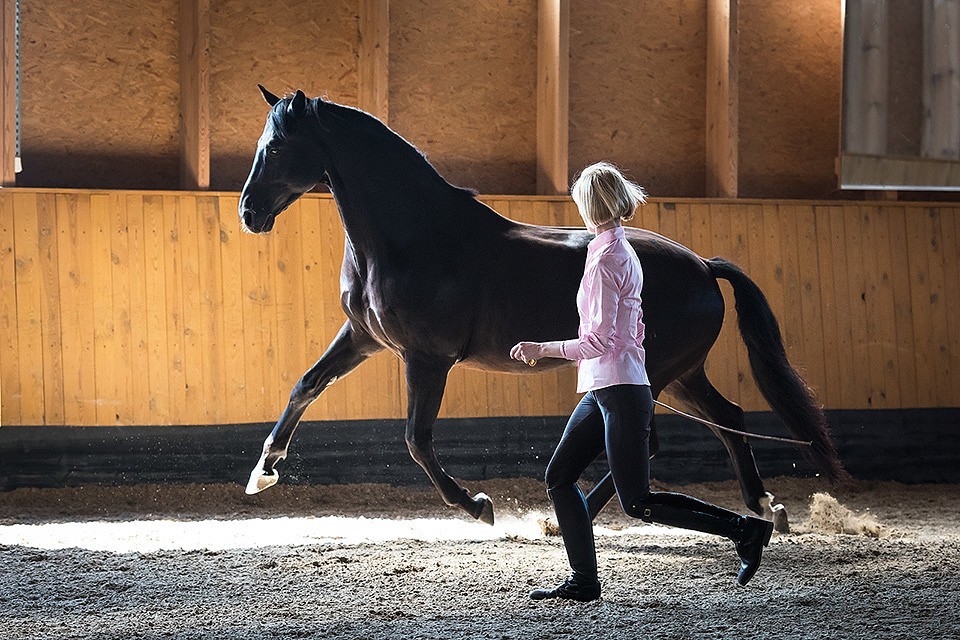
Longeing involves guiding the horse in circles using a long rope. The handler uses voice commands and body language. Longeing improves fitness and obedience, and helps horses learn to follow signals from a distance.
Saddle And Bridle Training
Horses must get used to wearing a saddle and bridle. Trainers introduce these slowly, making sure the horse is comfortable. Some horses accept equipment quickly; others need more time. Patience is important.
Riding Practice
Once trained on the ground, horses begin riding practice. Riders start with simple exercises, gradually increasing difficulty. Each session builds skill and trust.
Credit: onehorselife.com
Types Of Horse Control
There are many ways to control horses, depending on the activity and rider’s skill.
Western Riding
Western riding uses wide saddles and simple rein techniques. Riders often guide the horse with one hand on the reins and use their weight and legs for control. This style is popular in the United States for ranch work and rodeos.
English Riding
English riding uses smaller saddles and more precise signals. Riders use both hands on the reins and combine leg, seat, and hand aids. This style is common in jumping, dressage, and racing.
Driving Horses
People can control horses from the ground by driving them. Horses pull carts, wagons, or carriages. Drivers use long reins and voice commands to guide the horse’s speed and direction.
Bareback Riding
Riding without a saddle is called bareback riding. The rider relies on balance and leg signals, without the support of a saddle. Bareback riding teaches sensitivity and improves the rider’s connection with the horse.
Therapeutic Riding
Some programs use horses for therapy. Riders with physical or mental challenges learn basic control. Horses are trained to be gentle and responsive. These sessions focus on safety and simple signals.
| Control Type | Main Features | Typical Use |
|---|---|---|
| Western Riding | One-handed reins, leg aids | Ranch work, rodeo |
| English Riding | Two-handed reins, precise aids | Jumping, dressage |
| Driving | Long reins, voice commands | Carriages, carts |
| Bareback | No saddle, balance | Training, fun |
| Therapeutic | Gentle, safe, basic aids | Therapy sessions |
Common Mistakes And Safety Tips
Controlling a horse is not always easy. Beginners often make mistakes, but understanding these can help you stay safe and improve quickly.
Mistakes Beginners Make
- Too much rein pressure: Pulling too hard can hurt the horse and cause confusion.
- Poor posture: Slouching or leaning incorrectly makes signals unclear.
- Mixed signals: Using hands, legs, and voice at the same time without coordination confuses the horse.
- Ignoring horse’s reactions: Not noticing when a horse is scared or uncomfortable leads to loss of control.
- Skipping groundwork: Trying to ride before training the horse on the ground often causes problems.
Safety Tips
- Always wear a helmet when riding.
- Check equipment for damage before use.
- Approach horses calmly and from the side.
- Start with simple commands and build up slowly.
- Never stand behind a horse; they may kick if startled.
Two key insights beginners often miss:
- Horses often mirror their handler’s emotions. If you are nervous, the horse may become nervous too.
- Consistency is crucial. Using the same signals every time helps the horse learn faster and feel secure.
:max_bytes(150000):strip_icc()/equine-therapy-mental-health-treatment-4177932-5c4e40ffc9e77c0001d7bae6.png)
Credit: www.verywellmind.com
Advanced Horse Control
Controlling a horse can reach advanced levels. In sports like dressage, riders use subtle signals and almost invisible movements. Professional trainers teach horses to respond to tiny shifts in weight or changes in breathing. Some riders compete in events where the horse must perform complex maneuvers without visible commands.
Experienced handlers can even control horses without a bit or saddle, using only body language and soft cues. This level of communication takes years to master but shows how deep the bond between human and horse can be.
The Bond Between Human And Horse
Control is not just about tools and techniques. The bond between human and horse is the foundation of good control. Horses need to trust their handler. Trust builds over time, through gentle training and positive experiences. Riders who spend time grooming, feeding, and walking their horses develop stronger relationships.
This bond allows for better communication. Horses who trust their handlers are more relaxed, easier to guide, and less likely to panic. Many riders say their horse can “read their mind” after years together. While this is not literally true, it shows how powerful the connection can be.
Frequently Asked Questions
How Do Reins Control A Horse?
Reins send signals to the horse’s mouth through the bit. Pulling gently on the reins asks the horse to stop or turn. The direction and pressure tell the horse what to do. Riders must use reins softly to avoid hurting the horse.
Can You Control A Horse Without A Bit?
Yes, you can control a horse with a bitless bridle or even just a halter. These methods use pressure on the horse’s head and face instead of the mouth. Some riders train their horses to respond to voice commands and body language only.
Why Do Riders Use Their Legs To Guide Horses?
Leg aids are important because the horse feels the rider’s legs against its sides. Squeezing, pressing, or shifting weight with the legs tells the horse to move forward, turn, or change direction. Using legs makes signals clearer and helps with balance.
Is Horse Control Different In Sports?
Yes, horse control varies by sport. In dressage, riders use very precise, subtle signals. In racing, control focuses on speed and direction. In rodeos, control must be fast and strong to manage quick movements. Each sport trains horses differently.
How Long Does It Take To Learn To Control A Horse?
Most people need several months to learn basic horse control. To become skilled, it can take years of practice and training. Progress depends on the rider’s commitment, the horse’s temperament, and the quality of instruction.
Controlling a horse is a journey that blends knowledge, skill, patience, and care. The more you learn about horse control, the deeper your respect grows for these amazing animals and their handlers. If you want to explore horse riding or handling, start with groundwork, build trust, and never stop learning. For more detailed information on horse equipment and training, you can visit Wikipedia.