
Are you thinking about owning a horse but wondering how much it will really cost you? Understanding the price of horses in the USA is key before making this big decision.
Whether you want a horse for riding, competition, or simply as a companion, knowing the costs involved can save you time and money. You’ll discover the real price ranges, hidden expenses, and tips to get the best value. Keep reading to find out what owning a horse might mean for your budget and lifestyle.

Credit: www.successful-horse-training-and-care.com
Factors Influencing Horse Prices
Horse prices vary widely across the USA. Several key factors influence how much a horse costs. Understanding these helps buyers make better choices. Each factor plays a big role in setting the price.
Breed And Bloodline
Breed affects horse prices a lot. Some breeds are rare or very popular. This raises their market value. Bloodline also matters. Horses from strong family lines often cost more. Good bloodline means better traits and abilities.
Age And Training Level
Age changes horse prices significantly. Younger horses may cost less but need more training. Older horses with training can be more expensive. Training level shows how well a horse behaves. Well-trained horses fit better for specific jobs.
Health And Condition
Healthy horses have higher prices. Buyers want animals free from illness or injury. Condition includes weight, coat, and fitness. Horses in good shape sell faster and for more money. Vet checks often confirm health before buying.
Purpose And Discipline
Horses used for sports or work vary in price. Competition horses often cost more than leisure horses. Different disciplines like racing or dressage change value. Buyers pay extra for horses suited to their needs. Purpose guides the final price tag.
Average Costs By Horse Type
Horses come in many types, and their prices vary a lot. Knowing the average cost by horse type helps buyers plan better. Each type has unique traits that affect its price. Some are good for work, others for sport or pets.
Quarter Horses
Quarter Horses are popular in the USA. They are strong and fast over short distances. Their average price ranges from $3,000 to $8,000. Well-trained or show-quality horses can cost more. They suit riders who want a versatile, reliable horse.
Thoroughbreds
Thoroughbreds are known for racing and speed. These horses often cost between $5,000 and $20,000. Prices rise for racing champions or trained horses. They need experienced riders and regular exercise. Many buyers choose them for sport and competition.
Warmbloods
Warmbloods are large and strong horses. They are common in dressage and jumping sports. Prices usually fall between $10,000 and $50,000. High-level competition horses can cost much more. They require skilled care and training.
Ponies And Miniature Horses
Ponies and miniature horses are smaller and easier to handle. They are popular with children and hobby riders. Prices range from $1,000 to $5,000 on average. Some rare breeds or trained ponies may cost more. They make great pets and beginner horses.
Additional Expenses Beyond Purchase
Buying a horse is just the start. Many costs come after the purchase. These costs keep your horse healthy and happy. Knowing these expenses helps you plan your budget well.
Veterinary Care
Regular vet visits are important for your horse’s health. Vaccinations, dental care, and check-ups are needed yearly. Emergency care can be costly and unexpected. Budget for routine and emergency vet bills.
Feed And Bedding
Horses eat a lot every day. Hay, grains, and supplements keep them strong. Bedding like straw or shavings provides comfort in the stall. These supplies need regular buying and can add up quickly.
Farrier Services
Horses need their hooves trimmed every six to eight weeks. Some also need shoes, which cost more. A good farrier helps avoid hoof problems and pain. Farrier fees are a regular and necessary expense.
Training And Boarding
Training improves your horse’s skills and behavior. Board fees cover stable care if you don’t keep your horse at home. Both training and boarding costs vary by location and service. These expenses can be significant for many owners.
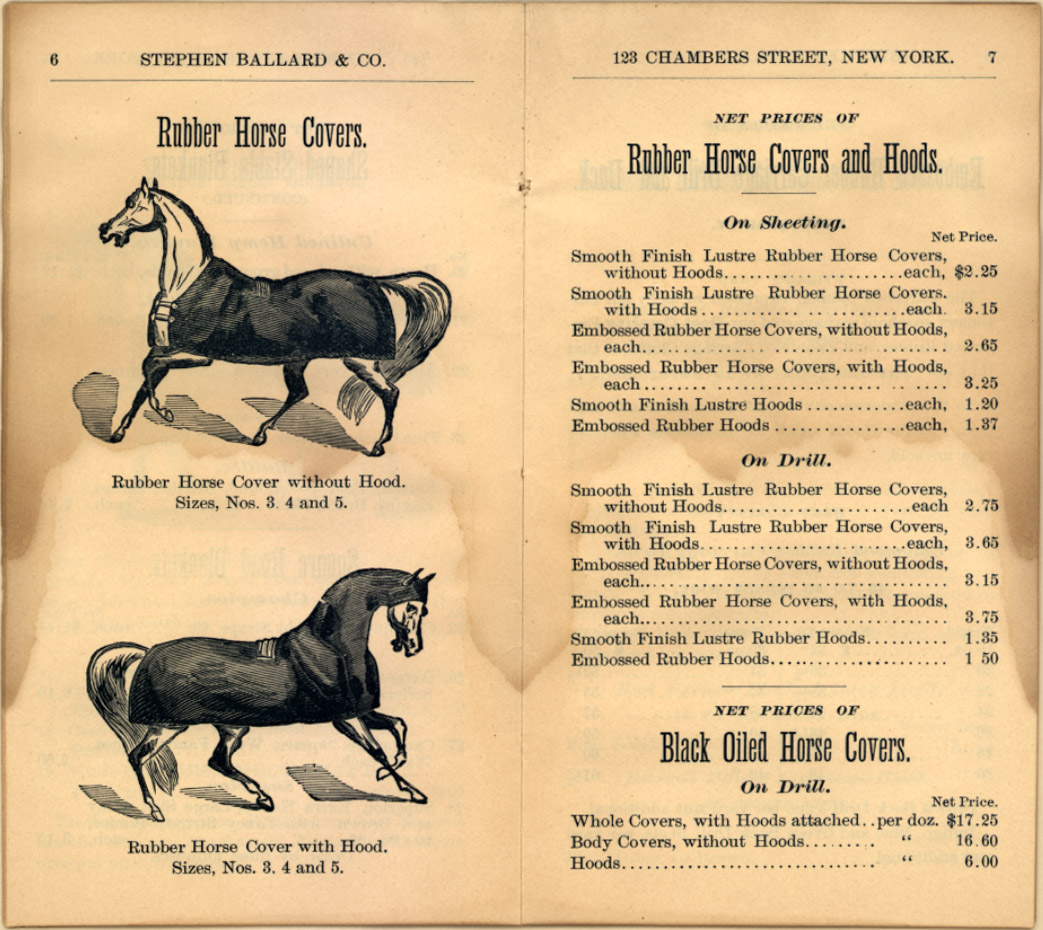
Credit: library.duke.edu
Where To Buy Horses In The Usa
Buying a horse in the USA offers many options. Each option has its own benefits and challenges. Knowing where to buy helps you find the right horse for your needs and budget. Horses vary widely in price depending on breed, age, and training. Here are some common places to buy horses in the USA.
Private Sellers
Private sellers often list horses for sale in local ads or online groups. This option lets you meet the horse before buying. Sellers can provide detailed history and care information. Prices may be lower than other sources. Private sales require careful inspection and sometimes a vet check.
Auctions
Auctions offer a chance to buy horses quickly. Many types of horses appear at auctions, from young to trained. Prices can be lower or higher depending on demand. Auctions can be fast-paced and competitive. It is important to watch the horses closely and set a budget.
Breeders
Breeders sell horses directly from their farms. They often specialize in specific breeds or bloodlines. Buying from a breeder usually means healthy, well-bred horses. Prices reflect quality, training, and pedigree. Breeders can advise on care and training for new owners.
Online Marketplaces
Online marketplaces list thousands of horses nationwide. You can search by breed, price, location, and age. Photos and videos help you see the horse before visiting. Communication with sellers is simple through messages or calls. Always ask for recent vet records and visit the horse in person.
Tips For Budgeting Horse Ownership
Owning a horse is a big responsibility that requires careful money planning. Knowing the costs helps keep your horse healthy and happy. Budgeting well avoids surprise expenses and stress.
Estimating Monthly Costs
Start by listing regular expenses. Feed, bedding, and stable rent are key costs. Don’t forget grooming and farrier visits every 6-8 weeks. Vet check-ups and vaccinations also add to monthly bills. Plan for tack and equipment, which wear out over time.
Insurance Options
Horse insurance protects your investment. It covers accidents, illnesses, and sometimes theft. Policies vary in coverage and price. Choose one that fits your horse’s needs and your budget. Compare different plans before deciding.
Emergency Fund Planning
Horses can get sick or hurt unexpectedly. Set aside money for emergencies. This fund helps pay vet bills without stress. Aim to save enough to cover at least one major treatment or surgery. Keep this money separate from daily expenses.

Credit: whitefencesaustin.com
Frequently Asked Questions
How Much Does An Average Horse Cost In The Usa?
The average horse price in the USA ranges from $3,000 to $10,000. Prices vary by breed, age, and training level. Specialty or show horses can cost significantly more, sometimes exceeding $50,000.
What Factors Affect Horse Prices In The Usa?
Horse prices depend on breed, age, training, health, and pedigree. Location and demand also influence costs. Well-trained horses for specific disciplines usually cost more.
How Much Does Horse Care Cost Annually In The Usa?
Annual horse care expenses range from $2,500 to $5,000. This includes feed, veterinary care, farrier services, and stable fees. Costs vary by horse size and needs.
Can I Buy A Horse For Less Than $1,000?
Yes, some horses are available under $1,000, often older or untrained. However, these may require extra care or training. Budget accordingly for additional expenses.
Conclusion
Horses in the USA vary widely in price. Breed, age, and training affect cost a lot. Expect to pay from a few hundred to tens of thousands. Owning a horse means budgeting for food, care, and vet visits. Think about these costs before buying.
A horse is a big responsibility and a special friend. Choose wisely and enjoy the journey with your horse.
1 thought on “How Much Does Horses Cost in USA: Ultimate Price Guide 2026”