
Have you ever wondered what it really takes to ride a horse confidently? Whether you’re dreaming of galloping through open fields or simply want to enjoy peaceful trail rides, certain skills are key to making your experience safe and enjoyable.
Understanding these skills will not only boost your confidence but also deepen your connection with your horse. Keep reading to discover exactly what abilities you need to master to become a skilled rider—and how you can start building them today.
Your horse is waiting. Are you ready?
Basic Riding Skills
Basic riding skills form the foundation of horse riding. These skills help riders feel confident and safe. Learning them well makes riding more fun and enjoyable. Every rider should practice these skills before moving to advanced techniques.
Mounting And Dismounting
Mounting and dismounting are the first steps in riding. Approach the horse calmly. Hold the reins and the saddle firmly. Swing your leg over the horse’s back gently. Sit down smoothly to avoid startling the horse. To dismount, lean forward and slide off carefully. Always keep control of the reins during both actions.
Maintaining Balance
Balance is key to good riding. Sit straight with your shoulders relaxed. Keep your feet in the stirrups and heels down. Use your core muscles to stay steady. Small movements help adjust your position. Good balance helps prevent falls and keeps the horse comfortable.
Controlling The Horse
Controlling the horse means guiding it safely. Use the reins to signal turns and stops. Apply gentle pressure with your legs to move forward. Speak softly to calm the horse if needed. Clear signals help the horse understand your commands. Practice helps improve your control and confidence.

Credit: horseandrider.com
Physical Fitness
Physical fitness is key to effective horse riding. It helps you stay balanced and control the horse better. Riders must build strength, flexibility, and endurance for a safe ride. Each skill plays a vital role in riding performance and comfort.
Core Strength
Core strength supports your body while sitting on the horse. A strong core helps keep your balance during movements. It also reduces the risk of injury by stabilizing your spine. Exercises like planks and sit-ups improve core muscles for riders.
Flexibility
Flexibility lets you move smoothly with the horse’s motions. It helps prevent stiffness and muscle strain during riding. Stretching daily improves joint movement and muscle length. Flexible riders can adjust quickly to sudden changes while riding.
Endurance
Endurance allows you to ride longer without feeling tired. Horse riding uses many muscles, so stamina is important. Cardiovascular exercises like walking or cycling increase endurance. Better endurance means more control and less fatigue during rides.
Communication With The Horse
Good communication with a horse is key to safe and enjoyable riding. Horses are sensitive animals that respond to subtle signals. Riders must learn how to send clear messages with their body and tools. This connection creates harmony and helps riders guide horses confidently.
Understanding Horse Behavior
Horses communicate mostly through body language. They use ears, eyes, and tail to show feelings. Riders must watch these signs closely. A relaxed horse shows soft eyes and calm movements. A nervous horse may pin ears back or stomp feet. Knowing these signals helps riders respond correctly.
Using Reins And Legs Effectively
Reins and legs are the main tools for communication. Reins guide the horse’s head and direction. Legs encourage the horse to move forward or sideways. Riders must use gentle, steady pressure. Sudden or harsh movements can confuse or scare the horse. Practice makes these signals smooth and clear.
Building Trust
Trust grows from patience and respect. Horses feel safe with calm, confident riders. Spend time near the horse without riding. Speak softly and offer gentle touches. Consistent care and kindness build a strong bond. Trust helps horses listen better and enjoy riding.
Safety Practices
Safety is the top priority in horse riding. It protects both the rider and the horse. Understanding and practicing safety helps prevent accidents. It builds confidence and enjoyment in riding. Learn the key safety practices to ride smart and stay secure.
Wearing Proper Gear
Always wear a certified riding helmet to protect your head. Choose boots with a small heel to prevent feet from slipping. Wear gloves for better grip on the reins. Use comfortable, fitted clothes to avoid getting caught. Proper gear reduces injury risks and improves control.
Recognizing Hazards
Check the riding area for obstacles like holes or uneven ground. Watch for sudden noises that might scare the horse. Notice weather changes that could make riding unsafe. Be aware of other riders and animals nearby. Spotting hazards early helps avoid accidents and keeps you safe.
Emergency Procedures
Learn how to safely stop and dismount in an emergency. Know how to calm your horse if it gets nervous. Carry a phone or whistle to call for help quickly. Understand basic first aid for minor injuries. Being prepared for emergencies can save lives and reduce harm.
Advanced Riding Techniques
Advanced riding techniques require skill and practice. They help riders control the horse better and improve riding safety. These techniques make riding more enjoyable and build confidence.
Jumping Skills
Jumping is a key advanced skill in horse riding. It requires balance and timing. Riders must learn to guide the horse over obstacles smoothly. Keeping a steady position helps the horse jump safely. Practice small jumps first. Increase height as confidence grows.
Trail Riding Tips
Trail riding takes place outside the arena. Riders face uneven paths and natural obstacles. Staying calm helps horses remain relaxed. Watch the terrain and choose safe routes. Use clear signals to guide the horse. Always carry basic safety gear on trails.
Dressage Basics
Dressage is about precise horse movements. It requires control and patience. Riders use gentle cues to direct the horse. Focus on smooth transitions and correct posture. Training improves horse responsiveness. Dressage builds trust and harmony between rider and horse.
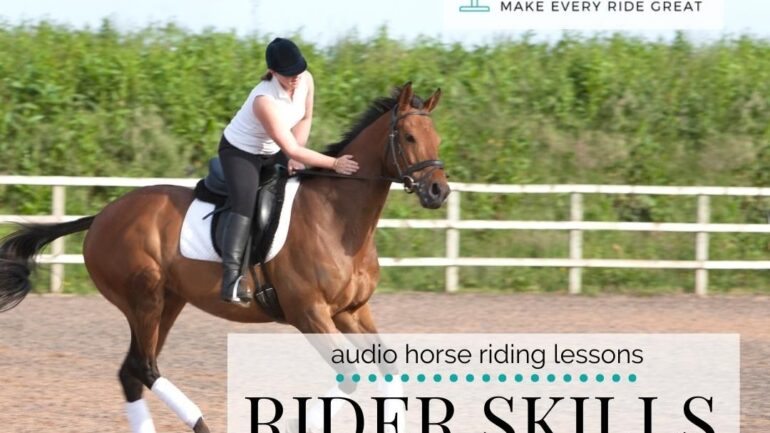
Credit: stridesforsuccess.com
Mental Focus And Patience
Mental focus and patience are key to successful horse riding. Riding requires clear attention and calm thinking. Riders must connect with the horse’s movements and signals. This connection grows stronger with patience. Without focus, riders may miss important cues from the horse.
Patience helps riders stay steady through challenges. Horses can be unpredictable. Riders need time to understand each horse’s unique behavior. Learning to ride takes effort and calm persistence.
Staying Calm
Calmness helps riders control their body and mind. Sudden moves or fear can startle the horse. A calm rider creates a safe space for both. Deep breaths slow the mind and ease tension. Staying calm improves communication between rider and horse.
Handling Frustration
Frustration is common when learning new skills. Horses may not respond as expected. Riders must accept mistakes and keep trying. Patience helps prevent giving up too soon. Calmly facing challenges builds better riding habits and trust.
Consistent Practice
Practice sharpens focus and builds patience. Daily riding sessions improve skills step by step. Repetition helps riders anticipate horse actions. Consistent effort makes riders more confident and relaxed. Practice turns mental focus into a natural habit.
Horse Care Knowledge
Horse care knowledge is key for every rider. It helps build trust between you and your horse. Knowing how to care for a horse keeps it healthy and happy. This knowledge also makes riding safer and more fun.
Grooming Basics
Grooming cleans your horse and keeps its coat shiny. Use a curry comb to loosen dirt and hair. A stiff brush removes the dirt from the coat. Don’t forget to clean the hooves with a hoof pick. Grooming also lets you check for cuts or bugs on the skin.
Feeding And Nutrition
Horses need good food to stay strong. Provide fresh hay and clean water every day. Avoid giving too many treats or sugary snacks. Balanced nutrition helps maintain energy and health. Learn the right amount and type of food for your horse’s age and activity level.
Recognizing Health Issues
Watch your horse’s behavior for signs of illness. Look for changes in eating, movement, or mood. Check for swelling, wounds, or unusual lumps. Early detection helps prevent serious health problems. Call a vet if you notice anything unusual.

Credit: www.teachingaidsforeas.com
Frequently Asked Questions
What Basic Skills Are Needed For Horse Riding?
Basic horse riding skills include balance, coordination, and control. Riders must learn proper posture, rein handling, and leg cues. These skills ensure safe and effective communication with the horse during rides.
How Important Is Balance In Horse Riding?
Balance is crucial for horse riding. It helps riders stay secure and comfortable in the saddle. Good balance also enables smooth movements and better control over the horse.
What Physical Fitness Is Required For Horse Riding?
Riders need core strength, flexibility, and endurance. Physical fitness improves posture, stability, and reduces fatigue. Regular exercise enhances overall riding performance and safety.
How Do Communication Skills Affect Horse Riding?
Effective communication with the horse is vital. Riders use body language, voice, and reins to guide the horse. Clear signals build trust and improve riding experience.
Conclusion
Horse riding needs balance, patience, and good communication. You must trust the horse and stay calm. Practice helps improve control and confidence. Being aware of safety is very important. These skills make riding fun and safe. Start slow and enjoy each step.
Keep learning to become a better rider. Every ride is a chance to grow. Horse riding is a rewarding skill to develop.