
Have you ever wondered why horses, those large and furry animals, don’t get fleas like your dog or cat might? It’s a question that might surprise you, especially if you care for horses or are just curious about how nature works.
Understanding this can help you take better care of your horse and keep it healthy and comfortable. Keep reading, and you’ll discover some fascinating reasons that explain this mystery—reasons that might change how you think about these majestic creatures forever.
Horses And Fleas: The Basics
Horses live outdoors and share their space with many small insects. Parasites often bother animals, causing itching and discomfort. Yet, fleas rarely bother horses. This fact raises curiosity about why horses do not get fleas like dogs or cats.
Understanding the basics of horses and fleas helps explain this mystery. It also highlights other parasites that affect horses more often. Learning about flea biology and their habitat shows why fleas avoid horses.
Common Parasites Affecting Horses
Horses face many parasites that cause health problems. These include ticks, lice, and mites. Ticks can carry diseases and attach to horse skin. Lice cause itching and hair loss. Mites lead to skin irritation and infections.
Worms are another major concern. They live inside horses and damage their organs. Regular deworming helps control these internal parasites. Understanding these common pests is important for horse care.
Flea Biology And Habitat Preferences
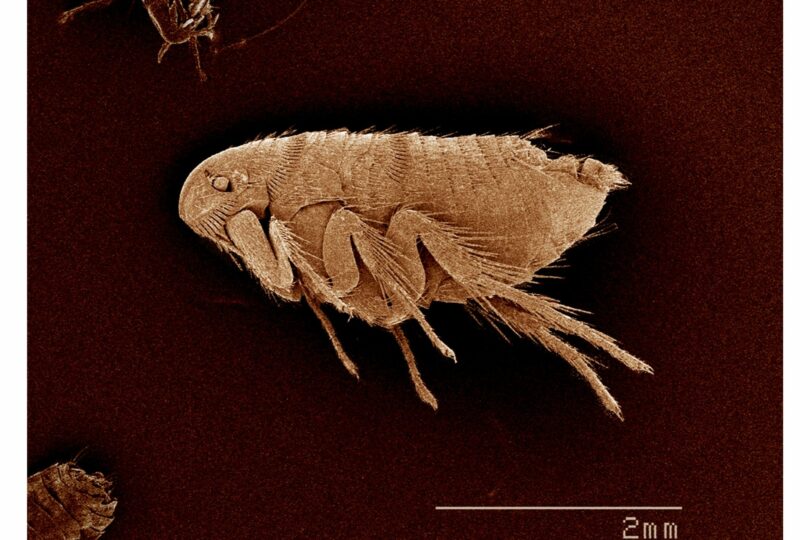
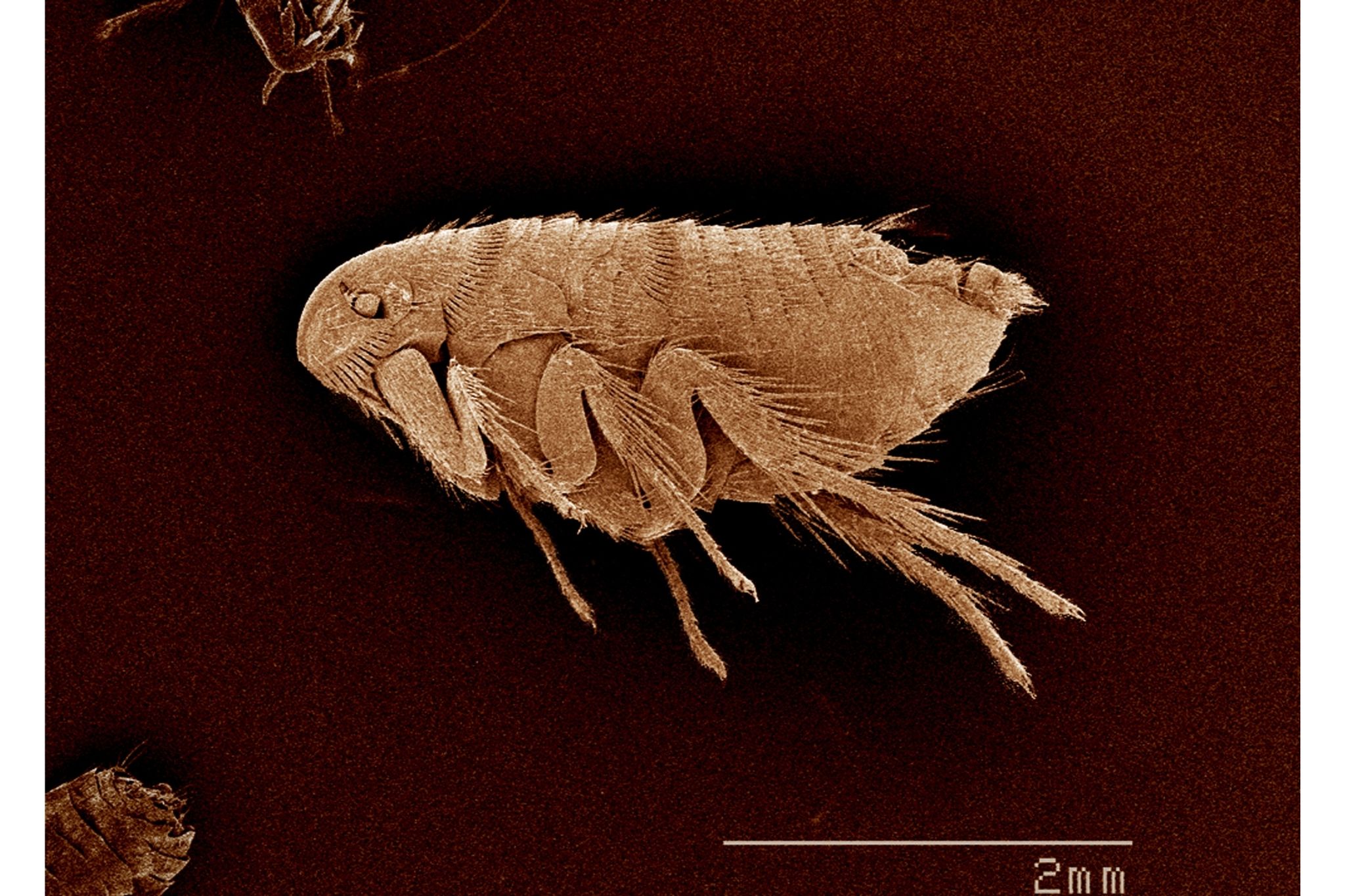
Fleas are small insects that feed on blood. They prefer animals with dense fur or hair. Fleas need warm, humid places to survive and lay eggs. Their life cycle depends on close contact with their host.
Horses have short hair and thicker skin than pets like dogs. This makes it hard for fleas to attach and feed. Horses also spend time outdoors in open areas, not in warm, damp places. These factors reduce flea survival on horses.

Credit: www.amazon.com
Why Fleas Avoid Horses
Fleas are common pests for many animals. Yet, horses rarely suffer from flea infestations. This curious fact has puzzled many horse lovers and animal experts. The reasons behind this are tied to the horse’s body and lifestyle. Understanding why fleas avoid horses helps explain their natural defense.
Horse Skin And Hair Characteristics
Horse skin is thick and tough. Fleas find it hard to bite through. Their hair is long and coarse. This makes moving around difficult for fleas. The hair also keeps the skin dry. Fleas prefer moist places to live and breed. Dry, rough horse hair is not inviting for them.
Horse Grooming Habits
Horses spend a lot of time grooming. They use their teeth and legs to clean themselves. This constant grooming removes any pests on their body. It also stops flea eggs from hatching. Horses often roll in dust or mud. These natural baths help keep fleas away as well.
Environmental Factors
Horses usually live in open spaces. Fleas thrive in warm, shaded, and crowded places. Horses’ outdoor lifestyle limits flea breeding areas. Stable cleaning practices also reduce flea habitats. These environmental conditions make horses less attractive to fleas.
Comparing Horses And Other Animals
Horses live in a different world compared to many pets. Their bodies and habits do not suit certain parasites well. Fleas are a good example. These tiny insects thrive on some animals but avoid horses. Understanding why requires comparing horses to other animals.
Animals like dogs and cats often carry fleas. Fleas find these animals perfect hosts. They feed on their blood and lay eggs in their fur. Horses, on the other hand, have different skin and hair types. These differences affect flea survival and reproduction.
Fleas On Dogs And Cats
Dogs and cats have dense, short fur. This fur traps fleas easily. Fleas can move quickly through it to find skin. They drink blood and lay eggs close to the host. Flea infestations on these pets are common and often cause itching and discomfort.
Many flea species have adapted to live on dogs and cats. Their bodies fit well with the animal’s fur texture. Fleas can hide and reproduce successfully. This makes dogs and cats ideal hosts for flea populations.
Differences In Host Suitability
Horses have long, coarse hair that does not trap fleas well. Their skin is thicker and different in texture. Fleas struggle to move and feed on horses. Horses also groom themselves more by rubbing and biting. This behavior removes many parasites.
Fleas prefer hosts where they can stay hidden and feed easily. Horses do not provide this environment. Their size and habits create challenges for flea survival. This is why fleas avoid horses and choose other animals instead.
Credit: horserookie.com
Other Parasites That Target Horses
Horses do not get fleas, but they face many other parasites. These pests can cause discomfort and health problems. Knowing about these parasites helps horse owners protect their animals better. Parasites live on or inside horses and feed on their blood or tissues. Understanding these pests is important for good horse care.
Common External Parasites
Several external parasites often bother horses. Ticks attach to the horse’s skin and suck blood. They can spread serious diseases. Lice live on the horse’s coat and cause itching. Mites cause skin irritation and hair loss. Horse flies bite the skin and cause painful wounds. These parasites are common in many stables and pastures. Regular checks help spot them early.
Impact On Horse Health
Parasites harm horses in many ways. They cause itching and skin damage. Horses may scratch or rub hard, leading to wounds. Blood-sucking parasites can cause anemia. Some parasites carry dangerous germs. These germs can lead to infections and fever. Parasite infestations make horses weak and tired. Healthy horses perform better and feel good. Preventing parasites protects horse health and comfort.
Protecting Horses From Parasites
Protecting horses from parasites is a key part of horse care. Parasites can cause discomfort and health problems. Keeping horses free from pests helps them stay healthy and happy. Parasites like ticks, lice, and mites can attack horses. Fleas rarely affect horses, but other parasites do. Understanding how to protect horses is important for every horse owner.
Preventive Measures
Regular grooming helps remove dirt and parasites from the horse’s coat. Clean stables reduce places where parasites can live and multiply. Using fly sheets and masks can keep biting insects away. Pasture rotation stops parasite buildup in one area. Feeding a balanced diet supports the horse’s immune system. Regularly check horses for signs of parasites or skin problems.
Effective Treatments
Parasite control products come in sprays, shampoos, and powders. Use vet-recommended treatments to kill lice, ticks, and mites. Deworming is important to control internal parasites. Follow the treatment schedule strictly to avoid resistance. Treat the horse’s environment to prevent reinfestation. Always read product instructions carefully before use.
Credit: horserookie.com
Frequently Asked Questions
Why Don’t Horses Get Fleas Like Other Animals?
Horses have thick skin and dense hair, making it difficult for fleas to attach. Their grooming habits and natural oils also repel fleas effectively, reducing infestation risks compared to smaller animals.
Can Fleas Survive On Horses At All?
Fleas rarely survive on horses because the environment is unsuitable. Horses’ large size and grooming behaviors prevent flea eggs and larvae from thriving on their skin or coat.
What Pests Commonly Affect Horses Instead Of Fleas?
Horses are more prone to ticks, biting flies, and lice rather than fleas. These pests thrive on horses’ skin and feed on their blood, causing irritation and potential infections.
How Do Horses Naturally Protect Themselves From Fleas?
Horses groom regularly by rubbing and biting, which removes parasites. Their skin oils create an environment that discourages flea attachment and growth, naturally protecting them from flea infestations.
Conclusion
Horses rarely get fleas because their skin and hair do not suit fleas well. Fleas prefer animals with thick, soft fur, which horses lack. Also, horses groom themselves often, removing pests quickly. Their outdoor lifestyle exposes them to fewer flea-friendly environments.
Understanding this helps horse owners keep their animals healthy. Knowing why horses avoid fleas can ease worries about pests. This natural defense shows how animals adapt to their surroundings. It also reminds us to care for horses properly to maintain their health.
Simple facts like these help us appreciate horses even more.