
Are you wondering when the best time to vaccinate your horse is? Timing can make all the difference in keeping your horse healthy and protected from serious diseases.
If you miss the right window, your horse could be at risk, and that’s the last thing you want. You’ll discover exactly when to schedule vaccinations to get the most protection. By the end, you’ll feel confident about making the best choices for your horse’s health.
Keep reading to learn the simple steps that can keep your horse safe year-round.
Importance Of Vaccinating Horses
Vaccinating horses protects them from many serious diseases. These illnesses can cause pain, sickness, and even death. Vaccines help the horse’s body fight germs and stay healthy. Regular vaccination is a key part of good horse care. It keeps your horse safe and able to perform well.
Vaccines also protect other animals and people. Some horse diseases can spread to other horses or humans. Vaccinating lowers the chance of outbreaks on farms and in stables. It helps keep the whole community safer.
Protecting Horses From Deadly Diseases
Many horse diseases have no cure. Vaccines stop these diseases before they start. Diseases like tetanus, influenza, and equine herpesvirus are common threats. A vaccine helps the horse’s immune system fight these infections. It reduces the risk of severe illness or death.
Maintaining Horse Performance And Well-being
Sick horses cannot train, work, or compete well. Vaccination helps horses stay strong and active. Healthy horses recover faster from stress and exercise. Vaccines support long-term health and good performance.
Preventing Disease Spread
Diseases can spread quickly in places with many horses. Vaccines reduce the chance of outbreaks. They protect not just one horse, but the whole stable. This is important at shows, races, and breeding farms.
Cost-effective Health Care
Treating diseases costs more than vaccinating. Vaccines save money by preventing illness. They reduce veterinary bills and lost work time. Regular vaccination is a smart and affordable choice.
Common Vaccines For Horses
Vaccines protect horses from many dangerous diseases. Knowing the common vaccines helps keep your horse healthy. Vaccines fall into two groups: core and risk-based. Each group targets different health threats. Understanding these can guide your vaccination schedule.
Core Vaccines
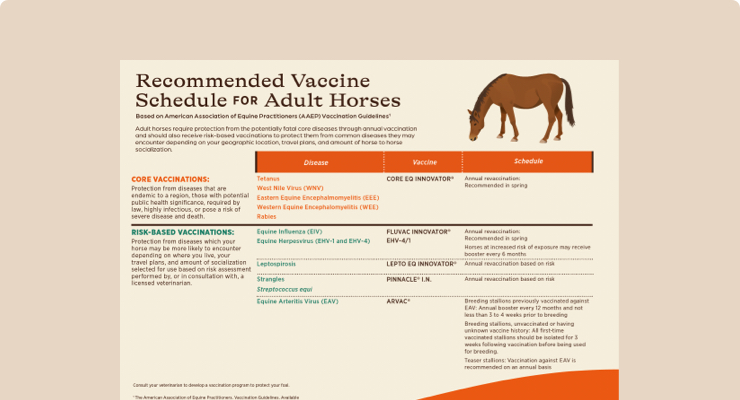
Core vaccines protect against diseases found everywhere. They include tetanus, rabies, and Eastern and Western equine encephalomyelitis. These diseases can cause serious illness or death. Most horses need these vaccines for basic protection. Vets recommend regular boosters to keep immunity strong.
Risk-based Vaccines
Risk-based vaccines depend on your horse’s lifestyle and location. They include vaccines for influenza, strangles, and West Nile virus. Horses in certain areas or with specific activities need these. Your vet can help decide which vaccines fit your horse’s risks. These vaccines reduce chances of infection in risky environments.
Factors Influencing Vaccination Timing
Choosing the right time to vaccinate horses depends on several key factors. These factors ensure the vaccine works well and keeps horses safe. Understanding these points helps protect horses from diseases effectively.
Age And Health Status
Young horses need special care with vaccines. Their immune system is still growing. They may need extra doses to build strong protection. Older horses might have weaker immunity. Health problems can affect how well vaccines work. Always check a horse’s health before vaccinating.
Seasonal Considerations
Some diseases are more common in certain seasons. Vaccinating before these times helps horses fight infections. For example, vaccinate against flu before winter. This timing boosts the horse’s defenses during risky months. Seasonal patterns vary by location. Know local risks to plan vaccination well.
Travel And Exposure Risks
Horses that travel often face higher disease risks. Exposure to new places can bring germs. Vaccines should be given before trips. This step reduces chances of infection. Horses in crowded stables also need timely shots. Protecting them from outbreaks is key.
Optimal Vaccination Schedule
Vaccinating horses at the right time is key to keeping them healthy. An optimal vaccination schedule protects horses from common diseases. It also helps build strong immunity over time.
Different age groups need different vaccine plans. Each stage of a horse’s life has unique needs. Understanding these needs ensures the best protection for your horse.
Foals And Young Horses
Foals start vaccinations early, usually at four to six months old. They need several doses to build immunity. These shots protect them from diseases like tetanus and influenza.
Young horses require booster shots every few weeks. This helps strengthen their immune system. Close monitoring during this time is important for their health.
Adult Horses
Adult horses benefit from yearly vaccinations. These shots maintain immunity against common infections. Vaccines for influenza, tetanus, and equine herpesvirus are typical.
Timing vaccinations before travel or show events is wise. It reduces the risk of disease in new environments. Regular vet check-ups help adjust the schedule if needed.
Senior Horses
Senior horses may need special vaccine care. Their immune systems can weaken with age. Vaccination frequency might increase to offer better protection.
Consult a vet about the best vaccine plan for older horses. Tailoring the schedule helps keep them healthy and comfortable. Monitoring for side effects is also important.
Preparing Your Horse For Vaccination
Preparing your horse for vaccination is an important step to ensure the process goes smoothly. Proper preparation helps reduce stress and makes vaccination safer. It also helps your horse stay healthy and comfortable.
Taking time before the vaccination can improve your horse’s response. Careful planning and attention to details protect your horse’s well-being. Knowing what to do before the vaccine day is key.
Pre-vaccination Checkups
Before vaccination, schedule a health check with your vet. The vet will examine your horse’s overall health and spot any issues. Vaccines should not be given if your horse is sick or weak.
Check your horse’s temperature, heart rate, and breathing. Look for signs of illness like coughing or nasal discharge. Healthy horses respond better to vaccines and have fewer side effects.
Discuss your horse’s vaccination history with the vet. The vet can recommend the right vaccines based on your horse’s needs. This helps avoid unnecessary vaccines and reduces risks.
Managing Stress And Discomfort
Keep your horse calm before vaccination. Avoid loud noises and sudden movements around your horse. A calm horse is easier to handle during the shot.
Offer your horse a quiet place to relax before and after vaccination. Gentle grooming can soothe nerves and build trust. Comfort your horse with a soft voice and gentle touch.
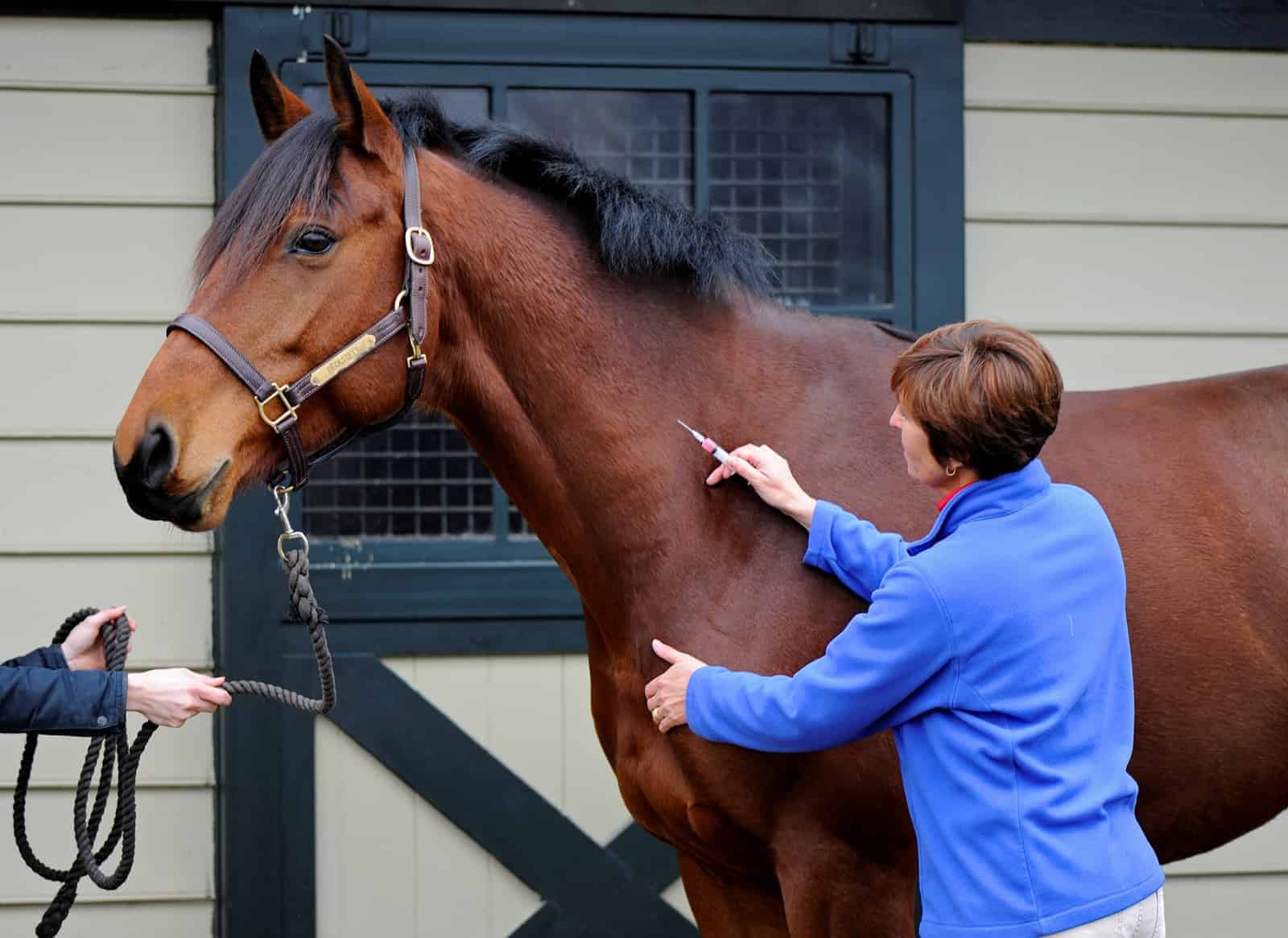
Watch for signs of pain or stress after the shot. Use cold compresses if your horse shows swelling or soreness. Proper care helps your horse recover quickly and feel better.
Credit: thehorse.com
Post-vaccination Care
Post-vaccination care is important to keep horses safe and healthy. After vaccination, horses need close watching. This helps catch any problems early. It also helps the horse rest and recover well.
Good care after vaccination supports the horse’s immune system. It can reduce stress and discomfort. Owners should follow simple steps to ensure smooth recovery.
Monitoring For Side Effects
Watch the horse carefully for any unusual signs. Common side effects include mild swelling or soreness at the injection site. Some horses may feel tired or have a slight fever. These signs usually go away in a day or two.
Check the horse’s behavior and appetite. Look for any signs of pain, swelling, or redness. Keep an eye on breathing and movement. Any sudden changes need attention.
When To Contact A Vet
Contact a vet if the horse shows serious side effects. These include high fever, difficulty breathing, or severe swelling. Also call a vet if the horse refuses to eat or drink for more than a day. Other signs are persistent diarrhea or weakness. Early veterinary help can prevent serious problems.
Working With Your Veterinarian
Vaccinating your horse properly protects it from many diseases. Your veterinarian plays a key role in choosing the right vaccines and timing. Working closely with your vet ensures your horse stays healthy all year. They understand your horse’s needs and risks best.
Customizing Vaccination Plans
Each horse is different. Your vet can create a vaccination plan just for your horse. They consider your horse’s age, health, and lifestyle. Horses in different regions face different diseases. Your vet knows what vaccines are essential in your area. They also decide the best time to vaccinate. This helps the vaccine work well and protects your horse fully.
Keeping Accurate Records
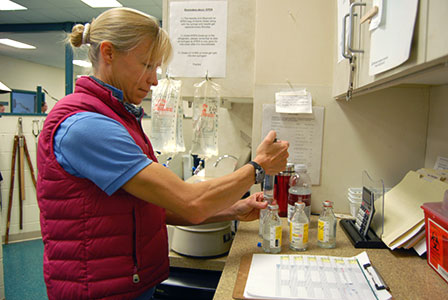
Good records matter. Your vet keeps track of all vaccines your horse gets. This record shows when the next shots are due. It helps avoid missed or extra vaccines. You can also share these records easily if your horse moves or competes. Accurate records keep your horse’s health history clear and organized. It supports better care and quick decisions in illness.
Credit: www.newenglandequine.com
Credit: www.zoetisequine.com
Frequently Asked Questions
When Is The Best Season To Vaccinate Horses?
Spring and early fall are ideal for horse vaccinations. These seasons help optimize immunity before extreme weather. Vaccinating during these times reduces the risk of disease outbreaks and aligns with common veterinary schedules.
How Often Should Horses Receive Vaccinations?
Horses typically need vaccinations annually. Some vaccines may require boosters every six months. Always consult your vet to tailor the schedule based on your horse’s health and risk factors.
What Factors Influence The Timing Of Horse Vaccinations?
Age, health status, environment, and travel plans affect vaccination timing. Horses in high-risk areas may need earlier or more frequent shots. Your vet will help determine the best schedule for your horse.
Can Vaccinating Horses At The Wrong Time Cause Issues?
Yes, improper timing can reduce vaccine effectiveness. Vaccinating during illness or extreme stress may weaken immune response. Always consult a vet to choose the safest and most effective time.
Conclusion
Vaccinating horses at the right time keeps them healthy and safe. Choose seasons when diseases spread less, like late winter or early spring. Regular shots help horses build strong protection against illness. Talk to your vet for the best schedule for your horse.
Staying on top of vaccinations saves money and worry later. Good timing means your horse stays active and happy. Keep records and plan ahead each year. This simple care step makes a big difference in your horse’s life.