
Which Horses are the Biggest, Have you ever wondered which horses are the biggest in the world? Imagine standing next to a giant horse and feeling its sheer size and power.
Knowing about these massive horses isn’t just interesting—it can change how you see these incredible animals. You’ll discover the tallest and heaviest horses, learn what makes them so unique, and find out how their size affects their strength and personality.
Keep reading, and prepare to be amazed by the giants of the horse world!

Credit: stabletalk.com
Largest Horse Breeds
Largest horse breeds stand out because of their size and strength. These horses have been bred for heavy work like pulling carts and farm equipment. Their tall, muscular bodies make them impressive and powerful animals.
Many people admire these breeds for their calm nature and gentle behavior. They often appear in shows and parades, attracting attention with their massive build.
Shire Horses
Shire horses are among the tallest horse breeds. They can grow over 17 hands high. Their weight ranges from 1,800 to 2,400 pounds. They have long legs and broad bodies. Shires have thick feathering on their lower legs. They are strong and gentle, perfect for heavy work.
Clydesdale Horses
Clydesdales are famous for their size and unique appearance. They often stand between 16 to 18 hands tall. Their weight usually reaches 1,800 to 2,000 pounds. They have large hooves and white markings on their legs. Clydesdales are used in farming and pulling carriages. They are calm and friendly horses.
Percheron Horses
Percherons are large draft horses from France. They grow about 16 to 17 hands tall. Their weight can be up to 2,000 pounds. Percherons have a strong build and short coat. They are fast for their size and work well in farms. These horses are known for their intelligence and willingness.
Belgian Draft Horses
Belgian draft horses are very strong and heavy. They usually stand 16 to 17 hands tall. Their weight ranges from 1,800 to 2,200 pounds. They have wide bodies and thick necks. Belgians are calm and easy to train. They are used for farm work and logging.

Credit: www.youtube.com
Measuring Horse Size
Measuring horse size is not just about picking the tallest or heaviest one. It involves different ways to understand a horse’s true size. Size can mean height, weight, or even the horse’s body shape. Each factor tells a part of the story about how big a horse really is.
Height Metrics
Height is the most common way to measure a horse’s size. It is measured from the ground to the top of the horse’s withers. Withers are the highest part of a horse’s back, just above the shoulders. Height is usually measured in hands. One hand equals four inches. The tallest horses can reach over 20 hands high.
Weight Factors
Weight shows how heavy a horse is, not just how tall. Horses can weigh from a few hundred to over a thousand kilograms. Weight depends on breed, diet, and health. Draft horses often weigh more because they have strong muscles and thick bones. Weight helps understand a horse’s strength and size better.
Body Mass And Build
Body mass includes the horse’s muscle, fat, and bone structure. Some horses are tall but slim. Others are shorter but very muscular. The build affects how big a horse looks and moves. Draft horses have wide chests and thick legs. This makes them appear larger and stronger than lighter breeds.
Famous Giant Horses
Giant horses have fascinated people for centuries. Their size and strength make them stand out among all horses. These horses are not just big; they are famous for their unique stories and impressive measurements.
From history to modern times, some horses have gained fame for being the largest ever recorded. Their height and weight amaze horse lovers worldwide. Let’s explore some of the most famous giant horses.
Record Holders
The tallest horse ever recorded was a Shire named Sampson. He stood 21.2 hands high, which is about 7 feet tall at the shoulder. Sampson lived in England in the 19th century. His enormous size made him a legend among horses.
Another record holder is Big Jake, a Belgian draft horse from the United States. He measured 20.3 hands tall and weighed over 2,600 pounds. Big Jake’s gentle nature and size made him popular worldwide.
Historical Giants
Historical giant horses played important roles in wars and work. Warhorses like those used by knights were often bred to be large and strong. These horses carried heavy armor and riders into battle.
In ancient times, horses like Bucephalus, Alexander the Great’s horse, were known for their strength and size. Though exact measurements are unknown, stories describe these horses as larger than average.
Modern-day Giants
Today, giant horses are mainly draft breeds like Shires, Clydesdales, and Belgians. They are used for farming, logging, and parades. These horses can weigh over 2,000 pounds and stand 18 to 20 hands tall.
Breeders continue to select for size and strength. Modern giants impress crowds with their power and calm behavior. Their size makes them gentle giants that many people admire.
Traits Of Giant Horses
Giant horses stand out for their size and power. They have special traits that make them unique. These traits help them work hard and carry heavy loads. Their size also affects their behavior and abilities.
Understanding these traits helps us appreciate these gentle giants more.
Physical Characteristics
Giant horses have large, strong bodies. They often grow over 17 hands tall. Their legs are thick and sturdy. Their muscles are well-developed and powerful. These horses have broad chests and wide backs. Their heads are usually large with big eyes. Their coats can vary but often are thick.
Temperament
Giant horses are known for being calm. They are patient and gentle with people. Despite their size, they rarely show aggression. They are often friendly and easy to train. Their calm nature makes them good for work and riding. They adapt well to different environments and tasks.
Strength And Endurance
These horses are strong and can pull heavy loads. They work long hours without tiring quickly. Their endurance helps in farming and pulling carts. They can carry heavy riders with ease. Their stamina makes them reliable in hard work. Their power and endurance are key to their role.
Care For Large Horses
Large horses need special care to stay healthy and strong. Their size means they have different needs than smaller horses. Owners must pay close attention to feeding, shelter, and health. Proper care helps these gentle giants live happy lives.
Feeding Needs
Big horses eat more food than smaller ones. They need plenty of good-quality hay and fresh water. Grain can be added but in small amounts. Overfeeding grain can cause health problems. Large horses also need salt and minerals for balance. Feeding should happen several times a day. Watch their weight to keep them healthy.
Shelter Requirements
Large horses need roomy shelters to move freely. Stalls must be wide and tall to fit their size. The shelter should protect them from wind, rain, and sun. Clean bedding helps keep them comfortable. Large horses also enjoy open pastures for exercise. Proper shelter prevents injury and stress.
Health Considerations
Big horses face unique health challenges. Their joints and hooves need extra care due to weight. Regular farrier visits keep hooves strong and healthy. Large horses may get arthritis or joint pain. Daily grooming helps spot cuts or swelling early. Vaccinations and worming must follow a vet’s advice.
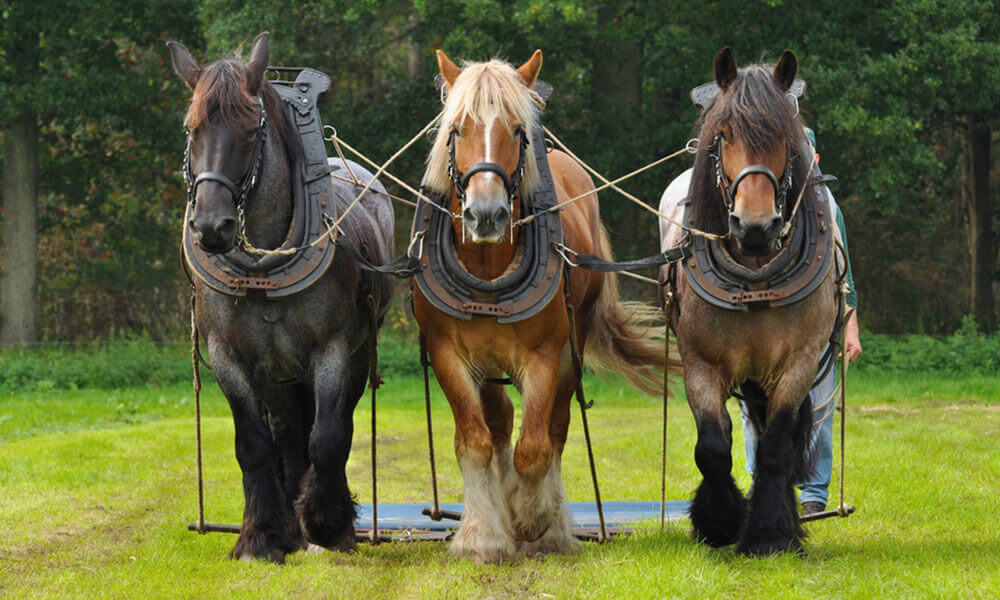
Credit: animac-wear.com
Roles Of Giant Horses
Giant horses have played important roles throughout history. Their size and strength make them valuable for many tasks. These horses are not just big; they are useful in farming, shows, and therapy. Their power and calm nature help people in different ways.
Work And Farming
Big horses carry heavy loads on farms. They pull plows and carts with ease. Their strength helps farmers work faster and better. In places without machines, these horses are essential. They also help move logs and other heavy items.
Show And Competitions
Giant horses often appear in shows and contests. Their size makes them stand out in the ring. People admire their strong bodies and graceful movements. These horses compete in pulling contests and parades. They show both power and beauty to the audience.
Therapeutic Uses
Large horses help in therapy programs. Their gentle nature comforts people with disabilities. Riding big horses can improve balance and confidence. They assist in physical and emotional healing. Many centers use these horses to support therapy work.
Frequently Asked Questions
Which Horses are the Biggest
Which Horse Breeds Are The Biggest In Size?
The biggest horse breeds include the Shire, Clydesdale, and Belgian draft horses. These breeds can weigh over 2,000 pounds and stand about 17 to 19 hands tall, making them the largest in both height and weight.
How Tall Can The Largest Horses Grow?
The tallest horses can grow up to 19 hands high, which equals 76 inches at the withers. Shire horses often reach this height, making them one of the tallest horse breeds worldwide.
What Is The Heaviest Horse Breed?
The Belgian draft horse is generally the heaviest breed, often weighing between 1,800 and 2,400 pounds. Their strong build makes them ideal for heavy farm work and pulling large loads.
Are Bigger Horses Stronger Than Smaller Ones?
Generally, bigger horses have more strength due to their size and muscle mass. Draft breeds like Shires and Clydesdales excel in pulling and heavy labor compared to smaller horse breeds.
Conclusion
Big horses stand out for their size and strength. Breeds like the Shire and Clydesdale are among the tallest and heaviest. These horses carry heavy loads and work hard on farms. Their large bodies need special care and plenty of food.
People admire these giants for their power and gentle nature. Knowing which horses are the biggest helps us appreciate their unique traits. Big horses play important roles in many cultures worldwide. They show us how size can be both useful and beautiful. Which Horses are the Biggest.
How are Horses Breed: Guide to Equine Breeding Secrets