
Knowing exactly when to put a horse blanket on your horse can make a big difference in their comfort and health. You might wonder if it’s too early or too late, or if your horse really needs one at all.
This guide will help you understand the right signs and conditions to watch for, so you can keep your horse warm without causing any harm. Keep reading to learn how to make the best choice for your horse’s well-being this season.
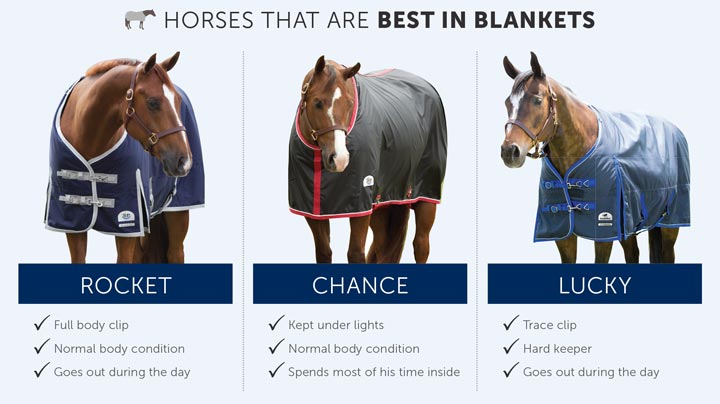
Credit: www.smartpakequine.com
Signs Your Horse Needs A Blanket
Knowing when to put a horse blanket on is key to keeping your horse healthy and comfortable. Horses feel cold just like people do. They cannot always tell us when they need extra warmth. Watching for certain signs helps you decide the right time to add a blanket. These signs come from the weather, your horse’s behavior, and how your horse looks physically.
Weather Changes To Watch For
Cold winds make horses lose body heat fast. When the temperature drops below 45°F, consider a blanket. Rain and snow increase heat loss, even if it is not very cold. Damp weather chills horses quickly. Sudden weather changes can catch your horse off guard. Watch the forecast closely for cold snaps and wet conditions.
Behavioral Clues From Your Horse
Your horse may act differently when cold. Shivering is a clear sign of feeling cold. Horses may stand still with their head down to save heat. Some horses try to find shelter more often. Restlessness or pawing at the ground can mean discomfort. Pay attention to these changes in how your horse acts.
Physical Indicators Of Cold
Look for a dull or rough coat; this may mean your horse is cold. Cold ears and limbs feel stiff and hard to the touch. Your horse’s muscles may tense up to stay warm. Thin horses need blankets sooner than those with thick coats. Check your horse’s body regularly for these cold signs.
Types Of Horse Blankets
Horse blankets come in different types for different weather. Choosing the right one keeps your horse warm and comfortable. Each type serves a specific purpose based on temperature and horse needs.
Lightweight Sheets For Mild Cold
Lightweight sheets are thin and breathable. They protect horses from light chills without causing overheating. These sheets are perfect for cool, dry days. They help keep dirt and insects off the coat.
Midweight Blankets For Chilly Days
Midweight blankets provide more warmth than sheets. They work well during cool, damp weather. These blankets have extra padding for insulation. Horses stay cozy without feeling heavy or restricted.
Heavyweight Blankets For Extreme Cold
Heavyweight blankets are thick and heavily insulated. They protect horses from freezing temperatures and wind. These blankets are ideal for harsh winter conditions. They offer maximum warmth and comfort to keep your horse safe.
Ideal Timing For Blanketing
Knowing the right time to put a horse blanket on is important for your horse’s health. Too early or too late can cause discomfort or illness. Timing depends on weather, the horse’s coat, and how much work it does. Let’s explore the best moments to use a blanket for your horse.
Temperature Thresholds
Horses usually need a blanket when temperatures drop below 45°F (7°C). Some horses tolerate cold better, especially those with thick winter coats. Thin-coated or clipped horses may need a blanket at warmer temperatures. Watch for signs of shivering or stiffness. These signs show your horse feels cold.
Seasonal Considerations
Blanketing needs change with the seasons. In fall, horses start growing thicker coats and may not need a blanket right away. Winter brings colder days and nights, making blankets helpful. Spring can still be chilly, so watch your horse’s comfort. Summer usually does not require blanketing, except in rare cold climates.
Night Vs. Day Blanketing
Nighttime is often colder, so many owners blanket horses only at night. Daytime sun can warm horses enough to remove blankets. Rain or wind during the day may still call for a blanket. Always check the weather and your horse’s behavior before deciding. Your goal is to keep your horse warm without overheating.
Credit: www.ridingwarehouse.com
Special Situations For Blanketing
Blanketing horses is not always the same for every horse or situation. Some horses need extra care in special cases. Knowing when to put a blanket on helps keep your horse healthy and comfortable.
Special situations need special attention. Older horses, sick horses, or those with shaved coats may need blankets even if the weather is not very cold. Also, after exercise, blanketing can help your horse cool down properly.
Blanketing Older Or Sick Horses
Older horses have weaker immune systems. They get cold faster than younger horses. Sick horses also struggle to keep warm. A blanket helps protect them from chills and illness. Keep an eye on their body condition and use blankets as needed.
Blanketing Shaved Horses
Shaving removes the horse’s natural warmth. Without a coat, the horse loses heat quickly. Blankets replace this lost protection. Use a blanket that fits well and covers the shaved areas. This prevents cold stress and keeps the horse comfortable.
Blanketing After Exercise
After exercise, horses sweat and are warm. Putting a wet blanket on too soon can cause chills. Wait until your horse is dry and cool. Use a cooler or light blanket to help dry sweat. This prevents muscle stiffness and helps the horse recover.
Common Mistakes To Avoid
Knowing when to put a horse blanket on is important. Many horse owners make simple mistakes that can harm their horse. Avoiding these errors keeps your horse healthy and comfortable. Here are common mistakes to watch out for.
Overblanketing Risks
Putting too many blankets on your horse can cause overheating. Horses can sweat under heavy blankets. Wet hair makes horses cold and sick. Overblanketing can also lead to skin problems. Use only the blanket your horse really needs.
Ignoring Weather Fluctuations
Weather can change quickly. A blanket that was perfect in the morning might be too warm by afternoon. Not checking the weather can leave your horse too hot or cold. Adjust blankets daily to match the temperature and wind.
Improper Blanket Fit
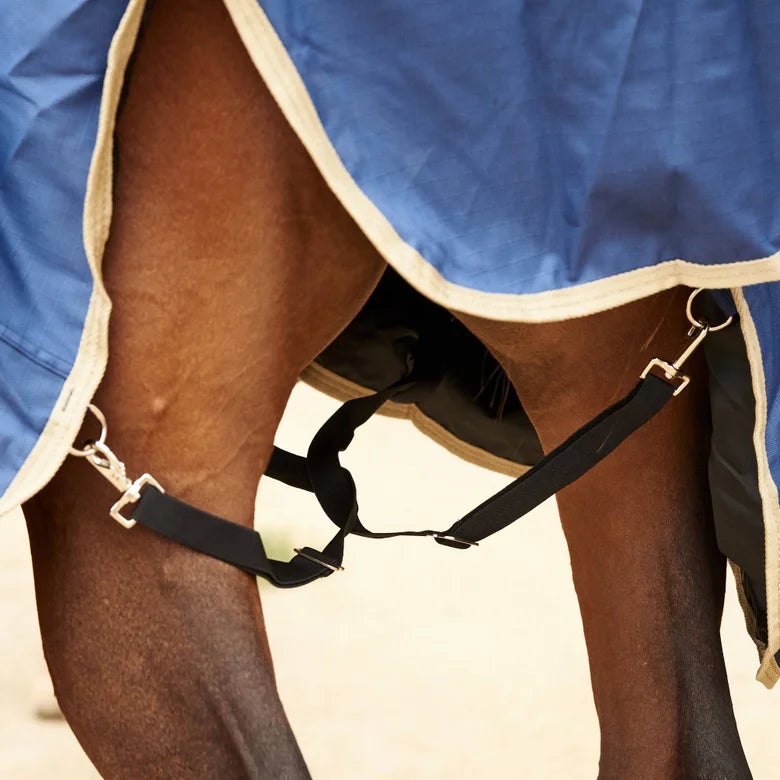
A blanket that does not fit right can cause sores and discomfort. Too tight blankets restrict movement and breathing. Loose blankets can slip and cause tripping. Measure your horse carefully before buying a blanket. Ensure straps and buckles hold the blanket securely.
Tips For Proper Blanket Care
Proper care of horse blankets helps keep them effective and long-lasting. Clean blankets protect your horse from cold and moisture. Well-maintained blankets also prevent skin problems. Follow these simple tips for blanket care.
Cleaning And Maintenance
Remove dirt and hair from blankets regularly. Use a brush or vacuum for this. Wash blankets with mild detergent made for outdoor fabrics. Avoid bleach and fabric softeners. Let blankets air dry completely before use. Check the blanket’s label for washing instructions. Clean blankets keep your horse comfortable and healthy.
Storage Between Uses
Store blankets in a dry, cool place. Avoid damp or humid spots to stop mold growth. Fold blankets neatly to prevent creases and damage. Use a breathable storage bag or container. Proper storage keeps blankets fresh and ready for next use. This practice extends the blanket’s life.
Regular Inspection For Damage
Look for tears, loose straps, or broken buckles often. Repair small holes or rips quickly to avoid bigger damage. Check seams and edges for wear. Fix or replace damaged blankets to keep your horse safe. Regular checks help maintain blanket strength and comfort.

Credit: www.equineacademy.com
Frequently Asked Questions
When Is The Right Time To Put A Horse Blanket On?
Put a horse blanket on when temperatures drop below 45°F (7°C). Also, use it during wet, windy, or snowy weather to keep your horse warm and dry.
How Do You Know If A Horse Needs A Blanket?
Check if your horse is shivering, losing weight, or has a thin coat. Older, sick, or clipped horses usually need blankets in cold weather.
Can Horses Wear Blankets All Day And Night?
Horses can wear blankets all day and night in cold conditions. However, regularly check for comfort, fit, and moisture to avoid skin issues.
What Types Of Horse Blankets Should I Use?
Use turnout blankets for outdoor protection and stable blankets for indoor warmth. Choose waterproof and breathable materials for the best comfort and protection.
Conclusion
A horse blanket helps keep your horse warm and dry. Put it on when the weather turns cold or wet. Watch your horse’s behavior and coat for signs it needs extra warmth. Choose the right blanket weight for the season.
Keep your horse comfortable by checking the fit regularly. Blankets protect from wind, rain, and chilly nights. Caring for your horse means knowing when to use a blanket. Stay alert to changing weather to keep your horse happy. Simple steps make a big difference in your horse’s health.