
Have you ever wondered what the word “horse” means in Hindi? Whether you’re learning the language or simply curious about cultural meanings, understanding this can open up a new perspective.
The word for horse in Hindi is more than just a translation—it carries history, symbolism, and significance. By the end of this article, you’ll not only know the exact word but also why it matters to so many people. Ready to discover the true meaning of horse in Hindi?
Let’s dive in!
Horse In Hindi Language
The horse holds an important place in Hindi culture and language. It is seen as a symbol of strength, speed, and loyalty. Many stories and poems in Hindi mention horses. Understanding the Hindi word for horse helps in learning the language and culture better.
In Hindi, the word for horse is simple yet carries deep meaning. It appears in everyday speech and traditional texts. Knowing this word can improve your Hindi vocabulary quickly.
Common Hindi Names For Horse
The most common Hindi word for horse is “घोड़ा” (ghoṛā). It refers to a male horse. For a female horse, the word “घोड़ी” (ghoṛī) is used. These terms are widely used in daily conversations.
Other names include “अश्व” (ashva), which is more formal and poetic. “अश्व” often appears in ancient stories and religious texts. These names enrich the language and offer variety.
Etymology And Usage
The word “घोड़ा” comes from Sanskrit roots. It shows the long history of horses in Indian culture. Sanskrit has influenced many modern Hindi words. This link connects the past with the present.
“अश्व” is also a Sanskrit word. It means horse in many old Indian languages. It is used in classical literature and rituals. This word adds a noble tone when mentioned.
In daily use, “घोड़ा” remains the preferred term. It is easy to say and understand. This keeps communication clear and simple for everyone.
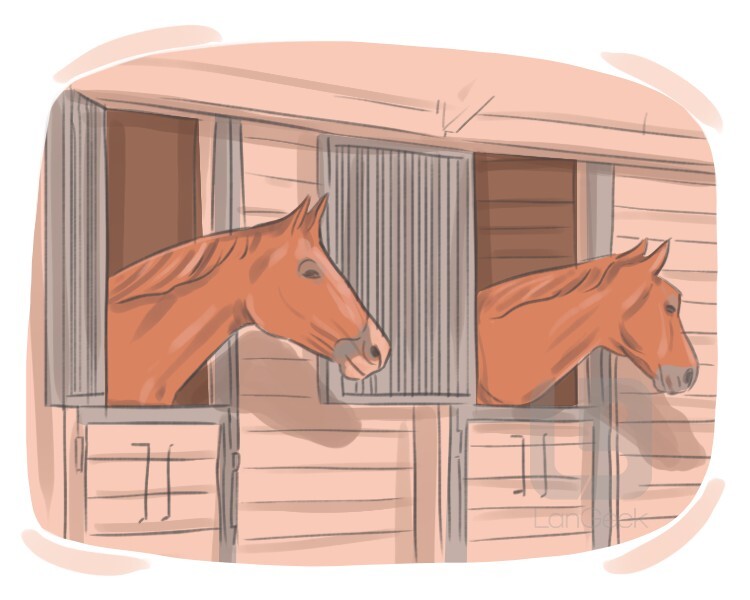
Credit: dictionary.langeek.co
Symbolism Of Horse
The horse holds a special place in many cultures. Its symbolism runs deep in stories and traditions. In Hindi, the horse represents more than just an animal. It stands for qualities admired by people for centuries.
People see the horse as a symbol of strength, freedom, and status. These ideas shape how the horse is viewed in art, literature, and daily life. Understanding this symbolism helps us appreciate the horse’s role in culture and language.
Strength And Power
The horse is known for its great strength. It carries heavy loads and pulls carts with ease. This power makes it a symbol of physical ability and endurance. In Hindi culture, the horse often shows courage and strong spirit. It inspires people to be brave and strong in tough times.
Freedom And Movement
The horse runs fast and moves freely across open lands. This quality makes it a symbol of freedom and adventure. It represents the desire to explore new places without limits. In Hindi stories, horses often carry heroes on their journeys. They remind us of the joy in moving and living freely.
Nobility And Status
Horses have long been linked to nobility and high rank. Owning a horse showed wealth and power in many societies. In Hindi culture, horses are part of royal ceremonies and important events. They symbolize honor and respect. Riding a horse can mean a person holds a special place in society.
Horse In Indian Culture
The horse holds a special place in Indian culture. It is more than just an animal. The horse symbolizes strength, speed, and loyalty. It appears in many stories, festivals, and artworks. Its role has deep roots in history and tradition.
The horse is seen as a noble creature. It carries kings and warriors in old tales. It also plays a part in religious ceremonies. The presence of the horse enriches many cultural aspects of India.
Mythological References
Horses appear in many Indian myths and legends. In the Rigveda, horses are sacred and linked to the sun god. The Ashvamedha sacrifice involved a horse to show a king’s power. Gods and heroes often ride horses in epic stories. Horses represent speed and divine power in these myths.
Role In Festivals And Rituals
Horses take part in many Indian festivals. During some celebrations, decorated horses lead processions. They are part of wedding ceremonies in some regions. Horses are also important in the festival of Navratri. Their presence adds color and energy to events.
Representation In Art And Literature
Indian art often features horses in paintings and sculptures. They symbolize valor and grace in many works. Classic literature also describes horses with admiration. Poems and stories praise the horse’s strength and beauty. This shows the deep respect for horses in culture.

Credit: www.youtube.com
Horse In Regional Traditions
The horse holds a special place in many regional traditions across India. It symbolizes power, speed, and grace. Different regions have unique stories and beliefs about horses. These customs show how deeply horses are connected to culture and daily life.
North Indian Customs
In North India, horses often appear in festivals and rituals. They represent bravery and status. During weddings, decorated horses carry the groom. This tradition shows honor and pride. Horses also feature in local fairs and folk dances. They remind people of ancient warriors and kings.
South Indian Beliefs
South Indian traditions link horses to protection and luck. In many villages, horse statues guard temples and homes. People believe these statues keep evil away. Horses also play a role in temple festivals. They are part of processions and religious ceremonies. The horse symbolizes strength and divine energy here.
Folk Tales And Proverbs
Folk tales about horses teach lessons and values. Stories often show horses as loyal and brave friends. Proverbs use horses to express speed, hard work, or trust. For example, “A horse that runs fast wins the race.” These sayings highlight the horse’s importance in daily language and wisdom.
Modern Significance
The horse holds a special place in modern life. It is more than just an animal. It represents strength, freedom, and beauty. People admire horses for their grace and power. They also play important roles in sports and culture.
In today’s world, horses appear in many different ways. They compete in races and shows. They also inspire stories, movies, and art. The horse remains a symbol of energy and spirit.
Horses In Sports And Recreation
Horse riding is a popular sport worldwide. It includes racing, jumping, and dressage. Many people enjoy riding horses for fun. Horseback riding helps improve balance and coordination.
Horse races attract large crowds. These events are exciting and fast-paced. People bet on horses and cheer for winners. Riding clubs and schools teach horse care and riding skills.
Symbolic Use In Contemporary Media
Horses often appear in movies and books. They symbolize freedom and adventure. Many stories use horses to show strength and loyalty. Horses also represent beauty and wild nature.
Advertisements use horses to show power and speed. Artists paint horses to capture movement and grace. The horse remains a strong symbol in modern culture.

Credit: www.youtube.com
Frequently Asked Questions
What Is The Hindi Word For Horse?
The Hindi word for horse is “घोड़ा” (ghoṛā). It is commonly used in everyday language and literature.
How Is Horse Pronounced In Hindi?
Horse is pronounced as “gho-ṛā” in Hindi, with emphasis on the first syllable.
What Are Common Uses Of “घोड़ा” In Hindi?
“घोड़ा” refers to the animal and symbolizes strength and speed in Hindi culture.
Is “घोड़ा” Used In Hindi Idioms?
Yes, “घोड़ा” appears in many Hindi idioms representing power, energy, and endurance.
Conclusion
The horse holds a special place in Hindi language and culture. It represents strength, speed, and freedom. Knowing its meaning helps connect with stories and traditions. The word for horse in Hindi is simple to learn and remember. Understanding this word adds to your language skills.
It shows how animals influence our speech and thoughts. Keep exploring Hindi words to discover more cultural gems. This small step makes language learning fun and meaningful.