
Have you ever wondered what sets horses and mules apart? If you think they’re just similar animals, you’re not alone.
But understanding the key differences can change how you see these incredible creatures. Whether you’re curious about their behavior, strength, or how they’re used, this guide will give you clear answers. By the end, you’ll know exactly what makes horses and mules unique—and why that matters to you.
Keep reading to uncover the surprising facts that most people don’t know!
Credit: biologyreader.com
Physical Traits
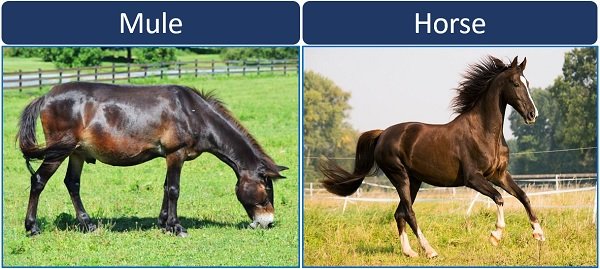
Physical traits help us tell horses and mules apart. Both animals look similar but have clear differences. These differences show in size, body shape, and small details. Recognizing these traits makes it easier to know which is which.
Size And Build
Horses are usually taller than mules. They have longer legs and a leaner body. Mules have a sturdy build. Their muscles are strong and compact. This makes mules good for hard work. Horses look more elegant. Mules appear tougher and more solid.
Head And Ears
Horse heads are smooth and slim. Their ears are shorter and rounder. Mules have larger heads with a straighter shape. Their ears stand longer and pointier. The ears help mules hear better. This is one of the most clear differences.
Tail And Mane
Horses have long, flowing tails and manes. Their hair is soft and thick. Mules have shorter tails with coarse hair. Their manes are also shorter and more stiff. This gives mules a rougher look. The tail and mane style helps in identifying them easily.

Credit: www.frontierlife.net
Genetic Background
The genetic background of horses and mules explains their differences clearly. Both animals share some traits but have unique genetic codes. Understanding these helps us know why mules are special hybrids.
Genes decide many traits like strength, size, and behavior. Horses and mules have different genetic setups that shape who they are.
Horse Genetics
Horses have 64 chromosomes in each cell. These chromosomes carry all the genetic information. They pass traits from parents to foals. Horse breeds differ in size and speed due to genetics. Each breed has a stable genetic pattern.
Mule Genetics
Mules are hybrids from a male donkey and a female horse. Donkeys have 62 chromosomes, horses 64. Mules end up with 63 chromosomes. This odd number usually makes mules sterile. They cannot have babies of their own. Their mixed genes give mules unique traits.
Hybrid Characteristics
Mules combine the best of both parents. They have the strength of horses and the endurance of donkeys. Their mixed genes make them tough and smart. Mules often live longer and work harder than horses. Their genetic mix gives them a special place in farming and riding.
Behavior And Temperament
Behavior and temperament play key roles in understanding horses and mules. Both animals show distinct traits that affect how they act and respond. These differences influence their use, care, and training. Exploring their behavior helps owners connect better with each animal.
Horse Behavior
Horses are social animals. They often seek company and form strong bonds. Their nature can be curious and energetic. Horses may react quickly to new things or sounds. They rely on flight instincts and tend to run from danger. This makes them sensitive but also responsive to training.
Mule Behavior
Mules are more cautious than horses. They think before acting and are less likely to panic. Their behavior shows strong intelligence and patience. Mules often display stubbornness, but it is linked to self-preservation. They can assess situations carefully and avoid risks. This makes mules reliable and steady workers.
Training Differences
Training horses requires consistency and speed. Horses respond well to clear commands and quick rewards. They learn fast but can get bored easily. Training mules demands patience and respect. Mules need time to understand tasks fully. They do not respond well to force. Gentle guidance works best for long-term results.
Uses And Roles
Horses and mules have different uses and roles in human life. Each animal suits specific tasks based on its strength, endurance, and temperament. Understanding these differences helps to appreciate their unique contributions.
Work And Labor
Mules are strong and hardworking animals. They carry heavy loads and work in rough terrain. Farmers use mules for plowing fields and pulling carts. Mules need less food and water than horses. They handle tough jobs with less stress.
Horses also work hard but in different ways. Horses pull carriages, carry riders, and herd animals. They are faster and more agile than mules. Horses perform well in tasks needing speed and grace.
Recreational Activities
Horses are popular for riding and sports. People ride horses for pleasure and competition. Horseback riding includes dressage, racing, and jumping. Horses offer a smooth and fast ride.
Mules are less common in sports but used for trail riding. Mules are calm and sure-footed on rocky paths. They are good companions for long rides in nature.
Cultural Significance
Horses have a rich history in many cultures. They symbolize freedom, power, and beauty. Horses appear in art, myths, and ceremonies worldwide.
Mules also hold cultural importance in some regions. They represent hard work and resilience. Communities honor mules in festivals and traditional events.
Reproduction And Lifespan
The reproduction and lifespan of horses and mules reveal key differences. These differences affect their breeding and care. Understanding these helps in managing these animals better.
Breeding Challenges
Horses can breed easily with other horses. Mules come from a horse and a donkey. Mules are usually sterile and cannot have babies. This happens because mules have an odd number of chromosomes. Breeding mules requires special pairing of horse and donkey.
Life Expectancy
Horses live about 25 to 30 years on average. Mules often live longer, up to 35 years. Mules have strong, hardy bodies. They can work longer in tough conditions. Their lifespan depends on care and environment.
Health Considerations
Horses need regular veterinary care for common illnesses. Mules are generally healthier and resist disease better. Both need good nutrition and exercise. Proper care extends their life and improves health.

Credit: www.greensboroughvets.com.au
Frequently Asked Questions
What Are The Physical Differences Between Horses And Mules?
Horses have smooth coats and slender legs, while mules have coarser coats and stronger legs. Mules inherit long ears and a distinct body shape from donkeys, making them sturdier and more resilient than horses.
How Do Horses And Mules Differ In Temperament?
Horses tend to be more spirited and sensitive. Mules are known for being calm, intelligent, and cautious. This makes mules more reliable for hard work and difficult terrain.
Why Are Mules Considered Stronger Than Horses?
Mules inherit the strength and endurance of donkeys and horses. Their hybrid vigor gives them better stamina and resistance to harsh conditions, making them ideal for carrying heavy loads and working long hours.
Can Horses And Mules Interbreed Naturally?
No, horses and mules cannot produce offspring naturally. Mules are a sterile hybrid resulting from a male donkey and a female horse. This sterility prevents mules from reproducing.
Conclusion
Horses and mules have many differences in size, strength, and behavior. Mules are usually stronger and more patient than horses. Horses are faster and often used for riding or racing. Both animals have unique qualities that suit different tasks. Knowing these differences helps you choose the right animal for work or fun.
Understanding horses and mules improves care and training. Each animal offers special benefits worth appreciating. Simple facts make it easier to respect and enjoy these animals.