
Horses have always fascinated people. Their power, beauty, and intelligence make them special animals. But when you look at North America, you might wonder: Which horses are truly native to this continent? The answer is more complex than many expect. While wild mustangs roam today, their history goes back thousands of years—and includes both ancient native species and modern arrivals. Understanding this story gives us a fresh look at the continent’s natural history, the role of horses in culture, and how humans shaped animal populations.
This article will explore the origins of horses in North America, the types that existed here, and how their history connects to today’s wild herds. We’ll cover fossil records, extinction events, reintroduction, and the debate about whether mustangs and other breeds count as “native.
” You’ll also see data tables and comparisons that help make sense of the facts. By the end, you’ll know which horses are native, why it matters, and what the future might hold.
The Ancient Horse: Origins In North America
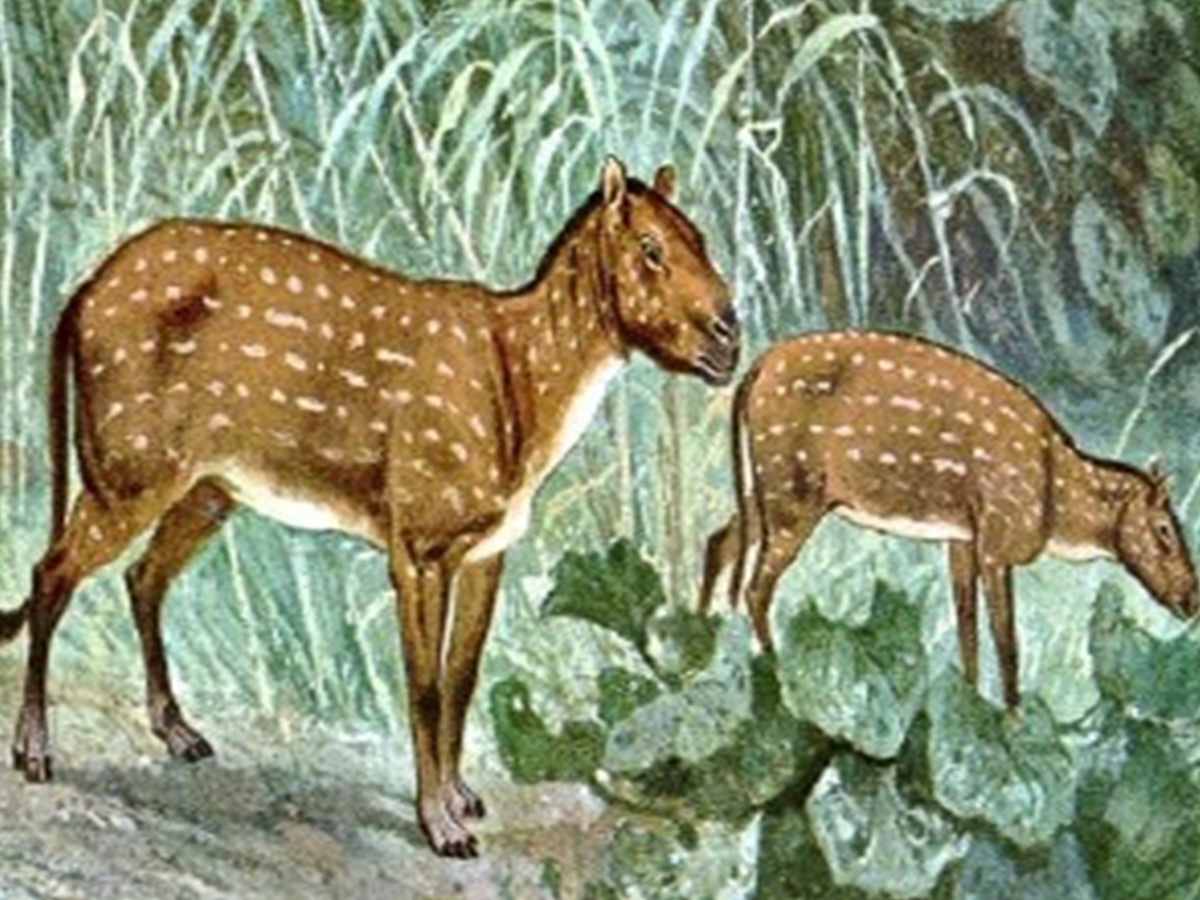
To answer the question, we must start with prehistoric horses. Scientists have found fossils across North America showing that horses first evolved here. The earliest ancestor, Eohippus (also called Hyracotherium), appeared about 55 million years ago.
Eohippus was a small animal, about the size of a dog, with four toes on its front feet. Over millions of years, it changed and adapted. Later species, like Mesohippus and Miohippus, became larger and had fewer toes. Eventually, the single-toed horse appeared, which is much closer to the modern horse.
Fossil Evidence
Archaeologists have discovered horse fossils in many US states, including Texas, Nebraska, and Florida. These remains show that North America was the birthplace of horses. By around 1 million years ago, horses had spread to Asia and Europe via land bridges, but they were still common here.
Here is a quick comparison of ancient horse species and their features:
| Species | Time Period | Size | Main Features |
|---|---|---|---|
| Eohippus | ~55 million years ago | Dog-sized | 4 toes front, 3 toes back |
| Mesohippus | ~40 million years ago | Small pony | 3 toes, larger teeth |
| Miohippus | ~32 million years ago | Pony-sized | 3 toes, adapted for grass |
| Equus | ~4 million years ago | Horse-sized | Single hoof, modern horse shape |
By the Pleistocene era (about 2.6 million to 11,700 years ago), the Equus genus (which includes today’s horses, zebras, and donkeys) was established. These horses looked very similar to what we see now.
Extinction In North America
About 10,000–12,000 years ago, at the end of the last Ice Age, horses disappeared from North America. This extinction also affected mammoths, saber-toothed cats, and other big mammals. Scientists debate the causes. Climate change, changing vegetation, and human hunting likely all played a part.
This event meant horses vanished from their homeland. They survived in Eurasia, but not in North America. For thousands of years, there were no horses here.
Reintroduction By Europeans: Are Modern Horses Native?
When Christopher Columbus and other Spanish explorers arrived in the 15th and 16th centuries, they brought domesticated horses back to North America. This changed history. Native American tribes quickly adopted horses, which transformed their cultures, hunting, and travel.
The horses brought by Europeans were mostly Spanish breeds like the Andalusian and Barb. Over time, escaped horses formed wild herds. These are the mustangs we see today.
But here’s the key question: Are these horses “native” to North America? Scientists and lawmakers debate this. Some say horses are reintroduced natives—they belong here because their ancestors evolved here. Others say they are non-native, since they came back after thousands of years away.
The US government usually calls wild horses feral (meaning descended from domesticated animals) instead of “native.” Still, many argue for their native status based on their ancient origins.
Mustangs: America’s Wild Horse
Mustangs are the most famous wild horses in the US. They are descendants of Spanish horses and later breeds brought by settlers. Today, they roam mainly in Nevada, Wyoming, and Utah.
There are about 80,000 wild horses in the US, according to the Bureau of Land Management (2023). Mustangs are not a single breed, but a mix of breeds. Some herds have unique features, like curly coats or special coloring.
Here’s a comparison of mustangs and ancient Equus horses:
| Feature | Ancient Equus (Pleistocene) | Modern Mustang |
|---|---|---|
| Origin | Native North America | Descendants of European imports |
| Wild status | Wild, never domesticated | Feral, descended from domestic horses |
| Genetics | Prehistoric Equus genes | Mixed with Spanish, European genes |
| Population | Millions (before extinction) | ~80,000 (current estimate) |
| Appearance | Stocky, large heads | Varied, often lean with strong hooves |
Native Horse Species: What Lived Here Before?
If we focus on truly native species, we see several types that once called North America home. Most of these are now extinct, but their fossils tell their story.
Eohippus
- Small, fox-sized ancestor
- Lived in forests
- Multiple toes
Mesohippus
- Larger than Eohippus
- Adapted for grasslands
- Three toes
Miohippus
- Pony-sized
- Developed stronger teeth for grazing
Hippidion
- Lived mainly in South America, but had relatives in North America
- Stocky build
Equus Ferus
- The wild horse species
- Includes the Przewalski’s horse (last true wild horse, now only in Asia)
- Ancestors of domestic horses
Equus Lambei
- Ice Age horse found in Yukon, Canada
- Well-preserved fossils
Equus Occidentalis
- Western horse, lived in California and Nevada
- Known from La Brea Tar Pits
These species were adapted to different habitats, from forests to prairies. They were not domesticated, but wild, roaming in herds.
Wild Vs. Feral: The Debate On Native Status
One confusing point is the difference between wild and feral. Wild horses are those that were never domesticated. Feral horses are descended from domestic horses that escaped or were released.
Today, most horses in North America are feral. Mustangs, for example, are not wild in the scientific sense—they are feral. This affects their legal status and protections.
Some experts argue that mustangs fill the same ecological role as ancient horses, so they should be considered native. Others say their genetics and behavior are different, so they are not truly native.
Legal Status
The Wild Free-Roaming Horses and Burros Act (1971) protects mustangs and burros on public lands. The law calls them “living symbols of the historic and pioneer spirit of the West.” But it also says they are not native wildlife.
This affects how herds are managed. Sometimes, mustangs are removed from land to protect habitats for other animals. The debate continues, with strong opinions on both sides.

Credit: www.thecloudfoundation.org
Native American Horses: Myths And Realities
Many Native American tribes have legends about horses. Some stories say horses always lived in North America. But historical records show tribes did not have horses until after Europeans arrived.
Still, horses became central to many cultures, like the Comanche, Sioux, and Nez Perce. They used horses for hunting, travel, and war. The Appaloosa breed was developed by the Nez Perce and is known for its spotted coat.
The Spanish Mustang
Some horses in Native American culture are called Spanish Mustangs. These are direct descendants of Spanish horses brought over centuries ago. Small, hardy, and quick, they are valued for their stamina.
Modern Wild Horse Herds: Where To Find Them
Today’s wild horses are mostly found in the western US. The largest populations are in Nevada, which has about 50% of all wild horses.
Here is a comparison of wild horse populations by state:
| State | Wild Horse Population (2023) | Main Areas |
|---|---|---|
| Nevada | ~40,000 | Public rangelands |
| Wyoming | ~7,000 | Red Desert |
| Utah | ~6,000 | West Desert |
| Montana | ~2,000 | Pryor Mountains |
| Oregon | ~4,000 | Steens Mountain |
Some herds have unique features. The Pryor Mountain Mustangs are thought to have Spanish ancestry. The Sulphur Springs Herd in Utah shows primitive markings, like stripes on the legs.
The Canadian Connection
Horses were also reintroduced in Canada. The Sable Island horses are famous, living on a remote sand island off Nova Scotia. Around 500 horses live there, protected by law. Their origins are mixed, but they are a symbol of wildness.
The Canadian Horse (“Cheval Canadien”) is a distinct breed, developed in Quebec from French horses brought in the 1600s. They are hardy, strong, and adapted to cold.
Ecological Role: Horses In The Landscape
Ancient horses shaped North American ecosystems. They grazed grasslands, spread seeds, and supported predators. After their extinction, other grazers like bison took their place.
Modern wild horses play a similar role, but with differences. They can overgraze land if populations are too high. Some conservationists worry about impacts on native plants and animals.
Yet, mustangs also help maintain grassland health, reduce wildfire risk, and support tourism.
Non-obvious Insights
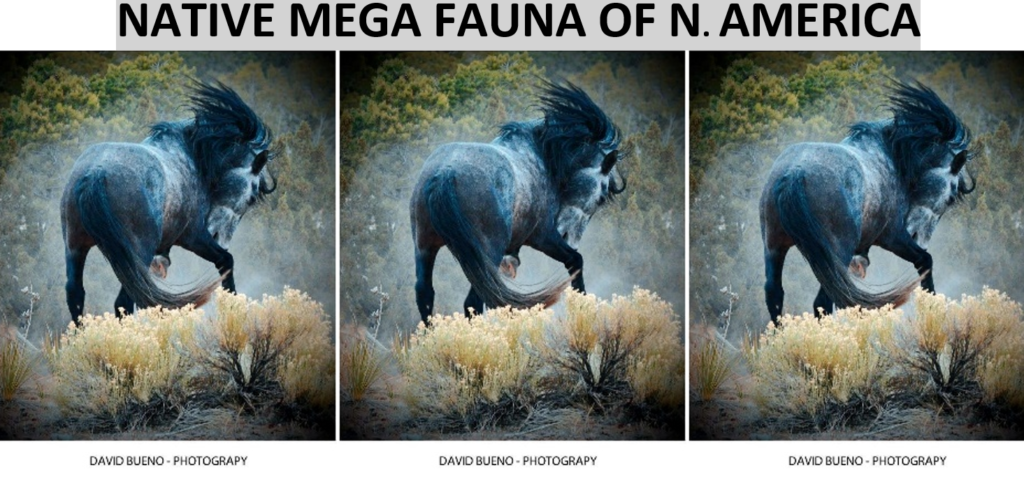
- DNA studies show that mustangs carry unique genes not found in any modern breed. Some herds, especially isolated ones, have rare traits that link them to ancient horses.
- Horses in North America never lost their ability to survive in the wild. Even after centuries of domestication, mustangs quickly adapted to harsh environments, a trait likely inherited from their prehistoric ancestors.
Credit: www.idausa.org
Conservation And Management
Managing wild horses is a challenge. The Bureau of Land Management (BLM) sets target population levels to protect land. When herds grow too large, horses may be rounded up and adopted out.
Some groups argue for more protection. Others say the land cannot support so many horses. The debate is intense, with strong feelings on both sides.
Common Mistakes In Management
- Overlooking genetic diversity: Removing entire herds can erase rare genes.
- Not considering climate: Droughts reduce food, making population management more urgent.
- Ignoring local culture: Horses are part of Western heritage and tourism.
Why Native Status Matters
The question of native vs. non-native affects conservation, law, and culture. If mustangs are seen as native, they might get more protection. If not, they can be removed more easily.
Native status also affects how people value horses. Some see them as a link to the ancient past. Others see them as invasive, competing with cattle and wildlife.
Scientific View
Most scientists say horses are reintroduced natives. Their ancestors evolved here, but modern mustangs are descended from European imports. Still, their ecological role is similar to ancient wild horses.
Other Equids: Donkeys And Zebras
Donkeys and zebras are not native to North America. Donkeys were brought by settlers for work. Zebras are only found in Africa.
This matters because only horses have a deep history here. Donkeys and zebras are not part of ancient North American fauna.
The Future Of Horses In North America
Wild horses face many challenges. Habitat loss, climate change, and population pressures all play a role. Some herds are shrinking, others are growing too quickly.
Genetic research may help identify unique mustang traits worth preserving. Technology, such as tracking collars and drones, improves population monitoring.
Public interest is strong. Many people visit wild horse areas, photograph herds, and support protection efforts.
Summary Table: Native Vs. Non-native Horses
To summarize, here is a quick reference table:
| Horse Type | Native to North America? | Status Today |
|---|---|---|
| Eohippus, Mesohippus, Equus | Yes (prehistoric) | Extinct |
| Mustangs | Debated (reintroduced native) | Wild/feral, protected |
| Spanish Mustang | No (descended from imports) | Rare, valued for heritage |
| Canadian Horse | No (descended from imports) | Domestic breed |
| Donkey, Zebra | No | Domestic, zoo only |
Key Takeaways
- Horses first evolved in North America, but went extinct about 10,000 years ago.
- Modern wild horses (mustangs) are descendants of European imports, but some consider them “reintroduced natives.”
- Prehistoric horses were truly native, but no wild population survives today.
- The debate on native status affects conservation and legal protection.
- Unique mustang herds preserve rare traits linked to ancient horses.
If you want to learn more about the history and science of wild horses, check out this detailed overview from Wikipedia.
Credit: whoanm.org
Frequently Asked Questions
What Horses Are Considered Native To North America?
Prehistoric horses like Eohippus, Mesohippus, and Equus evolved here and are truly native. Modern mustangs are descendants of imported horses, but some experts call them “reintroduced natives” because their ancient ancestors lived in North America.
Why Did Native Horses Go Extinct In North America?
Climate change, habitat loss, and hunting at the end of the last Ice Age caused the extinction. About 10,000–12,000 years ago, horses vanished from North America. They survived in Eurasia and were later reintroduced by Europeans.
Are Wild Mustangs The Same As Ancient Native Horses?
No, mustangs are not genetically identical to ancient native horses. Mustangs are feral descendants of domesticated horses brought by Europeans. However, they fill a similar ecological role and some herds carry rare genes linked to ancient horses.
How Are Wild Horses Managed In The Us?
Wild horses are managed by the Bureau of Land Management. Population levels are monitored, and excess horses are sometimes rounded up for adoption. The Wild Free-Roaming Horses and Burros Act gives them protection, but they are not classified as native wildlife.
Can I Visit Wild Horse Herds In North America?
Yes, you can see wild horses in several states, especially Nevada, Wyoming, Utah, Montana, and Oregon. Sable Island in Canada is another famous spot. Many herds live on public lands, and tours are available in some areas.
Horses have a deep connection to North America, from ancient fossils to today’s wild mustangs. Their story is one of extinction, reintroduction, and ongoing debate about what “native” means. Whether you see them as symbols of the West or links to the distant past, their presence continues to shape landscapes and inspire people.