
Raising healthy cattle requires both expertise and the right equipment. Among the most critical tasks for cattle farmers is hoof trimming, a procedure that directly impacts animal welfare, productivity, and profitability. Yet, performing hoof trimming safely and efficiently, especially in remote or rotational grazing systems, presents unique challenges. Enter the mobile cattle crush, an innovation transforming how farms approach hoof care.
A mobile cattle crush provides a secure, portable solution for handling cattle during hoof trimming. Unlike stationary crushes, the mobile version offers flexibility for farms with multiple paddocks or those who travel to service other herds. With lameness recognized as a leading cause of reduced milk yield, weight loss, and culling, investing in the right mobile cattle crush is more than a matter of convenience, it’s a strategic decision that can affect the bottom line and animal welfare for years to come.
Key Takeaways
- Mobile cattle crushes increase flexibility and safety for hoof trimming across varying farm environments.
- Proper hoof care reduces lameness, boosts productivity, and extends cattle longevity.
- Modern designs offer enhanced animal welfare features and operator ergonomics.
- Choosing the right crush involves comparing cost, features, durability, and transportability.
- Regular maintenance and correct operation maximize the lifespan and effectiveness of a mobile cattle crush.

Credit: www.youtube.com
The Importance Of Hoof Trimming In Cattle Management
Impact On Animal Health
Proper hoof trimming is vital for preventing and managing lameness, which is among the top three reasons for culling dairy cattle. Lameness can reduce feed intake, lower fertility, and predispose cattle to additional health issues. According to the University of Wisconsin-Madison, lameness rates exceeding 10% in a herd can significantly reduce milk production and increase veterinary costs.
Hoof overgrowth, infections, and injuries are common when trimming is neglected. Mobile cattle crushes enable more frequent and stress-free trimming, reducing the risk of chronic conditions like digital dermatitis and sole ulcers.
Economic Implications
Lameness costs the US dairy industry an estimated $300 per case due to reduced milk yield, treatment costs, and increased culling rates (National Center for Biotechnology Information). For beef cattle, poor hoof health means lower weight gains and compromised market value.
Routine hoof trimming, facilitated by mobile crushes, helps minimize downtime and keeps cattle in optimal condition, directly impacting farm profitability.
Animal Welfare And Compliance
Animal welfare regulations increasingly require farms to provide safe handling and minimize stress during procedures like hoof trimming. Mobile cattle crushes are designed with animal comfort in mind, reducing the risk of injury and ensuring compliance with welfare standards.
Pro Tip: Always consult with a qualified veterinarian or certified hoof trimmer to establish an appropriate trimming schedule and technique for your herd.
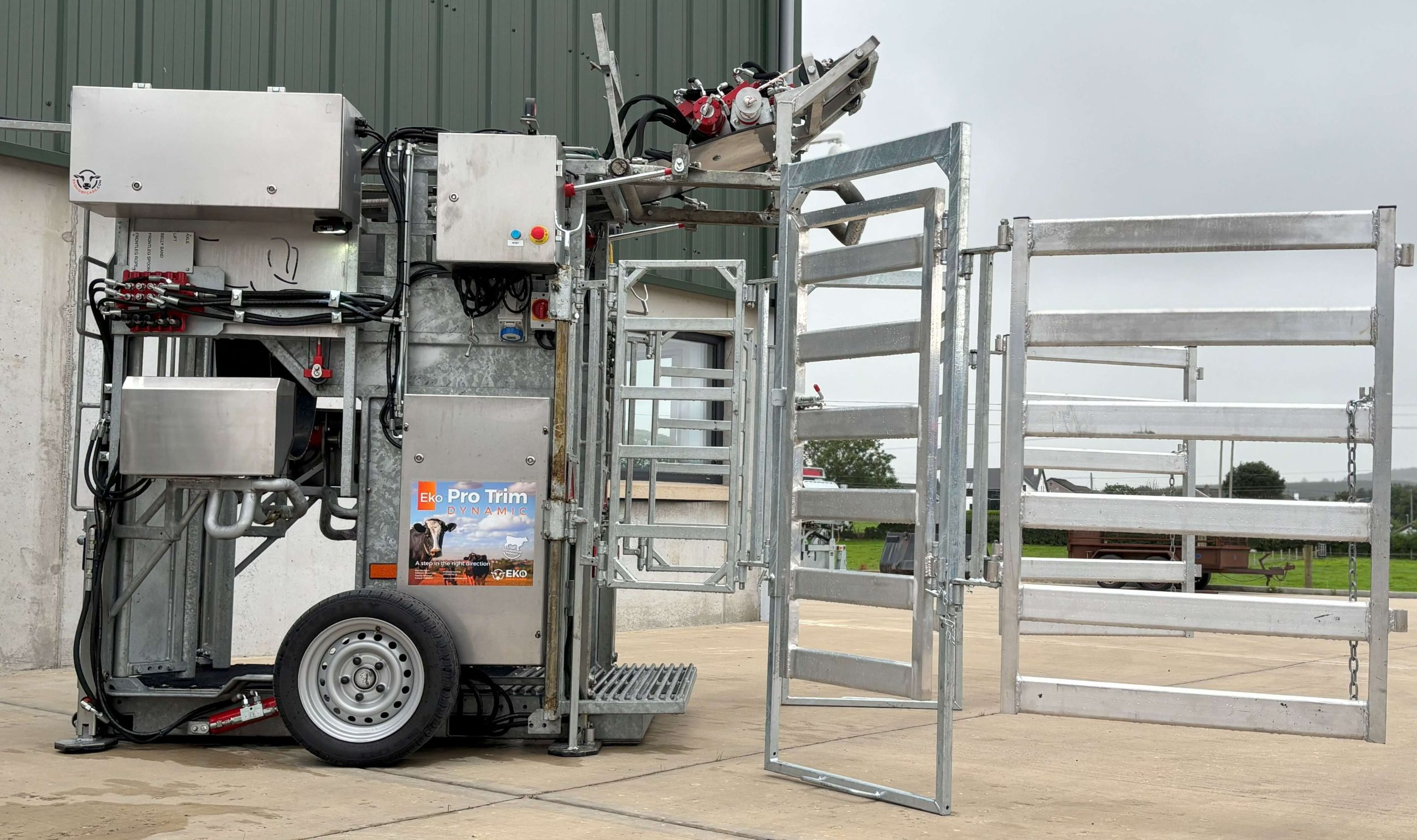
Credit: ekohoofcare.com
What Is A Mobile Cattle Crush? Design, Features, And Innovations
Definition And Core Purpose
A mobile cattle crush is a robust, transportable unit designed to restrain cattle safely for procedures such as hoof trimming, veterinary exams, or tagging. Unlike fixed crushes, mobile models can be moved between locations using a tractor, ATV, or trailer, making them ideal for rotational grazing systems or service providers.
Key Features
Modern mobile cattle crushes often include:
- Hydraulic or manual head gates for safe animal restraint
- Adjustable sides to fit different animal sizes
- Non-slip flooring for animal safety
- Integrated hoof trimming devices or platforms
- Wheels and towing mechanisms for transport
- Operator safety gates and platforms for ergonomic trimming
Innovations In Recent Years
Recent advancements have focused on operator safety and animal comfort. For example, some mobile crushes now offer hydraulic lifting of the animal’s leg, adjustable lighting for better visibility, and noise-reducing materials to lower stress.
In my experience, using a crush with integrated LED lighting dramatically improved accuracy during hoof inspections, especially in low-light conditions typical of early morning or evening work.
Real-world Example
A New Zealand-based hoof trimming contractor switched from a fixed crush to a mobile unit, cutting setup time by 40% and enabling service to an additional four farms per week. This not only increased revenue but also improved animal handling consistency across varying farm environments.

Credit: www.marechalle-pesage.fr
Comparing Mobile Cattle Crushes: Models, Costs, And Performance
Choosing the right mobile cattle crush requires a careful balance of price, features, durability, and transportability. Below, we compare three popular models based on publicly available specifications.
| Model | Capacity | Key Features | Approx. Price (USD) | Transport Method |
|---|---|---|---|---|
| Q-Catch 87 Series Mobile | 1 animal | Hydraulic head gate, adjustable sides, rubber flooring | $13,500 | Tractor/ATV |
| Hooftrimming Crush Pro 3000 | 1 animal | Hydraulic leg lifts, LED lights, side access panels | $16,000 | Towed trailer |
| Ritchie Combi Clamp Mobile | 1 animal | Manual operation, anti-slip deck, lightweight | $9,800 | ATV/Manual push |
Assessing Durability And Maintenance
- Galvanized steel frames resist corrosion.
- Quality welds and robust hinges extend lifespan.
- Replaceable flooring and modular panels simplify upkeep.
Transportability And Setup
- Foldable or detachable components reduce transport size.
- Integrated wheels improve maneuverability on uneven terrain.
- Quick-release pins enable fast assembly/disassembly.
Cost-benefit Analysis
Although hydraulic models demand a higher upfront investment, they typically reduce operator fatigue and animal stress, potentially decreasing long-term veterinary costs.
Setting Up And Operating A Mobile Cattle Crush Safely
Pre-operation Checklist
Before each use, operators should:
- Inspect the crush for loose bolts, damaged welds, or worn flooring.
- Confirm hydraulic lines (if present) are intact and leak-free.
- Test all gates and locking mechanisms for smooth operation.
- Ensure the ground is level and stable to prevent tipping.
Safe Handling Procedures
- Approach cattle calmly to minimize stress.
- Guide animals into the crush using low-stress handling techniques.
- Secure all gates before operating leg lifts or trimming equipment.
- Never leave an animal unattended in the crush.
Operator Ergonomics
Modern mobile crushes often feature adjustable platforms and side access panels to reduce bending and awkward positioning. This is particularly important for hoof trimmers who may service dozens of animals in a single day.
Example: Safety Incident Prevention
A dairy farm in Wisconsin introduced a pre-operation checklist for their mobile crush. Within six months, they reported a 75% reduction in minor injuries related to equipment faults, demonstrating the value of routine safety protocols.
Maintenance Tips
- Clean after every use to remove manure and debris.
- Lubricate moving parts weekly.
- Schedule annual inspections by a qualified technician.
Benefits Of Mobile Cattle Crushes For Hoof Trimming
Increased Flexibility
Mobile cattle crushes allow farmers and hoof trimmers to:
- Service multiple locations without transporting animals long distances.
- Respond quickly to outbreaks of lameness or injury in remote paddocks.
- Work efficiently in rotational grazing systems.
Enhanced Animal Welfare
By reducing the need to move cattle across the farm, mobile crushes minimize transport stress, lower the risk of injuries, and enable more frequent hoof assessments.
Productivity Gains
With faster setup and teardown, operators can:
- Complete more trims per day.
- Reduce labor costs.
- Minimize animal downtime.
Example: Contractor Efficiency
A UK-based mobile hoof trimming service adopted a hydraulic mobile crush and increased their daily throughput from 30 to 45 animals, with fewer cases of animal distress reported.
Comparison Table: Mobile Vs. Stationary Cattle Crushes
| Feature | Mobile Cattle Crush | Stationary Cattle Crush |
|---|---|---|
| Portability | High | Low |
| Setup Time | Fast | Moderate |
| Initial Cost | Moderate, High | Low, High |
| Operator Fatigue | Low (hydraulic models) | Varies |
| Animal Stress | Lower (less transport) | Higher (herd movement required) |
| Best For | Multiple sites, contractors | Large, fixed herds |
Common Challenges And How To Overcome Them
Transport Logistics
Navigating narrow lanes, muddy fields, or uneven ground can complicate mobile crush movement. Choosing a model with off-road tires and a robust suspension helps mitigate these issues.
Training And Operator Skill
Proper training is essential. Many manufacturers and agricultural colleges offer operator courses that cover animal handling, crush operation, and basic maintenance.
Animal Behavior
Some cattle may resist entering unfamiliar equipment. Gradual acclimation, allowing animals to explore the crush without restraint, can reduce fear over time.
Regulatory Compliance
Local regulations may dictate requirements for animal restraint, operator qualifications, and biosecurity measures. Always consult your local agriculture office or livestock board for guidance.
Example: Overcoming Muddy Terrain
A hoof trimming contractor in Ireland retrofitted their mobile crush with wide flotation tires, reducing incidents of getting stuck during wet seasons and improving service reliability.
How To Choose The Right Mobile Cattle Crush For Your Operation
Assessing Herd Size And Farm Layout
- Small herds (under 50 head): Consider lightweight, manually operated crushes for cost savings.
- Large or multi-site herds: Hydraulic or trailer-mounted models improve efficiency.
Evaluating Feature Needs
- Hydraulic leg lifts: Reduce operator fatigue and improve trim quality.
- Lighting and visibility aids: Enhance safety during early morning or dusk operations.
- Integrated weighing systems: Useful for routine health checks.
Budgeting And Financing
While upfront costs can be significant, some regions offer agricultural grants or low-interest loans for animal welfare equipment (USDA). Factor in potential labor and veterinary cost savings when calculating ROI.
Manufacturer Reputation And Support
Choose brands with:
- Positive user reviews
- Local dealer support
- Readily available spare parts
Trial And Demonstration
Whenever possible, test a mobile crush on your own farm before purchase. Some suppliers offer on-farm demonstrations, allowing you to assess ergonomics, animal flow, and transport logistics firsthand.
Real-world Case Studies
Case Study 1: Dairy Farm In Germany
A 300-cow dairy adopted a hydraulic mobile cattle crush to replace their aging stationary system. Over 12 months, hoof-related lameness dropped by 35%, and average daily milk yield increased by 2 liters per cow. The farm also reduced hoof trimming labor costs by 20% due to faster processing.
Case Study 2: Mobile Hoof Trimming Service In The Us
A professional hoof trimmer servicing herds across three states invested in a custom-built mobile crush with climate-controlled storage for tools. With the ability to set up in under 15 minutes, the business expanded its client base by 40% and improved customer satisfaction scores.
Case Study 3: Beef Cattle Ranch In Australia
Facing frequent hoof infections during wet seasons, a ranch introduced a galvanized steel mobile crush with anti-slip flooring. Within six months, the ranch reported fewer injuries during handling and saw improved weight gains in treated cattle, translating to better market prices.
Maintenance, Storage, And Long-term Care Of Mobile Cattle Crushes
Routine Cleaning And Inspection
- Wash down all surfaces after each use to prevent rust and bacterial buildup.
- Check fasteners, pins, and hydraulic lines weekly for wear or damage.
- Disinfect between farms to prevent disease transmission.
Off-season Storage
When not in use:
- Store under cover to protect from weather.
- Chock wheels and release pressure from hydraulic systems.
- Remove detachable components for security and easier maintenance.
Spare Parts And Upgrades
Maintain a supply of common replacement parts (pins, hoses, flooring panels) to minimize downtime. Some manufacturers offer upgrade kits for lighting, weighing systems, or improved restraint mechanisms.
Example: Extending Equipment Lifespan
A Scottish farm implemented an annual maintenance schedule, including a full strip-down and repaint every three years. As a result, their mobile crush remained operational and visually presentable for over 15 years, outlasting neighboring farms’ equipment by a significant margin.
Frequently Asked Questions
What Is The Ideal Frequency For Hoof Trimming In Cattle?
Hoof trimming frequency depends on breed, housing, and management system. For most dairy herds, twice yearly trimming is recommended, but some high-risk animals may require quarterly attention. Consult a veterinarian or professional hoof trimmer for a tailored schedule.
Can Mobile Cattle Crushes Be Used For Procedures Other Than Hoof Trimming?
Yes, mobile cattle crushes are versatile and can be used for vaccinations, pregnancy checks, dehorning, and minor surgical procedures. Their portability makes them ideal for any task requiring secure animal restraint in multiple locations.
How Do I Ensure My Mobile Cattle Crush Meets Animal Welfare Regulations?
Check your local regulations for specific requirements on restraint devices, flooring, and operator training. Most mobile crushes from reputable manufacturers are designed to exceed welfare standards, but always verify compliance before purchase and use.
Are There Grants Or Financial Assistance Programs For Purchasing Mobile Cattle Crushes?
Many regions offer agricultural grants, subsidies, or low-interest loans for animal welfare equipment. Contact your local agriculture office or organizations like the USDA for current opportunities.
What Safety Precautions Should Operators Follow When Using A Mobile Cattle Crush?
Operators should wear PPE, follow a pre-operation checklist, secure all gates before starting, and never leave animals unattended. Regular training and refresher courses improve both safety and efficiency during use.
Securing the right mobile cattle crush can reshape your approach to cattle hoof care, elevating both herd welfare and operational efficiency. By investing in equipment that fits your farm’s unique needs, and committing to ongoing maintenance and training, you’ll ensure healthier, more productive cattle for years to come.