
Yes, it’s safe to feed horses carrots when you serve them in moderation as an occasional treat. Most horses enjoy the taste, but they contain high sugar levels that can disrupt a horse’s digestion if offered in large amounts. You must always chop them into smaller, manageable pieces to prevent choking.
Situations for Feeding Carrots
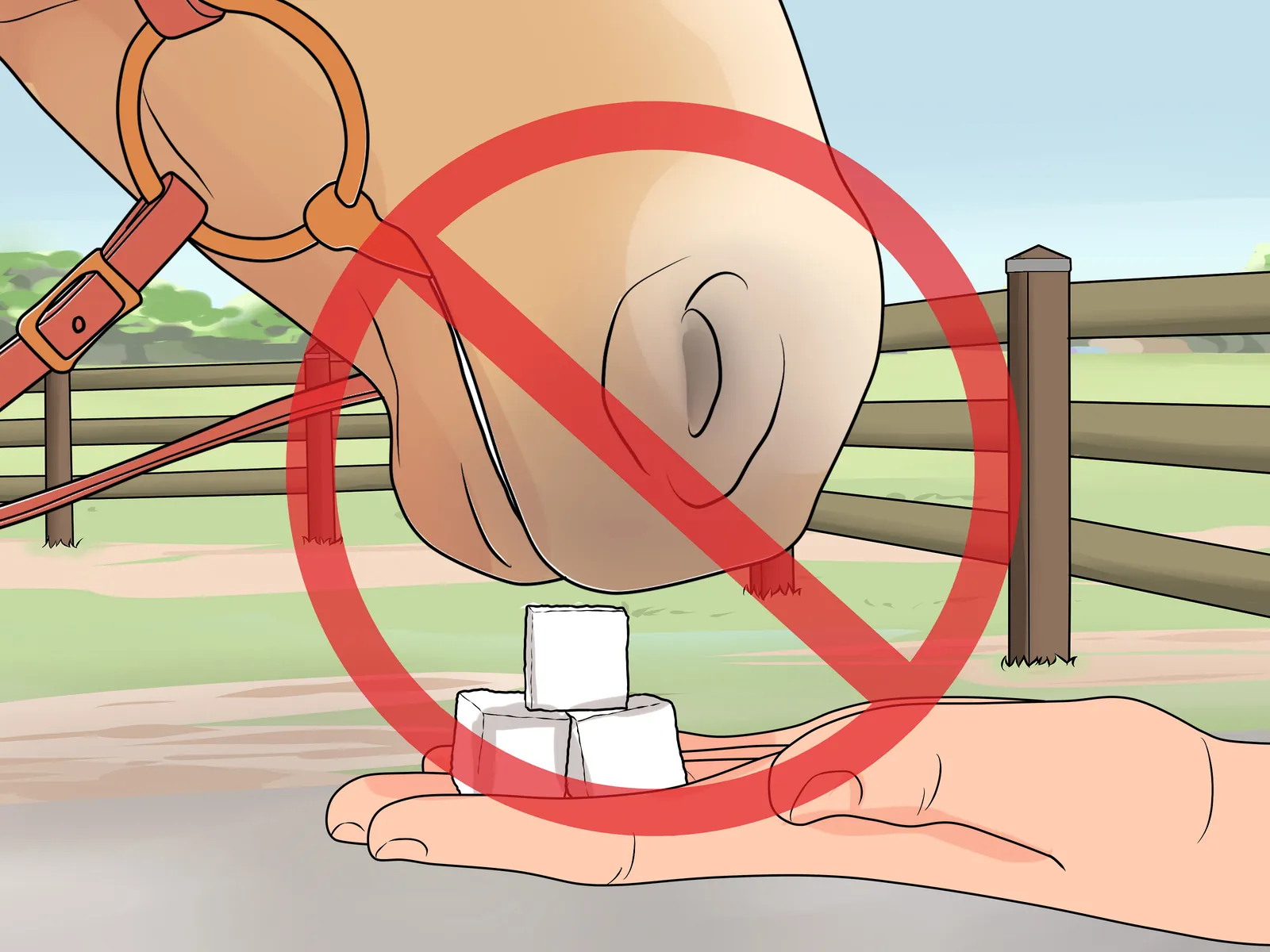
| Situation | Safe? | Why |
|---|---|---|
| Feeding whole carrots | No | High risk of choking |
| Chopping into sticks | Yes | Easier to chew and swallow |
| Feeding daily | With care | High sugar content risks obesity |
| Horses with insulin resistance | No | Sugar spikes cause metabolic issues |
| Feeding with greens | Yes | Balanced treat for the horse |
| Feeding rotten carrots | No | Risk of mold or toxins |
Whole carrots are dangerous because horses often bolt their food without chewing thoroughly. A large, round piece can easily lodge in the esophagus, leading to a painful obstruction. Always chop them into small, bite-sized pieces to ensure the horse must chew them before swallowing.
Regarding frequency, treat carrots as a reward rather than a dietary staple. Because they’re high in natural sugars, daily consumption can shift the horse’s metabolic balance. This is especially critical for horses prone to laminitis or those with existing insulin resistance. In these cases, even small amounts can trigger a dangerous inflammatory response.
When mixing carrots with greens, choose fibrous options like Timothy hay or leafy forage. This pairing slows down the horse’s intake, preventing them from gulping the treat too quickly. Always inspect the surface of the carrot for soft spots or discoloration, as mold spores can cause severe digestive distress.
Risks of Feeding Carrots to Horses
The primary risk of feeding carrots to horses is choking, especially when the vegetable is offered whole. Horses often try to gulp down long pieces without chewing them enough, which can cause an obstruction in the esophagus. This condition, commonly called “choke,” prevents the horse from swallowing food or saliva, leading to distress and potential health complications.
Another significant concern is the sugar and starch content found in root vegetables. While horses need energy, the concentrated sugar in carrots can lead to rapid spikes in blood glucose levels. For animals already struggling with metabolic conditions like Equine Metabolic Syndrome or insulin resistance, these spikes are dangerous and can trigger painful bouts of laminitis. Always consult your veterinarian if your horse has a history of metabolic issues before introducing any sugary treats.
You should also watch for signs of digestive upset, such as colic, if you introduce too many new items to a horse’s diet. The University of Kentucky College of Agriculture, Food and Environment notes that sudden dietary changes often disrupt the delicate balance of the horse’s hindgut microbiome. If you decide to include carrots as part of a reward system, keep the total amount small and consistent to avoid upsetting the horse’s stomach.
Signs to Stop Immediately
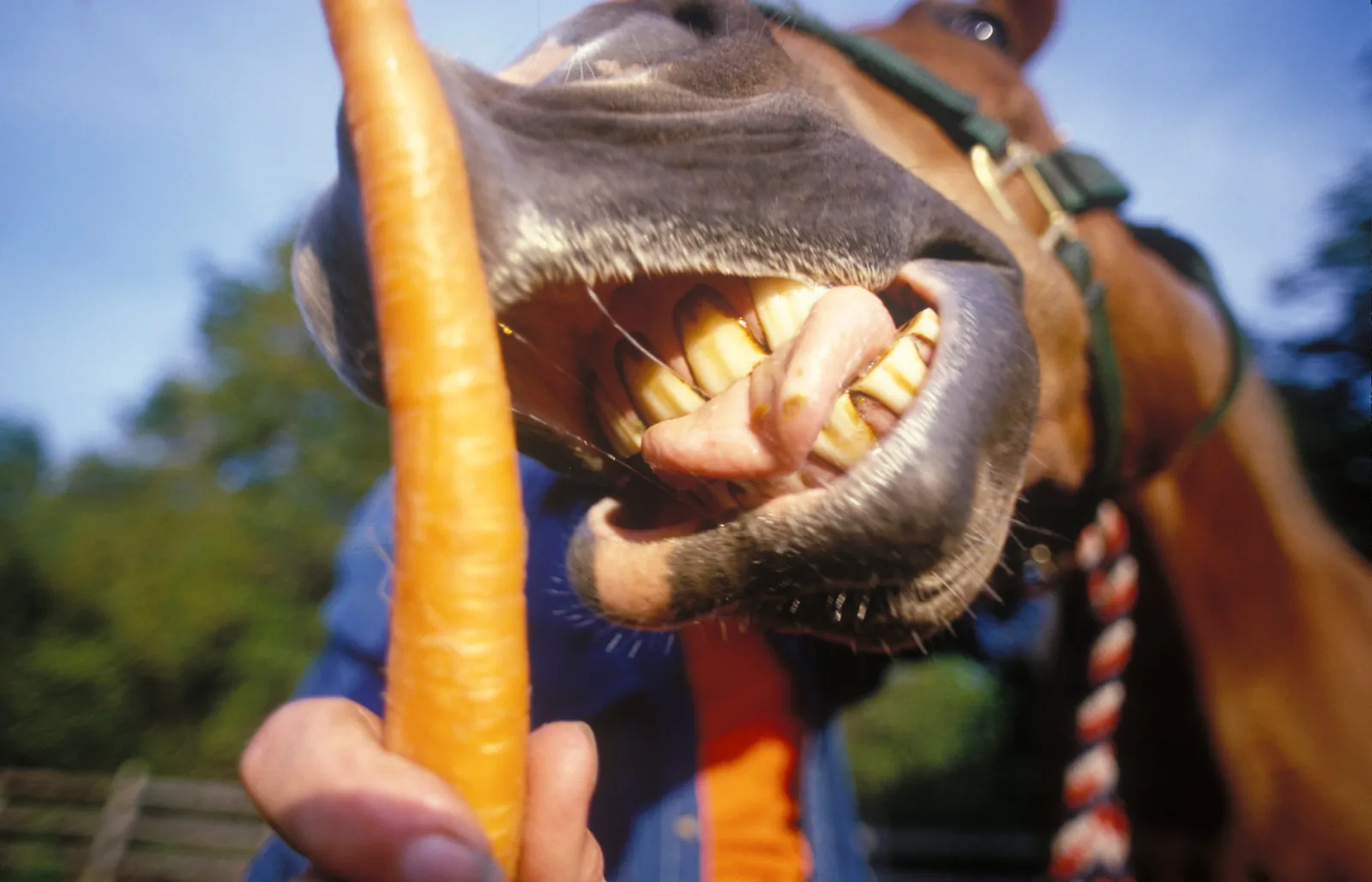
Excessive salivation or nasal discharge often indicates a blockage in the esophagus. If you see fluid pooling around the muzzle or dripping from the nostrils, the carrot may be lodged in the throat.
Repeated neck stretching is a desperate attempt to clear an obstruction. Watch for the horse extending their head forward and upward while arching their neck. This rhythmic movement is a clear sign of distress.
Dropping food while chewing suggests the horse can’t swallow properly. If they begin to eat and then suddenly spit out partially chewed boluses, they’re likely struggling with a physical blockage.
Signs of colic, such as pawing at the ground or rolling, indicate significant abdominal pain. This distress often follows a feeding attempt that went wrong.
Refusal to eat is a major red flag. If a horse suddenly turns away from their regular hay or grain after being offered a carrot, they may have a painful obstruction.
If you notice these signs, stop feeding immediately. Don’t force water or oil down the throat, as this can lead to aspiration pneumonia. Call your veterinarian if symptoms persist.
Preparing Carrots for Your Horse
Wash the carrots thoroughly to remove all dirt and potential pesticides that might be lingering on the skin. A quick rinse under cold water is usually sufficient to dislodge stubborn soil particles.
Slice the carrots into small, bite-sized pieces rather than large chunks to reduce the risk of the pieces getting stuck. Circular chunks or long sticks are both prone to lodging in the esophagus if they’re too large; always chop carrots into small, bite-sized pieces.
Limit the serving size to no more than 2 or 3 medium-sized carrots per day for a healthy, active horse. This prevents unnecessary sugar intake while still providing a rewarding treat.
Remove all green tops if they appear wilted, as they can sometimes harbor mold or grit. Fresh, healthy greens are safe, but decay can hide in the foliage.
Feed the pieces by hand in an open palm or place them in a feed bucket to encourage slow chewing. This keeps your fingers safe while ensuring the horse eats at a measured, deliberate pace.
Monitor the horse for a few minutes after feeding to ensure they’re chewing and swallowing without any difficulty.
If Your Horse Has Already Eaten Too Many
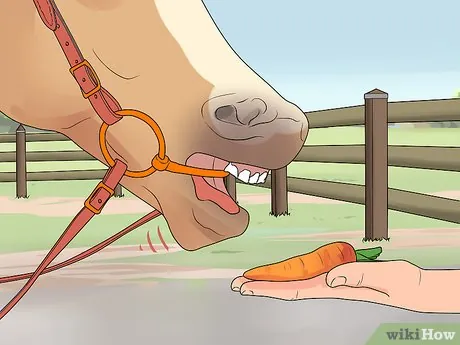
If your horse has gained access to a large bag of carrots, they’re at risk of colic or laminitis. First, restrict access to any further food and keep the horse calm in a safe, quiet area. Observe them closely for signs of discomfort, such as frequent lying down, sweating, or looking at their flanks.
Contact your veterinarian immediately if you suspect they have consumed a large quantity, as they may need to administer mineral oil or monitor for impaction. Don’t wait for symptoms to worsen, as early intervention is critical when dealing with potential digestive blockages or metabolic surges. If you’re uncertain about the amount consumed, always err on the side of caution and seek professional guidance.
Keep a log of the time the incident occurred and any behavioral changes you notice. This timeline helps your veterinarian assess the risk of sugar-induced laminitis or gastric distress. Ensure the horse has access to fresh, clean water, as hydration is essential for digestion. Monitor their manure output closely over the next twenty-four hours to ensure their system is still moving.
Frequently asked questions
Can horses eat carrot tops?
Yes, horses can safely eat fresh, clean carrot tops as part of their diet. Ensure the leaves are free from pesticides and dirt before offering them, and only provide them in small amounts to avoid digestive upset.
How many carrots can a horse have in a day?
A safe limit is usually 2 to 3 medium-sized carrots per day for a healthy adult horse. Providing more than this can lead to an imbalance in the horse’s diet due to the high sugar content found in root vegetables.
Why do horses choke on carrots?
Horses choke on carrots because they often fail to chew long, whole pieces thoroughly before swallowing. The piece becomes lodged in the esophagus, which is a narrow tube, causing the horse to panic and struggle to clear the obstruction.
Is it safe to feed carrots to a horse with laminitis?
No, it isn’t safe to feed carrots to a horse with laminitis because of their high sugar content. High-sugar treats can exacerbate insulin spikes, which are directly linked to the progression of laminitic pain and hoof inflammation.
How should I cut carrots for my horse?
You should cut carrots lengthwise into thin sticks that are easy for the horse to break down. Avoid cutting them into large chunks or long sticks, as these are more likely to be swallowed whole and cause a choking hazard.
Does it matter if the carrots are organic?
It doesn’t strictly matter for safety as long as you wash them well to remove any chemical residue. However, organic carrots are often preferred by owners who want to avoid potential pesticide exposure for their animals.
Can I feed carrots to a miniature horse?
Yes, but you must significantly reduce the portion size to account for their smaller body weight. A single small carrot stick is usually sufficient for a miniature horse, as their digestive systems are more sensitive to sugar spikes.
Conclusion
Adding these crunchy snacks to your horse’s routine can be a fun way to bond, provided you keep the portions small. It’s a good idea to chat with your veterinarian about your horse’s specific diet before introducing new foods. They’ll help you ensure your friend stays healthy and happy for years to come.