
To ensure a comfortable ride, you can choose the right horse saddle by matching the tree width to the horse’s shoulders while selecting a seat size that leaves a hand’s width of space for the rider. You’ll need to evaluate both the horse’s back shape and your own riding discipline to avoid long-term discomfort or injury. This process works best for riders who have access to a qualified saddle fitter or a professional trainer.
Choosing the Right Gear for Your Horse
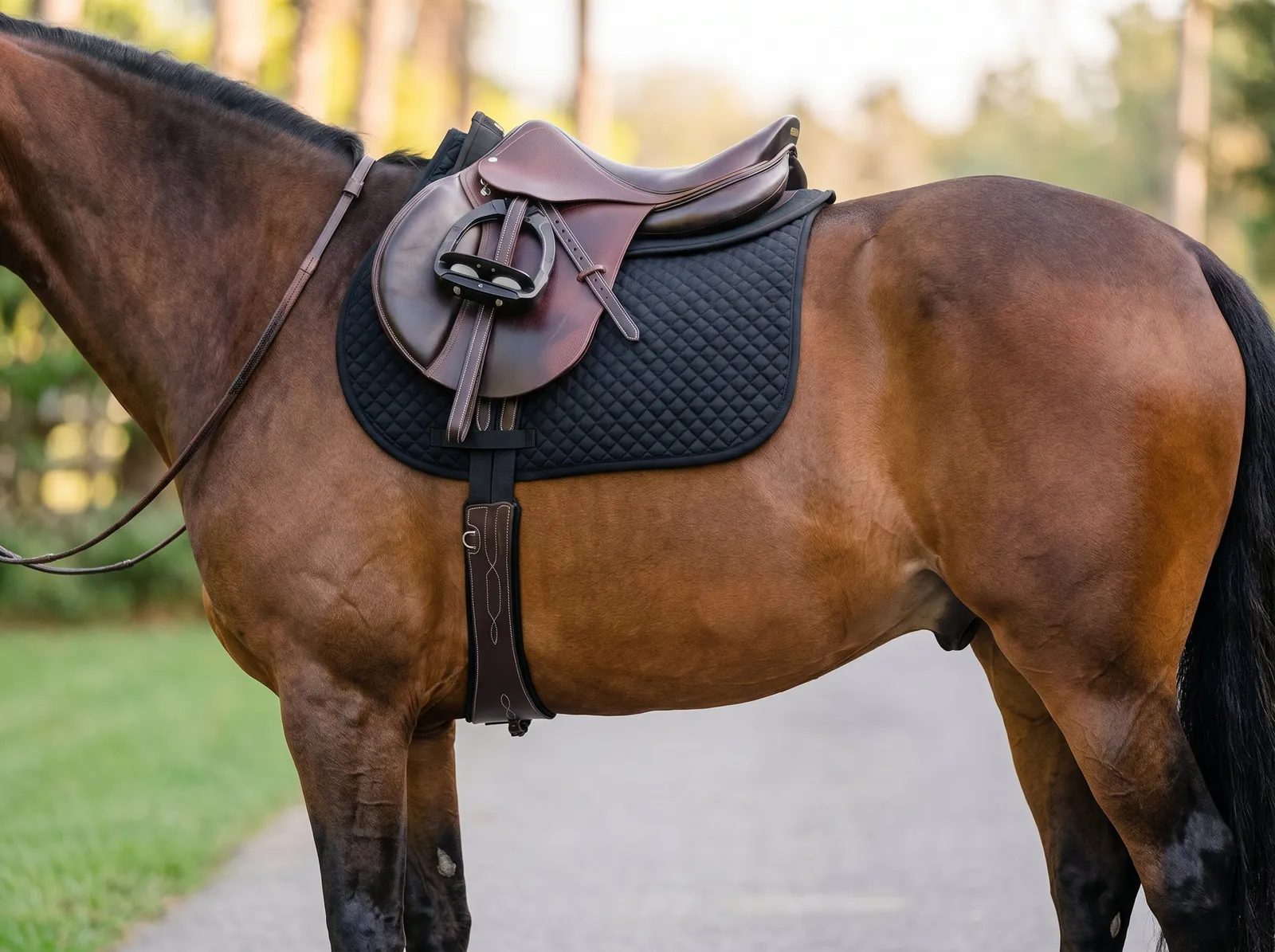
You should gather specific tools to assess the fit of any equipment you intend to use. These items help you identify pressure points and ensure the seat is balanced for both you and the animal.
- A flexible measuring tape for calculating the horse’s wither width and back length.
- A set of wither tracing tools or flexible curves to record the horse’s shoulder shape.
- A saddle pad that’s thin enough to allow you to feel the true contact points.
- A level or a smartphone app to check that the seat remains balanced.
- A notebook to record the measurements for your specific horse’s anatomy.
Always test a saddle without a thick corrective pad first, as these pads often hide fit issues that need correction. You can rent professional measuring tools at most local equestrian supply shops if you don’t wish to purchase them.
Steps for Selecting a Proper Saddle
- Measure the horse’s wither width by placing a flexible curve over the withers, about two inches behind the shoulder blade, and tracing the shape.
- Compare this tracing to the gullet width of the saddle to ensure there’s at least two fingers of clearance between the pommel and the horse’s spine.
- Check the length of the saddle panels so they don’t extend past the last rib of the horse, which prevents painful pressure on the loin area.
- Sit in the saddle on a stationary horse and ensure you have a hand’s width of room in front of and behind your seat.
- Observe the saddle’s balance; the lowest point of the seat should be exactly in the middle, not tipped forward or backward.
- Walk the horse and watch for any restriction in shoulder movement, which indicates the tree is too narrow or the bars are uneven.
- Check for dry spots under the saddle after a ride, as these indicate areas of high pressure where the saddle isn’t making even contact.
Careful: If you notice white hairs appearing on the horse’s back after several rides, the saddle is causing pressure points and you must stop using it immediately. Tip: Always tighten the girth gradually to allow the horse to exhale, preventing the saddle from shifting during your initial mount.
Situations Affecting Saddle Requirements
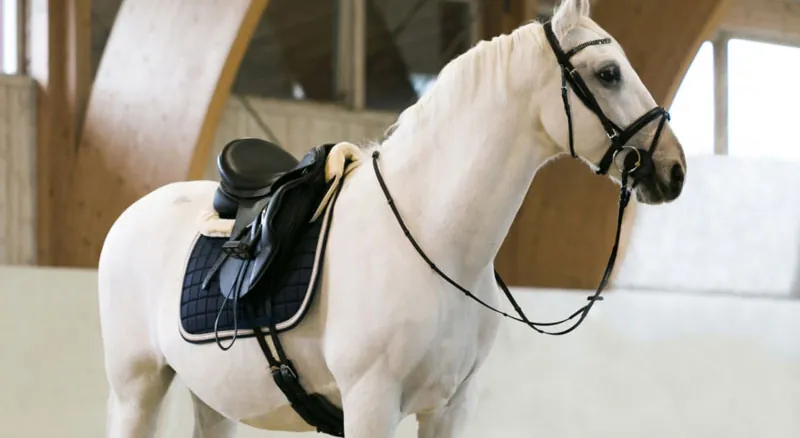
The type of riding you do changes the shape and weight of the gear you need to buy. Starting with a basic, well-fitted model is safer than purchasing a highly specialized one that might not suit your current skill level.
| Situation | Time Required | Cost Factor | Key Variation |
|---|---|---|---|
| English Jumping | 2-3 hours | High | Forward flaps |
| Western Trail | 1-2 hours | Medium | Heavy base |
| Dressage | 3-4 hours | High | Deep seat |
| General Riding | 1 hour | Low | Flat seat |
If you’re a beginner, start with a versatile, standard-sized saddle and add specific padding only if a professional fitter suggests it.
Identifying a Correct Fit
A good fit allows the horse to move freely without the saddle shifting or pinching the shoulders. When the saddle is correct, the rider feels stable and centered, with the legs hanging naturally under the hips.
A poor fit often results in a horse that acts “girthy,” pins its ears, or hollows its back during saddling. This usually happens because the tree bars are too wide or too narrow for the horse’s specific muscling.
You can prevent this by performing a “pencil test.” Place a pencil on the horse’s back under the panel to see if it rolls; if it stays put, the saddle is bridging and contact is uneven.
Beyond the pencil test, check the clearance over the withers. You should be able to fit two or three fingers between the pommel and the horse. If the saddle rests directly on the spine, it will cause bruising during long rides. Always evaluate the fit while the horse is standing square on level ground.
Standards and Maintenance Rules
The primary rule for safety is to ensure the saddle tree remains structurally sound, as a broken tree causes uneven pressure that can lead to permanent muscle atrophy. After every ride, wipe down the leather and check the stitching on the girth billets, which are the most common points of failure.
If you find cracks in the leather or loose hardware, take the item to a professional saddler for repair. Never attempt to modify the tree of a saddle yourself, as this requires specialized machinery and can void the manufacturer’s warranty. If you’re unsure about the structural integrity, contact a certified professional saddler to conduct a safety inspection.
Alternative Approaches to Saddle Fitting
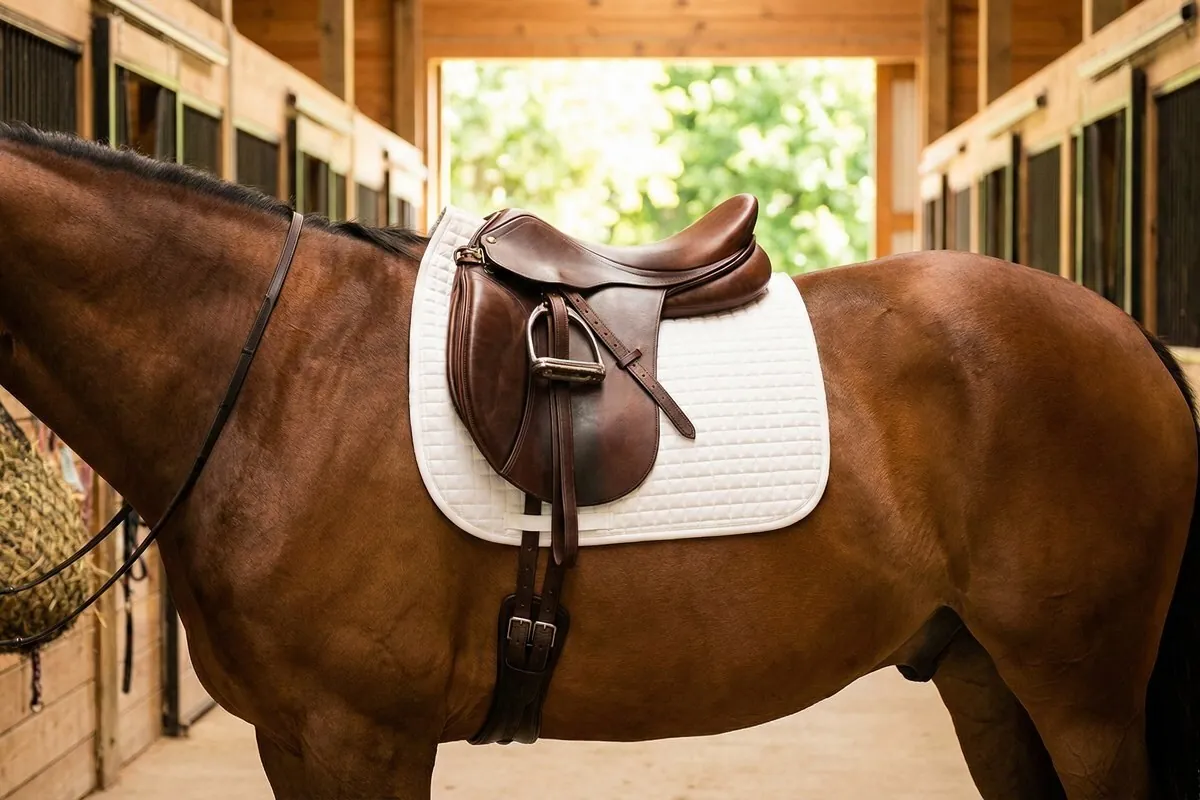
Hiring a Professional Fitter
Bringing in a certified expert removes the guesswork. They use specialized templates to match the saddle to the horse’s unique back shape. While this costs more upfront, it saves money by preventing the need for multiple trial purchases and ensures the horse remains comfortable during intense work.
Using Adjustable Gullet Saddles
Some modern saddles feature interchangeable gullet plates. This allows you to change the width of the tree as the horse gains or loses muscle throughout the seasons. It’s a cost-effective solution for young horses that are still developing their topline and changing their physical shape.
Renting Before Buying
Many local barns allow you to rent different saddle models for a week. This lets you test the fit under actual riding conditions rather than just standing still. It’s the best way to determine if a specific brand’s seat shape works for your body before committing to a purchase.
Related guides
Frequently asked questions
How long should a horse saddle last?
A high-quality leather saddle can last for a significant portion of a rider’s career with proper cleaning, conditioning, and storage in a climate-controlled area. The lifespan depends heavily on how often you ride and how religiously you clean the leather after exposure to sweat and moisture.
How much does a professional saddle fitting cost?
A professional fitting is relatively inexpensive compared to the cost of replacing an ill-fitting saddle, depending on your location and whether you have a horse that requires complex adjustments. This service is a one-time fee per visit, though you may need a follow-up check if the horse’s fitness level changes significantly over the next few months.
Can I use a saddle that’s too big?
No, you should never use a saddle that’s too big, as it will likely slip and cause dangerous instability for the rider. A large saddle also creates uneven pressure points on the horse’s back that can lead to soreness or long-term injury to the spine and muscles.
How do I know if the saddle is too narrow?
A saddle is too narrow if it sits high on the horse’s withers and causes the pommel to pinch the shoulders. You’ll notice the horse resisting the bit or pinning its ears when you tighten the girth, and you may see dry spots in the middle of the sweat pattern after a ride.
Is it safe to buy a used saddle?
Yes, it’s safe to buy used, provided you have a professional check the tree for cracks and the stitching for rot before you use it. Always inspect the underside panels for lumpy flocking or uneven wear, as these signs suggest the saddle was improperly fitted to a previous horse.
What happens if the saddle is too long?
A saddle that’s too long will exert pressure on the horse’s sensitive lumbar region, which isn’t designed to carry weight. This often causes the horse to hollow its back, drop its head, or buck during transitions, as the movement of the bars causes pain in the rear of the saddle.
Conclusion
Finding the perfect fit takes patience, but your horse will surely thank you for the extra effort. Once you have narrowed down your options, don’t hesitate to take a test ride before you commit to a purchase. You’ll feel the difference immediately when you’re both moving in complete harmony together.