
Learning about horses can be exciting, but for many beginners, it feels complicated. Horses are large, strong animals. Their care, training, and understanding require patience and clear steps. If you want to know how to approach, interact, and work with horses safely and confidently, this guide will help.
We’ll break down everything you need—from basic horse knowledge to hands-on activities—so you can start your journey with horses in a simple, step-by-step way.
Whether you dream of riding, owning, or simply enjoying horses, understanding the basics is essential. You’ll discover how to read a horse’s body language, groom, lead, and ride. Most importantly, you’ll learn how to keep both yourself and the horse safe.
Many people skip important steps and make mistakes, but this article will highlight those areas, share practical examples, and give you clear instructions. Let’s take each step together and make working with horses easy.
Understanding Horses: The Basics
Before you touch or ride a horse, you must know some basic facts. Horses are prey animals. They notice quick movements and loud noises. They communicate mainly with their body language.
Key Horse Facts
- Average weight: 900–2,000 pounds (adult horses)
- Height: 14–17 hands (1 hand = 4 inches)
- Lifespan: 25–30 years
- Social: Horses live in groups (herds) and feel safer with friends
Horse Behavior
Horses react quickly to danger. Their main ways to defend themselves are:
- Running away
- Kicking
- Biting
A calm horse will have relaxed ears, soft eyes, and a loose tail. A nervous horse may have wide eyes, stiff body, or pinned-back ears. Watch these signs before approaching.
Common Breeds
Some breeds are easier for beginners:
- Quarter Horse: Calm, good for riding
- Arabian: Smart, but sometimes energetic
- Draft Horse: Big, gentle, often used for work
Knowing the breed helps you understand the horse’s personality.
Preparing To Meet A Horse
Before you interact with a horse, prepare yourself and the area. This keeps you safe and makes the horse comfortable.
What To Wear
- Boots with a hard toe (protects feet)
- Long pants (avoids scratches)
- Helmet (for riding safety)
- Avoid loose scarves, bags, or jewelry
Setting Up The Area
- Remove loud objects and trash
- Close gates or fences
- Make sure the horse can’t escape
Washing Hands
Always wash your hands before and after touching a horse. Horses can carry bacteria, and you want to avoid spreading germs.
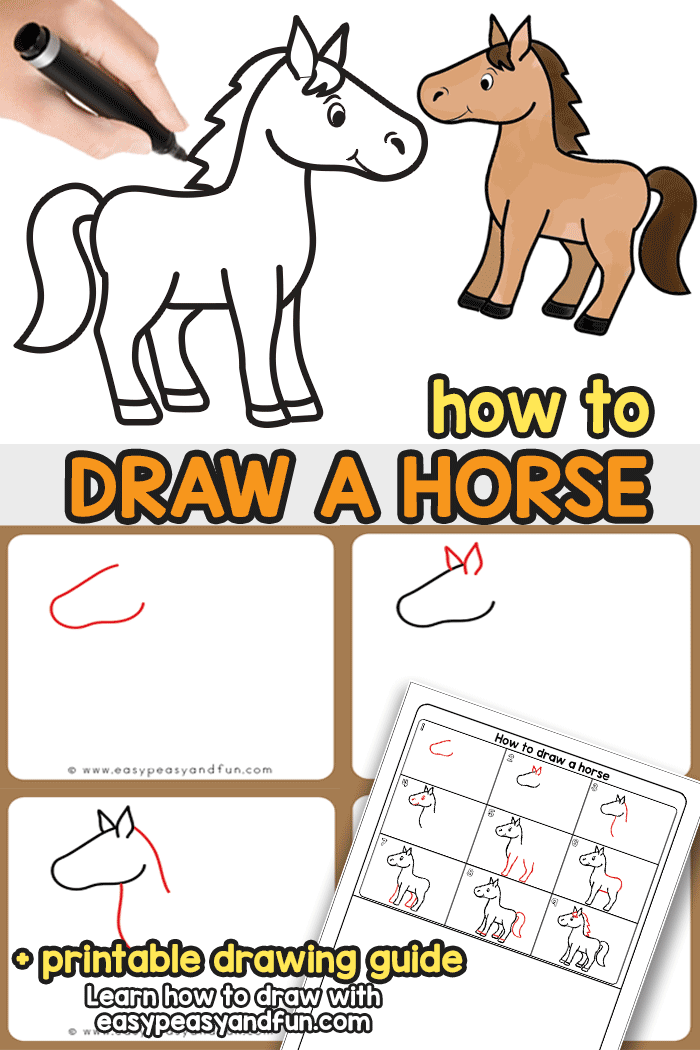
Credit: www.easypeasyandfun.com
Step-by-step: Approaching A Horse
Many beginners rush toward horses. This scares them. Follow these steps for a safe approach:
- Stand to the side: Horses see best from the sides, not the front or back.
- Speak softly: Let the horse hear your voice.
- Move slowly: Walk, don’t run.
- Watch ears and eyes: If ears are pinned or eyes are wide, stop and wait.
- Offer your hand: Let the horse smell your hand.
If the horse turns away, do not chase. Wait until it shows interest.
Common Mistakes
- Approaching from behind (horses can kick)
- Waving arms or making loud noises
- Trying to pet the face before the horse is ready
Haltering And Leading
Once the horse trusts you, you can use a halter and lead rope to guide it.
How To Put On A Halter
- Stand on the left side (horses are trained from the left).
- Hold the halter in your right hand, lead rope in your left.
- Slide the halter over the nose, then buckle behind the ears.
Leading The Horse
- Walk beside the horse’s shoulder, not in front.
- Hold the lead rope, but do not wrap it around your hand.
- Walk calmly. If the horse pulls, stop and wait.
Data Table: Common Halter Types
| Type | Material | Best For | Beginner Friendly |
|---|---|---|---|
| Nylon | Synthetic fiber | Everyday use | Yes |
| Leather | Animal skin | Shows, riding | Yes |
| Rope | Braided rope | Training | No |
Leather and nylon halters are safest for new horse handlers.
Grooming: Keeping The Horse Clean
Grooming is more than making the horse look nice. It helps you bond and keeps the horse healthy.
Tools You Need
- Curry comb: Removes dirt and loose hair
- Body brush: Makes coat smooth
- Hoof pick: Cleans hooves
Step-by-step Grooming
- Tie the horse safely, using a quick-release knot.
- Use the curry comb in circles on the body.
- Brush with the body brush, moving in the direction of hair growth.
- Pick up each hoof and clean with the hoof pick.
Do not stand directly behind the horse. Always let the horse know what you’re doing.
Grooming Data Table
| Tool | Purpose | How Often | Beginner Tip |
|---|---|---|---|
| Curry comb | Remove dirt | Daily | Use gentle pressure |
| Body brush | Smooth coat | Daily | Brush with hair growth |
| Hoof pick | Clean hooves | Before/after riding | Do not poke frog area |
Hoof cleaning is often missed by beginners. Dirty hooves can cause pain or disease.
Feeding Horses: Simple Guidelines
Horses eat mainly hay, grass, and grain. They need fresh water all the time.
Basic Diet Plan
- Hay: 1.5–2% of body weight per day
- Grain: Only for working horses
- Salt block: For minerals
- Water: 5–10 gallons per day
Do not feed horses bread, chocolate, or human snacks. Some foods are toxic.
Feeding Schedule Example
Morning:
- Hay (5–8 pounds)
- Water (fresh)
Afternoon:
- Hay (5–8 pounds)
- Grain (if needed)
- Water
Evening:
- Hay (5–8 pounds)
- Water
Common Feeding Mistakes
- Overfeeding grain (causes stomach problems)
- Not enough water
- Sudden change in diet
Riding: Easy Steps For Beginners
Riding a horse is a big goal for many people, but it starts with basics. You must learn to mount, balance, and control the horse.
Mounting The Horse
- Stand on the left side.
- Hold the reins in your left hand.
- Put your left foot in the stirrup.
- Push up and swing your right leg over.
- Sit gently in the saddle.
Basic Riding Commands
- Walk: Squeeze gently with your legs.
- Stop: Pull reins lightly and say “whoa.”
- Turn: Pull the rein to one side.
Safety Tips
- Always wear a helmet.
- Start in a fenced area.
- Keep your heels down and back straight.
Riding Data Table
| Skill | Difficulty | Common Mistakes | Tip |
|---|---|---|---|
| Mounting | Easy | Jumping or rushing | Move slowly |
| Balance | Medium | Leaning forward | Look ahead |
| Turning | Easy | Pulling too hard | Use gentle hands |
Many beginners forget to keep their hands low and gentle. Rough hands can scare or confuse the horse.
Horse Health: What To Watch For
Keeping a horse healthy is part of easy horse care. You must know the signs of problems and when to call a vet.
Signs Of Good Health
- Bright eyes
- Shiny coat
- Regular eating and drinking
- Moving easily
Common Health Problems
- Colic: Stomach pain, rolling or kicking belly
- Laminitis: Pain in the feet, limping
- Coughing or runny nose: Possible infection
When To Call A Vet
- Horse won’t eat or drink
- Sudden lameness (can’t walk)
- Injuries or bleeding
Basic First Aid Steps
- Keep the horse calm.
- Move to a safe area.
- Call a vet if needed.
Many new horse owners overlook regular hoof trimming and dental checks. These are important for long-term health.

Credit: www.emilydrawing.com
Bonding With Your Horse
Building trust takes time. Horses remember kind actions and gentle handling.
Steps To Build Trust
- Spend time near the horse without asking for anything.
- Use calm, consistent voice and actions.
- Offer healthy treats (like carrots or apples).
- Groom regularly.
- Avoid punishing or yelling.
Activities For Bonding
- Walking together in a safe area
- Playing with simple toys (like a ball)
- Learning new tricks (touching a target, backing up)
Some people try to rush bonding by riding too soon. Horses need time to trust you before they feel safe with new activities.
Horse Training: Step By Step
Training a horse can be easy if you use small steps and repeat often.
Basic Groundwork
- Teach the horse to walk beside you on a lead.
- Practice stopping and turning.
- Reward good behavior with treats or gentle pats.
Riding Training
- Start with short rides (10–20 minutes).
- Practice simple commands.
- End each session with something positive.
Training Data Table
| Step | Goal | Time Needed | Beginner Advice |
|---|---|---|---|
| Groundwork | Trust and control | 2–4 weeks | Repeat daily |
| Basic riding | Balance and steering | 4–6 weeks | Start slow |
| Advanced riding | Speed and skill | 2–6 months | Work with a trainer |
Beginner trainers often skip groundwork. This leads to problems later, so always start with groundwork.

Credit: iheartcraftythings.com
Horse Safety: Avoiding Accidents
Safety is the most important step for easy horse handling.
Basic Safety Rules
- Never stand directly behind a horse.
- Do not run or shout near horses.
- Keep gates and fences closed.
- Always tell someone when you work with a horse.
Equipment Safety
- Use only strong, horse-safe gear.
- Check saddles, halters, and ropes for damage.
- Never tie a horse with a rope that cannot be released quickly.
Personal Safety
- Wear a helmet when riding.
- Wear boots to protect your feet.
- Avoid loose clothing.
Most accidents happen when rules are ignored. Stay alert and respect the horse’s space.
The Horse’s Daily Routine
A horse’s day includes eating, resting, and exercise. Keeping a routine makes the horse feel safe.
Example Daily Schedule
Morning:
- Feeding and watering
- Grooming
Midday:
- Exercise (riding, walking)
- Rest in a safe area
Afternoon:
- Feeding
- Light grooming
Evening:
- Feeding
- Checking health
Horses like routines. Sudden changes in schedule can cause stress.
Choosing The Right Horse
If you want to own or ride a horse, choose one that matches your skill level.
Factors To Consider
- Age: Older horses are often calmer.
- Size: Choose a horse that fits your height and weight.
- Training: Well-trained horses are easier for beginners.
- Health: Check for signs of illness.
Mistakes To Avoid
- Picking a young, untrained horse
- Choosing based on looks only
- Ignoring health checks
Comparison Table: Beginner-friendly Breeds
| Breed | Size | Temperament | Beginner Suitability |
|---|---|---|---|
| Quarter Horse | Medium | Calm | Excellent |
| Arabian | Small/Medium | Smart, energetic | Good, with guidance |
| Draft Horse | Large | Gentle | Very good |
| Pony | Small | Friendly | Good for children |
Quarter Horses and Draft Horses are often best for beginners.
Horse Equipment: What You Need
Having the right gear makes horse care easier.
Basic Equipment List
- Halter and lead rope
- Saddle (with girth and stirrups)
- Bridle (with bit and reins)
- Grooming kit
- Helmet and boots
Equipment Care Tips
- Clean tack after each use
- Store in a dry place
- Check for wear and tear
Many beginners forget to check saddle fit. An ill-fitting saddle can hurt the horse.
Common Beginner Mistakes
Even with clear steps, mistakes happen. Here are the most common and how to avoid them:
- Skipping groundwork: Start with handling before riding.
- Moving too fast: Let the horse set the pace.
- Ignoring body language: Learn to read the horse.
- Poor feeding habits: Stick to safe foods and routines.
- Lack of safety gear: Wear a helmet and boots every time.
- Not calling a vet: If unsure, always ask for help.
Practical Tips For Easy Horse Handling
- Be patient. Horses learn slowly.
- Use positive reinforcement (treats, pats).
- Stay calm, even if the horse is nervous.
- Practice daily if possible.
- Work with a trainer for advanced skills.
Where To Learn More
If you want deeper horse knowledge, visit equestrian centers, read books, or join horse clubs. Online resources like Wikipedia offer reliable information for horse enthusiasts.
Frequently Asked Questions
How Do I Know If A Horse Is Friendly?
Watch for relaxed ears, soft eyes, and a calm tail. Friendly horses may approach you or seem interested. If a horse turns its back or pins its ears, wait and give space.
What Is The Safest Way To Lead A Horse?
Walk beside the horse’s shoulder, hold the lead rope firmly (never wrap it around your hand), and keep calm. Always lead from the left side.
Can I Ride Any Horse As A Beginner?
Not all horses are suitable for beginners. Choose calm, older, well-trained horses. Avoid young or untrained animals until you have more experience.
How Often Should I Groom My Horse?
Daily grooming is best, even if you don’t ride every day. It keeps the horse clean, healthy, and helps build trust.
What Foods Are Dangerous For Horses?
Avoid bread, chocolate, onions, potatoes, and human snacks. Horses should eat hay, grass, and, sometimes, grain. Always provide fresh water and salt blocks.
Working with horses is rewarding, but you must take each step carefully. From understanding their behavior to riding and training, patience and attention are key. Remember, horses are sensitive animals. Treat them kindly, follow these easy steps, and you’ll build a safe and happy partnership.