
Gastric ulcers are a pervasive health issue in horses, affecting up to 90% of racehorses and more than 60% of performance horses, according to research from the American Association of Equine Practitioners (AAEP). These painful lesions in the stomach lining not only compromise a horse’s well-being but also impact athletic performance, weight maintenance, and overall demeanor.
Early detection and effective treatment are critical, yet managing gastric ulcers in equine patients requires a nuanced, multi-faceted approach tailored to each horse’s unique circumstances and risk factors.
The complexities of diagnosing and treating gastric ulcers are compounded by the variety of contributing factors, from intensive exercise regimens to dietary imbalances and environmental stressors. Owners, trainers, and veterinarians must work collaboratively to select the most effective treatment strategies, drawing from evidence-based protocols and the latest scientific research.
This article provides a comprehensive, data-driven guide to the treatment of gastric ulcers in horses, including medication options, dietary management, real-world case studies, and practical steps to prevent recurrence.
Key Takeaways
- Gastric ulcers are highly prevalent in horses, especially in athletic and performance populations.
- Early diagnosis and targeted treatment significantly improve recovery and reduce recurrence rates.
- Omeprazole remains the gold standard for medical therapy, but adjunctive strategies enhance outcomes.
- Dietary management and stress reduction are essential components of both treatment and prevention.
- Regular monitoring and follow-up are critical for long-term gastric health.
- Always consult a veterinarian before initiating treatment for suspected gastric ulcers.
Understanding Gastric Ulcers In Horses
Gastric ulcers, formally known as Equine Gastric Ulcer Syndrome (EGUS), are erosions or sores in the lining of a horse’s stomach. Horses have a unique stomach anatomy, divided into the squamous (nonglandular) and glandular regions, each with different susceptibility to ulceration.
Causes And Risk Factors
Several factors increase the likelihood of gastric ulcers in horses:
- High-grain diets and infrequent feeding
- Intensive exercise and training schedules
- Chronic stress from transport, competition, or changes in environment
- Non-steroidal anti-inflammatory drugs (NSAIDs)
- Limited access to forage or turnout
According to the AAEP, the prevalence of gastric ulcers is notably higher in racing and performance horses, with rates approaching 90% in some Thoroughbred populations (AAEP). Even pleasure horses are not immune, especially when management practices disrupt their natural grazing behaviors.
Clinical Signs
Gastric ulcers can manifest with a wide range of symptoms, many of which are subtle or overlap with other conditions:
- Reduced appetite
- Weight loss or poor body condition
- Mild, recurrent colic
- Behavioral changes such as irritability, girthiness, or reluctance to work
- Poor performance or decreased stamina
- Dull coat
In my experience, horses with gastric ulcers often show vague, inconsistent signs that are easily overlooked. Early intervention is key, waiting until symptoms become severe can delay recovery.
Diagnosis
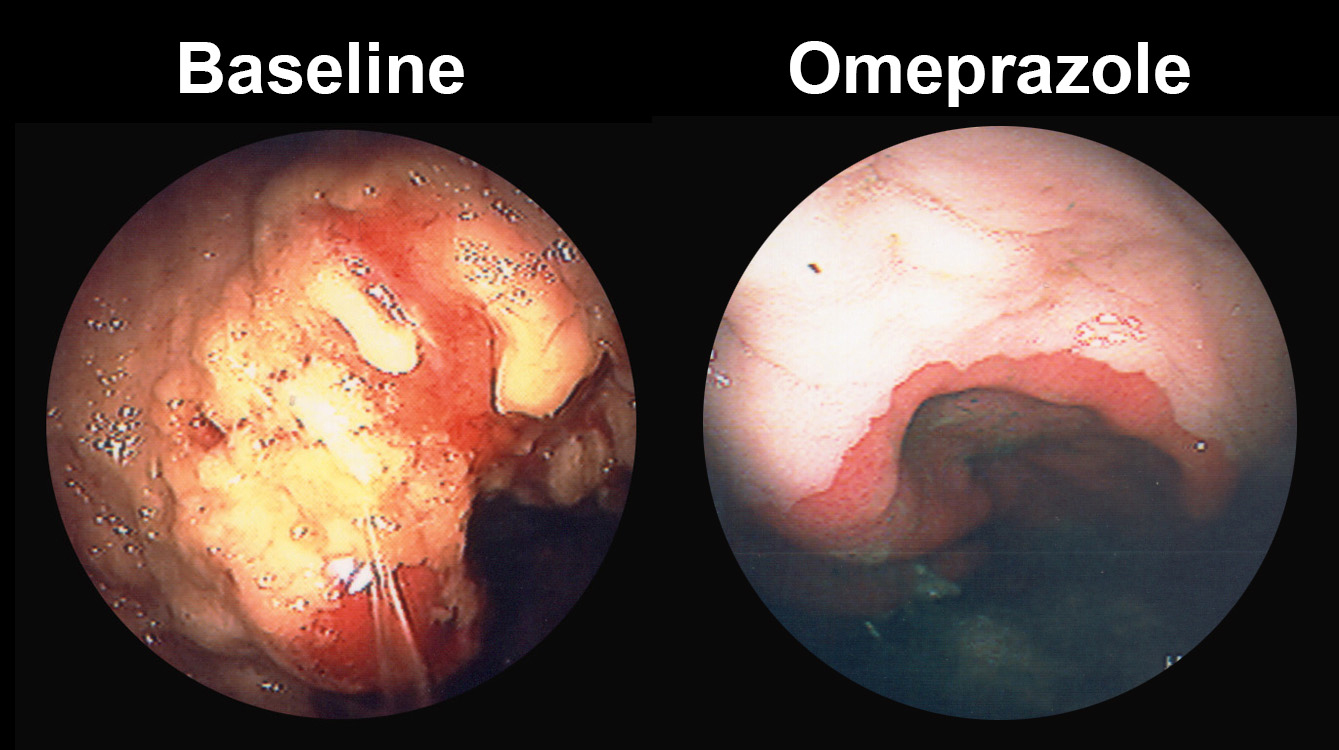
The definitive diagnosis of gastric ulcers is achieved through gastroscopy, a procedure where a veterinarian uses a flexible endoscope to visualize the stomach lining. This technique allows for direct assessment of the number, location, and severity of lesions. Blood tests, fecal occult blood tests, or response to treatment may provide supportive evidence but are less reliable than gastroscopy.
Pro Tip: Gastroscopy should always be performed by a licensed veterinarian, as sedation and specialized equipment are required.
Credit: ceh.vetmed.ucdavis.edu
Medical Treatment Options
The mainstay of gastric ulcer treatment in horses is targeted acid suppression using medications that reduce gastric acidity, allowing ulcerated tissue to heal.
Proton Pump Inhibitors (ppis): Omeprazole
Omeprazole is the only FDA-approved medication for the treatment and prevention of gastric ulcers in horses. It works by irreversibly blocking the gastric proton pump, thereby reducing acid secretion.
- Dosing: Typically administered orally once daily at 4 mg/kg for treatment, and 1-2 mg/kg for prevention.
- Duration: Treatment courses range from 14 to 28 days, with reassessment via gastroscopy.
Efficacy: Clinical studies have shown omeprazole achieves healing rates of up to 80% in squamous ulcers when used as directed (PubMed).
Cost: Omeprazole is relatively expensive, especially in branded formulations, but compounded alternatives may vary in bioavailability.
H2 Receptor Antagonists: Ranitidine And Cimetidine
Ranitidine and cimetidine are H2 blockers that decrease acid production by inhibiting histamine receptors in the stomach. While less potent than omeprazole, they can be useful adjuncts or alternatives.
- Dosing: Ranitidine is typically administered 2-3 times daily due to its shorter duration of action.
- Limitations: Less effective for severe or glandular ulcers and require more frequent dosing.
Sucralfate And Cytoprotective Agents
Sucralfate acts as a local protectant, adhering to ulcerated mucosa and shielding it from acid. While not a substitute for acid suppression, sucralfate is often used alongside PPIs, especially for glandular ulcers.
- Dosing: Given orally 2-3 times per day, ideally 30 minutes before feeding.
- Role: Enhances healing in the glandular region and may be beneficial in refractory cases.
Combination Therapy
In some horses, especially those with glandular ulcers or incomplete response to single agents, a combination of omeprazole and sucralfate may be prescribed.
Example: A performance horse with persistent glandular ulcers failed to improve after 4 weeks of omeprazole alone, but healed after adding sucralfate to the regimen.
Data Table: Common Medications For Gastric Ulcers
| Medication | Mechanism | Typical Dosage | Frequency | Notes |
|---|---|---|---|---|
| Omeprazole | Proton pump inhibitor | 4 mg/kg | Once daily | Gold standard; best for squamous ulcers |
| Ranitidine | H2 receptor blocker | 6.6 mg/kg | 2-3 times daily | Less effective for glandular ulcers |
| Sucralfate | Cytoprotective agent | 20 mg/kg | 2-3 times daily | Adjunctive; useful for glandular ulcers |
Monitoring And Follow-up
After initiating therapy, most veterinarians recommend a repeat gastroscopy at the end of the treatment period. This allows for:
- Assessment of healing
- Adjustment of medication if necessary
- Transition to a preventive regimen

Credit: thehorse.com
Nutritional And Management Strategies
Medication alone is rarely sufficient for long-term success. Dietary modifications and environmental management play a central role in both treatment and prevention.
Forage-based Diets
Horses are natural grazers, adapted to consume small amounts of forage throughout the day. Increasing access to quality hay or pasture:
- Buffers stomach acid with saliva production
- Promotes a more stable gastric environment
- Reduces periods of fasting that predispose to ulcers
Pro Tip: Alfalfa hay is particularly beneficial, as its higher calcium content provides additional buffering capacity.
Grain And Concentrate Management
High-starch diets increase acid production and decrease the time feed spends in the stomach. To minimize risk:
- Feed smaller, more frequent meals
- Substitute fat or fiber sources for grain when possible
- Avoid large single grain meals
Water Access
Continuous access to clean, fresh water is essential. Dehydration can worsen ulcer risk and delay healing.
Stress Reduction
Stressful events, including frequent transport, competition, or changes in routine, are strongly linked to ulcer development. Strategies to reduce stress include:
- Consistent daily routines
- Maximizing turnout or social interaction with other horses
- Minimizing abrupt changes in feed or environment
Example: Management Overhaul
A show jumper with recurrent ulcers despite medication was transitioned to 24/7 turnout, free-choice hay, and a high-fiber, low-starch diet. The horse’s ulcers resolved without additional medication, highlighting the importance of management in treatment.

Credit: www.firstchoiceequine.com
Preventing Recurrence
Because horses remain at risk for gastric ulcers throughout their lives, a proactive approach is necessary to prevent relapse.
Gradual Changes
Whenever possible, make dietary and management changes gradually. Abrupt alterations in feed, housing, or exercise increase stress and ulcer risk.
Preventive Omeprazole Use
For horses facing unavoidable stressors (e. g. , competition, transport), short courses of low-dose omeprazole may be recommended as prophylaxis.
- Dosing: 1 mg/kg once daily, starting 2-3 days before the event and continuing until normal routines resume.
Monitoring Body Condition And Behavior
Regularly assess your horse’s:
- Appetite
- Attitude
- Body weight and condition
- Performance
Early recognition of subtle changes allows for prompt intervention.
Data Table: Prevention Strategies Vs. Risk Factors
| Risk Factor | Prevention Strategy | Effectiveness |
|---|---|---|
| High grain diet | Increase forage, reduce starch | High |
| Intensive training | Rest days, stress reduction | Moderate |
| Frequent travel | Preventive omeprazole | High |
| NSAID use | Limit duration, use alternatives | Moderate |
Special Considerations: Foals Vs. Adult Horses
Gastric ulcers can affect horses of all ages, but their presentation and management may differ between foals and adults.
Foals
Foals are particularly vulnerable to gastric ulcers due to:
- Underdeveloped stomach lining defenses
- Irregular nursing or orphaning
- Illness or hospitalization
Clinical signs: Teeth grinding, salivation, diarrhea, poor nursing, or abdominal discomfort.
Treatment: Omeprazole is safe for foals, but dosing must be adjusted for age and weight. Addressing underlying stressors, such as ensuring adequate milk intake and minimizing handling, is critical.
Adult Horses
While the fundamental treatment principles are similar, adult horses may require more intensive dietary and environmental modifications, especially if they are in rigorous training or competition.
Example: A broodmare developed ulcers during late pregnancy; treatment included omeprazole, increased turnout, and a shift to a forage-based diet. Symptoms resolved within three weeks.
Table: Key Differences In Treatment
| Parameter | Foals | Adults |
|---|---|---|
| Primary Risk Factors | Orphaning, illness, irregular feeding | High grain diets, training, stress |
| Symptoms | Salivation, teeth grinding, diarrhea | Colic, poor performance, weight loss |
| Treatment Approach | Omeprazole, supportive care | Omeprazole, management changes |
Real-world Case Studies
Examining real-world cases illustrates the complexity and potential for successful outcomes in treating gastric ulcers.
Case Study 1: The High-performance Racehorse
A 4-year-old Thoroughbred gelding in race training developed poor appetite and subpar performance. Gastroscopy revealed multiple squamous ulcers. The horse was started on omeprazole (4 mg/kg daily) and switched to a forage-rich diet. After 28 days, follow-up gastroscopy showed complete healing, and the horse returned to winning form.
Case Study 2: The Girthy School Horse
A lesson horse became increasingly girthy, with intermittent signs of mild colic. The owner implemented a management overhaul, providing 24-hour hay access, reducing grain, and adding sucralfate to the regimen. The horse’s symptoms resolved, underscoring the importance of dietary changes.
Case Study 3: The Young Foal
A 2-month-old foal presented with teeth grinding and poor nursing after being separated from its dam. Gastroscopy confirmed gastric ulcers. The foal was treated with omeprazole and supportive care, including frequent small feedings. Ulcers healed within two weeks, and the foal resumed normal development.
Prognosis And Long-term Management
Most horses respond well to appropriate treatment, with significant improvement in clinical signs and gastric mucosa healing.
Prognosis Factors
- Severity of ulcers at diagnosis
- Adherence to medication and management protocols
- Addressing underlying stressors or diseases
Warning: Relapse is common if management changes are not maintained. Horses returned to high-grain diets or high-stress environments without preventive measures are likely to redevelop ulcers.
Long-term Management Tips
- Maintain consistent, forage-based feeding
- Minimize stress and abrupt changes
- Schedule regular veterinary checkups and gastroscopy as needed
- Use preventive omeprazole for high-risk events
Example: In my experience, horses whose owners remained vigilant with dietary and stress management rarely experienced recurrence, even when returned to moderate work.
Frequently Asked Questions
What Are The Risks Of Untreated Gastric Ulcers In Horses?
Untreated gastric ulcers can lead to chronic pain, weight loss, poor performance, behavioral issues, and, in severe cases, life-threatening complications such as gastric perforation or pyloric obstruction. Horses may also become more susceptible to secondary infections and colic.
Can Supplements Replace Medication For Gastric Ulcers?
While certain supplements (e. g. , lecithin, pectin, sea buckthorn) may support gastric health, no supplement has been proven to heal ulcers as effectively as omeprazole or other FDA-approved medications. Supplements may play a preventive or adjunctive role but should not replace veterinary-prescribed drugs for active ulcers.
How Quickly Do Horses Respond To Treatment?
Most horses show improvement in appetite, behavior, and performance within 5-7 days of starting effective therapy. Complete healing of ulcers, as confirmed by gastroscopy, typically occurs within 2-4 weeks, depending on severity and compliance with treatment protocols.
Is It Safe To Compete Or Travel With A Horse Being Treated For Ulcers?
Yes, horses can continue to compete or travel while receiving ulcer treatment. However, additional stress may slow healing or trigger recurrence. Consult your veterinarian about preventive dosing and management adjustments during high-stress periods.
Are There Any Side Effects From Omeprazole Or Other Ulcer Medications?
Omeprazole is generally well-tolerated in horses, but rare side effects may include mild diarrhea or changes in gut flora. Prolonged use without veterinary supervision is not recommended. H2 blockers and sucralfate are also considered safe but should be used under veterinary guidance.
References
- American Association of Equine Practitioners (AAEP)
- PubMed: Efficacy of omeprazole for the treatment of gastric ulcers in horses
Gastric ulcers in horses are a challenging yet manageable condition. With early diagnosis, appropriate medical therapy, thoughtful dietary adjustments, and vigilant long-term management, most horses can make a full recovery and thrive. Collaboration between horse owners, trainers, and veterinarians is essential for success.
Always consult your veterinarian before making changes to your horse’s health regimen, and remember that individualized care is the cornerstone of effective ulcer prevention and treatment.