
Budgies a Guide to Caring for your Parakeet,Taking Care of Budgies: The Ultimate Guide to Healthy Parakeet Wellbeing. Find the delight in Taking Care of Budgies: The Ultimate Guide to Healthy Parakeet Wellbeing. Get advice on how to care for your feathered friend to live happily!
Introduction to Budgies & Their Maintenance
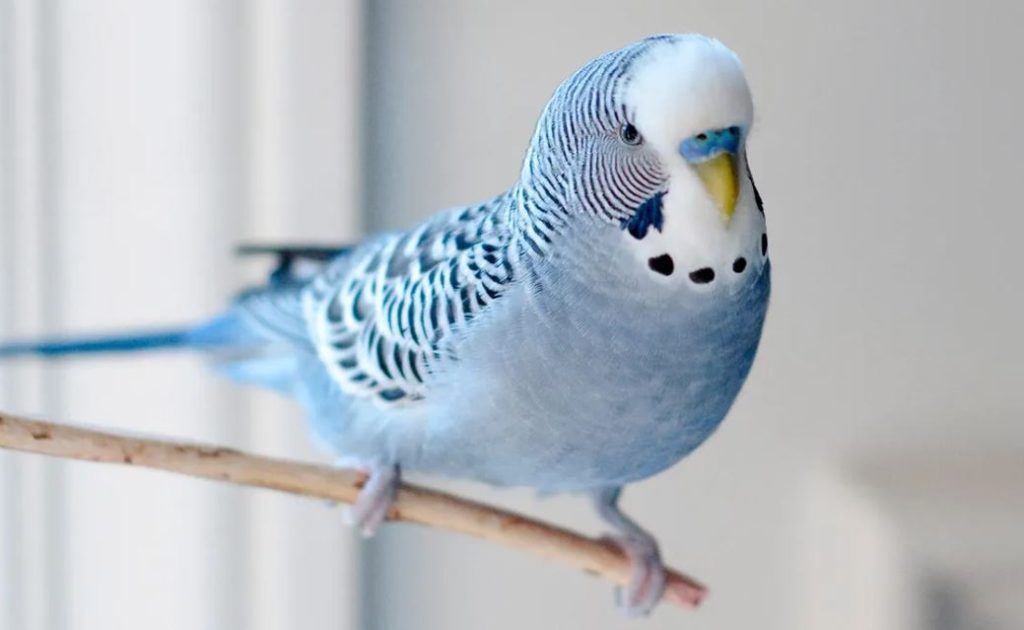
Budgies, or budgerigars, are tiny & colorful parrots which have won the hearts of a lot of pet owners globally. Native to Australia, these lively small parakeets are renowned for being friendly natures & great singers. My own experience of budgies has been anything but disappointing, as I’ve witnessed their vibrant behaviors & learned much about their needs. Caring for Budgies: A Complete Guide to Happy Parakeet Health is all about having a balance of information about their diet, habitat, & social need. This guide will provide you with detailed information to maintain your parakeets healthy & happy.
Recommended Diet for Budgies
Good nutrition is extremely crucial for your budgie’s overall health. In the wild, seeds, fruits, & vegetables constitute the majority of a budgie’s diet. To replicate this diet, a blend of premium seeds, pellets, & fresh fruits & vegetables needs to be provided. Seeds should be a smaller part of the diet, while pellets should be added for a balanced diet. This is a list of food groups to be added in your budgie’s diet:
| Food Type | Examples |
| Seeds | Millet, canary seeds, oats |
| Pellets | Formulated pellets designed for budgies |
| Fruits | Apples, pears, berries |
Vegetables Carrots, spinach, broccoli
It is important to wash fruits & vegetables in advance of serving to remove all the pesticides. And one thing more, do not give your budgie avocado, chocolate, or any other toxic food to birds. Always have fresh water available, & it is fine to change it daily. Applying treats in the form of millet sprays or healthy bird treats as an added value to their diet will ensure positive reinforcement while training your parakeet.
Nutritional Supplements for Budgies
In addition to a well-balanced diet, budgies may require nutritional supplements, especially if they do not receive enough from their diets. These may be liquid or powder & added to their food or water. Get an idea of the best supplement to your bird’s condition from your avian vet. Be aware that over-supplementation can lead to disease, so stick to the recommended amounts.
Providing a Comfortable Home
An ideal living home is the secret to your budgie’s wellbeing & happiness. Budgies adore spacious cages in which they can fly, socialize, & play. The ideal cage size for a budgie is 18″ x 18″ x 24″, but larger is always best. Inside the cage, provide a variety of perches that vary in material & size to be beneficial for their feet.
Key Features of Budgie Housing
Perches: Different sizes, made of natural wood.
Toys: Safe & stimulating toys for play & mental stimulation.
Nesting Places: Budgies love having safe hiding places; look into having a small covered spot.
Feeder & Water Bowls: Easy to reach & clean.
Position the cage in a bright location, but not one which has direct sunlight, drafts, or temperature fluctuations. The inclusion of accessories such as swings or ladders can also enhance & stimulate exercise. Regular cleaning of the cage is needed in order to prevent the growth of bacteria & maintain the environment clean.
Social Interaction & Enrichment
Budgies are naturally social birds and typically reside in enormous colonies in the wild. Social interaction is, therefore, essential for their mental well-being. If you only have one budgie, spend some time with it daily by chatting, playing, & training. If possible, you may consider getting another budgie for company. In any case, be sure to introduce them to each other safely to prevent territorial behavior.
Socialization Activities Description
Training Sessions
Short daily training sessions to learn tricks.
Out-of-Cage Time
Supervised out-of-cage time to play & explore.
Interactive Toys
Toys that stimulate problem-solving skills.
Regularly, adding new toys & changing them can interest your budgie. They are very intelligent animals that require mental stimulation; otherwise, they become bored or will develop unhealthy habits. Adding mirrors & other safe visual stimuli can provide additional stimulation.
Health Care & Veterinary Check-Ups
Regular health check-ups are the foundation of Caring for Budgies: A Complete Guide to Happy Parakeet Health. Finding a veterinarian who specializes in bird care is most important. Budgies can be prone to certain health issues, including respiratory infections, feather plucking, & obesity. The earlier these are detected, the better for treatment.
Symptoms of a Healthy Budgie
Shiny, bright eyes free of discharge.
Proper weight & lustrous feathers.
Vibrant feathers & clear voice.
Daily watching of your budgie’s behavior & appearance is a must. Whenever you see changes in eating, drinking, or normal routines, inform your vet immediately. Preventive care & vaccination are also important to guard against illness. And another thing, wings & nails will need trimming from time to time, which may be done by a professional so they won’t hurt.
Grooming & Care
Grooming forms part of the most important areas of budgie health. Within routine pet care, routine feather upkeep, beak maintenance, & nail trimming should be considered. Budgies naturally groom themselves, but presenting bathing opportunities will help them have immaculate feathers.
Major Grooming Habits
Bathing: Place a shallow water pan or a light spritz from a spray bottle.
Beak Care: Give them cuttlebone or mineral blocks to prevent overgrowth.
Nail Trimming: Trim them professionally if they grow too long.
Grooming might seem daunting, but gentle touch will keep your budgie calm. To be routine makes the process easy for both of you. Handle them gently so that stress is avoided during grooming time.
Understanding Budgie Behavior
Understanding & interpreting budgie behavior can go a long way towards your relationship with your pet. They display a range of emotions through body language, sounds, & activity. Wing-flapping, for instance, can convey excitement, and preening can signify relaxation & comfort. Picking up on these behaviors, you will come to understand their happiness & needs.
Common Budgie Behaviors
Chirping: Indicates happiness & contentment.
Head Bobbing: Demonstrates excitement or playfulness.
Feather Ruffling: May be a sign of relaxation or preparation for sleep.
A secure budgie will be loving by way of interactive play, i.e., preening your hair or gently chewing your fingers. A regular routine & caring environment will build trust in the relationship. Rewarding the good behavior will foster good habits & strengthen the bond.
Environmental Safety Precautions
Safety in your budgie’s surroundings is of the highest importance. Several home items are poisonous to birds. Keeping a safe environment entails removing threats & creating a safe environment for exploration. Examples of things to watch out for include poisonous plants, some cleaning agents, & small objects that can be swallowed.
List of Common Household Dangers
Non-stick frying pans (emit poisonous fumes).
Caffeine beverages such as coffee & tea.
Pesticides & insecticides.
And another thing, window & door covering can prevent accidental escapes. Never leave your budgie alone when they’re out of the cage, & limit access to small areas where they may get trapped. By monitoring their surroundings, you can provide a safe & healthy environment.
Bonding With Your Budgie
Building a relationship with your budgie is a big part of its happiness & well-being. Trust takes a long time to develop & patiently, but it’s all worth it. Spend good quality time with them, play, & speak to them regularly. Your presence & voice will comfort them & they’ll become familiar.
Tips to Strengthen the Bond
Talk softly & frequently in the presence of your budgie.
Reward your budgie with hand-fed treats to gain confidence.
Spend some time near the cage, so that they become accustomed to your presence.
Through regular contact, your budgie will relax towards you, and the bond will strengthen. Well-bonded budgie tends to have a more relaxed temperament & respond better to training & socialization.
Quote on Budgie Care
"Caring for [your pet] is not a job it is a privilege." - Augusta Ferry Sr.
Understand Breeding & Lifespan
Breeding budgies may be an excellent experience; Be that as it may, it requires a clear understanding of their needs & responsibilities. Budgies usually live 5 to 10 years, and with due care, the lifespan of your budgies will be guaranteed. If you are planning to breed your budgies, consider their age, health, & compatibility before proceeding.
Considerations for Breeding Budgies
Age of Breeding Pair: Both budgies should be mature enough, typically 6 months of age.
Health Checks: Get the birds examined by an avian vet.
Nesting Setup: Provide a nest box with the appropriate material.
Breeding is a complex procedure, & sufficient research is recommended before proceeding. If you decide against breeding, ensure your finances are spayed or neutered to prevent unwanted eggs & behavioral issues. Whatever choice is made regarding breeding, bear environmental & social needs for your budgies in mind.
How often should you clean your budgie’s cage?
To maintain the health of your budgie’s surroundings, clean the cage weekly. Clear out stale food, change the bedding, & disinfect down the surfaces. And, one more thing, everyday spot clean by clearing out dirty areas to prevent bacterial growth.
What is the ideal budgie diet?
Budgies thrive on a well-nourished diet of good quality pellets, fresh vegetables & fruits. Seeds could be given as a treat but should never be the main component of their diet. Ensure that fresh water at all times is available & cuttlebone as a calcium source may also be supplied.
Do budgies need toys & stimulation?
Yes, budgies do need mental stimulation. Providing them with as much variety in toys as possible, such as swings, chewers, & foraging toys, can keep them engaged & prevent boredom. Switch toys on a regular basis to keep them fresh.
Can budgies be kept in pairs?
Budgies are social animals & thrive in pairs or small flocks. Keeping them in pairs has the benefit of providing companionship & stress relief. Having said that, ensure they get along, as not all budgies will be tolerant of another budgie.
How can I be certain that my budgie is sick?
Indications of illness in budgies include modifications of appetite or thirst, drowsiness, puffed feathers, & unnormal droppings. If you notice any of them, it is crucial to get your bird examined by a vet who specializes in birds.
What is the optimal budgie temperature?
Budgies are comfortable with temperatures between 65°F & 75°F (18°C to 24°C). Give them a shelter from drafts, direct sunlight, & high temperatures to ensure they remain healthy & happy.

How can I bond my budgie to me?
Building up trust with your budgie is painstaking & gradual. Sit next to their cage, talk to them softly, & reward them with treats. You can gradually bring in hand training to acclimatize them to flying to you & building up the relationship between them & you.
Is it okay to have my budgie fly freely in my home?
Yes, allowing your budgie to fly in a safe, controlled environment can provide exercise & mental stimulation. Be certain to shut windows & doors, & that there are no dangerous items like poisonous plants or open bodies of water.
How long do budgies live?
With proper care, budgies live between 5-10 years, but some reportedly live longer. Regular visits to the vet, proper dieting, & regular cleaning can make them live longer.
What are some of the most common behavioral issues in budgies?
Some of the common behavior issues are screaming excessively, feather plucking, or aggression. Boredom, isolation, or stress might cause them. The root cause can be treated to prevent them, and also enrich, & secure friendship.
Conclusion
Caring for Budgies: A Complete Guide to Happy Parakeet Health is all about keeping your little feathered buddies happy & healthy. Keep. A tidy cage, fresh food & regular playtime are the secrets to a happy budgie. Listen to their cues, such as chirps & movement, to get to know them a bit better. Regular check-ups at the vet will also give them the best chance of staying in tip-top condition. With love & good care, your budgie will flourish & make a great friend. Then indulge in the joys of budgie care, & enjoy the sweet companionship of your parakeets for many long years.