
Planning a horse trail ride soon? What to wear on a horse trail ride can make all the difference between a fun, comfortable day and an uncomfortable one you just want to end early.
You want clothes that keep you safe, protect you from the elements, and help you enjoy every moment on the trail. If you’re not sure where to start or what to pack, this guide will walk you through exactly what to wear on a horse trail ride so you can focus on the adventure ahead without any distractions.
Keep reading to discover simple tips that will change the way you prepare for your next ride.
Credit: www.braysisland.com
Clothing Essentials
Choosing the right clothing for a horse trail ride is important for comfort and safety. Clothing essentials help you stay cool, dry, and protected during the ride. The right clothes reduce chafing and keep bugs away. They also protect your skin from sunburn and scratches from branches. Knowing what to wear makes the trail ride more enjoyable.
Breathable Fabrics
Breathable fabrics allow air to pass through, keeping your body cool and dry. Natural fibers like cotton and wool are good, but some synthetic materials work better for long rides. These fabrics wick sweat away from your skin and dry quickly.
- Cotton: Soft and comfortable but holds moisture longer.
- Polyester: Dries fast and wicks sweat.
- Nylon: Lightweight and durable.
- Merino Wool: Regulates temperature and resists odor.
Avoid heavy fabrics like denim or thick wool. They trap heat and moisture. Choose clothes that fit well but are not too tight. Loose clothes let air flow better and reduce sweat buildup.
| Fabric | Pros | Cons |
|---|---|---|
| Cotton | Comfortable, natural | Holds moisture, slow drying |
| Polyester | Wicks sweat, fast drying | Less breathable than natural fibers |
| Nylon | Durable, lightweight | Can feel less soft |
| Merino Wool | Temperature control, odor-resistant | More expensive |
Layering Tips
Layering helps adjust clothing to changing temperatures on the trail. Start with a thin base layer that fits close to your skin. This layer should wick sweat away. Add a middle layer for warmth. Choose something lightweight but insulating. Finally, wear a top layer that protects against wind and rain.
- Base Layer: Lightweight, moisture-wicking fabric like polyester or merino wool.
- Middle Layer: Fleece or light insulated jacket for warmth.
- Outer Layer: Waterproof or windproof jacket to shield from weather.
Remove or add layers as needed during the ride. Carry extra layers in a small backpack. This plan keeps you comfortable and prevents overheating or getting too cold.
Use clothes with zippers or buttons to adjust ventilation quickly. Avoid bulky layers that restrict movement. Choose flexible materials that allow easy riding.
Sun Protection
Sun protection is key on a horse trail ride. Long hours outdoors can cause sunburn and skin damage. Choose clothing that covers your skin well. Lightweight, long-sleeve shirts and pants block harmful UV rays.
- Wear a wide-brimmed hat or a cap with a neck flap.
- Use UV-protective sunglasses to shield your eyes.
- Apply sunscreen with at least SPF 30 on exposed skin.
- Choose clothes labeled with UPF (Ultraviolet Protection Factor).
Fabric color matters too. Light colors reflect sunlight and keep you cooler. Dark colors absorb heat. Breathable fabrics with sun protection are best for all-day rides.
Don’t forget to reapply sunscreen after sweating or wiping your face. Protect your lips with a lip balm that contains SPF. These simple steps help you avoid sunburn and stay safe on the trail.
Footwear Choices
Choosing the right footwear is essential for a safe and comfortable horse trail ride. Your boots protect your feet and help you stay secure in the stirrups. The right shoes also prevent injuries from rough terrain or sudden horse movements. Picking proper footwear can make a big difference in your riding experience. Let’s explore the best boot types and the importance of socks for trail rides.
Boot Types
Boots designed for horse riding should have a few key features: a low heel, a smooth sole, and sturdy material. These features keep your foot from slipping through the stirrup and protect your feet from branches or rocks on the trail. Here are common types of boots suitable for trail riding:
- Riding Boots: Tall boots that cover your calves. They offer excellent leg protection and support. Best for serious riders or long rides.
- Western Boots: Characterized by a pointed toe and a slightly angled heel. These boots are popular for trail rides due to their durability and comfort.
- Hiking Boots: Good for beginners or casual riders. They have a strong grip and ankle support but must have a low heel to be safe in stirrups.
- Work Boots: Strong and protective, but make sure they have a smooth sole to avoid getting stuck in stirrups.
| Boot Type | Heel Height | Material | Best For |
|---|---|---|---|
| Riding Boots | 1 to 1.5 inches | Leather | Long rides and leg protection |
| Western Boots | 1 to 1.5 inches | Leather | Trail rides and durability |
| Hiking Boots | Low heel | Leather or synthetic | Beginner riders and grip |
| Work Boots | Low heel | Leather | Protection and rough terrain |
Always choose boots with a solid heel and a sole that is not too sticky. This reduces the risk of your foot getting caught in the stirrup.
Socks Matter
Socks play an important role in comfort and foot health during a trail ride. The right socks prevent blisters, wick away sweat, and provide cushioning. Riding boots can rub against your skin, so thick, well-fitting socks protect your feet from irritation.
Choose socks made from materials that keep your feet dry. Cotton socks hold moisture and can cause blisters. Instead, opt for:
- Wool blend socks: Warm, soft, and moisture-wicking.
- Synthetic fibers: Designed to wick sweat and dry quickly.
Here are tips for picking the best socks:
- Select socks that reach at least mid-calf to protect against boot rubbing.
- Choose socks with extra padding in the heel and toe.
- Make sure socks fit well without bunching or sliding.
- Avoid thick seams that can cause pressure points.
| Sock Material | Advantages | Disadvantages |
|---|---|---|
| Cotton | Soft and breathable | Retains moisture, causes blisters |
| Wool blend | Warm, wicks moisture, durable | Can be itchy if low quality |
| Synthetic fibers | Dries fast, wicks sweat | Less breathable than natural fibers |
Good socks improve your ride by keeping your feet dry and comfortable. They reduce the risk of blisters and foot pain, making the trail ride more enjoyable.
Safety Gear
Safety gear is the most important part of what to wear on a horse trail ride. It protects you from injuries and helps you stay comfortable. Horse riding can be unpredictable. Wearing the right safety equipment reduces risks and keeps you confident. You must choose gear that fits well and suits the trail conditions. Safety gear includes helmets, boots, and protective accessories. Each piece plays a role in protecting your head, body, and limbs. Let’s explore the best options for helmets and other protective gear to wear on a trail ride.
Helmet Options
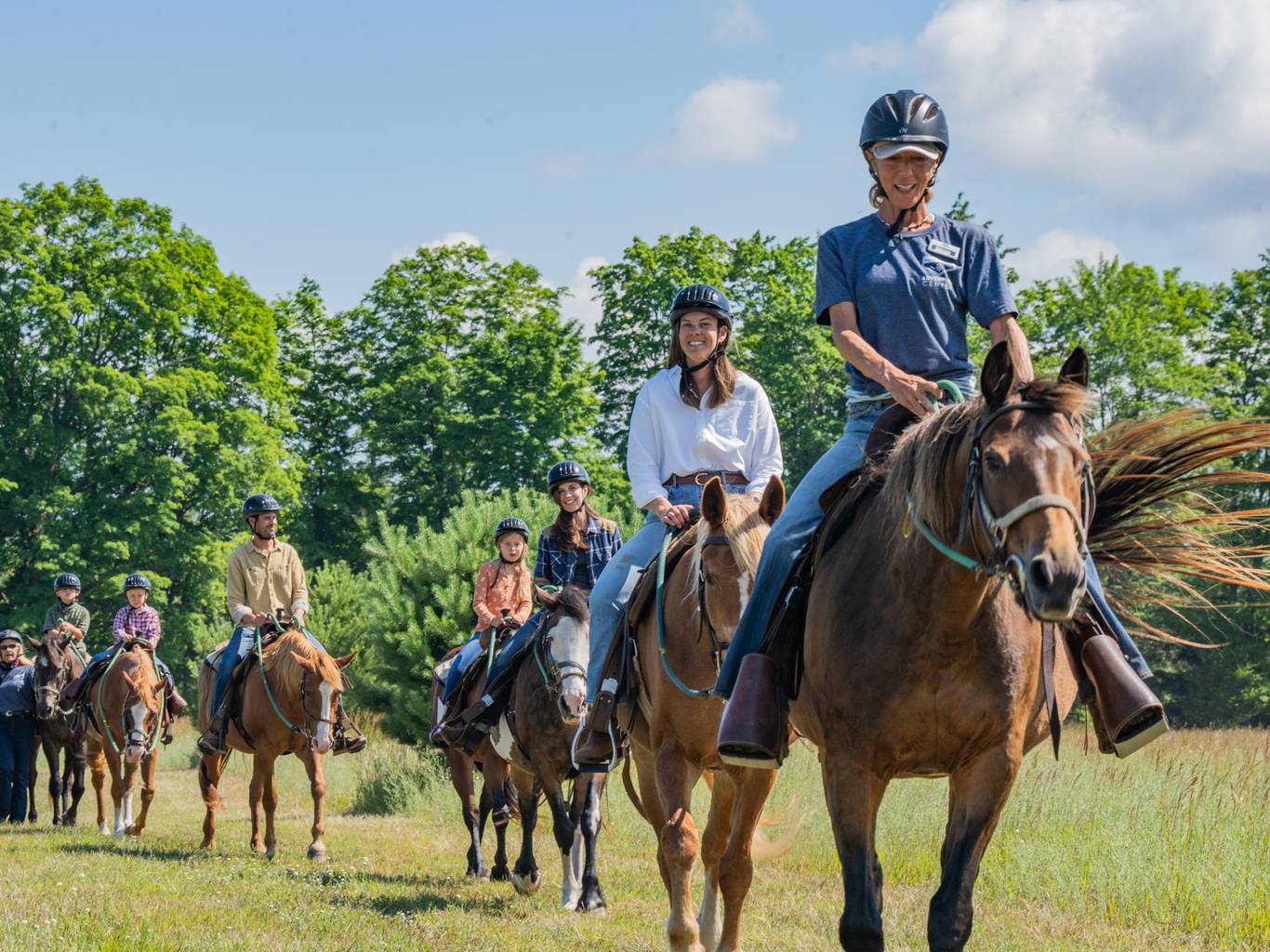
A helmet is the most critical safety gear for horse riding. It protects your head from falls and impacts. Always pick a helmet designed specifically for horse riding. These helmets meet strict safety standards and offer the best protection.
There are several types of helmets to consider:
- Traditional Riding Helmets: Made with a hard outer shell and padding inside. They absorb shock and shield your skull.
- Western Helmets: Styled like cowboy hats but with built-in protection. Good for trail rides on western trails.
- Skate-style Helmets: Lightweight and well-ventilated. Suitable for warmer weather but check if they meet riding safety standards.
Important helmet features include:
| Feature | Benefit |
|---|---|
| Proper Fit | Prevents helmet from moving or falling off during a ride |
| Ventilation | Keeps your head cool during long rides |
| Adjustable Straps | Secures helmet tightly and comfortably |
| Certified Safety Standards | Ensures helmet passes impact tests (e.g., ASTM, SEI) |
Always replace helmets after a fall or if the helmet is damaged. Wearing a helmet every ride is not optional. It could save your life on the trail.
Protective Accessories
Protective accessories add extra safety and comfort on a trail ride. Each item helps prevent injuries from falls, branches, or rough terrain. Choose accessories that fit well and allow free movement.
Key protective accessories include:
- Riding Gloves: Protect your hands from blisters and improve grip on reins.
- Boots with Heels: Prevent your feet from slipping through stirrups and protect your toes.
- Body Protectors or Vests: Shield your chest and back from impacts.
- Knee and Elbow Pads: Useful for riders who want extra joint protection.
- Sunglasses or Safety Glasses: Protect eyes from dust, insects, and sunlight.
Below is a summary of protective accessories and their benefits:
| Accessory | Purpose | Tips |
|---|---|---|
| Riding Gloves | Hand protection and better grip | Choose breathable, well-fitting gloves |
| Boots with Heels | Foot safety and stirrup grip | Leather or sturdy synthetic material |
| Body Protector | Impact absorption for torso | Wear over a fitted shirt |
| Knee/Elbow Pads | Joint protection | Lightweight and flexible pads |
| Sunglasses/Safety Glasses | Eye protection | UV protection and shatter-resistant lenses |
Wearing the right protective accessories lowers the chance of injuries. Comfort matters too. Gear that fits well encourages you to wear it every ride. Prepare well to enjoy a safe and fun horse trail ride.
Credit: www.boynemountain.com
Weather Considerations
Choosing the right clothes for a horse trail ride depends a lot on the weather. Weather changes can make a ride very different, so preparing for these conditions keeps you safe and comfortable. Dressing for the weather means picking clothes that protect you from rain, cold, or heat. This guide covers key clothing tips for different weather types, helping you enjoy your trail ride no matter what the sky looks like.
Rain Gear
Rain can come suddenly during a trail ride. Wearing the right rain gear keeps you dry and stops your clothes from becoming heavy and uncomfortable. Waterproof jackets are the best choice. Look for jackets made with breathable materials to avoid sweating inside.
- Waterproof jacket: Choose one with a hood and sealed seams.
- Waterproof pants: Easy to put on over your riding pants for extra protection.
- Waterproof boots: Keep your feet dry and firm in the stirrups.
- Quick-dry base layers: Help keep moisture away from your skin.
A small rain poncho can work but may flap in the wind and scare the horse. Carrying a compact rain cover in your backpack is smart. It saves space and is ready if the rain starts. Avoid cotton clothes since they soak water and take long to dry. Synthetic fabrics like nylon or polyester perform better in the wet.
| Item | Purpose | Material |
|---|---|---|
| Rain Jacket | Keep upper body dry | Waterproof, breathable |
| Rain Pants | Protect legs from water | Lightweight, waterproof |
| Waterproof Boots | Dry and stable footing | Rubber or treated leather |
Cold Weather Attire
Cold weather needs layers that trap heat but also allow movement. Start with a warm base layer that fits snugly. Wool or synthetic fabrics keep you warm without bulk. Add a fleece or insulated jacket to protect against wind and cold.
- Base layer: Thermal shirt and leggings.
- Middle layer: Fleece or wool sweater for warmth.
- Outer layer: Windproof and water-resistant jacket.
- Gloves and hat: Keep fingers and head warm since they lose heat fast.
Wear insulated boots and thick socks to keep your feet warm. Avoid tight clothing that restricts blood flow. Carry hand warmers for extra heat during long rides. Make sure your clothing lets you move easily, especially in the legs and arms. Cold weather can make your muscles stiff, so flexible clothes help keep the ride comfortable.
| Layer | Example | Purpose |
|---|---|---|
| Base | Thermal shirt, leggings | Keep skin dry and warm |
| Middle | Fleece jacket, wool sweater | Trap heat |
| Outer | Windproof jacket, insulated coat | Block wind and moisture |
Hot Weather Clothing
Hot weather calls for light, breathable clothes that protect you from the sun and heat. Choose loose-fitting shirts and pants made of lightweight cotton or moisture-wicking fabrics. These fabrics help sweat evaporate, cooling your body.
- Light-colored clothing: Reflects sunlight.
- Long sleeves and pants: Protect skin from sunburn and insect bites.
- Wide-brimmed hat or helmet with sunshade: Shields your face and neck.
- Sunglasses: Protect eyes from UV rays.
Wear breathable, well-ventilated boots and moisture-wicking socks to prevent blisters. Carry plenty of water and take breaks in the shade. Avoid heavy or dark clothes that trap heat and cause discomfort. Using sunscreen on exposed skin areas reduces the risk of sunburn. Choose fabrics like linen or technical blends designed for heat. These keep you cooler during long rides.
| Clothing | Benefits | Material |
|---|---|---|
| Light-colored shirt and pants | Reflect heat, protect from sun | Cotton, linen, moisture-wicking |
| Wide-brimmed hat | Shade face and neck | Breathable fabric |
| Breathable boots | Prevent overheating and blisters | Leather with ventilation |
Accessories To Bring
Choosing the right accessories for a horse trail ride improves comfort and safety. Accessories protect from weather, enhance grip, and keep you hydrated. Carrying smart essentials makes the ride more enjoyable and less stressful. Here are key accessories to bring on your trail ride.
Gloves
Gloves are essential for protecting your hands during a trail ride. They prevent blisters and provide a better grip on the reins. Riding gloves also protect your hands from branches, insects, and sunburn.
Look for gloves with these features:
- Breathable material: Keeps hands cool and dry.
- Good grip: Silicone or leather palms help hold reins firmly.
- Durability: Strong stitching and tough fabric last longer.
- Flexible fit: Allows easy hand movement without tightness.
Wearing gloves also helps in cold weather by keeping your hands warm. If the trail is muddy or wet, gloves keep your hands clean and dry. They are easy to carry in your saddlebag or pockets.
| Glove Type | Best Use | Material | Price Range |
|---|---|---|---|
| Leather Gloves | All-weather, formal rides | Leather | $$$ |
| Mesh Gloves | Hot weather, breathability | Mesh fabric with silicone grip | $$ |
| Winter Gloves | Cold weather protection | Fleece-lined or insulated fabric | $$$ |
Sunglasses
Sunglasses protect your eyes from sun glare and dust on the trail. Bright sunlight can cause eye strain and reduce visibility. Sunglasses with UV protection block harmful rays and keep eyes safe.
Choose sunglasses with these features:
- UV400 protection: Blocks 100% of UVA and UVB rays.
- Polarized lenses: Reduce glare from reflective surfaces like water.
- Wrap-around design: Protects eyes from wind and debris.
- Lightweight frame: Comfortable to wear for long hours.
Some sunglasses come with interchangeable lenses. You can switch lenses for cloudy or sunny conditions. Choose a strap or cord to keep sunglasses secure during the ride. This avoids losing them if you fall or move quickly.
| Feature | Benefit |
|---|---|
| UV Protection | Prevents eye damage from sun exposure |
| Polarized Lenses | Improves vision clarity by reducing glare |
| Wrap-Around Frame | Keeps out wind, dust, and insects |
| Adjustable Strap | Keeps sunglasses secure on your head |
Hydration Packs
Hydration packs are perfect for staying hydrated during long trail rides. Carrying water in a backpack with a drinking tube allows easy access without stopping. Drinking often prevents dehydration and keeps energy high.
Look for hydration packs with these key features:
- Capacity: Typically holds 1.5 to 3 liters of water.
- Comfortable fit: Adjustable straps and padded back.
- Durability: Made from tough, water-resistant materials.
- Extra pockets: Store small items like snacks or maps.
Hydration packs also free your hands for better control of the reins. They are lightweight and balance weight evenly on your back. Clean the water bladder after each ride to avoid bacteria build-up.
| Hydration Pack Feature | Why It Matters |
|---|---|
| Water Bladder Size | Enough water for the ride duration |
| Adjustable Straps | Secure and comfortable fit |
| Insulated Tube | Keeps water cool and fresh |
| Extra Storage | Carry essentials like keys or snacks |
Credit: www.boynemountain.com
Packing Tips For Trail Rides
Packing for a horse trail ride requires smart choices. You want to carry everything needed without weighing yourself down. Proper packing helps keep you comfortable and safe on the trail. Focus on essentials that fit your ride length and weather. Packing light but thorough makes your experience more enjoyable.
Lightweight Essentials
Choose items that are light and easy to carry. Heavy packs slow you down and tire both you and your horse. Prioritize clothing made from breathable, quick-dry fabrics. These keep you cool and prevent chafing during long rides.
- Clothing: Lightweight long-sleeve shirts protect from sun and bugs.
- Pants: Durable, flexible riding pants or leggings avoid discomfort.
- Footwear: Comfortable riding boots with a firm heel prevent slipping.
- Hat: Wide-brim hats or caps shield your face from sun.
- Gloves: Riding gloves improve grip and protect hands.
- Rain Gear: Compact rain jacket fits easily in your pack.
- Water: Carry at least 2 liters in reusable bottles or hydration packs.
Pack items in a small, secure saddlebag or lightweight backpack. Keep your pack balanced to avoid unbalancing your horse. The following table shows a sample lightweight essentials checklist:
| Item | Purpose | Weight |
|---|---|---|
| Long-sleeve Shirt | Sun and bug protection | 150g |
| Riding Pants | Comfort and flexibility | 300g |
| Riding Boots | Foot safety and grip | 900g |
| Hat | Sun protection | 100g |
| Gloves | Hand protection | 150g |
| Rain Jacket | Weather protection | 250g |
| Water Bottles | Hydration | 2000g |
Emergency Supplies
Safety is key on any trail ride. Pack a small emergency kit with essential items. These help handle injuries or unexpected situations. Keep the kit compact but complete.
- First-Aid Kit: Include bandages, antiseptic wipes, pain relievers, and blister pads.
- Multi-tool: Useful for quick repairs or cutting small items.
- Whistle: Helps signal for help if needed.
- Flashlight or Headlamp: Essential for low-light or night situations.
- Emergency Blanket: Keeps you warm if the temperature drops suddenly.
- Water Purification Tablets: Useful if you run out of clean water.
- Phone or GPS Device: For navigation and emergency calls.
Store these supplies in a waterproof bag inside your pack. Check your emergency kit before every ride to replace used or expired items. The table below outlines a basic emergency supply list:
| Item | Use | Notes |
|---|---|---|
| Bandages & Antiseptic | Wound care | Various sizes for cuts and scrapes |
| Multi-tool | Repairs, cutting | Compact and durable |
| Whistle | Signal for help | Easy to reach |
| Flashlight/Headlamp | Lighting | Extra batteries recommended |
| Emergency Blanket | Warmth | Light and packable |
| Water Purification Tablets | Safe drinking water | Check expiry dates |
| Phone/GPS | Navigation & communication | Fully charged before ride |
Frequently Asked Questions
what to wear on a horse trail ride
What Clothes Are Best For Horse Trail Riding?
Wear breathable, moisture-wicking shirts and long pants to protect your skin. Choose sturdy boots with a heel for safety. Layer clothes for changing weather. Avoid loose or baggy items that can catch on branches or saddle parts.
Should I Wear A Helmet On A Horse Trail Ride?
Yes, always wear a properly fitting riding helmet. Helmets protect your head from injuries in case of falls. Many trail rides and stables require helmets for safety. Choose helmets that meet safety standards for maximum protection.
What Type Of Footwear Is Ideal For Horse Trail Rides?
Wear closed-toe boots with a small heel. Boots prevent your feet from slipping through stirrups. Avoid sneakers or sandals, as they offer little protection. Proper riding boots improve grip and comfort during the ride.
Can I Wear Shorts On A Horse Trail Ride?
It’s best to avoid shorts on trail rides. Long pants protect your legs from scratches, insect bites, and sunburn. They also prevent chafing from the saddle. Choose comfortable, durable pants made for outdoor activities.
Conclusion
Choosing the right clothes makes horse trail rides safer and more fun. Wear comfortable pants and sturdy boots to protect your legs and feet. A hat or helmet keeps your head safe from sun and falls. Long sleeves help stop scratches from branches.
Don’t forget sunglasses and sunscreen for sunny days. Dress in layers if the weather changes. Simple, practical clothes help you enjoy the ride without worry. Now, you’re ready to explore nature on horseback with confidence and comfort. Happy riding! and Tips what to wear on a horse trail ride.
Home Remedies for a Shiny Horse Coat: Easy Tips for Radiant Shine