
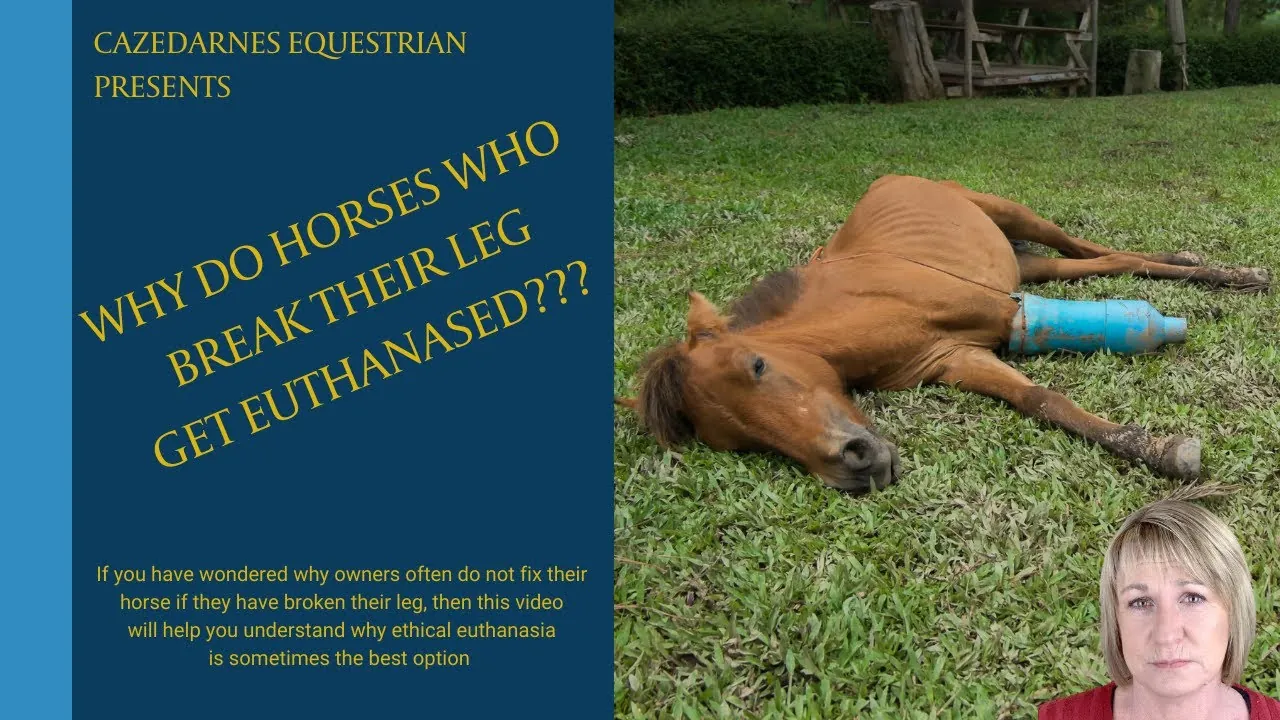
If a horse breaks its leg, the animal must be assessed immediately by a licensed veterinarian because the circumstances surrounding the injury often determine whether it’s treatable or if euthanasia is the only humane option to prevent prolonged suffering. Many fractures in horses are complex due to the animal’s weight and the lack of blood supply to the lower limbs, making recovery difficult even with professional care.
Veterinary intervention is the only way to determine if the bone can be stabilized. A veterinarian will perform a physical exam and likely use diagnostic imaging to see the extent of the damage. If the bone is shattered, the horse’s weight makes it impossible for the limb to heal properly while standing.
Emergency Care Steps
- Keep the horse calm and still to prevent further damage to the surrounding soft tissue. Don’t try to move the horse yourself if the leg is visibly dangling or unstable.
- Call an equine veterinarian immediately and provide details about the location of the injury and the horse’s current behavior.
- Apply a temporary splint or bandage only if instructed by the veterinarian over the phone. Improper wrapping can cause more harm by putting pressure on nerves or blood vessels.
- Clear a path for the transport trailer or the vet’s vehicle to reach the horse safely. Don’t offer food until the vet has examined the animal, as sedation or surgery may be required; consult your veterinarian regarding water intake.
- Watch for signs of shock, such as heavy breathing, pale gums, or cold extremities. Keep the horse warm with a blanket if the weather is cold.
Tip: Never attempt to “set” the bone yourself. You risk causing a closed fracture to become an open one, which drastically lowers the chances of survival.
Timeframes for Recovery and Assessment
The time needed to determine the outcome of a leg injury depends on the type of fracture and the horse’s overall health. According to the American Association of Equine Practitioners, the ability to stabilize a limb is the primary factor in long-term prognosis.
| Situation | Typical Timeline | What changes it | What to watch for |
|---|---|---|---|
| Initial Vet Exam | 30–60 minutes | Distance to clinic | Level of pain |
| Imaging/Diagnosis | 1–3 hours | Equipment access | Circulation loss |
| Surgical Repair | 2–6 hours | Fracture complexity | Anesthesia risk |
| Stall Rest | 6–12 months | Healing progress | Re-injury risk |
If the horse shows no signs of improvement after the initial stabilization, contact your vet to discuss the next steps.
Signs of Healing and Recovery
Recovery is a long process that requires strict adherence to stall rest and rehabilitation protocols. You’ll know the horse is progressing if they can bear weight on the limb without excessive trembling or signs of severe distress. Successful healing is indicated by a steady reduction in inflammation and a return to normal weight distribution across all four legs.
However, the most reliable test is a follow-up radiographic exam performed by a vet to ensure the bone is knitting together correctly. If the horse continues to hold the leg up or shows signs of chronic lameness, the repair may have failed. Always follow the specific rehabilitation schedule provided by your clinic, as rushing the process often leads to permanent damage.
Mistakes That Ruin Recovery
- Forcing the horse to walk. Moving a horse with a broken leg causes the bone fragments to shift and tear nearby muscle and skin. Always use a trailer to transport the horse even for short distances.
- Removing bandages too early. Some owners remove support wraps because they think the horse “looks better,” which leads to catastrophic re-fracture. Leave all medical dressings exactly as the veterinarian applied them until your next scheduled check-up.
- Ignoring the healthy legs. Supporting the weight on the non-injured legs causes secondary issues like laminitis. Monitor the opposite limbs daily for heat or swelling and report any changes to your vet immediately.
Can a horse survive a broken leg?
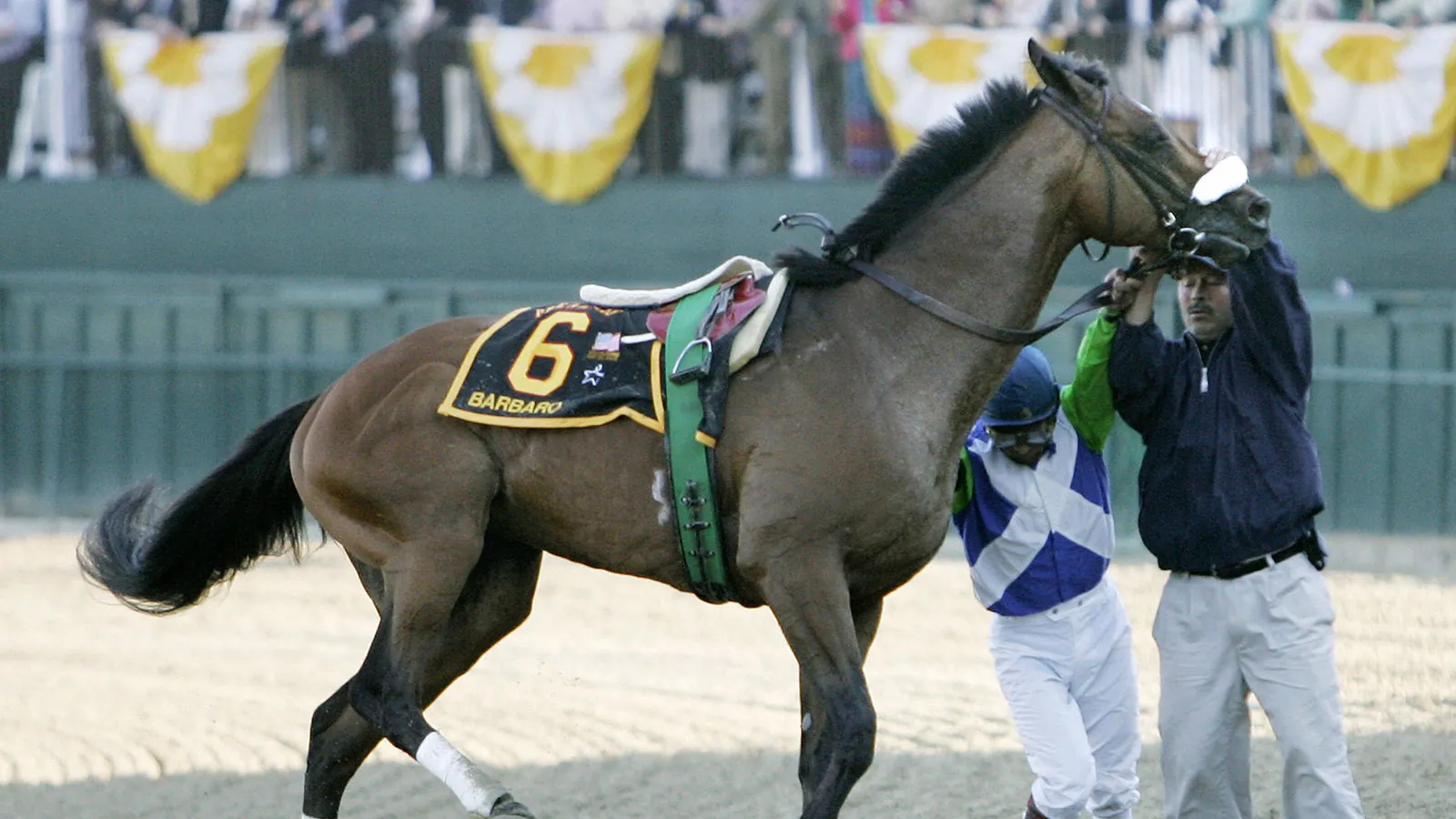
Yes, a horse can survive a broken leg, but it depends entirely on the location and severity of the fracture. Small, clean breaks in the lower limb have a higher success rate for repair than complex, open fractures higher up the leg. The decision to treat is based on the vet’s assessment of whether the horse can eventually bear weight without constant pain.
Survival hinges on the mechanics of the horse’s anatomy. Because horses carry most of their weight on their front limbs, a fracture above the knee often prevents the animal from standing long enough for the bone to knit. If the bone shatters into multiple fragments, the blood supply to the area is frequently compromised, making a full recovery impossible regardless of surgical intervention.
How much does it cost to fix a broken leg?
Treatment for a broken leg is costly and requires a significant financial commitment, depending on the surgical technique and the length of hospital care required. This range assumes the cost of specialized orthopedic surgery, anesthesia, and long-term rehabilitation.
Beyond the initial operation, you must account for the high price of intensive post-operative care. Horses often require specialized slings, stall confinement, and frequent radiographs to monitor bone alignment. These necessities can easily double your total investment over several months.
You should contact your local equine surgical hospital for a current price list, as costs vary significantly based on your region and the specific equipment needed. Always ask for a breakdown of daily boarding fees versus surgical labor, as these are often billed separately.
Is it safe to transport a horse with a broken leg?
No, it isn’t safe to move a horse with an unstable fracture without professional guidance and proper stabilization. Moving an injured horse can turn a treatable injury into a fatal one by causing the bone to pierce the skin or sever an artery. Always wait for your veterinarian to arrive and provide instructions on how to safely load the animal into a trailer.
Transporting a horse in this state requires specialized splinting to prevent the limb from shifting during transit. Even a minor bump in the road can cause catastrophic damage if the bone isn’t supported.
If your vet determines the horse is stable enough to travel, use a trailer with a ramp rather than a step-up model. This minimizes the physical stress on the injured leg during loading.
What happens if the horse can’t stand?
If a horse can’t stand, the outlook is poor because horses require all four legs to support their massive weight and manage their circulation. Long-term recumbency leads to muscle damage, pressure sores, and severe complications in the internal organs.
When a horse remains down, gravity prevents blood from circulating properly to the lower limbs. This leads to rapid tissue death and systemic organ failure that’s often irreversible.
The animal’s inability to shift its weight also causes intense pain that quickly overwhelms its nervous system. In these cases, the veterinarian will likely discuss humane euthanasia to prevent the animal from experiencing prolonged suffering and distress. This difficult decision prioritizes the horse’s welfare when recovery is no longer a physically viable path.
Why do horses have to be put down for broken legs?
Horses are often euthanized because their anatomy makes it nearly impossible to keep a broken limb immobilized for the months required to heal. A horse’s weight causes the bone to shift, leading to agonizing pain and secondary infections that are often impossible to cure. Euthanasia is chosen when the injury is so severe that the horse will never be able to live a pain-free life again.
Beyond the weight issue, horses rely on constant movement to maintain healthy circulation in their hooves. If one leg is immobilized, the horse inevitably shifts its entire body weight onto the remaining three limbs. This excessive, unnatural strain frequently triggers laminitis, a catastrophic and painful inflammation of the hoof tissue that can cause the coffin bone to rotate or penetrate the sole.
Once laminitis sets in, the horse’s quality of life deteriorates rapidly. Even with advanced veterinary care, the mechanical failure of the skeletal structure often leaves no path forward for a full recovery. Choosing euthanasia in these moments is a final, compassionate act to prevent the inevitable suffering that follows when the body can no longer support itself.