
To find a comfortable fit for both horse and rider, you must measure the horse’s wither width and your own seat size before testing the balance of the tree. Choosing the right horse saddle involves balancing the animal’s shoulder movement with your own alignment. This process works best for riders who have access to a variety of test saddles and a professional fitter.
Tools to choose the right saddle
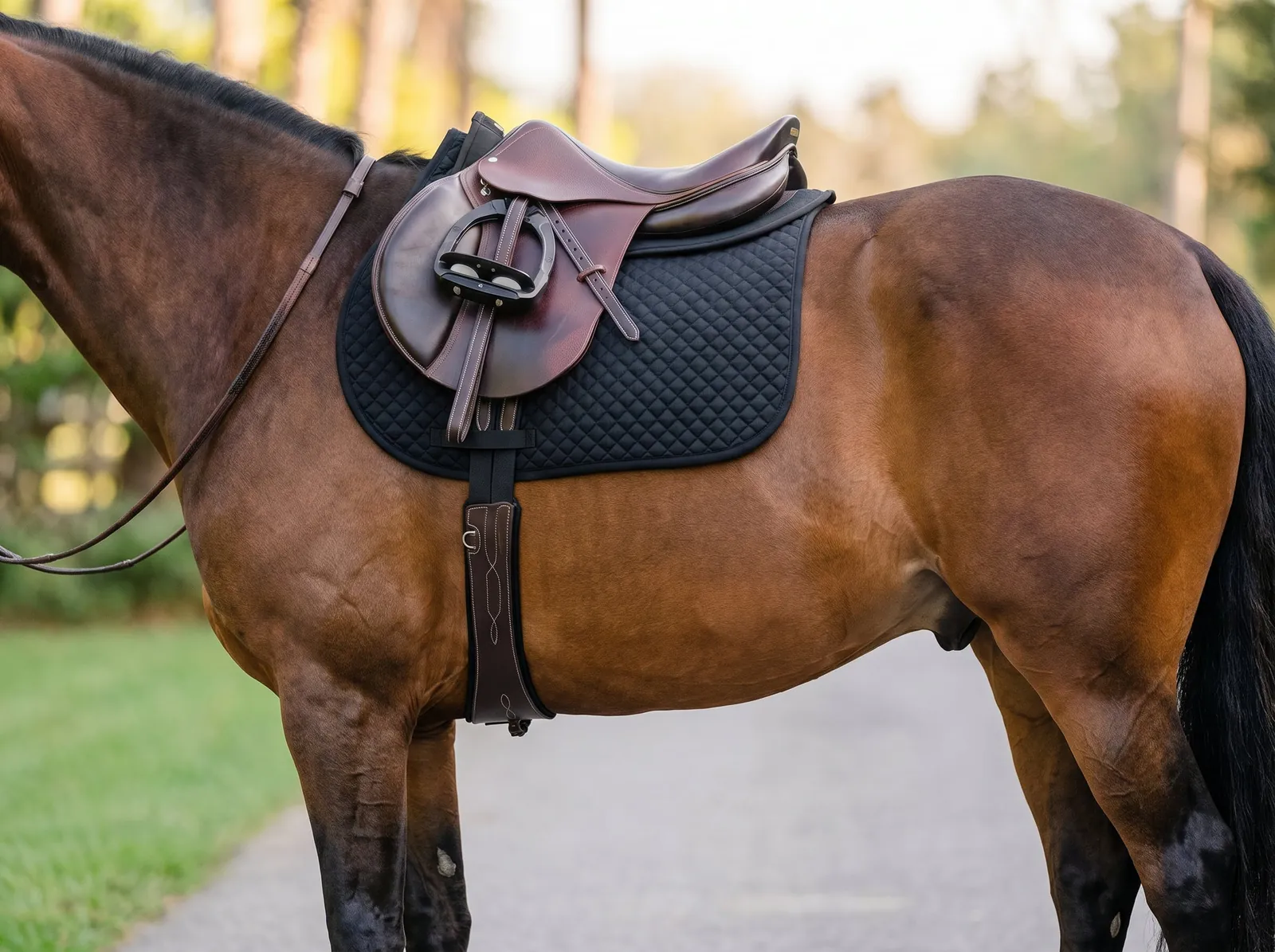
You need specific tools to ensure the saddle doesn’t cause pain or restrict the horse’s natural gait. Gather these items before you begin the evaluation process:
- A flexible measuring tape for calculating the horse’s wither width and back length.
- A thick, clean saddle pad to provide a clear baseline for how the saddle sits.
- A set of wither tracing tools or a flexible wire curve to map the shoulder angle.
- A notepad to record measurements for both the rider’s seat and the horse’s frame.
- A mounting block to allow for safe testing of the saddle’s balance on the horse.
- A helper to hold the horse steady and observe the saddle’s position from the ground.
You can use a professional fitting gauge if you have one, but a simple wire template works just as well. Always consult a certified professional through the Certified Horsemanship Association if you’re unsure about interpreting your horse’s physical needs.
Steps for Finding the Correct Fit
- Measure the width of the horse’s withers by placing your wire template across the back, about two inches behind the shoulder blade.
- Compare your template to the gullet width of the saddle; the metal plates inside the tree should mirror the angle of the horse’s shoulder without pinching the skin.
- Place the saddle on the horse’s back without a pad to check for even contact, ensuring the panels rest flat along the muscles.
- Slide a hand under the front of the saddle panels; you should feel firm, even pressure rather than sharp points or completely loose gaps.
- Sit in the saddle while the horse is on a level surface to check that your weight is centered, which prevents you from tipping forward or backward.
- Observe the horse’s movement at a walk; if the horse pins its ears or shows a hollow back, the saddle is likely restricting its shoulder rotation.
- Adjust the girth tension gradually, starting with the saddle centered on the horse’s spine, to ensure no uneven pulling occurs on the billets.
Careful: Never ride a horse if the saddle rests directly on the spine, as this causes significant bruising and long-term tissue damage.
Tip: If you find the saddle slides forward, your horse may have a “forward girth groove” that requires a specific anatomical girth to keep the equipment stable.
Adjusting for Different Riding Needs
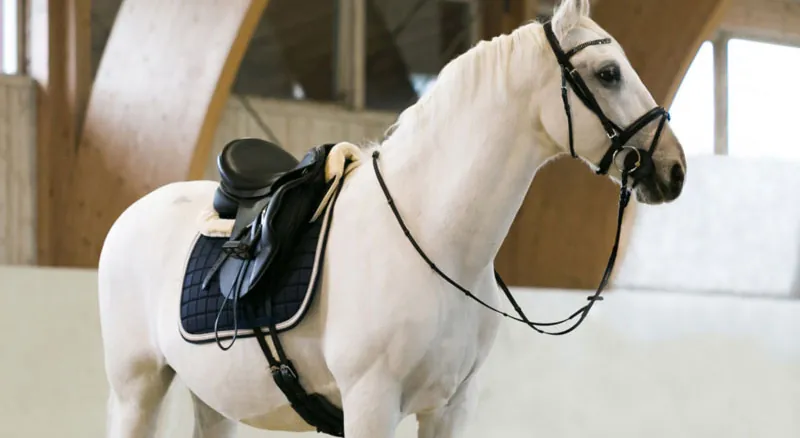
The time and cost required to fit a saddle vary based on the horse’s shape and the discipline you practice. If your horse has a flat back, the fitting process usually takes longer because finding a panel shape that doesn’t slide is difficult.
| Situation | Time Needed | Cost Range | What to Watch |
|---|---|---|---|
| Standard Back | 30 minutes | Low | Spine clearance |
| High Withers | 45 minutes | Moderate | Wither clearance |
| Wide/Flat Back | 60 minutes | High | Lateral stability |
| Growing Horse | 20 minutes | Low | Tree width |
Always start with a standard fit and add thin shims or pads if needed, rather than buying a saddle that’s too wide and trying to fill the gaps.
Signs of a Successful Fit
A well-fitted saddle allows the horse to move with a relaxed back and keeps the rider in a balanced, vertical position. If the saddle is correct, the horse will reach forward with its nose and engage its hindquarters without hesitation. A poor fit often manifests as white hairs appearing on the withers or the horse showing resistance to the rider’s leg aids.
These problems usually happen because the tree width is incorrect for the horse’s current muscle development. To prevent this, check the fit every three months, especially if the horse is in a heavy training program. If you notice dry spots on the horse’s back after a ride, the pressure is uneven, and you should stop using that saddle until a professional adjusts the flocking.
Standard Practices and Maintenance
According to guidelines from the American Association of Equine Practitioners, saddles must be inspected regularly for loose stitching and broken tree components to prevent injury. Clear away sweat and dirt after every ride using a damp cloth, then apply a high-quality leather conditioner to keep the material supple. If you notice the saddle tipping or shifting while you ride, record the specific gait where the movement starts.
If the saddle requires major structural changes like tree adjustment or panel re-flocking, don’t attempt this yourself. These tasks carry a high risk of damaging the saddle’s internal balance and could cause lasting pain to your horse. Contact a professional saddle fitter who holds a current certification to perform these repairs.
Alternative Fitting Approaches
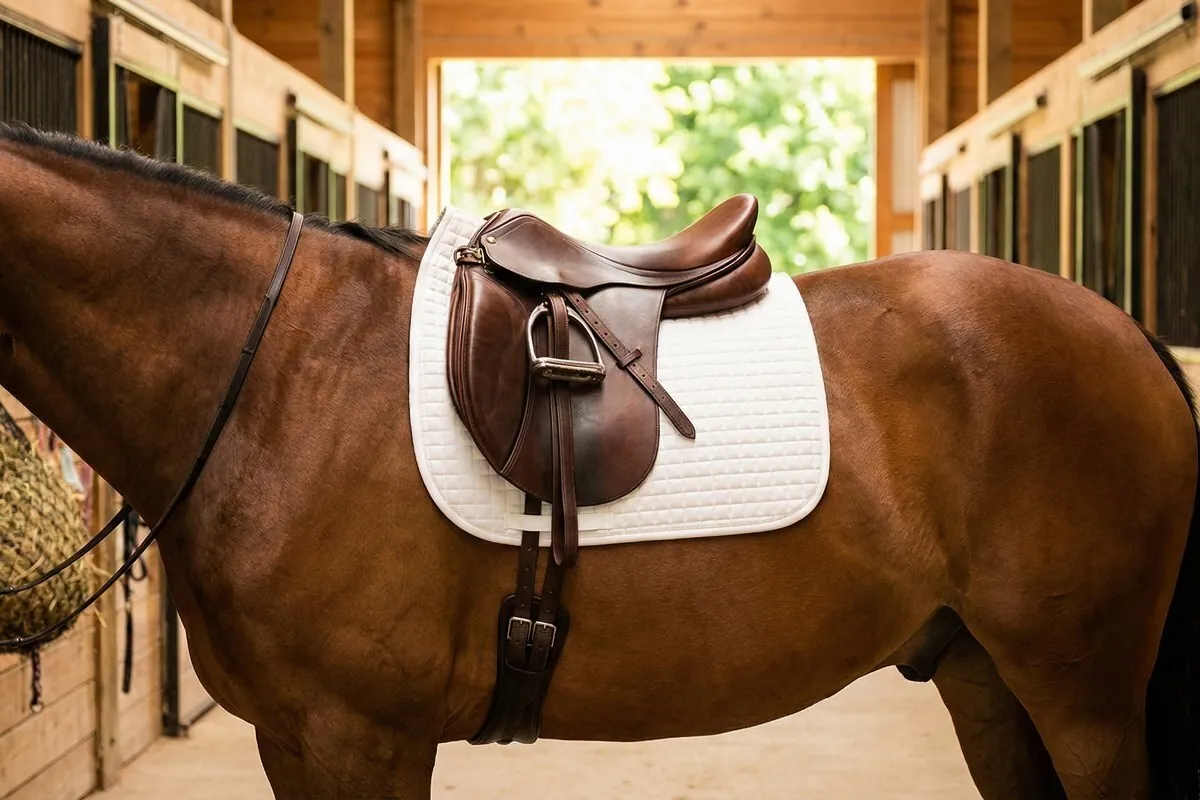
Consulting a Professional Fitter
Bringing in a certified fitter provides an expert eye on the horse’s biomechanics. They bring various demo saddles, which saves you the cost of buying a saddle that doesn’t fit. This is the most reliable way to ensure the horse remains comfortable throughout its training life.
Using Adjustable Tree Saddles
These saddles have interchangeable gullet plates that change the width of the tree. This is useful for horses that change shape during the season. You must buy the correct brand-specific plates, as using the wrong size will warp the tree and ruin the saddle’s internal structure.
Renting Trial Saddles
Many specialty tack shops allow you to rent a saddle for a week. This gives you time to ride in different conditions and see how the saddle performs. This is a great way to test a specific brand before making a large investment, though you must pay for shipping and insurance.
Related guides
Frequently asked questions
How long should a saddle last?
A well-made, properly maintained saddle can last for a significant period. The actual lifespan depends on the quality of the leather and how often you condition the material. If you use the saddle daily, the flocking inside the panels will likely need professional adjustment every one to two years to maintain a consistent fit.
Is it safe to buy a used saddle?
Yes, it’s safe if you inspect the tree for cracks and check that the stitching is intact. Always ask the seller for the serial number to verify the manufacturer’s details. If the tree is twisted or the leather is brittle, the saddle is unsafe, and repairing the structural damage often costs more than the saddle is worth.
How do I know if my saddle is too narrow?
The saddle will sit too high above the withers, creating a bridge effect where the middle of the saddle doesn’t touch the horse’s back. You’ll see dry spots in the center of the sweat marks after a ride. This causes extreme pressure on the shoulder blades, which often leads to the horse stumbling or refusing to move forward.
Can a saddle pad fix a bad fit?
No, a saddle pad can’t compensate for a saddle that doesn’t fit the horse’s frame. While a thick pad might hide a minor pinch, it can’t correct the weight distribution or the balance of the tree. Using a thick pad on a poor-fitting saddle often makes the pressure worse by creating a bulky, unstable base.
What happens if the saddle is too wide?
A saddle that’s too wide will sink down onto the horse’s withers, causing painful sores or muscle atrophy. You’ll feel the saddle shift side-to-side when you trot, and the horse may act irritable when you tighten the girth. This setup prevents the horse from lifting its back and results in a restricted, choppy gait.
How much should I spend on a saddle?
The price varies widely based on the brand, materials, and whether you buy new or used. A quality used saddle often provides better value than a cheap new one, as the construction is usually more durable. Always prioritize the fit for the horse over the brand name, as even an expensive saddle is worthless if it causes pain.
Conclusion
Once you’ve found a match that feels secure, take it for a few short rides to see how your horse moves. If they seem relaxed and your position stays steady, you’re on the right track. Don’t rush the process, as the perfect gear makes every hour in the barn much more enjoyable.