
Horse manure is generally considered more beneficial for fast-acting nitrogen delivery, while cow manure is better for long-term soil structure and moisture retention, meaning that determining whether horse or cow manure is better depends entirely on your specific gardening goals and soil needs.
Comparing horse and cow manure for soil
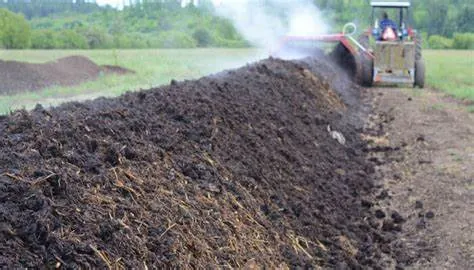
Choosing between these two fertilizers requires understanding their nutrient density and decomposition rates. While horse manure is often called “hot” due to its high nitrogen content, cow manure is “cooler” and breaks down more slowly, making it a safer option for direct application.
| Method | Nitrogen Level | Decomposition | Main Benefit | Best For |
|---|---|---|---|---|
| Horse manure | High | Fast | Nutrient boost | Heavy feeders |
| Cow manure | Low/Medium | Slow | Soil structure | General gardening |
| Composted blend | Balanced | Stable | Soil health | All plants |
The cost of these materials is typically low if you source them from local farms, though you may pay a medium price for bagged, heat-treated products at garden centers. Always check the supplier’s practices to ensure the animals weren’t fed persistent herbicides that can damage your crops.
Using horse manure for rapid growth
Horse manure is an excellent choice if you want to provide a quick nutrient surge to your garden. Because horses have a less efficient digestive system than cows, their waste often contains more undigested hay and straw, which adds significant organic bulk to your soil.
- Collect fresh manure and stack it into a pile at least 3 feet wide and 3 feet high.
- Turn the pile once every 2 weeks to ensure even heat distribution and aeration.
- Allow the pile to age for 6 to 12 months until it looks and smells like dark, earthy soil.
- Spread a 2-inch layer over your garden beds in the fall or early spring.
This method is ideal for heavy feeders like corn or tomatoes that need a fast nitrogen start. However, the biggest risk is weed seeds, as horses often pass seeds from hay through their systems; failing to compost the material long enough at high temperatures will lead to a weed infestation in your beds.
Using cow manure for soil structure

Cow manure is the preferred choice for gardeners who want to improve the water-holding capacity and structure of their soil over time. Since cattle have a multi-chambered stomach, they break down feed more thoroughly, resulting in fewer weed seeds in the final product.
- Source aged cow manure that has been sitting for at least 6 months.
- Mix a 3-inch layer into the top 6 inches of your garden soil using a garden fork.
- Incorporate the material at least 4 weeks before planting to allow for complete stabilization.
- Water the area lightly to help the nutrients integrate into the existing earth.
Cow manure is excellent for sandy soils that struggle to hold moisture. A common mistake is using fresh cow manure directly on young seedlings, which can burn roots due to high ammonia levels; always ensure it’s well-aged or fully composted before planting sensitive crops.
Composting for a balanced result
Blending different animal manures creates a more balanced fertilizer that provides both immediate nutrients and long-term soil conditioning. This approach mitigates the risks associated with using a single source and helps create a more diverse microbial environment in your garden.
- Combine 1 part horse manure with 1 part cow manure in a designated bin.
- Add “brown” materials like dried leaves or straw to reach a carbon-to-nitrogen ratio of roughly 30:1.
- Maintain moisture levels so the pile feels like a wrung-out sponge, according to Cornell University Waste Management Institute guidelines.
- Monitor the internal temperature, which should reach at least 131°F for several days to kill pathogens.
This method is the gold standard for long-term soil health and vegetable garden success. The primary weakness is the time and space required to maintain an active compost pile, which may not be feasible for those with very small urban gardens.
Which manure should you choose?
When you’re in a hurry, choose horse manure because its higher nitrogen content acts faster on plant growth than cow manure. This rapid nutrient release fuels leafy expansion, making it ideal for hungry crops like squash or corn that need a quick boost.
If you’re doing this for the first time, cow manure is the better choice because it’s less likely to burn your plants and has fewer weed seeds. Its cooler, denser profile provides a wider margin for error if your application is slightly uneven.
If you want the best possible result regardless of effort, use a composted blend of both manures to get the structural benefits of cow waste and the nutrient density of horse waste. This pairing balances immediate growth with long-term soil health.
The trade-off is simple: higher nitrogen sources work quickly but require careful management to avoid burning plants, while lower-nitrogen sources build soil quality slowly over time.
Rules for safe garden application

Regardless of which manure you choose, you must prioritize safety to protect your harvest and your health. Always use well-aged or composted material, as fresh manure can contain harmful pathogens like E. coli or Salmonella that persist in the soil.
Before applying, ensure your manure source is free of persistent herbicides. These chemicals can remain active in manure for years and severely stunt the growth of broadleaf plants. If you’re unsure of the source, perform a simple bioassay by planting a few bean seeds in a pot of the manure and observing their growth.
If you’re working with large quantities or need to apply manure to a commercial field, you may need to check local municipal regulations regarding nutrient management and runoff. These standards are often overseen by your local agricultural extension office.
Finally, always wash your hands thoroughly after handling raw or composted manure. Wear gloves to prevent direct skin contact with potential bacteria, especially if you have any open cuts or scrapes on your hands or forearms.
Related guides
Frequently asked questions
Can I use fresh manure in my garden?
Fresh manure should generally be avoided during the growing season because it contains high levels of ammonia and salts that can burn crops and may harbor pathogens. It can also harbor harmful pathogens that may contaminate your vegetables; follow safety guidelines such as the 120-day rule for crops that contact the soil.
How long should I compost horse manure?
You should compost horse manure for at least 6 to 12 months to ensure all weed seeds are killed and the nutrients have stabilized. The exact time varies based on your local climate and how often you turn the pile; you can verify it’s ready when the material looks like dark, crumbly soil.
Is it safe to use manure on root vegetables?
Yes, but you must apply it at least 120 days before harvest to ensure food safety. Avoid putting fresh manure near carrots, radishes, or potatoes because the manure can harbor bacteria that stick to the skin of the vegetables, which are often eaten raw or with minimal cleaning.
How much manure should I add per square foot?
You should add about 1 to 2 pounds of well-composted manure per square foot of garden space. This assumes the standard nutrient levels found in aged manure; if your soil is already very fertile, you can reduce this amount by half to avoid excessive nitrogen buildup.
Why does my manure smell like ammonia?
The ammonia smell indicates that your manure is fresh and hasn’t finished breaking down. This strong odor is a sign that the pile isn’t aerated enough or is too wet; continue turning the pile and adding dry, carbon-rich materials like straw until the smell turns earthy.
What happens if I use too much manure?
Using too much manure can cause nutrient toxicity, specifically nitrogen burn, which stunts plant growth and causes leaves to turn yellow or brown. It can also lead to an excess of salts in the soil, which prevents plants from absorbing water properly and can kill beneficial soil microbes.
Conclusion
Ultimately, the best choice comes down to what your garden is missing right now. If you aren’t sure which one to pick, grab a simple soil test kit from a local nursery. It’ll show you exactly what your ground needs, so you won’t have to guess when you’re ready to start planting.