
Riders control horses by using a combination of rein signals, leg pressure, and shifts in body weight. Because horses are sensitive animals that react to subtle changes in balance and tension, riders create a clear language by applying pressure and releasing it the moment the horse responds. This constant conversation relies on the horse’s natural instinct to move away from pressure, turning a powerful creature into a responsive partner.
How do people control horses: The basics
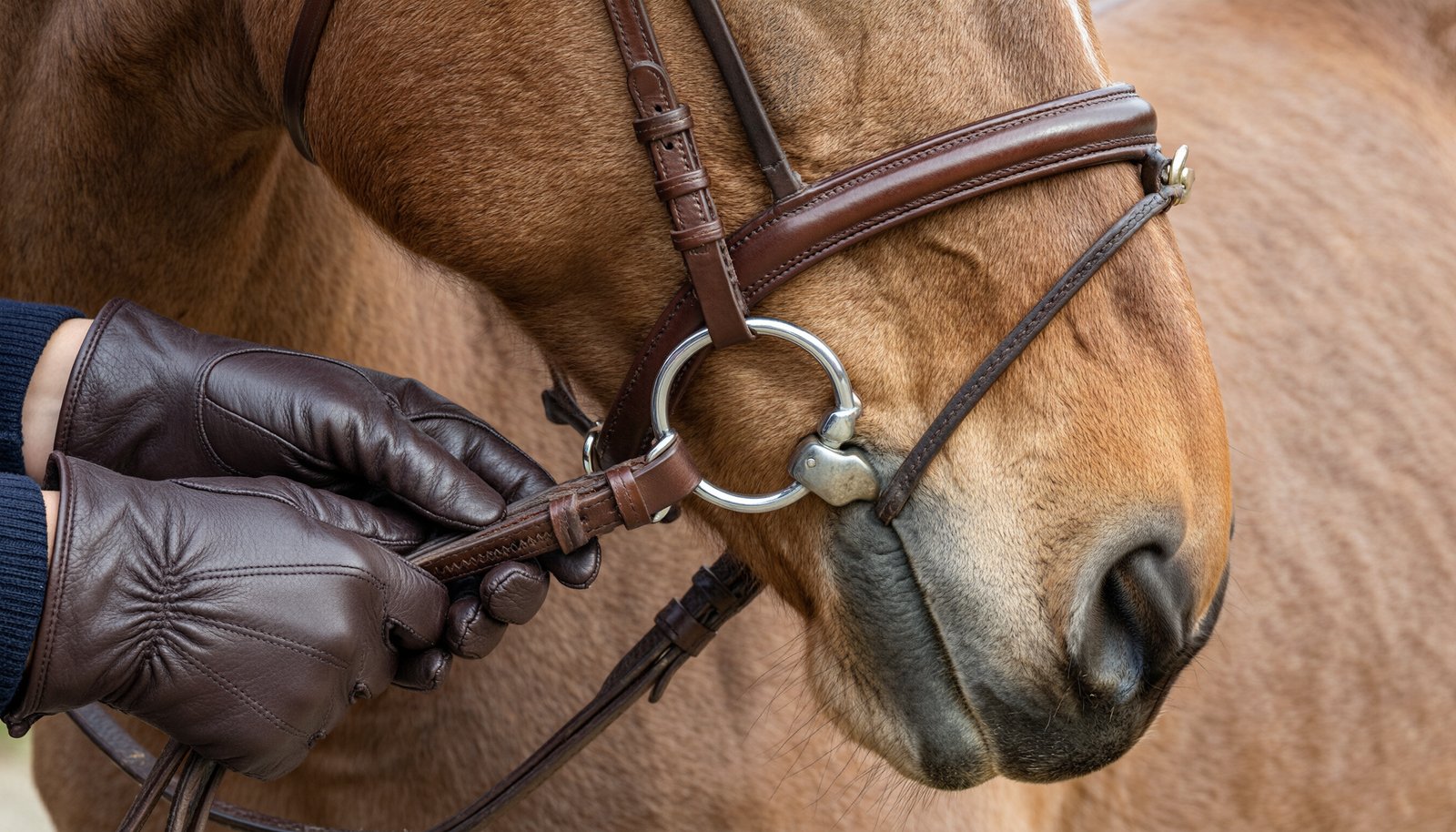
| Part or input | What it does | What you notice when it goes wrong |
|---|---|---|
| Bit or bosal | Applies pressure to mouth or nose | Horse resists, tosses head, or ignores cues |
| Reins | Connects hands to the headgear | Loose contact, vague signals, or constant pulling |
| Saddle | Provides balance and seat stability | Rider slips, loses center, or pinches horse |
| Leg position | Signals speed or lateral movement | Horse ignores leg, gets dull, or overreacts |
| Rider weight | Shifts center of gravity | Horse loses balance or leans into rider |
Checking your equipment is vital for safety. If the bit is too harsh or the saddle doesn’t fit correctly, you’ll cause the horse pain. Always check the manufacturer’s guidelines for proper fit to ensure you aren’t causing unnecessary discomfort.
A common mistake is failing to check the saddle gullet width. If the gullet is too narrow, it pinches the horse’s withers, causing a hollow back and a refusal to move forward. If the gullet is too wide, the saddle may rest on the withers, which can cause painful pressure points.
To test fit, slide your fingers under the front of the saddle while mounted. If you can’t fit two fingers comfortably, the saddle is too tight.
If you notice the horse pinning its ears or swishing its tail during use, stop immediately. Check for sores or tight gear before proceeding. These subtle behaviors are the first indicators of pain. Ignoring them often leads to bucking or bolting as the horse attempts to escape the source of its discomfort.
The process of guiding a mount
-
Establish a neutral, upright seat in the center of the saddle. You must keep your shoulders, hips, and heels in a vertical line. If you lean forward, you shift your weight onto the horse’s front legs, making it difficult for the horse to turn or stop smoothly.
-
Apply gentle pressure with your lower legs against the horse’s sides to ask for a forward walk. If the horse doesn’t move within two seconds, squeeze slightly harder. Release the pressure the instant the horse steps forward to reward the desired action and reinforce the command.
-
Use the reins to indicate direction by gently pulling one side toward your hip. To turn left, move your left hand toward your left hip while keeping your right hand relaxed. The horse feels the pressure on the side of its mouth and moves away from that tension.
-
Shift your body weight slightly toward the direction you wish to travel. Horses are naturally sensitive to the rider’s balance. By moving your weight to the inside seat bone, you help the horse understand the turn, which reduces the amount of rein pressure you need to apply.
-
Bring the horse to a halt by sitting deeper into the saddle and closing your fingers on the reins. This increases the contact on the bit. If the horse doesn’t stop within three strides, add a firm, steady squeeze with your legs to encourage the horse to engage its hindquarters.
-
Release all pressure as soon as the horse comes to a complete, quiet stop. This pause is the most important part of the process. It tells the horse that it followed your instruction correctly. If you keep pulling on the reins, the horse will likely become confused or frustrated.
-
Distinguish between a “neck rein” and a “direct rein” based on your horse’s training. If the horse is trained for western riding, it will move away from the rein touching its neck. For English riding, you pull the rein directly to create tension on the bit. Using the wrong method creates a communication gap that often leads to the horse tossing its head in resistance.
-
Maintain consistent contact during transitions. Many riders drop the reins entirely when the horse stops, causing the animal to lose focus or begin grazing. Keep just enough tension to feel the horse’s mouth through the leather. This subtle connection allows you to detect a shift in the horse’s weight before it decides to move off unexpectedly.
Why control matters when problems arise
The ability to maintain control depends on the rider’s ability to remain calm and neutral. When a horse becomes excited or afraid, the animal’s heart rate increases and its muscles tense, making it less responsive to subtle cues. A common mistake is for the rider to panic and pull harder on the reins when the horse speeds up. This action actually triggers the horse’s instinct to lean into the pressure or run faster to escape the discomfort in its mouth. Instead of pulling back, a skilled rider will use their seat to slow the horse’s rhythm, effectively changing the horse’s internal state from frantic to controlled.
Communication breaks down when the signals are inconsistent. If a rider pulls on the reins while also squeezing with their legs, the horse receives two conflicting messages. This creates a “dead” horse that stops listening to the rider’s legs because the legs no longer guarantee a release of pressure. If you find your horse is ignoring your leg cues, you must reset your expectations. Start by asking for a small movement with light pressure, and if the horse doesn’t respond, immediately follow up with a stronger, unmistakable tap until the horse moves.
The decision rule here is simple: if the horse ignores a light aid, you must escalate the intensity exactly once to prove your authority, then immediately return to the lightest possible touch. Failing to provide that one firm correction forces the horse to become duller to your aids, as it learns that your requests are merely suggestions rather than requirements.
Another issue is the trade-off between sensitivity and safety. A horse that’s trained to be very sensitive to the bit is a joy to ride in an arena, but that same sensitivity can be a hazard on a busy trail. If a horse is startled by a loud noise, a hyper-sensitive animal might bolt, whereas a less sensitive horse might simply pause. You must match the horse’s training level to your own skill. If you’re a beginner, you should avoid horses that require advanced, light-touch handling. A mistake people make is buying a highly trained competition horse before they have the balance to keep their hands still. This costs them their confidence when the horse reacts to their accidental, heavy-handed movements. If your hands aren’t yet independent of your seat, choose a horse with a calm, steady temperament and a professional instructor’s guidance.
What you can change, and what you cannot
Things you control
- Your own posture and balance in the saddle.
- The timing of when you release pressure.
- The consistency of your daily training routine.
- Your choice of bit or training equipment.
Fixed design limits
- The horse’s natural fight-or-flight response.
- The physical limitations of the horse’s age.
- The animal’s individual temperament and history.
If you find that your horse is consistently dangerous or aggressive, this isn’t a training issue for a novice to fix. You should contact a professional trainer or an equine behaviorist immediately to avoid injury.
Getting more out of it
The key to better control is spending time on the ground before you ever mount. A horse that respects your personal space on the ground will be much easier to manage from the saddle. Practice moving the horse’s shoulders and hindquarters by using a lead rope and a lunge whip. If you can move the horse’s body parts individually on the ground, you’ll have a much easier time doing it while riding. Aim for ten to fifteen minutes of ground work before every ride to settle the horse’s mind.
Consistency is the second habit that improves performance. You must decide on a specific set of cues and stick to them every single time. If you use your left leg to ask for a trot today, don’t use your heel to ask for a gallop tomorrow. A horse learns through repetition, and changing your signals creates a confused animal. Keep a log of your training sessions to track which cues the horse understands and where you need to be clearer.
Focus on your breathing to maintain a calm, steady rhythm. Horses are experts at reading a rider’s tension. If you hold your breath or grip with your thighs, the horse will feel that tension and assume there’s a reason to be nervous. Take deep, slow breaths to keep your own muscles relaxed. If you feel your own heart rate rising, stop the exercise and walk in a circle until both you and the horse feel settled. A calm rider is the most effective tool for maintaining control over a large animal.
Can I control a horse with just my weight?
No, you can’t control a horse solely with your weight, but you can use it to significantly reduce the amount of rein pressure needed. Weight shifting is a secondary signal that tells the horse where to balance its body during a turn or stop. Most riders combine weight shifts with leg and rein cues to create a complete picture for the horse. If you rely only on weight, the horse will eventually stop listening to your cues because it finds the lack of clear, direct pressure confusing.
How long does it take to learn to control a horse?
It takes most people about six months of weekly practice to develop the basic balance and coordination required for safe control. This assumes you’re working with a well-trained, calm lesson horse. If you’re learning on a young or untrained horse, the process takes much longer and requires professional supervision to ensure safety. You can speed up your progress by doing exercises off the horse to strengthen your core muscles, which helps you stay centered and quiet in the saddle.
Is it safe to ride without a bit?
Yes, it’s safe to ride without a bit if you and the horse are both properly trained for bitless equipment. A bosal or a side-pull headgear can provide excellent control for many horses. However, you shouldn’t switch to bitless gear if you don’t have a strong independent seat, as a bitless setup relies heavily on your ability to use your body weight to guide the horse. Always check that the headgear fits snugly and doesn’t pinch the horse’s nose or eyes.
What happens if I pull on both reins at once?
If you pull on both reins at once, the horse will likely slow down or stop, provided you also sit deep and relax your legs. This is the standard signal for a halt. If you pull constantly while the horse is trying to walk, the horse will learn to ignore the pressure in its mouth, leading to a “heavy” horse that’s difficult to stop. Always release the pressure the moment the horse begins to slow down to reward the effort.
Why does my horse ignore my leg pressure?
Your horse is likely ignoring your leg pressure because you aren’t being consistent or because the horse has become “dull” to your cues. A horse that’s constantly squeezed will eventually tune out the sensation. You must ensure that every time you use your leg, it’s a clear, distinct request. If the horse ignores a light squeeze, follow up immediately with a firm tap until the horse moves, then stop. This teaches the horse that responding to the first, light cue is the best way to avoid the second, stronger one.
Does it matter which saddle I use for control?
A well-fitting saddle is essential because it dictates your balance and allows your legs to hang correctly. An ill-fitting saddle forces you to grip with your knees, which can confuse the horse. Check your saddle fit regularly to ensure you can sit deeply and use your aids with minimal movement. Moving forward, consult a professional saddle fitter to evaluate your current equipment.
People control, in short
Building this connection takes time and patience, as you’ll need to learn how to listen to your horse’s movements. Don’t worry if it doesn’t feel natural right away. You’ll find that as you practice being gentle and consistent, you’ll develop a bond that makes riding feel like a true partnership.