
Horses Horse: A Deep Dive Into the World’s Most Iconic Animal
Few animals have shaped human history and imagination as profoundly as the horse. From the thundering cavalry charges that decided empires to the quiet companionship of a trail ride, horses have left hoofprints on nearly every facet of civilization. Their power, elegance, and intelligence have inspired art, literature, and countless cultural traditions worldwide. Whether serving as vital partners in agriculture, war, transportation, sport, or therapy, horses are woven into the very fabric of human progress.
Yet the story of horses is not just one of utility, but also of partnership and mutual understanding. Today, horses continue to fascinate, not only for their athleticism and beauty but for the depth of their relationships with humans. This article explores the biology, history, breeds, care, sports, and modern roles of horses, combining scientific insight with practical experience and real-world examples. Whether you are a seasoned equestrian, a prospective horse owner, or simply a horse enthusiast, you’ll find comprehensive, actionable information to deepen your appreciation of these remarkable animals.
Key Takeaways
- Horses have played a pivotal role in human development, influencing agriculture, warfare, and culture for millennia.
- There are over 350 recognized horse breeds worldwide, each with unique traits and uses.
- Proper care, nutrition, and understanding of equine behavior are essential for horse health and welfare.
- The modern roles of horses extend beyond sport and labor to include therapy, conservation, and companionship.
- Scientific advances have enriched our understanding of horse genetics, health, and communication.
- Choosing the right horse depends on your needs, experience, and available resources.
The Biology And Evolution Of Horses
The Origin And Domestication Of Horses
The evolutionary journey of horses began over 50 million years ago with small, dog-sized ancestors known as *Eohippus*. Through a complex process of natural selection, these early equids evolved into the modern genus *Equus*, which includes horses, zebras, and donkeys. Fossil evidence suggests that horses first appeared in North America before migrating to Eurasia, where they diversified and eventually became extinct in their native land.
Domestication is believed to have occurred around 3500 BCE in the steppes of modern-day Ukraine, southwest Russia, and west Kazakhstan. The Botai culture is among the earliest known to have tamed horses, using them for riding and, likely, milk. Archaeological findings of bit wear on teeth and residues of mare’s milk in pottery support this theory. Horses dramatically transformed human societies, enabling faster travel, expanded trade, and more effective warfare.
Anatomy And Physiology
Horses are large, muscular mammals with highly specialized adaptations for running. Key features include:
- Long, powerful legs with single-toed hooves for speed and endurance.
- Large lungs and heart enabling efficient oxygen transport during strenuous activity.
- Digestive system optimized for grazing: A small stomach, long intestines, and fermentation in the cecum.
- Keen senses: Horses have nearly 350-degree vision, acute hearing, and a sophisticated sense of smell.
Their skeletal structure, with about 205 bones, supports both immense strength and agility. The horse’s neck and head are balanced to allow grazing while standing, and their flexible spine enables a range of gaits.
Behavioral Intelligence And Communication
Horses are highly social animals, evolved to live in herds with complex hierarchies. Their survival depends on acute awareness and rapid flight responses. Key aspects of equine behavior include:
- Body language: Horses communicate with subtle signals, ear position, tail movement, posture, and facial expressions.
- Learning ability: They excel at associative learning, making them trainable for diverse tasks.
- Emotional intelligence: Horses form strong social bonds and can perceive human emotions, as shown in studies by the University of Sussex.
Example: When I worked with a young Thoroughbred, I noticed he would mirror my mood, calming when I was relaxed, becoming anxious when I was tense. This sensitivity is why horses excel in therapy and sport partnerships.
Horse Lifespan And Health
On average, horses live 25-30 years, though some reach 40 years or more with optimal care. Key factors influencing lifespan include:
- Genetics: Certain breeds are predisposed to longer lives.
- Nutrition and exercise: Balanced diets and regular activity promote longevity.
- Preventive care: Vaccinations, dental checkups, parasite control, and hoof care are crucial.
Common health challenges include laminitis, colic, and respiratory disorders. Advances in veterinary medicine, such as digital imaging and genetic testing, have improved early diagnosis and treatment outcomes.

Credit: thehorse.com
The Rich Tapestry Of Horse Breeds
Classification Of Horse Breeds
There are over 350 recognized horse breeds worldwide, each adapted to specific environments and human needs. Breeds are typically classified into three major types:
- Light horses: Agile, fast breeds used for riding and sport (e.g., Arabian, Thoroughbred).
- Heavy horses: Large, powerful draft breeds for pulling and heavy labor (e.g., Clydesdale, Shire).
- Ponies: Small, sturdy breeds under 14.2 hands high (e.g., Shetland, Welsh Pony).
Breeds differ in size, temperament, conformation, and aptitude for various tasks.
Popular Horse Breeds And Their Unique Traits
Here’s a comparison of some of the world’s most popular breeds:
| Breed | Origin | Primary Use | Notable Traits |
|---|---|---|---|
| Arabian | Arabian Peninsula | Endurance, show | High stamina, refined build |
| Thoroughbred | England | Racing, sport | Speed, athleticism |
| Quarter Horse | USA | Ranch work, racing | Versatility, quick acceleration |
| Clydesdale | Scotland | Draft, exhibition | Strength, feathered legs |
| Friesian | Netherlands | Dressage, driving | Graceful movement, black coat |
| Shetland Pony | Shetland Islands | Children’s riding, driving | Sturdy, intelligent |
Rare And Endangered Breeds
Many unique breeds face the threat of extinction due to changing agricultural practices and crossbreeding. Examples include:
- Akhal-Teke: Known for a metallic sheen, native to Turkmenistan.
- Cleveland Bay: England’s oldest horse breed, valued for carriage driving.
- Sorraia: Ancient Iberian breed with primitive markings.
Conservation programs, such as those coordinated by the Livestock Conservancy, are critical for preserving genetic diversity and cultural heritage.
How To Choose The Right Breed
Selecting a horse breed should be based on:
- Purpose: Riding, sport, driving, therapy, or companionship.
- Experience level: Some breeds are more forgiving for beginners.
- Climate adaptability: Certain breeds fare better in specific environments.
- Maintenance needs: Size, feeding, and grooming requirements vary.
Pro Tip: Always visit reputable breeders or rescues, observe the horse’s temperament, and consult with an experienced trainer before making a decision.
Case Study: The American Mustang
The American Mustang is a symbol of the wild frontier, descended from horses brought by Spanish explorers. Managed by the Bureau of Land Management, wild herds roam the western United States. Adoption programs have successfully placed thousands of Mustangs into homes, where their intelligence and resilience shine.
:max_bytes(150000):strip_icc()/horse.primary-e9a47e1c486c4fb7bf729e05b59cf0df.jpg)
Credit: www.treehugger.com
The Role Of Horses In Human History
Horses In Warfare And Transportation
For much of recorded history, horses were the engines of civilization. Cavalry units dominated ancient battlefields, with notable examples including:
- Mongol horsemen: Renowned for their mobility and archery skills.
- Roman cavalry: Key to military expansion and communication.
- Knights of medieval Europe: Heavily armored and mounted on powerful destriers.
Horses revolutionized transportation, enabling faster trade, exploration, and communication. The Pony Express in 19th-century America is a famous example of equine-powered mail delivery.
Horses In Agriculture And Industry
Before mechanization, horses provided essential traction power for plowing, harvesting, and hauling goods. Draft breeds like the Percheron and Belgian were bred for their immense strength and endurance. Even today, horses are used in sustainable agriculture and logging in regions where machinery is impractical.
Cultural And Religious Significance
Horses hold prominent places in mythology, art, and ritual. For example:
- In Greek mythology, Pegasus is a winged horse symbolizing inspiration.
- The Chinese zodiac celebrates the horse as a sign of energy and freedom.
- The chariot races of Rome and Byzantium were major social events.
Horses appear in cave paintings, epic poems, and royal iconography, reflecting their enduring cultural resonance.
The Modern Transition: From Utility To Sport And Recreation
The advent of automobiles and tractors drastically reduced the utilitarian role of horses in the 20th century. However, their place in sport, leisure, and therapy has grown. Equestrian disciplines such as dressage, show jumping, and Western riding attract millions worldwide, preserving traditional skills while adapting to contemporary interests.
Example: The Spanish Riding School
The Spanish Riding School in Vienna, founded in 1572, exemplifies the preservation of classical horsemanship. Its performances with Lipizzaner stallions showcase centuries-old training methods and the artistry of horse and rider in harmony.
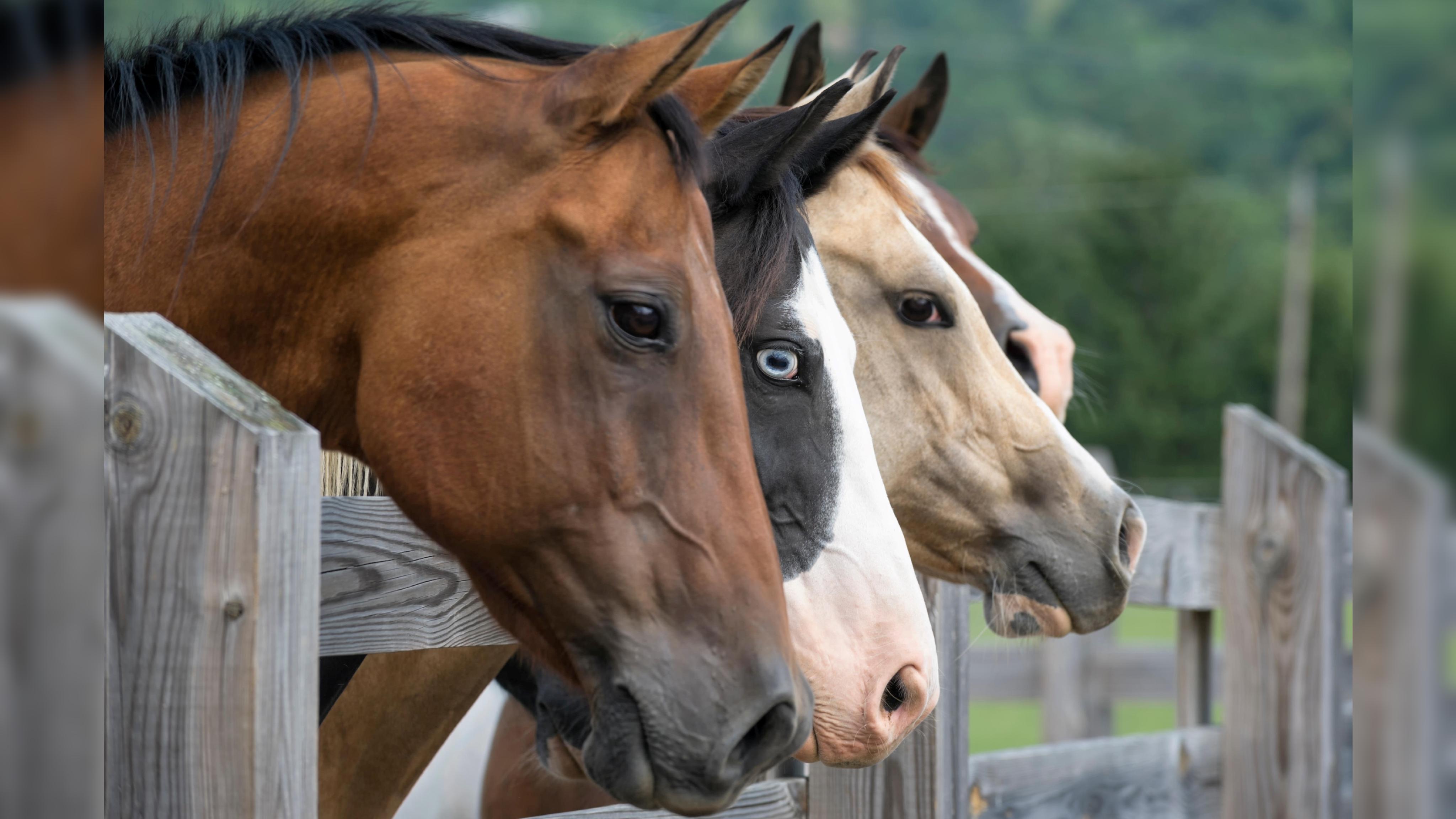
Credit: www.livescience.com
Caring For Horses: Nutrition, Health, And Welfare
Daily Care And Management
Proper horse care is a blend of science and art, requiring attention to detail and consistency. Core elements include:
- Feeding: Horses are grazing animals, requiring a diet high in forage (hay or pasture), supplemented with grains, vitamins, and minerals as needed.
- Water: Horses need constant access to clean water; the average adult drinks 5-10 gallons per day.
- Shelter: Protection from extreme weather is essential, but horses benefit from time outdoors.
Routine tasks involve grooming, mucking stalls, and checking for injuries or illness.
Equine Nutrition: What Horses Need
A balanced diet is vital for performance and health. Key components are:
- Forage: The foundation of every horse’s diet, providing fiber for digestive health.
- Concentrates: Grains or commercial feeds supply extra energy for working horses.
- Supplements: Vitamins, minerals, and electrolytes may be needed, especially for broodmares, foals, or athletes.
| Feed Type | Main Benefit | Risks |
|---|---|---|
| Hay | Fiber, slow energy | Mold/spores if stored poorly |
| Grain | Quick energy | Colic, laminitis if overfed |
| Pasture | Natural grazing, nutrients | Obesity, toxic plants |
| Supplements | Balance deficiencies | Overdose/toxicity |
Warning: Sudden changes in diet can cause colic, a potentially fatal digestive disorder. Always transition feeds gradually and consult an equine nutritionist for specialized needs.
Health Maintenance And Preventive Care
Routine veterinary care is the cornerstone of equine welfare. Essential practices include:
- Vaccinations: Protection against diseases like tetanus, influenza, and West Nile virus.
- Deworming: Regular parasite control based on fecal egg counts.
- Dental care: Horses’ teeth continually erupt and require floating (filing) to prevent sharp points.
- Hoof care: Farriers trim or shoe hooves every 6-8 weeks.
Early detection of illness is critical; signs include lethargy, loss of appetite, abnormal gait, or changes in behavior.
Shelter, Exercise, And Social Needs
Horses are healthiest when they have space to move freely and interact with other horses. Stabling should provide:
- Adequate ventilation and bedding
- Safe fencing and turnout areas
- Opportunities for exercise, such as lunging, riding, or free movement in a paddock
Social animals by nature, horses benefit from companionship, reducing stress and abnormal behaviors.
Example: Rehabilitation Of Rescue Horses
Organizations like the ASPCA rescue and rehabilitate neglected horses, providing medical care and training to prepare them for adoption. Success stories demonstrate the resilience of horses and the transformative power of proper care and patience.
Equestrian Sports And Recreation
Major Equestrian Disciplines
Horses are at the heart of a diverse spectrum of sports and recreational activities. The most popular include:
- Dressage: The art of precise, controlled movements, often described as “horse ballet.”
- Show Jumping: Horses and riders navigate a course of obstacles, testing agility and technique.
- Eventing: A triathlon combining dressage, cross-country, and show jumping.
- Western Riding: Includes reining, barrel racing, and cutting, disciplines rooted in cattle work.
- Endurance Riding: Long-distance races over challenging terrain, demanding stamina and strategy.
The Structure Of Competitions
Most equestrian events are governed by international bodies such as the Fédération Equestre Internationale (FEI) and national organizations like the United States Equestrian Federation (USEF). Competitions are divided by:
- Age and experience of horse/rider
- Level of difficulty
- Breed-specific events
Safety, welfare, and fair play are paramount, with strict rules on equipment, doping, and judging.
Data Table: Popular Equestrian Sports Comparison
| Discipline | Main Skills Tested | Typical Horse Breeds | Global Participation |
|---|---|---|---|
| Dressage | Precision, obedience | Warmbloods, Andalusians | High |
| Show Jumping | Agility, power | Thoroughbreds, Warmbloods | Very High |
| Eventing | Versatility, endurance | Thoroughbreds, Warmbloods | Moderate |
| Western | Speed, cow sense | Quarter Horses, Paints | High (Americas) |
| Endurance | Stamina, navigation | Arabians | Moderate |
Leisure Riding And Trail Activities
Beyond competition, millions enjoy horses for leisure and relaxation. Trail riding offers scenic exploration and a unique bond with nature. Riding clubs and ranches provide access for those without their own horses.
Many therapeutic riding programs help individuals with disabilities improve physical, emotional, and social well-being through structured equine interaction.
Case Study: Equestrian Therapy Success
The Professional Association of Therapeutic Horsemanship International (PATH Intl.) reports that children with autism, veterans with PTSD, and individuals recovering from injury benefit greatly from equine-assisted therapy. Improvements in balance, confidence, and communication are commonly observed, underscoring the unique healing power of horses.
The Economics Of Equestrian Sport
The global equestrian market is valued in the tens of billions of dollars, encompassing:
- Horse breeding and sales
- Training, boarding, and veterinary services
- Equipment and apparel manufacturing
- Event organization and tourism
According to the American Horse Council, the US equine industry alone contributes over $122 billion annually to the economy and supports 1.7 million jobs (American Horse Council).
Horse Ownership: Responsibilities And Realities
The True Cost Of Keeping A Horse
Owning a horse is a long-term, substantial commitment. Expenses include:
- Purchase price or adoption fee
- Boarding: Stall or pasture rental, often the largest ongoing cost.
- Feed and bedding
- Veterinary and farrier care
- Tack and equipment
- Insurance
Annual costs can range from $2,000 to over $10,000 per horse, depending on location, needs, and discipline.
Pro Tip: Before purchasing, create a detailed budget and consider leasing or part-ownership as a lower-risk alternative.
Legal And Ethical Considerations
Horse owners must comply with local animal welfare laws, which may dictate minimum standards for shelter, exercise, and medical care. Ethical ownership entails:
- Ensuring lifelong care or responsible rehoming
- Avoiding overbreeding and neglect
- Participating in community education on horse welfare
Finding The Right Horse: Tips For Buyers
When seeking a horse, prioritize:
- Temperament and suitability for your level and goals
- Health and soundness: Arrange a pre-purchase veterinary exam
- History and training: Request records and observe the horse under saddle
Avoid impulse purchases, and work with reputable sellers or adoption organizations.
Boarding, Training, And Support Services
Most owners rely on boarding stables for daily care if they lack private facilities. Services vary from self-care (owner provides feed and labor) to full board (all-inclusive care). Trainers offer lessons, exercise programs, and behavioral support.
Example: When I first boarded my gelding, I chose a full-care stable with experienced staff. Their routine health checks and turnout schedule gave me peace of mind and time to focus on riding and training.
Common Challenges And Solutions
Horse ownership is rewarding but can be stressful. Common issues include:
- Health crises: Build a relationship with a local veterinarian and keep emergency contacts handy.
- Behavioral problems: Work with a professional trainer to address fear, aggression, or bad habits.
- Financial strain: Plan for unexpected expenses and consider equine insurance.
Joining local equestrian clubs and online forums can provide valuable support and advice.
The Science Of Horse Genetics, Training, And Welfare
Advances In Equine Genetics
Genetic research has revolutionized horse breeding and health. Key breakthroughs include:
- Mapping the equine genome: Facilitates identification of inherited diseases and performance traits.
- Genetic testing: Used to prevent the spread of conditions like HYPP in Quarter Horses or SCID in Arabians.
- Selective breeding: Enhances desirable traits, but overemphasis can lead to health problems.
Ethical breeding balances performance goals with long-term welfare and genetic diversity.
Modern Training Methods
Training has evolved from dominance-based approaches to positive reinforcement and natural horsemanship. Effective training focuses on:
- Clear, consistent cues
- Rewarding correct responses
- Building trust and reducing fear
Scientific studies confirm that horses learn best when training is tailored to their cognitive and emotional capacities.
Equine-assisted Therapy And Research
Horses are increasingly used in mental health and physical rehabilitation settings. Research published in the *Journal of Alternative and Complementary Medicine* found that equine-assisted therapy can reduce anxiety and improve mood in children and adults.
Therapy programs emphasize safety, individualized goals, and strong horse-handler partnerships.
Welfare Standards And Global Initiatives
International organizations, such as the World Organisation for Animal Health (OIE) and World Horse Welfare, set benchmarks for:
- Nutrition and housing standards
- Humane transport and slaughter
- Disaster response and rescue operations
Local enforcement varies, but public awareness and advocacy are driving improvements worldwide.
Example: Genetic Testing For Disease Prevention
A Quarter Horse breeder in Texas used genetic screening to identify carriers of hereditary equine regional dermal asthenia (HERDA). By only breeding non-carrier horses, they significantly reduced the incidence of this painful skin condition in their herd.
Horses In The Modern World: New Roles And Future Directions
Conservation And Environmental Impact
Horses play a role in land management and biodiversity. In regions like the Camargue in France, semi-wild horses help maintain wetlands by grazing invasive plants. However, unmanaged feral populations can damage fragile ecosystems, necessitating balanced management strategies.
Horses In Urban And Cultural Life
While less common in cities, mounted police units are valued for crowd control and public relations. Carriage horses remain a tourist attraction in cities like New York, although their welfare is a subject of debate.
Cultural festivals, parades, and reenactments celebrate equestrian traditions, keeping historical skills and knowledge alive.
Technological Innovations In Equine Care
Modern technology is transforming horse care and management:
- Wearable sensors: Monitor vital signs and movement for early detection of health issues.
- Online training platforms: Connect riders and trainers worldwide.
- Automated feeders and waterers: Improve consistency and reduce labor.
Research into equine biomechanics informs saddle design, farriery, and rehabilitation protocols.
The Future Of Horse-human Partnerships
As society evolves, horses remain valued for their emotional connection and the unique experiences they offer. Trends include:
- Growth in therapeutic and adaptive riding programs
- Increased focus on welfare, sustainability, and responsible breeding
- Expanding diversity and accessibility in equestrian sports
The horse continues to inspire innovation and unity across cultures and generations.
Example: Horses In Conservation Grazing
In the Netherlands, Konik horses are used in nature reserves to replicate the ecological role of extinct wild horses. Their grazing maintains open habitats, supporting rare bird and plant species. This model is expanding across Europe as an alternative to mechanical land management (Wikipedia).
Frequently Asked Questions
What Is The Difference Between A Horse And A Pony?
Ponies are not simply young horses; they are distinct types of equids generally measuring less than 14. 2 hands (58 inches) at the withers. Ponies have proportionally shorter legs, thicker manes and tails, and stockier builds. They also often possess distinct temperaments, being more self-sufficient and sometimes more stubborn than horses.
Some breeds, like the Shetland Pony, are classified as ponies regardless of height due to their unique characteristics.
How Can I Tell If A Horse Is Healthy?
A healthy horse will have a shiny coat, bright eyes, and alert ears. They should stand evenly on all four legs, eat and drink regularly, and pass well-formed manure. Check for normal vital signs: a resting heart rate of 28-44 bpm, respiratory rate of 8-16 breaths per minute, and a body temperature between 99-101°F. Regular veterinary checkups are essential to catch issues early.
Are Horses Really Colorblind?
Horses do not see the world in black and white, but their color vision is limited compared to humans. They see shades of blue and green but have difficulty distinguishing reds. This affects how they perceive jumps and objects in their environment.
Understanding equine vision can help riders and handlers design safer, more effective training setups.
What Are Some Signs Of Stress Or Discomfort In Horses?
Subtle changes in behavior often indicate stress or discomfort. Watch for pinned ears, tail swishing, restlessness, teeth grinding, or reluctance to move forward. Horses may also show signs of colic (pawing, rolling, looking at the flank) or lameness (limping, uneven gait).
If you observe these behaviors, consult a veterinarian promptly.
Can Anyone Learn To Ride A Horse, Or Is It Only For Certain People?
Riding is accessible to people of all ages and backgrounds, provided they receive proper instruction and are matched with an appropriate horse. Many riding schools offer adaptive programs for individuals with disabilities. The key is to start with professional guidance, use correct safety equipment, and progress at a comfortable pace.
A horse is more than just a means of transport or a sporting partner, it is a living link to history, culture, and the natural world. In my experience, the partnership between horse and human is a journey of mutual respect and learning, where each ride offers new challenges and joys.
Whether you are drawn to horses for sport, companionship, therapy, or conservation, your engagement enriches not only your life but the legacy of these magnificent animals. As science and society progress, the horse’s role will continue to evolve, always anchored by the timeless bond we share.