
Horse flies can ruin a peaceful afternoon outdoors. Their bites are painful, their buzzing is annoying, and they seem almost impossible to escape. If you live near water, keep horses or livestock, or just enjoy summer activities, you’ve probably battled these aggressive insects.
The good news is you don’t have to accept horse flies as a fact of life. With the right strategies and knowledge, you can protect yourself, your family, and your animals from these relentless pests.
This guide breaks down practical ways to avoid horse flies. You’ll learn why they target certain people and animals, what works (and what doesn’t), and how to make your property less attractive to them. Whether you’re a horse owner, a camper, or just someone tired of itchy bites, you’ll find clear, actionable advice here.
Even if you’ve tried sprays and traps before, you’ll discover insights that most beginners overlook. Let’s get started on reclaiming your summer from horse flies.
Understanding Horse Flies
Before you can avoid horse flies, it helps to know your enemy. Horse flies aren’t just big house flies—they’re a unique family called Tabanidae, and they have habits that make them hard to control.
What Makes Horse Flies Different?
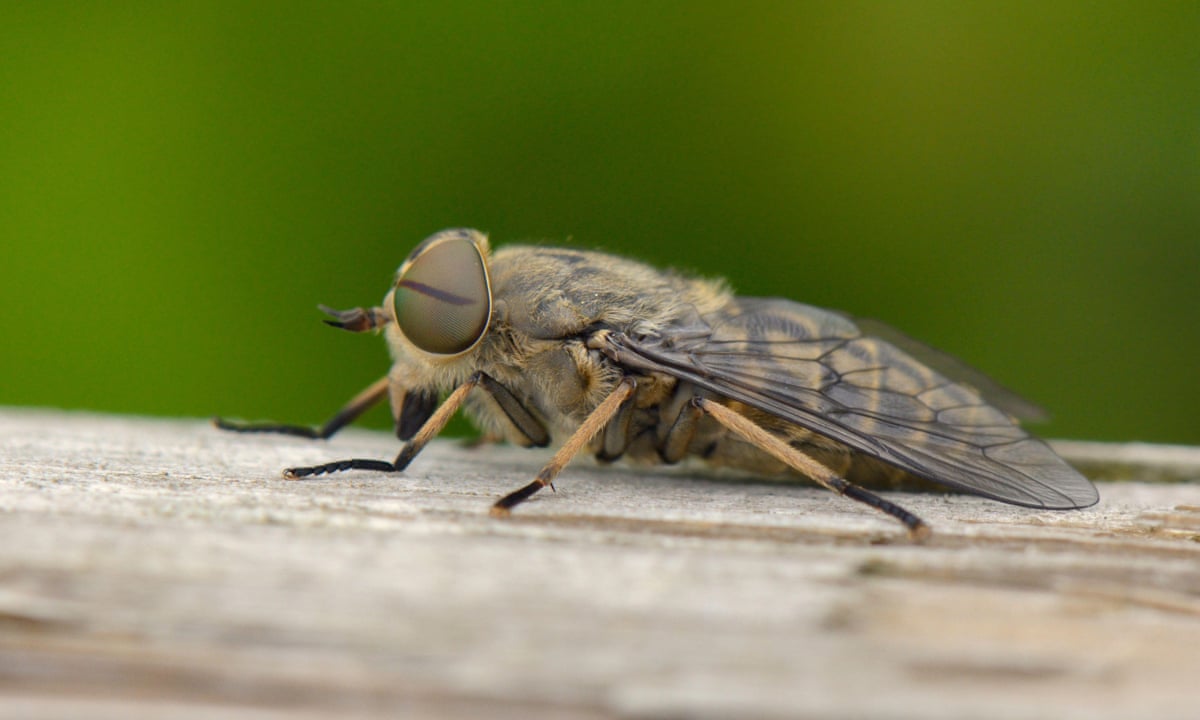
Horse flies are large, often 1/2 to 1-1/4 inches long, with prominent green or black eyes. Unlike regular flies, female horse flies bite to feed on blood, using sharp mouthparts that cut the skin. This makes their bite especially painful and can trigger allergic reactions in sensitive people. Males feed on nectar and rarely bite.
Horse flies are strong fliers. They’re most active on hot, sunny days, especially near water, marshes, or livestock. Unlike mosquitoes, they don’t need standing water to breed but prefer moist soil or mud for laying eggs.
Why Do Horse Flies Bite?
Female horse flies need blood to develop their eggs. They’re attracted by movement, carbon dioxide, and body heat. Dark colors, sweat, and even certain perfumes can make you a target. They’re persistent and will chase you for several minutes if they think you’re a good meal.
Where Are Horse Flies Most Common?
You’ll find horse flies across North America, Europe, and many other regions, particularly in rural or semi-rural areas. They’re most active from late spring through early fall. If you’re near lakes, ponds, streams, or fields with animals, your risk is higher.
Who Is Most At Risk?
Anyone outdoors in summer can be bitten, but some situations and activities draw more horse flies.
- Horse Owners and Riders: Horses are prime targets, and flies can cause distress, blood loss, and even transmit diseases.
- Farmers and Livestock Handlers: Cattle, sheep, and other livestock attract horse flies, leading to reduced weight gain and milk production.
- Campers and Hikers: Waterways, forests, and meadows are horse fly hotspots.
- Anglers and Boaters: Fishing and boating in freshwater areas are high-risk activities.
- Gardeners and Outdoor Workers: Spending hours outside increases exposure.
Understanding your risk helps you choose the right avoidance strategies.

Credit: www.horseandhound.co.uk
How To Avoid Horse Flies: Key Strategies
Staying ahead of horse flies means using several methods together. Relying on a single tactic rarely works. Here’s how to create a solid defense.
1. Dress To Be Less Attractive
What you wear makes a real difference. Horse flies rely on vision to find hosts.
- Wear light-colored clothing: Horse flies are drawn to dark colors like black, navy, and red.
- Choose loose, long sleeves and pants: This gives them less exposed skin.
- Avoid shiny materials: Glossy surfaces can attract attention.
- Wear a hat: Especially one with a wide brim to protect your neck and face.
Example:
If you’re gardening, swap a black T-shirt for a pale blue or white long-sleeve shirt. You’ll be less visible to horse flies and better protected from bites.
2. Use Effective Repellents
Many people think any bug spray will stop horse flies, but these insects are tougher than mosquitoes. Not all repellents work.
What To Look For:
- DEET (20-50%): Provides some protection, but needs frequent reapplication.
- Permethrin: Not for skin, but can be sprayed on clothing and gear.
- Picaridin: Sometimes effective, safer for sensitive skin.
- Natural oils: Lemon eucalyptus and geraniol offer limited short-term relief.
Apply repellent before outdoor activities and reapply as directed. Always read the label, especially when using around children or animals.
Non-obvious Tip:
Horse flies can bite through thin fabrics. Spray repellent on your clothing, not just your skin, for better coverage.
3. Avoid Peak Activity Times
Horse flies are most active during mid-morning to late afternoon on hot, sunny days. If possible, plan outdoor work or exercise for early morning or evening.
Example:
If you ride horses, aim for dawn or after 6 p. m. Flies are less aggressive when temperatures drop.
4. Control Your Environment
Making your property less inviting to horse flies is a powerful, often overlooked strategy. Focus on breeding sites and resting places.
Key Steps:
- Eliminate standing water: Fix leaky hoses, empty buckets, and clean gutters.
- Mow tall grass and weeds: Females rest and lay eggs in these areas.
- Remove decaying vegetation: Rotting plants attract egg-laying females.
- Keep manure piles far from living areas: Move them at least 200 feet from barns, patios, or play spaces.
Data Insight:
A study from the University of Florida found that removing moist organic debris near horse paddocks reduced horse fly numbers by up to 40%.
5. Use Physical Barriers
Prevention isn’t just about sprays—barriers can make a huge difference for people and animals.
- Screened windows and doors: Keeps flies out of homes and barns.
- Fine mesh nets: Cover stables, outdoor dining areas, or garden beds.
- Horse fly sheets and masks: Protect horses with lightweight, breathable gear.
- Portable screen tents: Great for picnics or fishing trips.
Table: Comparing Common Barriers
| Barrier Type | Protection Level | Best For | Notes |
|---|---|---|---|
| Screened Windows/Doors | High | Homes, barns | Permanent solution |
| Mesh Netting | Medium | Outdoor spaces | Portable, versatile |
| Fly Sheets/Masks | High | Horses, livestock | Comfort depends on fit |
| Screen Tents | Medium | Picnics, camping | Quick setup |
6. Install And Maintain Traps
Traps can reduce local populations but must be used correctly. The best traps mimic a moving, dark object (like an animal).
Popular Trap Types:
- Sticky ball traps: Large black balls coated in sticky glue hung in sunny spots.
- Canopy traps: Black cones with a collection jar at the top.
- DIY bottle traps: Use dark bottles and attractants, but less effective for horse flies.
Placement Tips:
- Place traps 50-100 feet from gathering areas, along fly flight paths.
- Use multiple traps for large properties.
- Check and clean traps weekly for best results.
Table: Horse Fly Trap Comparison
| Trap Type | Effectiveness | Maintenance | Best Location |
|---|---|---|---|
| Sticky Ball Trap | High | Medium | Sunny, open areas |
| Canopy Trap | Very High | Low | Near animal enclosures |
| DIY Bottle Trap | Low | High | Garden edges |
7. Manage Animals And Livestock
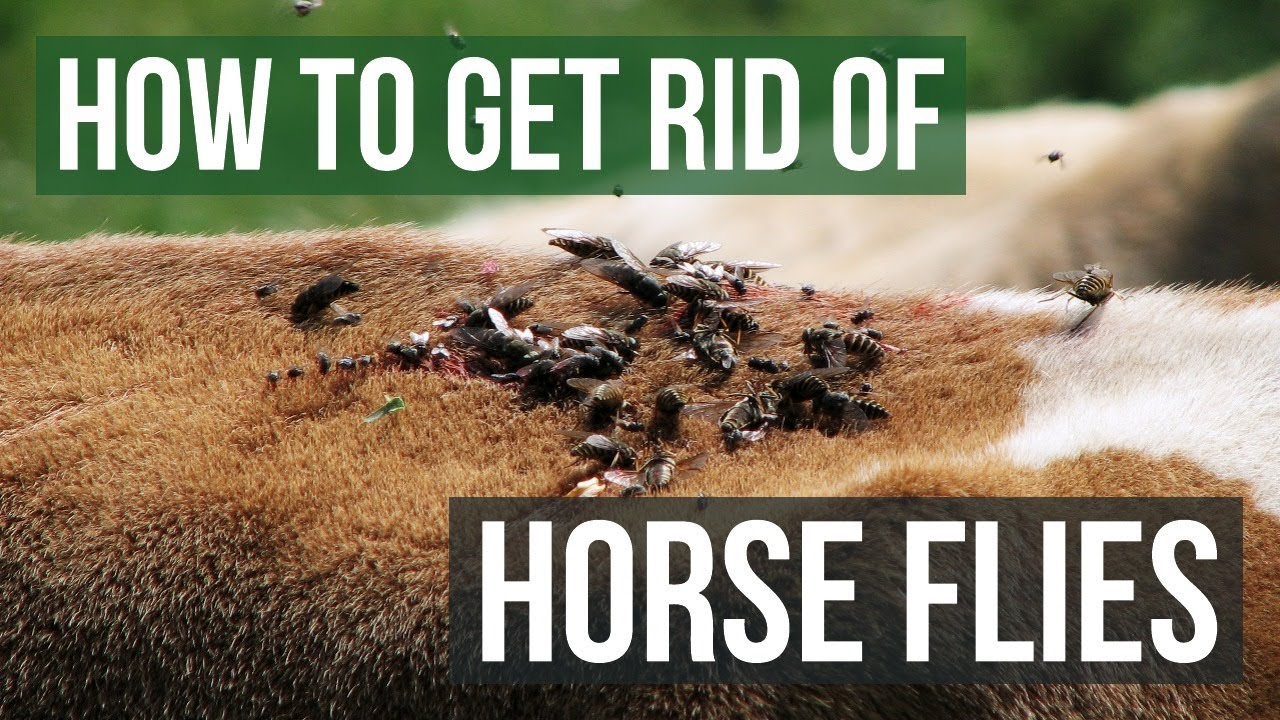
If you keep horses or cattle, protecting them is vital. Horse flies can cause weight loss, sores, and stress.
- Apply approved repellents: Rotate products to prevent resistance.
- Provide shade and shelter: Flies avoid dark, cool places.
- Use automatic fly misters in barns: Releases insecticide at intervals.
- Keep animals clean and dry: Sweat and mud attract more flies.
- Move animals during peak fly times: Grazing at dawn or dusk helps.
Non-obvious Insight:
Horse flies are attracted to the movement and heat of large animals. Keeping animals in motion or under fans can reduce bites, as flies struggle to land.
8. Try Natural And Home Remedies (with Caution)
Many websites suggest home remedies, but most aren’t backed by science. Still, some people find relief with these methods:
- Apple cider vinegar sprays: May help, but effects are short-lived.
- Essential oils: Lavender, citronella, and eucalyptus sometimes repel flies.
- Garlic supplements for horses: Anecdotal evidence, but not proven in studies.
Use home remedies as a supplement, not your main defense. Always test on a small area first to avoid allergic reactions.
9. Understand What Doesn’t Work
Some common methods simply don’t deter horse flies:
- Ultrasonic repellers: No scientific proof of effectiveness.
- Citronella candles: May repel mosquitoes but rarely work for horse flies.
- Bug zappers: Attract and kill beneficial insects, not horse flies.
Knowing what to skip saves you time and money.
What To Do If Bitten By A Horse Fly
Even with precautions, bites can happen. Horse fly bites are painful and can swell or become infected.
Steps To Take:
- Clean the bite: Wash with soap and water to reduce infection risk.
- Apply a cold pack: Reduces swelling and pain.
- Use topical anti-itch creams: Hydrocortisone or calamine lotion can help.
- Monitor for infection: Watch for redness, pus, or increased pain.
- See a doctor: If swelling is severe, you develop a fever, or have an allergic reaction.
Example:
A horse fly bite on the arm may swell and itch for several days. Keep it clean, avoid scratching, and use ice for relief.
Credit: www.theguardian.com
Horse Flies Vs. Other Biting Flies
It’s easy to confuse horse flies with other biting insects. Knowing the difference helps you use the right protection.
Table: Comparing Biting Flies
| Insect | Size | Bite Pain | Peak Season | Preferred Target |
|---|---|---|---|---|
| Horse Fly | Large (up to 1.25 inches) | Severe | Late spring–fall | Mammals, people, livestock |
| Deer Fly | Medium (0.25–0.5 inches) | Moderate | Early summer | People, deer, livestock |
| Black Fly | Small (0.1 inches) | Mild–moderate | Spring | People, birds, livestock |
| Stable Fly | Small (0.25 inches) | Mild | Summer | Cattle, horses |
Horse flies are the largest and inflict the most painful bites. They’re less likely to swarm than black flies but are harder to deter once they’ve targeted you.
Common Mistakes To Avoid
Many people repeat the same errors when trying to avoid horse flies. Here’s what not to do:
- Relying only on repellents: No spray is 100% effective.
- Wearing dark or shiny clothes: Makes you a moving target.
- Ignoring breeding sites: If you don’t remove standing water or wet weeds, flies will keep coming.
- Using the wrong traps: Homemade traps for houseflies or mosquitoes won’t reduce horse fly numbers.
- Not protecting animals: Horses and livestock need their own defense.
Success comes from a combined approach—don’t skip any step.
Credit: www.youtube.com
When To Call A Professional
For most homes and small farms, the strategies above work well. But sometimes, horse flies become overwhelming.
- Large infestations near water or marshland
- Severe outbreaks affecting animal health
- Events or camps where safety is a concern
A pest control expert can recommend area treatments, targeted insecticides, or specialized traps. Choose a company with experience in horse fly management and ask about environmental safety, especially around animals and children.
Extra Tips For Outdoor Activities
Don’t let horse flies ruin your summer fun. Here are quick tips for campers, hikers, and families:
- Choose breezy campsites: Flies struggle to land in strong wind.
- Set up away from water: The farther from lakes or streams, the fewer horse flies.
- Bring portable fans: At picnics or patios, fans can blow flies away.
- Keep food covered: Avoid attracting flies with open snacks.
- Use unscented products: Perfume and scented lotions can attract flies.
The Future Of Horse Fly Control
Research continues on new ways to deter horse flies. Some promising developments:
- Attractant-baited traps: Using pheromones or special chemicals to draw flies in.
- Genetic control: Introducing sterile flies to reduce populations.
- Improved repellents: New active ingredients are in development.
For now, the best approach combines traditional methods with smart new tools. Stay updated with resources like the Wikipedia page on Tabanidae for the latest science.
Frequently Asked Questions
Why Are Horse Fly Bites So Painful?
Horse fly bites hurt because their mouthparts cut the skin with tiny blades, not a needle-like tube. This tearing action causes more pain, swelling, and can lead to bleeding. Their saliva also contains chemicals that prevent blood clotting, which can make reactions worse.
Do Horse Flies Carry Diseases?
Yes, horse flies can transmit diseases to animals, such as Equine Infectious Anemia in horses. However, transmission to humans is rare. The main risk for people is infection from scratching bites.
How Can I Protect My Horse From Horse Flies?
Use fly sheets and masks, apply approved repellents, keep stables clean, and install canopy traps near paddocks. Move horses indoors or to shaded areas during peak fly activity. Automatic fly misting systems in barns are also effective.
Are There Any Plants That Repel Horse Flies?
Some gardeners use basil, lavender, or mint around patios, but there’s limited evidence these plants repel horse flies. They may work better for mosquitoes. Focus on barriers, repellents, and habitat control for serious protection.
What’s The Best Trap For Horse Flies?
Canopy traps and sticky ball traps are most effective. Place them in sunny, open spots near fly activity. Homemade traps rarely work as well as commercial designs, so invest in a proven option for best results.
Horse flies are tough, but not unbeatable. By using these strategies together, you can enjoy the outdoors with fewer bites and less frustration. Take action early in the season, stay consistent, and don’t rely on one single solution. The right mix of prevention, protection, and property management will keep you—and your animals—safe from these persistent pests.