
Horse flies are more than just an annoyance—they can make outdoor life difficult for people, pets, and livestock. Their bite is painful, and in some areas, they can even spread disease. If you’ve ever tried to relax in your backyard only to be chased inside by relentless buzzing, you know how big a problem horse flies can be.
Many people think stopping these pests is impossible, but with the right strategies, you can greatly reduce their numbers and reclaim your space. This guide will give you practical steps, proven solutions, and some insights that most beginners miss. Let’s look at how to stop horse flies for good.
Understanding Horse Flies
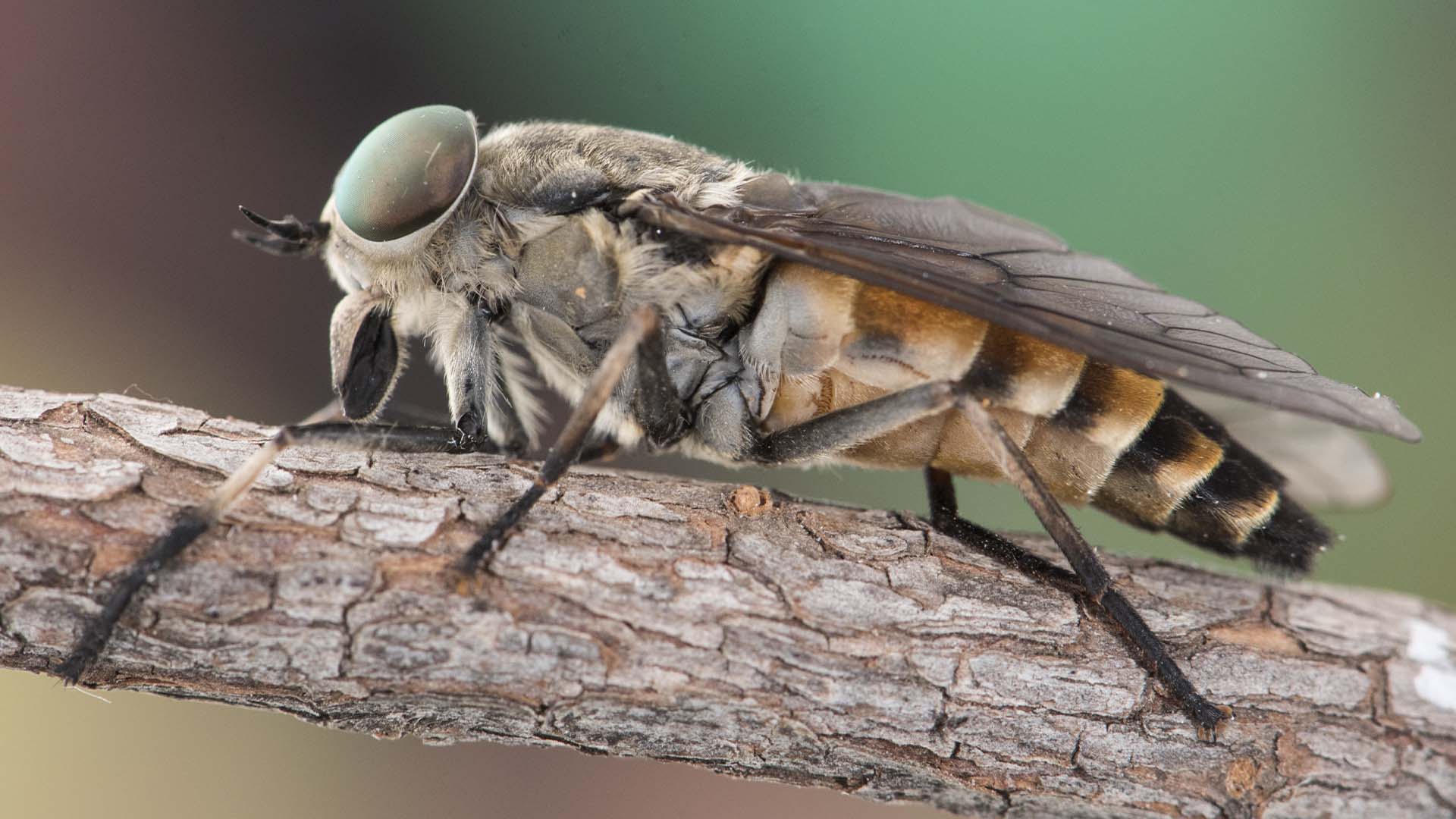
Horse flies are large, aggressive biting insects found almost everywhere in the world. Adult females bite because they need blood to produce eggs. Males, on the other hand, feed mostly on nectar. Horse flies are known for their size—some can reach up to 1.
25 inches long—and their painful bite. Their mouthparts are like scissors, cutting the skin to lap up blood. This makes their bite much more painful than a mosquito’s.
Why Do Horse Flies Bite?
Only female horse flies bite, and they do this to get protein from blood for egg-laying. They are attracted to movement, carbon dioxide, body heat, and even dark colors. These signals help them find their hosts, including humans, horses, cattle, and sometimes dogs.
The Impact Of Horse Fly Infestations
A few horse flies might not seem like a big deal, but a large population can cause real problems:
- Painful bites: Their bites hurt and can lead to swelling and infection.
- Reduced outdoor activity: People and animals tend to avoid areas with many horse flies.
- Stress for livestock: Cattle and horses can lose weight, produce less milk, or become restless.
- Disease risk: In rare cases, horse flies can carry diseases like anthrax or equine infectious anemia.
Understanding what attracts horse flies and how they behave is the first step in stopping them.
What Attracts Horse Flies?
Horse flies are not random. They use several cues to find their next meal. Knowing what draws them in can help you avoid common mistakes when trying to keep them away.
Key Attractants
- Movement: Fast-moving objects, especially animals, are more likely to be targeted.
- Carbon dioxide: Breathing releases CO2, a strong attractant for horse flies.
- Body heat: Warm bodies give off infrared signals that horse flies can detect.
- Moisture: Sweat and wet skin are appealing to them.
- Dark colors: Black, brown, and deep blue attract horse flies more than light colors.
- Shiny surfaces: Reflections from water or metal can draw them in.
Common Mistakes
A lot of people try to deal with horse flies by using methods that work for mosquitoes, like citronella candles or bug zappers. These usually don’t work because horse flies use different senses. Understanding their unique behavior helps you choose better solutions.

Credit: wgme.com
How To Prevent Horse Flies: Practical Solutions
Stopping horse flies is not about one magic trick. It’s about combining different methods to make your environment less attractive to them and reduce their numbers. Here are the best ways to prevent horse flies from bothering you, your family, and your animals.
1. Remove Or Treat Breeding Sites
Horse flies lay eggs near water—ponds, wetlands, muddy edges, or even ditches. Controlling these sites can help reduce future generations.
- Drain standing water when possible.
- Keep ponds clean by removing excess vegetation.
- Fix leaking hoses or troughs around barns and homes.
- Fill in muddy areas where water collects after rain.
If you have a pond for livestock, consider fencing it off or treating the area with safe larvicides, but always follow local guidelines to protect wildlife.
2. Use Physical Barriers
Barriers are simple but effective, especially for protecting humans and animals.
- Wear light-colored clothing to make yourself less attractive.
- Cover up exposed skin with long sleeves, pants, and hats.
- Install fine-mesh screens on windows and doors.
- Use fly sheets and masks for horses.
When outdoors, set up shelters with mesh walls to create a fly-free space.
3. Set Up Horse Fly Traps
Traps can dramatically reduce the number of adult horse flies in your area. Not all traps work, though, so choose wisely.
Popular Trap Types
| Trap Type | How It Works | Effectiveness | Best For |
|---|---|---|---|
| Horse Pal Trap | Attracts flies to a dark, moving surface; they get trapped in a cone. | High | Yards, barns, pastures |
| Bottle Trap | Baited with water and attractant; flies enter and drown. | Medium | Home gardens, patios |
| Sticky Traps | Flies land on adhesive surface and get stuck. | Low | Small spaces, indoor use |
Horse flies are visual hunters. Traps that use large, dark, moving objects work best. Place traps away from where you and your animals spend the most time, so flies are drawn away from you.
4. Use Repellents (with Caution)
Most bug sprays are made for mosquitoes, not horse flies. However, some repellents can help.
- DEET: Offers some protection but not as strong as for mosquitoes.
- Permethrin-treated clothing: Works well for humans and animals.
- Essential oils: Peppermint, eucalyptus, and citronella have limited effect but can be part of a broader strategy.
Always follow label directions, especially when using repellents on children or animals.
5. Keep Animals Clean And Healthy
Horse flies are attracted to sweat, dirt, and open wounds. Good animal care can reduce their interest.
- Regular grooming helps remove sweat and dirt.
- Treat wounds quickly to prevent flies from feeding.
- Use fly sprays designed for livestock.
- Rotate pasture to prevent wet, muddy spots from forming.
6. Manage Pastures And Yards
Good land management can make your property less attractive to horse flies.
- Mow grass regularly to reduce hiding spots.
- Remove manure frequently, especially near barns.
- Trim back bushes and weeds near water sources.
These steps not only cut down on horse flies but also help with other pests.
Advanced Strategies For Horse Fly Control
If you’re dealing with a serious infestation, you’ll need to go beyond basic prevention. Here are advanced methods that can make a big difference.
Biological Control
Some natural predators and parasites help control horse fly populations. Birds, frogs, and some insects eat horse fly larvae and adults. Encouraging these species on your property can provide long-term benefits.
- Install birdhouses for swallows and bluebirds.
- Create frog habitats near ponds.
While you can’t rely on nature alone, supporting these helpers can be part of your plan.
Insecticides: When And How To Use
Chemical control should be a last resort. Horse flies are tough to kill with sprays because they don’t rest on surfaces much. Still, targeted use can help.
- Apply insecticides to breeding sites if allowed and safe for non-target species.
- Use animal-safe sprays on livestock.
- Foggers may help in barns but are less effective outdoors.
Always read labels and follow safety guidelines to protect people, pets, and the environment.
Comparing Horse Fly Control Methods
Here’s a look at how the most popular methods stack up for homes, farms, and outdoor events.
| Method | Best For | Cost | Safety | Effectiveness |
|---|---|---|---|---|
| Traps | Farms, homes | Medium | High | High |
| Barriers | Homes, events | Low | Very high | Medium |
| Insecticides | Serious infestations | Medium-High | Varies | Medium |
| Repellents | Personal protection | Low-Medium | High | Low-Medium |
No single method solves every problem. Combining traps, barriers, and good yard management will give you the best results.
Horse Flies And Livestock: Special Considerations
For farmers and horse owners, horse flies are more than a nuisance—they can cause real losses. Livestock under attack become stressed, eat less, and may develop infections.
Protecting Horses And Cattle
- Fly sheets and masks: Specially designed gear keeps horse flies off sensitive areas.
- Stable animals during peak times: Horse flies are most active on hot, sunny days.
- Automatic fly sprayers: These release safe insecticides in barns to keep flies away.
- Treat water sources: Use approved larvicides to keep fly larvae from growing.
Monitoring Animal Health
Check livestock regularly for signs of bites, swelling, or infection. Early treatment can prevent small problems from becoming serious. If you notice animals losing weight or acting restless, horse flies could be the cause.
Common Mistakes With Livestock
- Relying only on sprays: Chemical repellents wear off quickly, especially if animals sweat or get wet.
- Ignoring water sources: Even a small puddle can breed hundreds of flies.
- Not rotating pastures: Overgrazed, muddy areas are prime breeding sites.
Farmers who combine physical barriers, pasture management, and regular monitoring see the best results.
Homeowner Tips: Keeping Your Yard Horse Fly Free
Even if you don’t have animals, horse flies can ruin summer fun. Here’s how homeowners can protect their families and pets.
Reduce Attractants Around The House
- Keep garbage cans closed and away from outdoor seating.
- Fix leaky hoses and faucets to prevent puddles.
- Trim grass and shrubs where flies could rest.
Personal Protection
- Wear hats and light clothing when gardening or relaxing outside.
- Use fans in outdoor seating areas; horse flies are weak fliers and can’t fight strong airflow.
Pet Safety
Dogs and cats can be bitten too. Make sure pets have a cool, sheltered spot outside and check them for bites after being outdoors. Never use insecticides meant for livestock on pets—always choose products labeled for your animal.
Non-obvious Insights For Beating Horse Flies
Most guides stop at the basics, but experienced homeowners and farmers know a few tricks that make a real difference.
1. Trap Placement Is Critical
Don’t put traps right next to your house or barn. Place them 30-50 feet away from where people or animals gather. This draws flies away from you and toward the trap.
2. Timing Matters
Horse flies are most active in the middle of the day, especially in sunny, open areas. Schedule outdoor work for mornings or late afternoons when flies are less active.
3. Shiny Objects Can Make Things Worse
Many people hang shiny decorations thinking they’ll scare off flies. For horse flies, reflections can actually attract them. If you have mirrors, metal buckets, or water features, consider moving them away from outdoor living areas during fly season.
4. Water Management Is Key
Even small puddles or poorly draining flower pots can provide breeding grounds. Check your property after rain, and address these spots quickly.
5. Use Multiple Methods Together
Horse flies adapt quickly. Changing up your strategies and using more than one method increases your chances of success.
Horse Fly Bites: What To Do If You’re Bitten
Even with precautions, bites can happen. Knowing how to treat them helps prevent infection and reduce discomfort.
Immediate Steps
- Clean the area with soap and water.
- Apply a cold compress to reduce swelling.
- Use antihistamine cream for itching or redness.
- Watch for infection: If the area becomes hot, red, or oozes pus, see a doctor.
For most people, bites are just a painful nuisance. However, if you develop a severe allergic reaction—trouble breathing, swelling of lips or tongue—get medical help right away.

Credit: www.horseandhound.co.uk
Horse Fly Control Myths To Avoid
Some common “fixes” just don’t work, and can even make things worse.
- Bug zappers: Horse flies aren’t attracted to UV light.
- Citronella candles: These don’t bother horse flies much.
- Home-made sprays: Vinegar, garlic, and other folk remedies are rarely effective.
- Killing adults only: Without dealing with breeding sites, new flies will keep coming.
Focus your efforts on proven strategies for best results.
When To Call A Professional
Most people can handle horse flies with the steps above. But if you have a severe infestation, or if you manage a large property with valuable livestock, consider calling a pest control expert. Professionals have access to stronger treatments and can help you build a long-term plan.
Credit: www.dynatrap.com
Resources For Further Learning
For those interested in deeper scientific information or large-scale control, the United States Department of Agriculture (USDA) and many universities offer guides on horse fly biology and management. For example, the Horse Fly Wikipedia page offers a solid overview.
Frequently Asked Questions
What Time Of Year Are Horse Flies Most Active?
Horse flies are usually most active in late spring and summer, especially during hot, sunny days. Activity can vary by region, but in most places, you’ll see the highest numbers from May through September.
Can Horse Flies Transmit Diseases To Humans Or Animals?
Yes, horse flies can transmit diseases, though it’s not very common. In animals, they can spread equine infectious anemia and anaplasmosis. For humans, the risk is lower but still possible with diseases like tularemia. The bigger concern is the risk of secondary infection from bites.
Are There Any Natural Predators That Help Control Horse Fly Populations?
Yes. Birds, frogs, spiders, and some predatory insects eat horse fly larvae and adults. Encouraging these species can help reduce fly numbers, but they are not enough on their own for full control.
How Do I Make A Simple Horse Fly Trap At Home?
A common DIY trap uses a black plastic ball, a large clear plastic bag, and some string. Hang the ball in a sunny spot so it moves in the wind. Flies are attracted to the movement and heat, land on the ball, then move upward into the bag where they can’t escape.
Do Horse Flies Bite At Night?
No, horse flies are active during the day. They rely on vision to find hosts and do not bite at night. If you’re being bitten after dark, it’s probably another insect.
Taking on horse flies can feel overwhelming, but with patience and the right mix of prevention and control methods, you can cut down their numbers and enjoy your outdoor spaces again. Stay consistent, adjust your tactics as needed, and you’ll see real results.