
When a horse won’t gain weight, owners often feel frustrated and worried. Horses are large animals, and their health depends on having the right body condition. If your horse stays thin despite your best efforts, there’s usually a reason. Sometimes it’s simple—like not enough food.
Other times, it’s more complicated, such as medical conditions or stress. Understanding why a horse won’t gain weight helps you find solutions faster, and improves your horse’s quality of life. This article explains the main causes, how to spot the problem, and practical ways to help your horse gain healthy weight.
Understanding Healthy Weight In Horses
Healthy weight is not just about how a horse looks. It’s about muscle, fat, and overall wellness. Most horses should have a body condition score (BCS) between 5 and 6 on a 9-point scale. This means ribs are not visible, but can be felt easily. The neck, shoulders, and hips are smooth, not bony. Horses with lower scores are considered underweight.
Why Weight Matters
A horse that is too thin can:
- Have less energy
- Be more prone to illness
- Heal slower from injuries
- Have trouble keeping warm
Weight loss or failure to gain weight signals something is wrong. Early action is key.
Common Reasons Horses Won’t Gain Weight
Many factors can cause a horse to stay thin. Some are obvious, but others are easy to miss.
1. Poor Nutrition
Not all hay and feed are equal. Horses need enough calories, protein, vitamins, and minerals.
- Low-quality hay: Hay that is old, moldy, or mostly stems may lack nutrition.
- Not enough feed: Some horses burn more energy than they eat.
- Unbalanced diet: Missing key nutrients can stop weight gain.
2. Dental Problems
Horses need healthy teeth to chew and digest food well. Common dental issues include:
- Sharp points on teeth
- Loose, missing, or infected teeth
- Uneven bite
Older horses are more likely to have dental problems. Signs include dropping feed, slow eating, and undigested food in manure.
3. Parasitic Infections
Internal parasites, like worms, steal nutrients from the horse. Even if you deworm regularly, some horses have resistant parasites or need special treatment.
- Strongyles
- Tapeworms
- Ascarids
Symptoms: dull coat, diarrhea, weight loss, poor appetite.
4. Medical Conditions
Several diseases can cause weight loss or failure to gain weight:
- Cushing’s disease (PPID)
- Liver or kidney disease
- Ulcers in the stomach
- Heart disease
- Chronic infections
These conditions often need a vet’s diagnosis.
5. Stress And Environment
Stress uses energy and can stop a horse from eating. Causes include:
- Herd changes
- Loud noises
- Transport
- Poor shelter
Cold weather also increases calorie needs.
6. Poor Absorption
Some horses have trouble absorbing nutrients, even if they eat enough. This can be caused by:
- Gut damage
- Chronic diarrhea
- Malabsorption syndromes
7. Competition For Food
In group settings, dominant horses may prevent others from eating enough. This is common in pastures and barns.
8. High Workload
Hard-working horses burn more calories. If they work more than they eat, they will lose weight.
How To Assess Weight In Horses
Before you try to fix the problem, assess your horse’s weight and body condition. This helps you track progress and know if your efforts are working.
Body Condition Scoring
The Henneke Body Condition Score is widely used. Here’s a simple breakdown:
| Score | Description | Visible Signs |
|---|---|---|
| 1 | Emaciated | Ribs, bones very visible |
| 3 | Thin | Ribs visible, little fat |
| 5 | Moderate | Ribs not visible, can be felt |
| 7 | Fleshy | Ribs hard to feel, thick fat |
| 9 | Obese | Bulging fat, cannot feel ribs |
Most horses should be between 5 and 6.
Weighing And Measuring
Few owners have a horse scale. You can estimate weight using a weight tape around the girth or use formulas with body length and girth measurements.
Example formula:
Weight (lbs) = (Girth inches × Girth inches × Length inches) / 330
Tracking these numbers helps see changes over time.
Practical Steps To Help Your Horse Gain Weight
If your horse won’t gain weight, take practical actions. These steps target common causes.
1. Review And Improve Diet
Start by checking what your horse eats.
- High-quality hay: Choose hay with leafy, green appearance. Avoid dusty or moldy hay.
- Increase calories: Add more hay or switch to feeds with higher calories. Alfalfa, beet pulp, and rice bran are good choices.
- Balanced feed: Use feeds designed for weight gain. Look for those with added fat and fiber.
Example Diet Plan For Weight Gain
| Feed | Amount (per day) | Benefits |
|---|---|---|
| Alfalfa Hay | 10-15 lbs | High protein, calories |
| Senior Feed | 6-10 lbs | Easy to digest, balanced |
| Beet Pulp | 2-4 lbs | Extra calories, fiber |
| Vegetable Oil | ½-1 cup | Concentrated fat source |
Adjust amounts based on horse size and activity.
2. Address Dental Health
Have a vet or equine dentist check your horse’s teeth at least once a year. Float sharp points, fix uneven bites, and treat infections. Older horses may need softer feeds.
Non-obvious insight: Horses with dental pain often eat less at night, so check feed intake at different times.
3. Deworming And Parasite Control
Use targeted deworming. Get a fecal egg count to know which parasites are present. Deworm only as needed—overuse can cause resistance. Some horses need special treatments for tapeworms or strongyles.
Tip: Rotate dewormers, but always consult your vet first.
4. Veterinary Check For Medical Issues
If diet and deworming don’t help, call your vet. Blood tests, ultrasound, and other diagnostics can reveal hidden illnesses. Treating the underlying disease is key for weight gain.
Many owners miss early signs of ulcers. Watch for picky eating, discomfort after meals, and mild colic.
5. Reduce Stress And Improve Environment
Keep your horse’s environment calm and stable. Provide shelter from wind and rain. Avoid sudden changes in herd or routine.
If your horse is bullied or pushed away from food, try:
- Feeding separately
- Multiple feeding stations
6. Manage Workload And Exercise
Balance work and rest. Horses in heavy training need more calories. Reduce workload if your horse is losing weight.
Tip: Not all exercise burns weight—light activity can stimulate appetite and help muscle gain.
7. Support Digestive Health
Consider adding probiotics or prebiotics to feed. These help the gut absorb nutrients better. Horses with chronic diarrhea often benefit from digestive supplements.
Non-obvious insight: Horses with poor gut health sometimes develop skin problems, so watch for changes in coat or itching.
Mistakes Owners Make When Trying To Help
Even well-meaning owners make mistakes. Avoid these common errors.
- Sudden diet changes: Fast changes can cause colic or diarrhea.
- Overfeeding concentrates: Too much grain can lead to laminitis or founder.
- Ignoring dental checks: Dental issues are often invisible but very common.
- Skipping vet visits: Guessing instead of testing wastes time and money.
- Not tracking progress: Without regular measurements, you may miss improvements or worsening.
Comparing Weight Gain Strategies
Different approaches have pros and cons. Here’s a comparison:
| Strategy | Pros | Cons |
|---|---|---|
| Increase Hay | Natural, safe | May not be enough for hard keepers |
| Add Fat Supplements | High calories, easy to add | Some horses dislike taste |
| Senior Feeds | Balanced, easy to digest | More expensive |
| Probiotics | Improves gut health | Results vary by horse |
| Reduce Stress | Supports overall health | May need major changes |
Most horses benefit from a mix of these strategies.

Credit: www.wikihow.com
When To Expect Results
Weight gain takes time. Horses often need weeks or months to show improvement.
- Minor weight gain: 2-4 weeks
- Visible change: 1-2 months
- Full recovery: 3-6 months
Older horses or those with disease may take longer.
Tip: Take photos every month. Visual records help see progress.
Real-life Example: Weight Gain Success Story
A 15-year-old gelding named Max dropped weight after moving to a new barn. His owner tried feeding more hay and grain, but nothing worked. A vet exam found dental problems and a mild stomach ulcer. After dental treatment and ulcer medication, Max’s appetite improved.
Switching to senior feed and adding beet pulp helped him gain 75 lbs in three months. Max’s story shows how multiple issues can stop weight gain, and why professional help matters.
Nutritional Supplements For Weight Gain
Many owners use supplements to help horses gain weight. Common choices include:
- Rice bran: High in fat, easy to mix
- Soybean meal: Extra protein
- Vitamin E: Supports muscle health
- Omega-3 oils: Improve coat and digestion
Supplements work best with a balanced diet. Over-supplementing can cause harm.
Non-obvious insight: Too much calcium (from certain feeds) can block absorption of other minerals, so balance is crucial.
The Role Of Forage Quality
Forage is the main part of most horse diets. Poor quality hay is a hidden cause of weight loss.
How To Choose Good Hay
- Leafy, green color
- No mold or dust
- Soft texture
- Sweet smell
Avoid hay that is yellow, brittle, or smells musty.
Testing Hay
Some feed stores offer hay analysis. This tells you protein, energy, and mineral levels.
Tip: Hay with less than 10% protein may not support weight gain in thin horses.
Credit: www.horseandrideruk.com
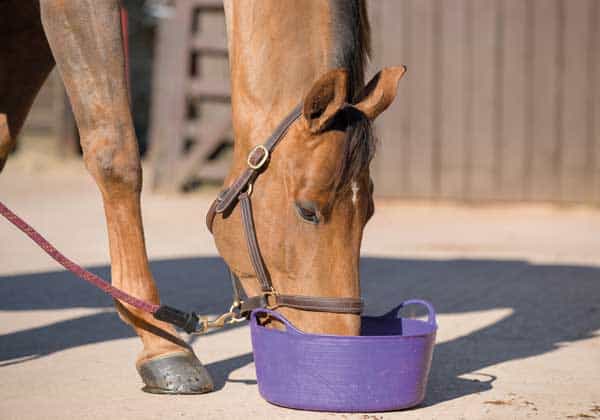
Importance Of Water Intake
Horses need plenty of clean water to digest food and absorb nutrients. Dehydrated horses eat less and lose weight.
- Check water daily
- Clean buckets and troughs often
- Warm water in winter increases intake
How Age Affects Weight Gain
Older horses often lose weight for several reasons:
- Reduced teeth function
- Lower digestive efficiency
- Less muscle mass
Senior feeds are designed for these needs. They are easier to chew and digest.
Tip: Older horses sometimes need more frequent meals.
Monitoring Progress And Adjusting Plans
Regular checks help you see what works. Track:
- Body condition score
- Weight tape readings
- Feed intake
- Behavior and appetite
If your horse stalls or loses weight, review feed, health, and environment again.
When To Call A Vet
Call a vet if:
- Weight loss is rapid
- Horse refuses food
- Signs of illness (fever, colic, diarrhea)
- Chronic thinness despite proper feed
A vet can diagnose hidden issues and recommend the best treatment plan.
Credit: www.insideoutequinehealth.com
Data: How Common Is Weight Loss In Horses?
A survey by the American Association of Equine Practitioners found that up to 20% of horses over age 15 struggle with weight loss or failure to gain weight. In younger horses, about 5-10% experience weight issues, often related to stress or parasites.
External Resource
For more detailed information on equine nutrition and weight issues, see Kentucky Equine Research.
Frequently Asked Questions
What Is The Best Feed For A Horse That Won’t Gain Weight?
Feeds high in calories and fiber, like alfalfa hay, senior feed, and beet pulp, are often best. Add fat supplements like vegetable oil if needed. Always balance feed with vitamins and minerals.
How Long Does It Take For A Horse To Gain Weight?
Horses usually take 1–2 months to show visible weight gain. Full recovery can take up to 6 months, especially for older horses or those with health issues.
Can Dental Problems Cause Weight Loss In Horses?
Yes. Dental issues make chewing painful, so horses eat less or drop feed. Regular dental checks and treatment help prevent this.
Should I Use Supplements To Help My Horse Gain Weight?
Supplements like rice bran, omega-3 oils, and soybean meal can help, but only as part of a balanced diet. Over-supplementing is risky. Consult your vet or nutritionist first.
What Signs Mean I Should Call A Vet For My Horse’s Weight Issue?
Call a vet if your horse has rapid weight loss, refuses food, shows signs of illness (colic, fever, diarrhea), or stays thin despite good feed and care.
Helping a horse gain weight takes patience, knowledge, and action. Each horse is unique. The key is to check every possible cause, improve nutrition, and get professional help when needed. With careful attention, most horses can reach and maintain a healthy weight.