
Horses are beautiful, strong animals, but they have one major weakness: their digestive system. If you own or care for a horse, you may already know the word colic can create fear and anxiety. Colic is not a disease. It is a general term for abdominal pain, and it can be caused by many different problems. Some types are mild, while others can be life-threatening in just a few hours.
Knowing what to do if your horse has colic can make a huge difference. Fast action can save your horse’s life, prevent unnecessary suffering, and even reduce expensive veterinary costs. But many horse owners miss early signs, make mistakes, or simply panic and do nothing.
In this guide, you’ll learn how to spot colic, what steps to take, what to avoid, and when to call the vet. You’ll also discover tips most beginners miss, and get answers to common questions about colic.
Understanding Colic In Horses
Colic in horses means abdominal pain. It can have many causes, ranging from mild gas to twisted intestines. Because the horse’s digestive tract is long, complex, and sensitive, even a small change can cause trouble.
Common Causes Of Colic
- Impaction: Blockage of the intestine, often from dry feed or lack of water.
- Gas buildup: Gas stretches the intestines, causing pain.
- Spasmodic colic: Muscle spasms cause pain and cramping.
- Twisted intestine (torsion): The intestine twists, stopping blood flow—very serious.
- Sand colic: Eating sand or dirt irritates the gut, sometimes causing a blockage.
- Parasites: Worms can damage the intestine or block it.
- Diet changes: Sudden changes can upset digestion.
Each cause has its own risk factors. For example, impaction is more common in winter when horses drink less. Sand colic is common in sandy regions.
How Common Is Colic?
Colic is one of the most frequent emergencies in horses. Studies show that about 10% of horses will have at least one colic episode each year. Of those, most are mild, but about 10% of colic cases need surgery or result in death if not treated.
Why Colic Is So Dangerous
Unlike other animals, horses cannot vomit. This means pressure, gas, or blockages have nowhere to go. The intestines can become damaged quickly, and toxins can leak into the body. If the blood supply to the gut is cut off, tissues start to die within hours.
Recognizing The Signs Of Colic
Early detection is crucial for a good outcome. Signs of colic can be subtle or obvious. Horses show pain in different ways depending on the type and severity.
Early Signs
- Looking at their side or belly
- Repeatedly lying down and getting up
- Kicking at the belly
- Stretching out as if to urinate
- Pawing the ground
- Restlessness or anxiety
- Reduced appetite
Worsening Signs
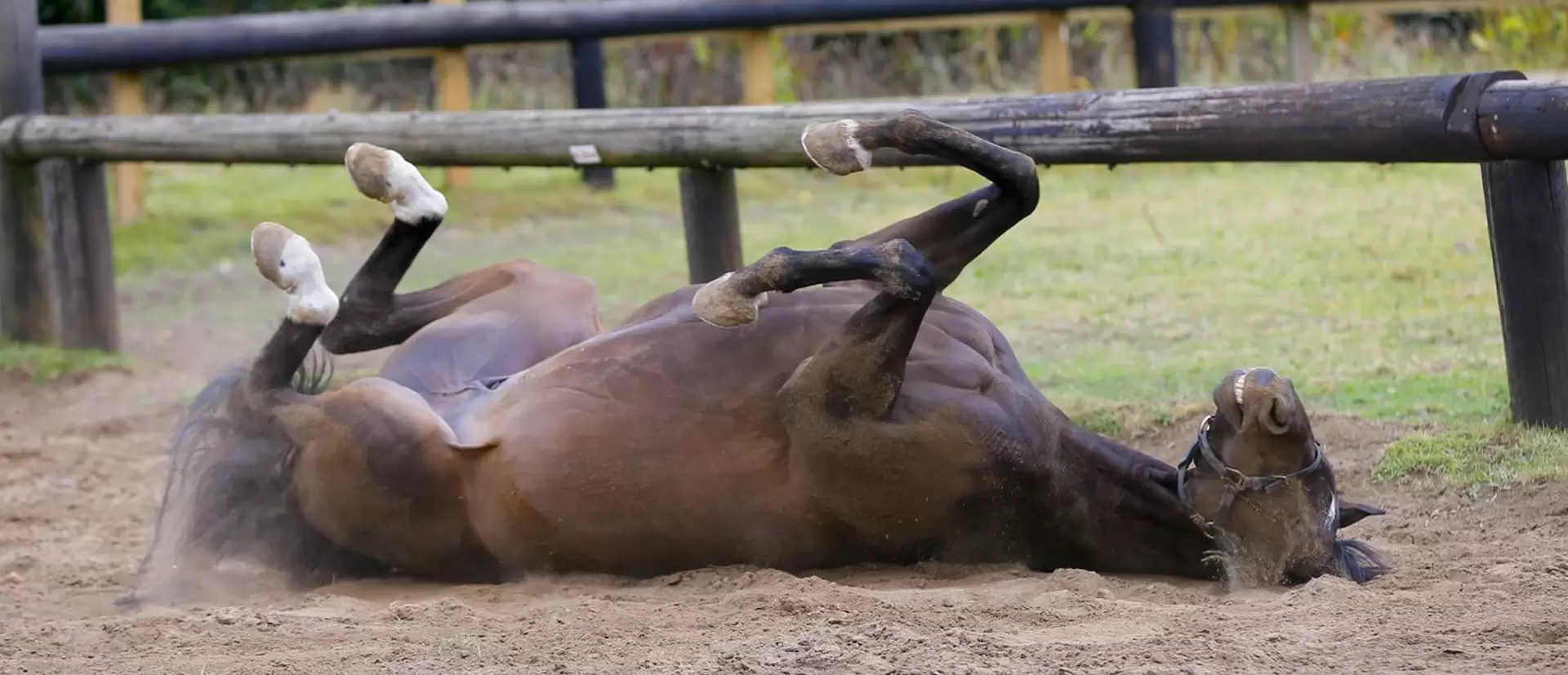
- Rolling violently
- Sweating
- Rapid breathing or heart rate
- No manure passed in several hours
- Dry gums or cold extremities
Severe, Life-threatening Signs
- Continuous rolling, cannot be stopped
- Weakness or collapse
- Shock (pale gums, cold legs, high heart rate)
- Very little or no gut sounds
It’s important to know your horse’s normal behavior. Some horses are stoic and show very little pain, even with a serious problem. Others may look dramatic for minor issues. If something seems off, always err on the side of caution.
What To Do Immediately If You Suspect Colic
When you notice signs of colic, your actions in the first minutes and hours matter most. Here is what you should do:
1. Observe And Assess
First, stay calm. Watch your horse closely and take note of:
- Frequency of pain behaviors (e.g., how often is the horse lying down, rolling, or pawing?)
- Amount and type of manure passed (if any)
- Appetite (will the horse eat hay, grain, or treats?)
- Gum color and moisture (press a finger to the gum—how fast does color return?)
- Breathing rate and effort
Write down what you see and the time. This information helps your vet make decisions.
2. Remove All Feed
Take away hay, grain, and treats immediately. Some horses with mild gas colic might try to eat, but feeding can make a blockage or twist worse.
3. Offer Clean Water
Unless your vet says otherwise, always leave water available. Dehydration can make colic worse. Some horses will not drink when in pain, but water should not be withheld.
4. Check For Manure
See if your horse has passed manure recently. The type, amount, and consistency provide clues. Hard, dry manure suggests impaction. No manure for several hours is a red flag.
5. Take Vital Signs
If you know how, check your horse’s heart rate, respiratory rate, and temperature. Here’s a comparison for reference:
| Vital Sign | Normal Range | Colic Concern |
|---|---|---|
| Heart Rate (beats/min) | 28–44 | >50 (call vet), >70 (emergency) |
| Respiratory Rate (breaths/min) | 8–16 | >20 |
| Gum Color | Pink, moist | Pale, blue, dark red |
If you don’t know how to check these, it’s a good idea to learn before a crisis.
6. Walk The Horse (if Safe)
Walking can sometimes help mild colic by encouraging movement of the gut. However, do not exhaust the horse or force walking if it increases distress. If the horse wants to lie quietly, let it do so.
7. Do Not Give Medications Unless Instructed
Never give painkillers, sedatives, or any other drugs unless your vet instructs you. Some medications can mask symptoms and delay proper treatment.
8. Call Your Veterinarian
If signs are more than mild, last more than 30 minutes, or you see severe symptoms, call your vet immediately. Early contact can prevent a small problem from becoming a disaster.
What Not To Do During A Colic Episode
Mistakes during colic can make things worse. Here are common errors and why to avoid them:
- Do not wait too long: Some owners hope mild signs will go away, but serious colic can worsen quickly.
- Do not allow violent rolling: If your horse is trying to roll, walking can sometimes help prevent injury. However, do not put yourself in danger trying to stop a horse that is frantic.
- Do not attempt home remedies: Giving mineral oil, Epsom salts, or other remedies without a vet’s direction can be dangerous.
- Do not force feed: Never try to make the horse eat or drink.
- Do not ride the horse: Riding will not help and can make things worse.

Credit: www.irongateequine.com
When To Call The Veterinarian
It’s better to call the vet too soon than too late. Here are clear signs when professional help is needed:
- Pain does not improve or returns after 20–30 minutes
- The horse is rolling violently or cannot get up
- No manure is passed for 6–8 hours
- High heart rate, sweating, or signs of shock
- Gums are pale, blue, or dark red
- The horse is depressed, weak, or unresponsive
If in doubt, call your vet and describe the signs. They can guide you on the next steps.
What To Tell Your Vet
Be ready to report:
- Duration and type of colic signs
- Recent changes in diet, routine, or weather
- Manure production
- Vital signs (if known)
- Any treatments already given
This helps the vet assess urgency and prepare for the visit.
What To Expect During A Veterinary Exam
When the vet arrives, they will perform a physical exam and may do several tests to determine the cause and severity of colic.
Typical Steps
- History and observation: The vet will ask questions and observe your horse’s behavior.
- Physical exam: Checking heart rate, gut sounds, gum color, and temperature.
- Rectal exam: The vet may insert a gloved arm into the rectum to feel for blockages, gas, or displacement.
- Nasogastric tube: A tube may be passed into the stomach to relieve pressure or give fluids/medication.
- Abdominal tap: In severe cases, fluid may be collected from the abdomen to look for infection or leakage.
- Ultrasound or bloodwork: Advanced diagnostics if needed.
Common Treatments
- Pain relief: Medications like flunixin (Banamine) for pain and inflammation
- Fluid therapy: Oral or intravenous fluids to correct dehydration or impaction
- Laxatives or lubricants: To help move blockages
- Surgery: For severe cases (twists, displacements, or non-responsive impactions)
Here’s a quick comparison of mild and severe colic management:
| Feature | Mild Colic | Severe Colic |
|---|---|---|
| Treatment | Oral fluids, pain relief, walking | IV fluids, intensive care, possible surgery |
| Recovery Time | Hours to a day | Days to weeks |
| Prognosis | Good | Guarded to poor if delayed |

Credit: www.reaganequine.com
Aftercare: What To Do Once Colic Resolves
Recovery doesn’t end when the pain stops. Horses that have had colic need special care to prevent relapse.
Monitor Closely
Keep watching for:
- Return of colic signs
- Manure production and consistency
- Appetite and water intake
Gradual Return To Feed
Do not rush your horse back to a full diet. Follow your vet’s guidance, usually starting with small amounts of hay. Avoid grain until the vet approves.
Hydration
Encourage drinking. Some horses like slightly warm water or water flavored with a little salt or molasses.
Rest And Exercise
Rest is important, but gentle hand walking can help the gut return to normal. Do not return to regular work until cleared by your vet.
Watch For Complications
Colic can cause other problems like laminitis (painful hoof inflammation) or dehydration. If your horse shows lameness, fever, or depression, call the vet.
Preventing Colic: Best Practices
While not all colic is preventable, you can greatly reduce the risk with smart management.
1. Consistent Routine
Horses thrive on regular schedules. Feed at the same times, and avoid sudden changes.
2. Forage First
Make hay or pasture the base of your horse’s diet. Limit grain and rich feeds. Horses’ guts are designed for slow, steady intake of fiber.
3. Plenty Of Clean Water
Always provide clean, fresh water. In winter, offer warm water to encourage drinking.
4. Dental Care
Have your horse’s teeth checked and floated at least once a year. Sharp points can make chewing difficult, leading to impaction.
5. Control Parasites
Follow a targeted deworming program based on fecal egg counts. Overuse of dewormers can lead to resistance and is less effective.
6. Safe Turnout
Avoid sandy areas if possible, or use feeders to keep hay off the ground. This reduces the risk of sand colic.
7. Regular Exercise
Exercise helps keep the gut moving. Horses on stall rest are at higher risk of impaction.
8. Watch For Weather Changes
Colic is more common during sudden weather changes, especially cold snaps when horses drink less.
9. Avoid Stress
Travel, competition, and changes in herd can increase colic risk. Introduce changes slowly.
10. Observe Daily
Most important: know your horse’s normal behavior. Early detection is the best tool for preventing severe colic.
Here’s a table summarizing the most important prevention steps and their impact:
| Prevention Step | Colic Risk Reduction (%) | Extra Benefit |
|---|---|---|
| Consistent feeding schedule | 30–40% | Reduces stress |
| Regular dental care | 20–30% | Better digestion |
| Clean, fresh water always | 25–35% | Prevents dehydration |
| Deworming (as needed) | 15–20% | Healthier gut |
Non-obvious Insights Most Owners Miss
- Horses can colic from boredom or stress. Bored horses may eat bedding, chew wood, or gulp feed—leading to colic. Mental stimulation and turnout reduce this risk.
- Not all colic is related to feed. Dental pain, ulcers, or even pain from another body part can cause colic signs. Always consider the whole horse, not just the gut.
- Seasonal changes matter. More colic is seen in spring and fall, likely due to changes in grass, temperature, and water intake. Be extra observant during these times.
- Some horses hide pain. Especially older horses or those low in the herd. Pay attention to subtle changes—standing apart, less enthusiasm for food, or unusual posture.
Frequently Asked Questions
What Are The First Signs Of Colic In A Horse?
Early signs include pawing, looking at the belly, rolling, getting up and down, loss of appetite, and restlessness. Some horses just seem “off” or stand in an unusual way. If you see these behaviors, monitor closely and contact your vet if they continue.
Can A Horse Die From Colic?
Yes. Severe colic can kill a horse within hours if not treated. Twisted gut or blocked blood flow can cause tissue death and shock. Fast veterinary care gives the best chance for survival. According to AAEP, about 10% of colic cases are life-threatening.
Is It Safe To Let A Horse Roll With Colic?
Controlled walking is usually better than letting a horse roll, as rolling can cause injury or worsen a twisted intestine. If the horse is calm and wants to lie quietly, let it rest. Never put yourself at risk trying to stop violent rolling.
How Much Does Colic Surgery Cost?
Colic surgery is expensive, often $5,000 to $10,000 or more, depending on the hospital and severity. There are also risks and a long recovery. Not all horses are good candidates for surgery—your vet can advise based on the case.
Can Colic Be Prevented Completely?
Not completely. Even with perfect care, some horses will colic. However, good management—regular routine, quality feed, clean water, dental and parasite control—can reduce risk by more than half.
Caring for a horse means always being ready for emergencies. Colic is a challenge every owner may face, but being informed and prepared can make all the difference. Remember, trust your instincts, act quickly, and never hesitate to call your veterinarian.
Your horse depends on you for its safety and comfort.
Credit: foranequine.com