
Why Do Horses Wear Shoes? The Full Story Behind Horseshoes
If you have ever seen a horse walking with shiny metal pieces attached to its hooves, you might have wondered: Why do horses wear shoes? It is a question that many people—especially those who do not work with horses—ask at some point. While it might look unusual or even uncomfortable, horseshoes have a long and fascinating history. They also play an important role in keeping horses healthy, comfortable, and able to do their many jobs. In this article, you will learn the real reasons horses wear shoes, how they are fitted, what types exist, and when a horse might not need them at all. By the end, you will understand not just the “how,” but the “why” behind this centuries-old practice.
The Basics: What Are Horseshoes?
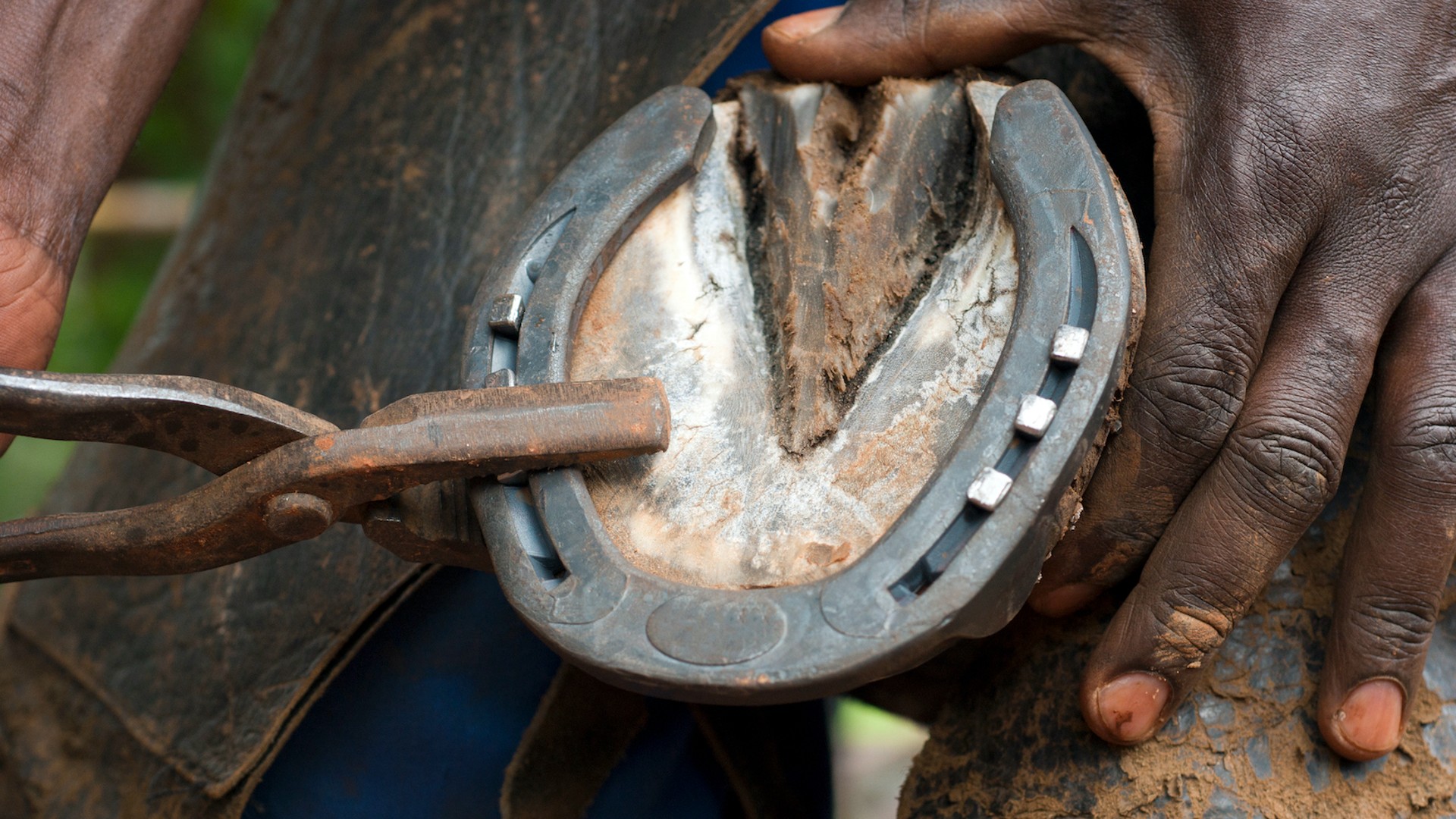
A horseshoe is a curved metal plate designed to fit the bottom of a horse’s hoof. Most shoes are made of steel or aluminum, but some are made of rubber or plastic for special needs. The horseshoe is attached to the hoof with small nails that go into the hard outer part of the hoof, called the hoof wall. When fitted correctly, the process does not hurt the horse, because the hoof wall has no nerves.
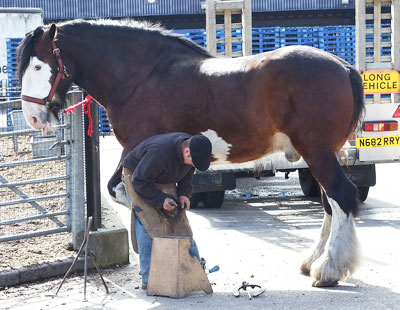
Horseshoes are not simply decorations. They are protective tools, shaped and adjusted by a skilled professional known as a farrier. The farrier trims the horse’s hooves and fits the shoe in a way that supports the hoof and meets the animal’s needs. Some horses may need custom shoes, while others can wear ready-made types.
Why Horses Need Shoes: The Main Reasons
The natural hoof of a horse is strong, but it is not perfect for every situation. Horseshoes help solve several problems that come from living and working with humans.
1. Protection From Hard Surfaces
Wild horses usually walk on soft grass, dirt, or sand. However, many domestic horses spend time on roads, concrete, or rocky paths. These hard surfaces can wear down hooves quickly. Over time, this can cause pain, lameness, or even injury. Shoes give an extra layer of protection, letting horses work longer without damage.
2. Preventing Excessive Wear
A horse’s hoof grows like human fingernails. But if the hoof wears down faster than it grows, the horse can have serious problems. This often happens with horses that work every day, especially on rough ground. Shoes help balance this by reducing direct contact with the ground.
3. Improving Traction
Slippery surfaces can be dangerous for horses, especially during work or sports. Special shoes with built-in grips or studs help prevent slipping on wet grass, snow, or ice. This is especially important for horses in racing, show jumping, or pulling carriages.
4. Correcting Hoof Problems
Some horses have hoof defects or grow their hooves unevenly. Shoes can correct these issues. Farriers use custom-shaped shoes or add special pads to help the horse walk correctly, reduce pain, or prevent future problems.
5. Supporting Heavy Loads
Horses used for pulling wagons or carrying heavy riders often need extra support. Shoes help spread the weight more evenly across the hoof, reducing stress and risk of injury.
6. Managing Medical Conditions
Certain diseases or injuries, like laminitis or cracks, make hooves weak. In these cases, special shoes act as a medical tool, helping protect the hoof while it heals.
A Brief History Of Horseshoes
The use of horseshoes is not new. In fact, it goes back more than a thousand years. Early civilizations, like the Romans, used leather or plant materials to protect horses’ feet. Metal shoes, as we know them today, started appearing in Europe around the 9th or 10th century.
By the Middle Ages, iron horseshoes were common. Blacksmiths made and fitted them by hand. This technology allowed horses to travel farther and work harder, supporting the growth of cities and trade. Some historians believe horseshoes were as important as the wheel for human progress.
Anatomy Of A Horse’s Hoof
To understand why shoes matter, it helps to know what a horse’s hoof is made of. The hoof is a complex structure designed to support the horse’s weight and absorb shock. It has four main parts:
- Hoof Wall: The hard outer shell, similar to a human fingernail.
- Sole: The bottom part, which touches the ground.
- Frog: A soft, V-shaped area in the center of the hoof, which helps absorb shock.
- Laminar Layer: Thin tissues that connect the hoof wall to the bone.
The hoof grows about 1/4 inch (6 mm) per month. Without care, it can crack, split, or wear unevenly. Shoes help manage these risks, especially for horses with demanding lifestyles.
Types Of Horseshoes And Their Uses
There is no single shoe for every horse. Farriers choose from different styles, materials, and shapes, depending on what the horse needs.
| Type of Horseshoe | Material | Main Purpose |
|---|---|---|
| Steel Shoe | Steel | General work, durability |
| Aluminum Shoe | Aluminum | Racing, lighter weight |
| Rubber/Plastic Shoe | Rubber/Plastic | Shock absorption, therapy |
| Bar Shoe | Steel/Aluminum | Extra support for injuries |
| Studded Shoe | Steel with studs | Better traction on slippery ground |
Steel Vs Aluminum Shoes
Steel shoes are the most common. They last longer and are great for horses that do heavy work. Aluminum shoes are much lighter. They are popular in horse racing, where every ounce counts.
Special Shoes For Medical Needs
Some horses need shoes with extra features:
- Bar shoes: A metal bar connects the two sides, providing more stability for injured hooves.
- Heart bar shoes: Support the frog, useful for horses with laminitis.
- Egg bar shoes: Have an egg shape to support the back of the hoof.
Barefoot Horses
Not every horse wears shoes. Some owners choose to keep their horses barefoot. This is possible when the horse has healthy hooves, lives in a soft environment, or does not work too hard. Regular trimming is still needed, but no shoes are attached. Some studies suggest barefoot horses can have healthier hooves in the right conditions. However, not all horses can go barefoot safely.
How Farriers Fit Horseshoes
The job of fitting a horseshoe is both an art and a science. It takes skill, patience, and knowledge of horse anatomy.
The Farrier’s Tools
A farrier uses several special tools:
- Hoof knife: To trim the sole and frog
- Nippers: To cut excess hoof wall
- Rasp: To smooth and shape the hoof
- Hammer and nails: To attach the shoe
- Anvil: To shape the metal shoe
Fitting Process
- Inspection: The farrier checks the hoof for cracks, disease, or abnormal growth.
- Trimming: The hoof is trimmed to the correct length and shape.
- Sizing: The farrier chooses a shoe that matches the hoof, or makes one by hand.
- Shaping: The shoe is shaped with heat (hot shoeing) or left cold (cold shoeing).
- Nailing: Nails are driven into the hoof wall to hold the shoe in place.
- Finishing: The nails are bent and the ends clipped. The hoof is rasped smooth.
A correctly fitted shoe should not pinch or cause pain. Most horses need new shoes every 4–8 weeks, depending on hoof growth and activity.
Common Problems Without Horseshoes
You might wonder if all horses need shoes. The answer depends on the horse’s work, environment, and health. But without shoes, horses can face several issues:
- Sore feet: Hard or rocky ground can bruise the sole and make every step painful.
- Cracks and splits: Weak hooves can break apart, leading to infections.
- Slipping: Horses without shoes can lose their footing more easily, especially on wet or icy surfaces.
- Lameness: Over time, hoof damage can make a horse unable to walk or work.
Some horse owners try to let their animals go barefoot. This can work if the horse is kept on soft ground and has naturally strong hooves. But many horses, especially those who work on hard surfaces, need shoes to stay healthy.
Comparing Shoed And Barefoot Horses
To see the differences between shoed and barefoot horses, here is a comparison:
| Factor | Shoed Horse | Barefoot Horse |
|---|---|---|
| Surface Tolerance | Handles hard/rough surfaces | Best on soft/natural ground |
| Hoof Protection | Extra layer against wear | Relies on natural hoof strength |
| Maintenance | Shoeing every 4–8 weeks | Regular trimming |
| Common Issues | Nail damage, loose shoes | Soreness, cracking on hard ground |
| Performance | Improved traction, support for sports | Natural movement, but may slip |
Credit: www.livescience.com
Do Horses Feel Pain When Shoes Are Nailed?
This is a common concern. When a farrier nails a shoe, the nails go into the hoof wall—the tough, outer part of the hoof. This area does not have nerves or blood vessels, so the horse does not feel pain if the farrier is skilled. However, if a nail is placed incorrectly, it can cause discomfort or lameness. This is why choosing an experienced farrier is so important.
Costs Of Shoeing A Horse
Shoeing a horse is a regular expense for owners. The price varies depending on location, the type of shoe, and the horse’s needs.
- Average cost per shoeing: $80–$250 (for all four hooves)
- Barefoot trimming: $30–$80
Special shoes or medical needs can raise the price. Horses that compete or work hard may need more frequent shoeing.
How Often Do Horses Need New Shoes?
Horses’ hooves grow constantly, so shoes must be replaced or adjusted every 4–8 weeks. Factors that affect this schedule include:
- Age: Young horses may grow hooves faster.
- Workload: Working horses wear shoes out more quickly.
- Surface: Harder ground wears shoes down faster.
- Health: Hoof problems can require more frequent care.
If shoes are left on too long, they can loosen or cause hoof damage.
The Debate: Are Shoes Always Necessary?
Not every horse needs shoes. There is a growing trend among horse owners to keep their animals barefoot, when possible. Some studies show that barefoot horses have better hoof health and fewer infections in the right conditions.
However, the decision depends on many factors:
- The horse’s work and environment
- The natural strength of its hooves
- The risk of injury or lameness
An experienced farrier or veterinarian can help decide what is best for each horse.
Common Myths About Horseshoes
There are several myths about horseshoes. Let’s clear up the most common ones:
- Shoes always hurt horses: Not true, if fitted correctly.
- Wild horses never need shoes: Wild horses do not work on roads or carry riders, so their needs are different.
- All horses need shoes: Many horses live healthy lives barefoot.
- Shoes make hooves weak: When managed well, shoes do not damage hooves.
- Shoes are only for working horses: Some horses need shoes for medical reasons, even if they do not work.
Understanding these facts helps owners make better choices for their horses.
Horseshoes In Sports And Work
Horses are used for many sports and types of work, each with their own shoeing needs.
Racing
Racehorses need lightweight aluminum shoes for speed. Some shoes are designed to grip the track, reducing the risk of slipping at high speeds.
Show Jumping
Jumpers use shoes with studs or removable grips. These provide extra traction on grass or dirt, helping the horse land safely after a jump.
Carriage And Farm Work
Working horses often use heavy-duty steel shoes. These can be fitted with extra bars or pads to protect the hoof from heavy loads.
Therapeutic Shoeing
Some horses with injuries or diseases use specialized shoes that support healing. Farriers work closely with veterinarians in these cases.
The Farrier’s Role: More Than Just Shoes
Farriers are highly trained professionals. Their job goes beyond nailing on shoes. A good farrier:
- Assesses hoof health
- Identifies early signs of disease
- Advises on hoof care between visits
- Works with veterinarians for medical shoeing
Choosing a qualified farrier is one of the best things an owner can do for a horse’s well-being.
Environmental Impact Of Horseshoes
Horseshoes are made from metal, which is recyclable. Many farriers reuse and recycle old shoes. However, lost shoes left in fields can become environmental hazards or injure other animals. Responsible owners and farriers collect and dispose of shoes properly.
Notable Horses And Their Shoes
Some famous horses have worn custom shoes for their special needs. For example, Secretariat, the legendary racehorse, wore lightweight aluminum shoes to help him run faster. In the world of carriage driving, some horses wear shoes with rubber pads for comfort on city streets.
Interesting Facts About Horseshoes
- The tradition of hanging a horseshoe over a door for good luck comes from medieval Europe.
- Some horses need different shoes on each hoof, depending on their gait or injuries.
- Specialized glue-on shoes are available for horses with very damaged hooves.

Credit: www.horseandhound.co.uk
Two Insights Many Beginners Miss
- Shoes don’t last forever: Even the best-fitted shoe wears out or loosens over time. Regular farrier visits are necessary, not optional.
- Shoeing is individual: What works for one horse may not work for another. Factors like age, job, and even genetics affect shoeing needs.
Frequently Asked Questions
What Happens If A Horse Loses A Shoe?
If a horse loses a shoe, it can become uncomfortable or even lame, especially if walking on hard or rough ground. The exposed hoof may wear down or crack. It is important to call a farrier quickly to replace the shoe and check for hoof damage.
Can All Horses Go Barefoot?
Not all horses can go barefoot safely. Horses with strong, healthy hooves living on soft ground may do well without shoes. However, those working on hard or rocky surfaces, or with hoof problems, usually need shoes for protection and support.
Credit: animalsmart.org
How Are Horseshoes Removed?
Farriers use special tools, like pullers and clinchers, to carefully remove horseshoes. The process involves straightening the nails and gently prying the shoe away from the hoof. When done by a professional, it does not hurt the horse.
Are There Alternatives To Metal Horseshoes?
Yes, there are alternatives such as rubber or plastic shoes and hoof boots. Hoof boots can be worn temporarily for extra protection during riding but are removed afterward. Some horses with medical issues use glue-on shoes or therapeutic pads.
How Can I Find A Qualified Farrier?
Look for farriers certified by professional organizations, such as the American Farrier’s Association. You can also ask for recommendations from veterinarians or local horse owners. A good farrier will have experience, positive references, and a clear understanding of hoof health.
For more on the science and history of horseshoeing, see the Wikipedia page on Horseshoes.
Horseshoes are more than just metal on hooves—they are a key part of keeping horses healthy and working safely in our world. Whether a horse needs shoes or not, understanding the reasons behind horseshoeing helps owners make better decisions and care for their animals with confidence.