
When you own or care for a horse, their health and safety are always important. But sometimes accidents happen, and a broken leg is one of the most serious injuries a horse can face. If your horse breaks its leg, the situation can be frightening and stressful.
Knowing what to do—and what NOT to do—can make a huge difference. This guide explains every step, from the first moments after the injury to long-term decisions and recovery. It also covers facts about horse leg fractures, common mistakes, and practical advice you won’t find everywhere.
Understanding Horse Leg Fractures
Horses are powerful, but their legs are surprisingly fragile. Unlike humans or dogs, horses cannot easily recover from broken legs. The reasons include:
- Large body weight: Horses weigh between 900 and 2,200 pounds, putting huge pressure on their legs.
- Thin bone structure: Their legs are long and slender, making fractures more likely.
- Limited blood supply: Some parts of the leg have poor blood flow, slowing healing.
- Standing necessity: Horses must stand most of the time to avoid other health problems.
A broken leg in a horse is not just a simple bone crack. There are different types:
- Simple fracture: The bone breaks but does not pierce the skin.
- Compound fracture: The bone breaks and pierces through the skin.
- Comminuted fracture: The bone breaks into multiple pieces.
- Articular fracture: The break occurs in a joint.
Statistics show that up to 90% of horses with compound leg fractures do not survive, mainly due to complications and difficulty with healing. Racing horses and active sport horses are at higher risk, but any horse can suffer from this injury.
Immediate Actions After A Horse Breaks Its Leg
The first moments after a horse breaks its leg are critical. Your response can help prevent further damage or suffering.
Stay Calm And Keep The Horse Still
Panic can make things worse. Horses often sense your emotion, so stay calm and move slowly. Do not let the horse walk or run. Movement can worsen the fracture or cause additional injuries.
Call A Veterinarian Right Away
This is the most important step. Contact an equine veterinarian as soon as possible. Give them clear details:
- Your location
- Description of the injury
- Horse’s age and breed
- Any signs of shock (rapid breathing, sweating, pale gums)
Do not try to move the horse yourself unless absolutely necessary for safety.
Prevent Further Injury
If possible, keep the horse in a quiet, familiar place. Remove other animals and people to reduce stress. Offer water, but do not feed. If the horse is standing, encourage it to stay still. If lying down, keep it comfortable but do not force it to get up.
Apply Basic First Aid (if Safe)
Only do this if you are trained and it is safe. If the fracture is open (bone visible), cover it with a clean, damp cloth to prevent infection. Do NOT attempt to set the bone or make a splint unless advised by a veterinarian.
Monitor For Shock
Horses can go into shock quickly. Signs include:
- Weak pulse
- Rapid breathing
- Cold ears or limbs
- Pale gums
If shock is present, keep the horse warm and quiet. Again, wait for professional help.

Credit: animals.howstuffworks.com
What The Veterinarian Will Do
When the vet arrives, they will perform several steps to diagnose and treat the injury.
Examination And Diagnosis
The vet will check:
- Type of fracture
- Location and severity
- Signs of infection or complications
- Overall health and history
X-rays are usually needed to see the bone clearly.
Immediate Treatment
Treatment depends on the injury. Options may include:
- Pain relief (injections or medication)
- Sedation to keep the horse calm
- Stabilization of the leg with a splint or bandage
In severe cases, the vet may suggest euthanasia right away if recovery is impossible.
Decision Making: Can The Horse Be Saved?
Not every fracture is fatal. Factors include:
- Type of fracture (simple vs compound)
- Location (lower leg fractures are harder to fix)
- Age and health of the horse
- Financial resources (treatment can cost $5,000–$25,000)
Here’s a comparison of different fracture types and outcomes:
| Fracture Type | Chance of Recovery | Common Treatment |
|---|---|---|
| Simple (non-joint) | 50–70% | Surgery or cast |
| Compound | <10% | Often euthanasia |
| Comminuted | 10–30% | Complex surgery |
| Articular (joint) | 20–40% | Special surgery |
Treatment Options For A Broken Horse Leg
Once the vet diagnoses the fracture, treatment options are discussed. Each option has pros and cons.
Surgery
Surgery is common for simple fractures. The vet may insert metal plates or screws to hold the bone together. Recovery requires strict rest.
- Cost: $5,000–$25,000
- Hospital stay: 1–4 weeks
- Risks: Infection, failure of fixation
Surgery is rarely possible for compound or comminuted fractures.
Casting And Immobilization
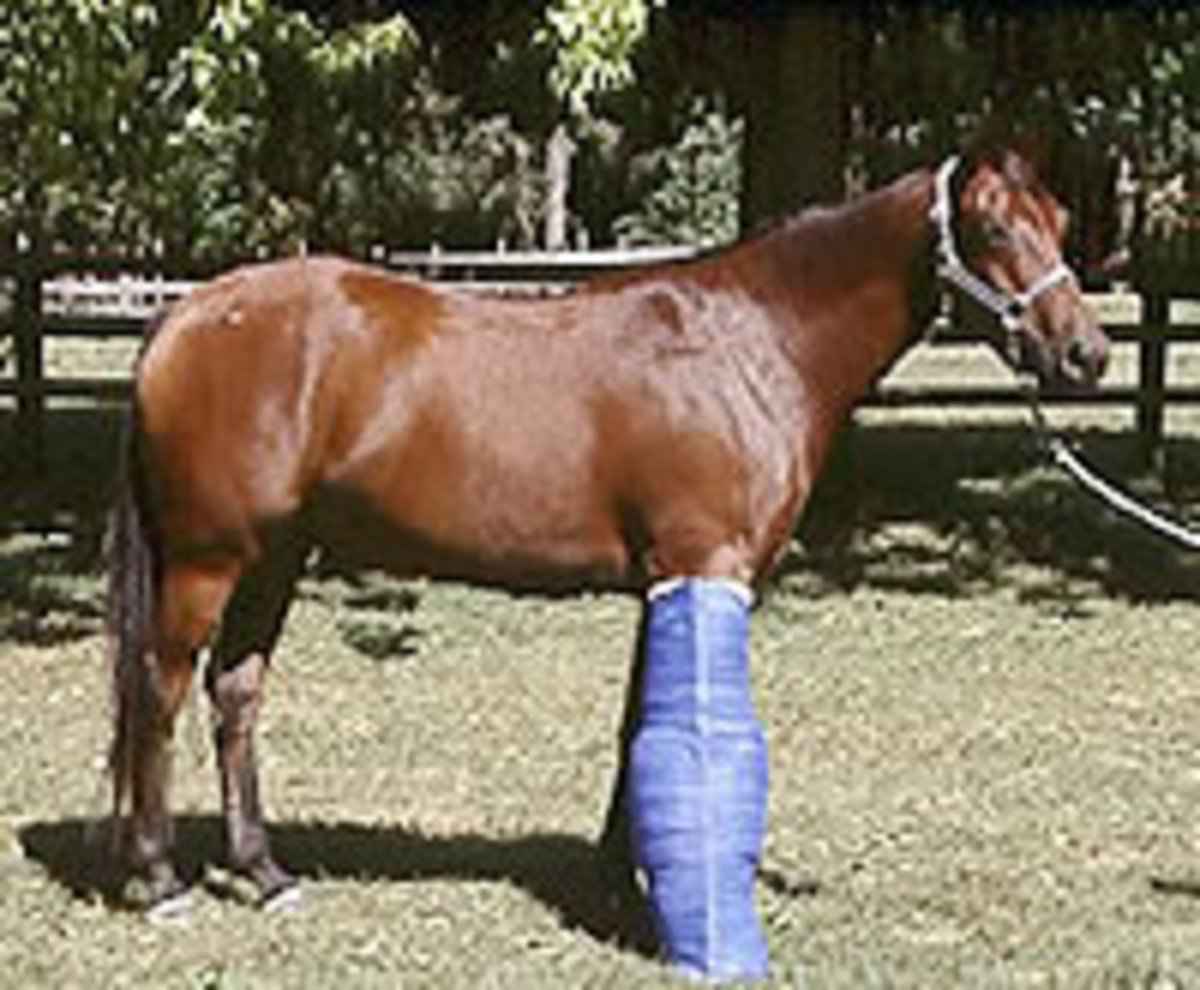
For less severe breaks, a cast may be used. The horse must stay still for weeks or months. This is hard because horses instinctively try to move.
- Success rate: 50–70% for simple fractures
- Risks: Pressure sores, muscle loss
Stall Rest
Stall rest is needed after surgery or casting. The horse stays in a small, padded stall for 6–12 weeks. Movement is severely limited.
- Common mistake: Owners underestimate how difficult stall rest is for horses. Horses get bored, stressed, and may injure themselves.
Euthanasia
Euthanasia is often considered for severe fractures. It is sometimes the most humane choice, especially if recovery is impossible or would cause suffering.
- Reasons: Compound fractures, comminuted fractures, poor prognosis
- Process: The vet gives an injection; the horse passes peacefully.
Alternative Treatments
Some owners ask about alternative therapies like herbal medicine, acupuncture, or stem cell treatments. These are rarely effective for fractures but may help with pain or stress.
- Insight: Do not rely on alternative methods for healing a broken leg. They may offer comfort but cannot replace surgery or casting.
Recovery Process And Aftercare
If the horse survives treatment, recovery is long and demanding. Proper aftercare increases the chances of success.
Rest And Monitoring
Horses must be kept still. Owners should monitor for signs of infection, pain, or complications.
- Check daily: Swelling, heat, discharge, mood changes
- Report issues: Call the vet if anything seems wrong
Feeding And Hydration
Horses on stall rest may eat less. Offer high-quality hay and fresh water. Sometimes a vitamin supplement is needed. Avoid overfeeding; weight gain adds stress to the leg.
Physical Therapy
When allowed by the vet, gentle movement can help. Sometimes, controlled hand-walking or range-of-motion exercises are recommended.
- Common mistake: Starting exercise too early. Always follow the vet’s instructions.
Emotional Support
Horses can get depressed or anxious during recovery. Spend time with your horse, talk gently, and offer treats. Some owners use toys or mirrors to reduce boredom.
Long-term Outcomes
Even after recovery, most horses do not return to full athletic performance. Some may walk comfortably but cannot compete or work. Others may need special care for life.
Here’s a table comparing recovery outcomes for horses with leg fractures:
| Recovery Outcome | Percentage | Activity Level After Healing |
|---|---|---|
| Full Recovery | 20–30% | Light work, walking |
| Partial Recovery | 30–40% | No athletic activity |
| No Recovery | 30–50% | Euthanasia or lifelong care |
Emotional Impact And Decision Making
A horse breaking its leg is traumatic for both the animal and the owner. The emotional burden can be intense.
Coping With Difficult Choices
Owners often feel guilty or unsure, especially when euthanasia is discussed. Remember:
- Horses feel pain and stress
- Sometimes, ending suffering is the kindest option
- Discuss all options with your vet and family
Financial And Practical Considerations
Treatment is expensive and time-consuming. If you cannot afford surgery, discuss alternatives with your vet. Some organizations offer financial help, but resources are limited.
Non-obvious Insight
Many beginners think a horse can heal just like a dog or cat. This is NOT true. Horses have unique needs, and most fractures are life-threatening. Accepting this reality early can help you make better decisions.
Credit: equusmagazine.com
Preventing Horse Leg Injuries
While accidents cannot always be avoided, there are steps to reduce risk.
Safe Environment
- Remove hazards like holes, uneven ground, and sharp objects
- Use proper fencing (avoid barbed wire)
- Maintain clean, dry stalls
Proper Training And Handling
- Avoid sudden movements or chasing
- Teach horses to walk calmly
- Use safe equipment
Regular Health Checks
- Trim hooves regularly (every 6–8 weeks)
- Watch for signs of lameness or injury
- Keep a close eye on older horses or those with past injuries
Non-obvious Insight
Many injuries happen during transport or turnout. Always check trailers for safety and never rush loading or unloading.
Common Mistakes Owners Make
Horse owners often make errors after a leg fracture. Avoid these mistakes:
- Trying to move the horse: This can cause more damage.
- Delaying veterinary care: Minutes matter in severe injuries.
- Attempting home treatment: Only professionals can treat fractures.
- Ignoring signs of shock: Horses can die from shock before the fracture becomes fatal.
- Overestimating recovery chances: Not all fractures can heal, no matter the effort.

Credit: www.youtube.com
Real-life Example: Secretariat
One famous case is Secretariat, the legendary racehorse. After retirement, he suffered a severe leg injury. Despite the best care, the fracture was too complex. The owners chose euthanasia to prevent suffering. This story shows how even world-class horses are vulnerable.
Data On Horse Leg Fractures
Horse leg fractures are more common than many think. According to the American Association of Equine Practitioners:
- Leg fractures account for 15–20% of all horse injuries
- Recovery rates are improving with new technology, but not all horses can be saved
- Compound fractures are fatal in over 90% of cases
Here’s a comparison of recovery rates over the last two decades:
| Year | Recovery Rate | Main Treatment Advances |
|---|---|---|
| 2000 | 25% | Basic surgery, casting |
| 2010 | 35% | Improved plates, pain management |
| 2020 | 45% | Advanced imaging, rehab techniques |
When To Consider Euthanasia
Euthanasia is a difficult but sometimes necessary decision. Consider it when:
- The fracture is compound or comminuted
- The horse cannot stand or move
- Pain cannot be controlled
- Recovery would mean poor quality of life
Speak honestly with your vet. Ask about pain, prognosis, and long-term needs. Remember, euthanasia is not failure—it can be an act of compassion.
Supporting Your Horse During Recovery
If your horse survives, your role is critical. Here’s how to help:
- Follow all vet instructions
- Monitor the horse closely for complications
- Keep the stall clean and dry
- Offer gentle emotional support
- Be patient—recovery can take months
Non-obvious tip: Use video or photos to track progress. Sometimes, small changes are easier to see over time.
Additional Resources
For more information on horse leg fractures and care, visit the American Association of Equine Practitioners.
Frequently Asked Questions
What Are The Signs That A Horse Has Broken Its Leg?
Key signs include severe lameness, refusal to bear weight, visible deformity, swelling, and sometimes bone protruding through the skin. Horses may sweat, panic, or lie down. If you see these signs, call a veterinarian immediately.
Can A Horse Survive A Broken Leg?
Survival depends on the type and location of the fracture. Simple fractures, especially those above the ankle and not in a joint, can sometimes be repaired. Compound or comminuted fractures often mean euthanasia is necessary. Recovery rates are around 20–45% depending on the injury and treatment.
How Much Does Treatment For A Broken Horse Leg Cost?
Treatment can range from $5,000 for basic casting to over $25,000 for surgery and rehabilitation. Costs vary by location, injury, and vet fees. Insurance may cover some expenses, but many owners pay out of pocket.
Is There Anything I Can Do To Prevent Horse Leg Fractures?
Yes. Keep your horse in a safe environment, remove hazards, use proper fencing, and maintain hoof health. Training the horse to move calmly and checking for early signs of lameness can also help prevent injuries.
What Should I Do If My Horse Needs Euthanasia?
Speak with your veterinarian about the process. Euthanasia is usually performed by injection and is peaceful. Stay with your horse if possible, and plan for aftercare (burial or removal). It’s normal to feel grief; reach out to support groups or professionals if needed.
When your horse suffers a broken leg, the situation is heartbreaking and difficult. Acting quickly, seeking professional care, and making informed decisions are key. Remember, horses are unique animals, and their recovery is not guaranteed. Compassion, knowledge, and honest communication with your vet are your best tools.
With proper action, you can give your horse the best chance, or help them end their pain with dignity.