
Australia is famous for its wide landscapes, unique wildlife, and strong connection to horses. From the early days of European settlement, horses have been a part of Australian life. They helped build farms, transport goods, and even played a key role in shaping the nation’s culture. Today, the question of how many people ride horses in Australia reveals much about the country’s rural traditions, sporting passion, and modern lifestyles.
But horse riding in Australia is not just about numbers. It connects people—young and old, in cities and outback towns—to the land and each other. It’s a hobby, a sport, a job, and for some, a way of life. If you’re curious about the real figures, the trends, and the reasons Australians ride, this guide will give you a clear, detailed picture.
The History And Culture Of Horse Riding In Australia
Understanding the number of horse riders starts with the country’s history. Horses arrived in Australia with the First Fleet in 1788. They quickly became central to farming, transport, and exploration. The Australian Stock Horse—a breed developed for hard work on rough land—shows how deeply horses are tied to the nation’s identity.
Riding horses is not just a rural activity. It’s celebrated in famous events like the Melbourne Cup, the Sydney Royal Easter Show, and pony club competitions all over the country. Many Australians grow up riding, whether for fun, sport, or work.
Horses In Indigenous And Colonial Australia
Indigenous Australians did not use horses until after European colonization. Once introduced, horses changed how some communities hunted and traveled. They became a tool for new opportunities but also brought challenges.
Colonial Australians depended on horses for everything from stock work to delivering mail. The legendary “stockman” became a symbol of toughness and skill, immortalized in poems like “The Man from Snowy River.” This history helps explain why horse riding is still important today.
How Many People Ride Horses In Australia?
The main question is: How many Australians ride horses today? There is no exact, up-to-the-minute number, but several sources offer good estimates.
National Surveys And Club Memberships
Recent surveys and data from riding clubs suggest that about 400,000 to 500,000 Australians regularly ride horses. This includes both recreational and competitive riders.
- The Australian Bureau of Statistics (ABS) found in their latest sports participation survey that horse riding is among the top activities for girls aged 5–14, and remains popular with adults.
- The Pony Club Australia organization reports over 40,000 active members, mostly children and teenagers.
- Equestrian Australia, the main body for horse sports, has about 20,000 registered members.
These numbers do not include casual riders, trail riders, or those who ride on farms but do not join clubs. When you count them, the total is much higher.
Estimated Riding Population
Based on the best available data:
- Regular riders (weekly or more): 400,000–500,000
- Occasional riders (once a month or less): 600,000–700,000
- Total people who ride at least once a year: Around 1.2 million
These figures mean about 4–5% of Australians ride horses each year. The numbers have stayed steady over the past decade, though there are changes in age groups and locations.
Who Are Australia’s Horse Riders?
Horse riding is not limited to rural areas. Many city people ride at clubs, lessons, or in parks. However, rural and regional areas have higher rates.
Age groups:
- Children and teens: Most riders are under 18, thanks to Pony Club and school programs.
- Adults: Many women aged 25–45 continue riding after childhood, often as a hobby.
- Seniors: Some older Australians ride for leisure or therapy.
Gender:
- About 70% of riders are female, especially in recreational and club settings.
Urban vs. Rural:
- Urban: Riding schools and clubs help city dwellers ride, but space limits numbers.
- Rural: Higher participation, especially for farm work and trail riding.

Credit: www.tripadvisor.com
Types Of Horse Riding In Australia
Australians ride horses in many ways. Each type attracts different people and has its own numbers.
Recreational Riding
Most horse riders in Australia ride for fun. They enjoy trails, beaches, or countryside with friends and family. These riders often do not compete or join formal clubs.
- Estimated 60% of all riders are recreational.
- Many ride weekly, some less often.
Competitive And Sport Riding
Australia has a strong horse sport scene. The main sports are:
- Dressage
- Show jumping
- Eventing
- Endurance
- Polocrosse
- Campdrafting
- Racing
Each sport has its own clubs and competitions. The number of competitors is smaller, but events can draw thousands of participants.
Working And Professional Riding
Riding is essential for some jobs:
- Stockmen and farm workers use horses for managing cattle and sheep.
- Racing industry employs jockeys, trainers, and stable hands.
These riders may not be counted in club data, but they are a vital part of the horse world.
Therapeutic Riding
Horse riding is used for therapy (Equine Assisted Therapy) for people with disabilities, mental health issues, or learning challenges. Thousands participate in these programs, which have grown in recent years.
Key Organizations And Clubs
Australia has many organizations that support riders and promote safe, skilled riding.
- Equestrian Australia: Governs competitive sports and sets standards.
- Pony Club Australia: Focuses on youth development and riding skills.
- Australian Stock Horse Society: Promotes the stock horse breed and rural riding.
- Riding for the Disabled Association (RDA): Provides therapy and riding for people with disabilities.
Membership in these groups helps track numbers, but many riders are not members.
Trends In Horse Riding Participation
Horse riding in Australia is changing. The main trends include:
Growth In Urban Riding
Urban riding schools are opening in cities, making riding more accessible. Lessons, trail rides, and club events help city dwellers experience horses.
Rising Female Participation
Girls and women now make up most riders. This shift started in the 1980s and continues today. Female riders dominate in both recreational and competitive spaces.
Aging Rider Population
The average age of riders is rising. Many adults return to riding after raising children or retiring. This is changing the focus of clubs and events.
Challenges For Rural Riders
Rural riders face challenges like drought, high feed costs, and fewer young people staying on farms. Some regions have seen a drop in rider numbers.
Safety Awareness
Horse riding can be risky. Clubs and schools now focus more on helmet use, safe riding practices, and insurance. This has reduced injuries but also limits participation in some cases.
Comparing Horse Riding To Other Sports In Australia
How does horse riding compare to popular sports like football, cricket, or swimming? While horse riding has fewer participants than team sports, it is still one of the most common individual sports.
| Sport | Estimated Regular Participants | Age Group Popularity |
|---|---|---|
| Football (Soccer) | 1.1 million | Children, Teens |
| Swimming | 2.7 million | All Ages |
| Horse Riding | 500,000 | Children, Women |
| Cricket | 1 million | Boys, Men |
| Netball | 1.2 million | Girls, Women |
Horse riding is less common than swimming or football, but its numbers are similar to netball and cricket—especially among women and children.
Geographic Distribution Of Riders
Where you live in Australia affects how likely you are to ride a horse. Some regions have much higher rates of participation.
Riding Hotspots
- New South Wales (NSW): Largest number of riders, thanks to strong rural communities and clubs.
- Victoria: Known for horse sports and breeding.
- Queensland: High rates of recreational and working riders.
- Western Australia: Growing numbers, especially in endurance and trail riding.
Urban Vs. Rural Split
| Location | Percent of Population Riding | Main Riding Types |
|---|---|---|
| Urban (Cities) | 1–2% | Recreational, Lessons |
| Regional Towns | 4–6% | Recreational, Competitive |
| Rural Areas | 10–15% | Working, Recreational |
Rural regions have the highest rates, while cities have fewer riders, but growing interest.
Horse Ownership And Riding Frequency
How often do Australians ride? And how many own their own horse?
Horse Ownership
There are about 400,000 horses in Australia, spread across farms, riding clubs, and private homes. Not all riders own a horse—many use riding schools or share horses.
- Private owners: Most horses belong to families or individuals.
- Commercial schools: Hundreds of riding schools operate, lending horses to students.
Riding Frequency
- Regular riders: Ride at least once a week.
- Occasional riders: Ride monthly or less.
- Competitive riders: Train several times a week.
Many beginners think owning a horse is required to ride, but most Australians start through lessons or clubs.

Credit: www.unicorntrails.com
Economic Impact Of Horse Riding
Horse riding is more than a hobby—it supports a large industry.
Direct Spending
Australians spend over $1 billion a year on horse riding. This includes:
- Feed and care
- Equipment (saddles, bridles, helmets)
- Riding lessons and club fees
- Competition entry and travel
- Veterinary services
Jobs And Businesses
The horse industry employs tens of thousands. Jobs include:
- Trainers
- Instructors
- Stable hands
- Veterinary staff
- Event organizers
- Racing industry workers
The racing industry alone is worth billions, but the broader horse sector (including sport and recreation) is a major part of Australia’s rural economy.
Comparison Of Horse Riding Costs
| Activity | Average Annual Cost (AUD) | Notes |
|---|---|---|
| Recreational Riding (Own Horse) | $3,000–$7,000 | Feed, care, equipment |
| Riding Lessons (School Horse) | $1,200–$2,500 | Weekly lessons |
| Competitive Riding | $6,000–$15,000 | Training, travel, entry fees |
| Therapeutic Riding | $800–$2,000 | Program fees |
Many beginners miss how costs add up over time—feed, vet bills, and equipment can be significant, especially for owners.
Barriers To Horse Riding
Not everyone who wants to ride can do so. The main barriers include:
Cost
Riding can be expensive, especially for those who want to own a horse or compete. Lessons are more affordable, but still cost more than many sports.
Access
Cities have limited space for riding. Finding a riding school or stable can be difficult. Rural areas have more opportunities, but travel may be required.
Safety
Horse riding has risks. Beginners sometimes underestimate the importance of training, supervision, and proper equipment. Injuries are rare but can be serious.
Time
Riding takes time—travel, grooming, and training. Busy families may find it hard to fit riding in.
Weather And Environment
Australia’s climate can limit riding. Heat, drought, and bushfires affect horse care and riding conditions.
Benefits Of Horse Riding
Despite barriers, riding offers many benefits.
Physical Health
Riding improves balance, coordination, and fitness. It builds core strength and flexibility. Many riders find it helps with posture and muscle tone.
Mental Health
Horse riding reduces stress. The bond between rider and horse is calming. Therapeutic riding helps people with autism, anxiety, and depression.
Social Connections
Clubs and events help riders make friends. The shared interest builds community. Many rural Australians say riding is key to their social lives.
Life Skills
Riding teaches responsibility, patience, and confidence. Caring for a horse requires commitment. Children learn teamwork and leadership.
Non-obvious Insights About Horse Riding Numbers
Many beginners miss these important points:
- Riding Without Ownership: Most Australians start by riding school horses, not their own. This lowers the barrier and increases participation.
- Seasonal Riding: Numbers spike in spring and summer, then drop in winter. Annual figures are higher than weekly counts.
- Therapeutic and Special Needs Riders: These riders are often not counted in official sports data, but their numbers are growing fast.
- Overlap Between Riding Types: Many riders switch between recreational and competitive riding. They may be counted twice in some surveys.
- Cultural Diversity: Horse riding is becoming more popular among Australians from non-English-speaking backgrounds, especially as riding schools reach wider communities.
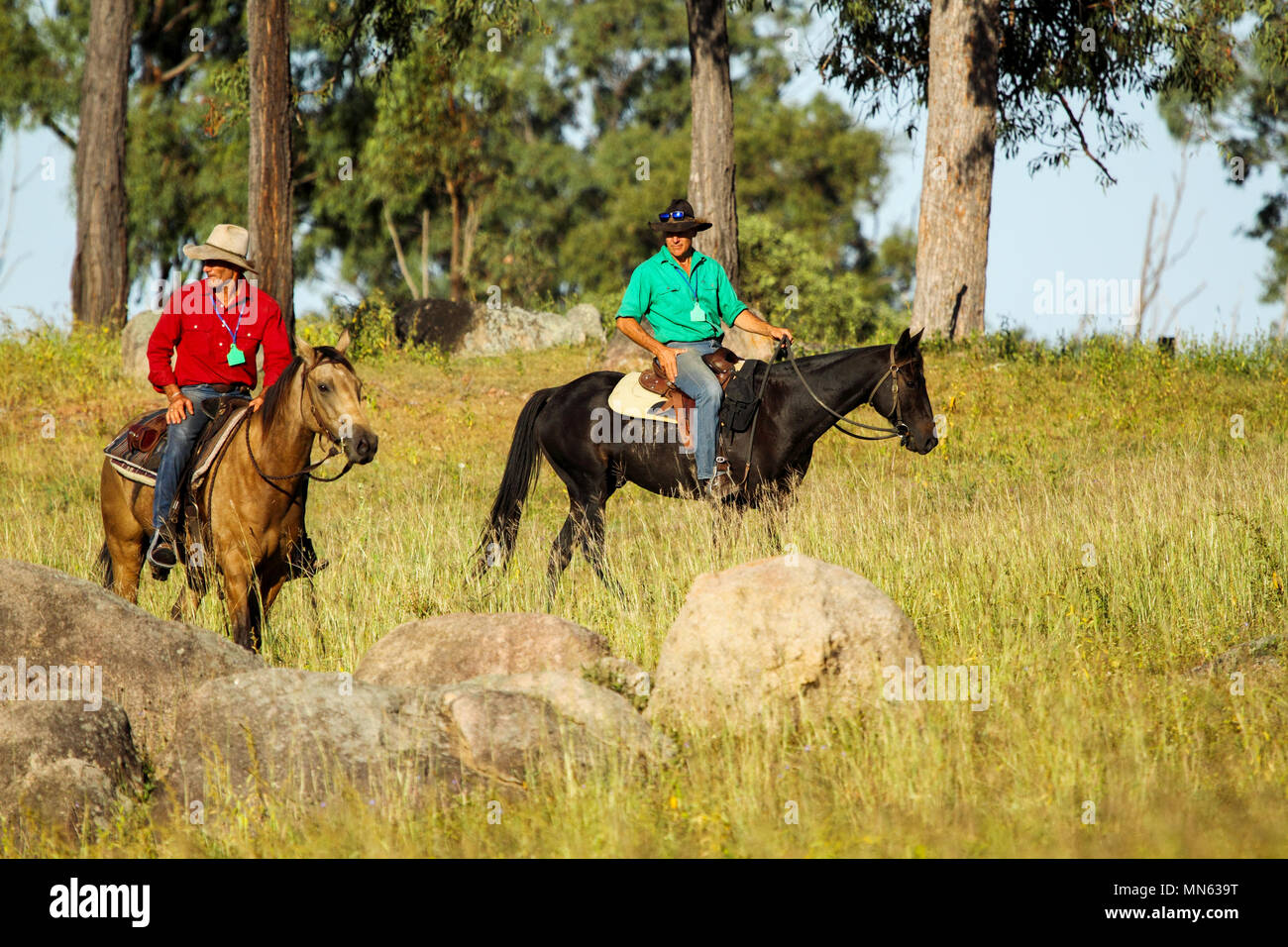
Credit: www.alamy.com
Future Outlook For Horse Riding In Australia
The future of horse riding in Australia looks steady, but with changes ahead.
Technology And Innovation
New technology is helping riders and horse owners. Apps track training, feed, and health. Online lessons make riding education more accessible.
Environmental Challenges
Climate change affects horse care—water shortages, bushfires, and changing landscapes. Clubs and owners are adapting, but this will shape riding numbers.
Urban Growth
As cities grow, land for riding is shrinking. Urban riding schools are finding creative ways to use parks and small spaces.
Changing Demographics
Older riders and new communities are shaping the future. Clubs are focusing more on social and wellness benefits, not just competition.
Frequently Asked Questions
How Many People Ride Horses In Australia Each Year?
About 1.2 million Australians ride horses at least once a year. This includes regular, occasional, and casual riders. The main groups are children, women, and rural residents.
Is Horse Riding More Popular In Rural Or Urban Areas?
Horse riding is much more popular in rural areas, where about 10–15% of the population rides. In urban areas, only 1–2% ride, but city riding schools are helping increase numbers.
What Age Groups Are Most Likely To Ride Horses?
The most common age group is children and teens, thanks to Pony Club and lessons. Many adults (especially women aged 25–45) also ride, and seniors are joining for leisure and therapy.
Are Most Australian Horse Riders Members Of Clubs?
No, most riders are not club members. While clubs like Pony Club Australia and Equestrian Australia have tens of thousands of members, many ride casually or through schools.
How Many Horses Are There In Australia?
There are about 400,000 horses in Australia. Most are owned privately or kept on farms, but many belong to riding schools, trainers, or clubs.
Horse riding remains a strong, unique part of Australian life. It brings together people from all walks of life, supports local economies, and shapes the country’s culture. Whether you ride for fun, sport, work, or therapy, the numbers show that horses are as important now as ever. For more detailed statistics and information, visit the Horse Industry in Australia page.
Australia’s love for horses is not just about numbers—it’s about connection, tradition, and the freedom of the open land. If you’re thinking of riding, or just curious, you’re joining a community that stretches from city parks to outback farms, and from childhood dreams to lifelong passion.