
Why Can’t Horses Eat Clover
Every horse owner wants the best for their animals. You might think that all green plants in a pasture are safe for horses, but this is not always true. Clover is a common plant found in many fields, often mixed with grass.
It looks harmless, and you may have seen other animals eat it without a problem. However, horses can develop serious health issues from eating clover. Understanding why clover is dangerous for horses will help you keep your animals healthy and avoid costly veterinary bills.
What Is Clover?
Clover is a group of plants from the legume family. Some common types include white clover, red clover, and alsike clover. These plants are often grown to improve soil health, as they can fix nitrogen from the air. Clover is also used as food for cattle, sheep, and other animals because it is high in protein and grows fast. You can easily recognize clover by its small, round leaves and ball-shaped flowers, which may be white, red, or pink.
Why Clover Is A Problem For Horses
Most horses can eat small amounts of clover without immediate signs of illness. But when clover makes up a big part of their diet, or when certain conditions exist, it becomes unsafe. The main reasons are:
- Fungal toxins: Clover can host a fungus that creates toxins harmful to horses.
- Photosensitivity: Some clover types cause horses to become more sensitive to sunlight.
- Slobbers: Certain clovers can make horses drool excessively.
- Digestive issues: Too much clover can upset a horse’s stomach.
- Liver damage: Toxins from clover may harm the liver over time.
Let’s break down these reasons further.
Clover And Fungal Toxins
When the weather is warm and wet, clover plants are likely to become infected with a fungus called Rhizoctonia leguminicola. This fungus produces a toxin named slaframine, which causes many of the problems seen in horses that eat clover. Horses are especially at risk if they eat clover that is moldy, or if the field is overgrown with clover during rainy periods.
The Slaframine Toxin
Slaframine is not dangerous for all animals, but horses are very sensitive to it. The main symptom is slobbers, which is when horses produce and drool large amounts of saliva. This is not just a small drip—some horses can fill a bucket with saliva in a single day. While this seems harmless, it can lead to dehydration if the horse loses too much fluid.
Other symptoms caused by slaframine include:
- Loss of appetite
- Diarrhea
- Tearing of the eyes
- Swelling under the jaw
In severe cases, horses can become weak or even collapse.
Comparison: Clover Vs. Grass In Fungal Risk
Here’s a quick comparison of the risks in clover and grass:
| Plant Type | Chance of Fungal Infection | Main Toxin Produced |
|---|---|---|
| Clover | High (especially in wet weather) | Slaframine |
| Grass | Low | None significant |
As you can see, ordinary grasses are much safer for horses compared to clover.
Photosensitivity And Liver Damage
Some clover types, especially alsike clover, can cause a reaction called photosensitization. This is when a horse’s skin becomes extra sensitive to sunlight. It happens because the clover contains chemicals that, once eaten, make the skin react to UV light. Horses with light-colored coats or pink skin are most at risk.
Photosensitivity can cause:
- Red, painful skin
- Blisters and peeling, especially on the nose and ears
- Open sores
This condition is not just painful—it may lead to infections if not treated. In the worst cases, the chemicals from alsike clover can damage the liver. Symptoms of liver damage in horses include yellowing of the eyes, weight loss, and changes in behavior.
Table: Signs Of Photosensitivity Vs. Liver Damage
| Problem | Main Symptoms | Long-term Risk |
|---|---|---|
| Photosensitivity | Red skin, blisters, sores | Infection, pain |
| Liver Damage | Yellow eyes, weight loss, behavior change | Organ failure, death |
It’s important to note that not all horses exposed to clover will develop these problems, but the risk rises with the amount eaten and the type of clover present.
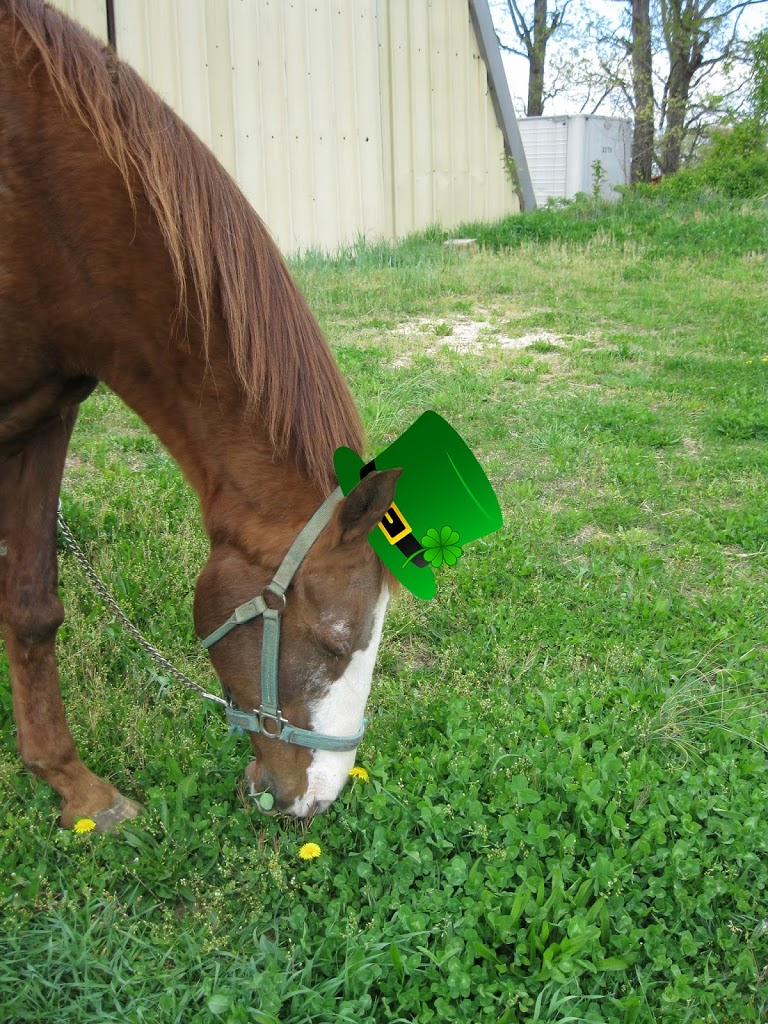
Credit: esc.rutgers.edu
Why Other Animals Can Eat Clover
Cattle, goats, and sheep often eat clover with no trouble. This is because their digestive systems are different. Ruminants like cows and sheep can break down some toxins better than horses. Also, horses graze closer to the ground, so they may eat more of the fungus-infected parts of the plant.
Some animals, such as rabbits and guinea pigs, also eat clover. However, owners should not assume what is safe for one species is safe for another. Horses are unique in their sensitivity to clover’s toxins.
How Much Clover Is Too Much?
There is no exact number or percentage that applies to all horses. Some horses might eat small amounts of clover for years with no problems, while others get sick after only a few days of eating clover-heavy pasture. The risk increases with:
- Wet weather: More fungal growth.
- Poor pasture management: Overgrown, high-clover fields.
- Horses with light skin: Higher risk of sunburn and photosensitivity.
As a rule, if clover makes up more than 10–15% of the pasture, you should monitor your horses closely for symptoms. If you see slobbers or skin issues, remove your horse from the field and contact a vet.
:strip_icc()/things-a-horse-shouldnt-eat-1886470_final_AC-5bf46ba446e0fb002635dd63.png)
Credit: www.thesprucepets.com
Real-life Examples
Many horse owners have had problems with clover in their pastures. For example, a horse in Kentucky developed severe slobbers after heavy rain, when white clover took over the field. The owner noticed the horse losing weight and acting tired.
A vet found liver damage caused by alsike clover. After moving the horse to a grass-only field and giving medical care, the horse improved.
Another case involved several horses on a small farm. They developed sunburn-like sores on their noses and lips. The cause was alsike clover mixed in with the grass. These stories show that even small amounts of clover can cause big problems if the conditions are right.
Preventing Clover-related Problems
Avoiding clover problems starts with good pasture management. Here’s how you can protect your horses:
- Inspect pastures regularly: Walk through your fields to check for clover, especially after rain.
- Control moisture: Fix drainage problems to reduce wet spots where clover thrives.
- Rotate grazing: Move horses to different fields to limit clover intake.
- Mow regularly: Cutting the pasture helps keep clover from taking over.
- Reseed with grass: If clover is a problem, plant more grass to crowd it out.
If you use hay, make sure it is free from clover and mold. Never feed hay that smells musty or looks dusty—it could contain harmful fungi.
Non-obvious Tips
- Don’t compost clover clippings near horse areas. The smell can attract horses, and decaying clover may contain even more toxins.
- Check water sources. Horses drooling from slobbers can become dehydrated faster. Make sure they have plenty of clean water.
What To Do If Your Horse Eats Clover
If you think your horse has eaten too much clover, watch for signs like:
- Excessive drooling
- Diarrhea
- Swelling under the jaw
- Sunburn-like sores
Remove the horse from the pasture right away. Give it plenty of fresh water and call your vet. Most horses recover quickly if caught early, but don’t wait if you see signs of liver trouble or severe skin damage.
In some cases, your vet might recommend blood tests to check the liver. Treatment may include medicine to protect the liver or soothe the skin. Most importantly, you must remove the source of the problem—clover from the horse’s diet.
The Difference Between Clover Types
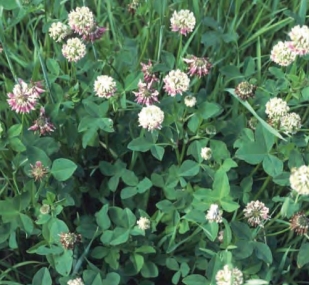
Not all clovers are equally dangerous. Here’s how the main types compare:
| Clover Type | Color of Flower | Main Risk |
|---|---|---|
| White clover | White | Slobbers |
| Red clover | Red/Pink | Slobbers, mild photosensitivity |
| Alsike clover | Pale pink/white | Photosensitivity, liver damage |
Alsike clover is the most dangerous for horses, but all types can cause problems if conditions are right.
Credit: extension.umn.edu
Why Pasture Balance Matters
A healthy pasture has a mix of grasses and only a small amount of clover. If clover starts to take over, it is often a sign that the soil is too wet or too rich in nitrogen. Fixing these problems helps your pasture stay balanced and safer for horses.
Soil testing can help you know what your field needs. If the soil is too rich, cut back on fertilizers that add nitrogen. Sometimes, simply mowing and reseeding is enough to tip the balance back toward grass.
Resources For Horse Owners
If you want more information, the American Association of Equine Practitioners and local agricultural extensions have helpful guides. You can also find science-based advice on sites like Wikipedia.
Frequently Asked Questions
Why Do Horses Drool After Eating Clover?
Horses drool after eating clover because of a toxin called slaframine made by a fungus that grows on clover. This toxin makes their salivary glands produce too much saliva, leading to excessive drooling known as “slobbers.”
Can A Small Amount Of Clover Hurt My Horse?
Most horses can eat a small amount of clover without serious harm. Problems start when horses eat large amounts, especially if the clover is infected with fungus or is alsike clover. It’s safest to keep clover to a minimum in the pasture.
What Should I Do If My Horse Eats Clover And Gets Sick?
First, remove your horse from the clover-filled pasture right away. Give them plenty of water and call your vet. Most horses recover quickly if treated early, but watch for signs of dehydration or liver problems.
How Can I Tell If My Pasture Has Too Much Clover?
Walk your pasture and look at the ground. If more than 10–15% of the plants are clover, it may be too much. You can also ask a local agricultural expert to help you identify the plants in your field.
Is Clover Hay Safe For Horses?
Clover hay can be risky because the drying process does not always destroy the toxins. If the hay is moldy or smells musty, do not feed it to horses. Always choose clean, grass-only hay for the best safety.
Keeping your horses healthy means being aware of what grows in their pastures. While clover looks like a simple, green plant, it can cause serious trouble for horses. With careful management and regular checks, you can keep your animals safe and thriving.