
Why Do Horses Like Carrots? The Real Reasons Behind This Popular Treat
If you have ever watched a horse’s eyes light up at the sight of a carrot, you might wonder why this crunchy orange vegetable is so irresistible to them. Carrots are one of the most common treats given to horses, loved by owners and equines alike.
But what makes horses like carrots so much? Is it simply the sweetness, or is there more going on? Let’s explore the reasons behind this fascination, the science of taste in horses, and how carrots fit into a healthy equine diet.
The Natural Diet Of Horses
To understand why horses like carrots, it helps to know what horses eat in the wild. Horses are herbivores, meaning their diet is plant-based. In nature, they spend most of their day grazing on grasses, leaves, and occasionally roots. Their digestive system is designed for a steady intake of fiber-rich food.
Carrots are not typically found in the wild, but horses will dig for roots when available. Carrots, being a root vegetable, fit naturally into what a wild horse might discover and enjoy. Their natural curiosity and taste for root crops make carrots an attractive option.
The Science Of Taste In Horses
Horses have a strong sense of taste, which helps them choose safe and nutritious foods. They have around 25,000 taste buds, compared to about 10,000 in humans. Their sense of taste allows them to detect sweet, salty, bitter, and sour flavors.
Why Sweetness Matters
Carrots are naturally sweet because they contain natural sugars (mainly sucrose). Horses, just like many other animals, have a preference for sweet flavors. In fact, studies show that horses are more likely to choose sweet foods over bitter or sour options. Sweetness signals that a food is likely high in energy, which is important for a grazing animal.
Nutritional Value Of Carrots For Horses
One reason horses like carrots is not just the taste, but the nutrition. Carrots are a source of vitamins and minerals that can be beneficial to horses in small quantities.
| Nutrient | Amount (per 100g carrot) | Benefit to Horses |
|---|---|---|
| Vitamin A (as beta carotene) | 835 μg | Supports vision and immune health |
| Fiber | 2.8 g | Aids in digestion |
| Sugar | 4.7 g | Provides quick energy |
| Potassium | 320 mg | Helps muscle and nerve function |
Carrots also contain water, helping to keep horses hydrated, especially in warmer months.
Texture And Crunch: More Than Just Taste
Horses love the crunchy texture of carrots. The act of chewing a carrot is satisfying, and it helps keep a horse’s teeth healthy. The crunch can help naturally clean the teeth, although it’s not a replacement for dental care.
The texture also makes carrots a great treat for training. The sound and feel of a carrot breaking is rewarding for the horse, reinforcing positive behavior.

Credit: thebackyardhorseblog.com
Carrots As A Training Tool
Many horse owners and trainers use carrots as a reward. Because horses love them so much, carrots can motivate them to learn new skills or obey commands. A horse is more likely to repeat a behavior if it knows a tasty carrot is waiting at the end.
However, it’s important not to overdo it. Too many treats can lead to unwanted behavior, like nipping or pushiness. Moderation is key.
How Carrots Compare To Other Horse Treats
Carrots are not the only treats horses enjoy. Apples, sugar cubes, and commercial horse snacks are common alternatives. Here’s a comparison of how carrots stack up against other popular treats:
| Treat | Calories (per 100g) | Sugar Content | Dental Benefit | Common Risks |
|---|---|---|---|---|
| Carrots | 41 kcal | 4.7 g | Good (crunchy) | Low if fed in moderation |
| Apples | 52 kcal | 10 g | Fair (less crunchy) | High sugar if overfed |
| Sugar Cubes | 390 kcal | 99 g | Poor | High sugar, dental risk |
| Commercial Treats | Varies | Varies | Depends | Preservatives, added sugars |
As the table shows, carrots are a low-calorie and relatively low-sugar treat compared to options like sugar cubes or apples.

Credit: equineworld.co.uk
Safety: How Many Carrots Can A Horse Eat?
While carrots are healthy in small amounts, they should not replace a horse’s main diet of hay and grass. Too many carrots can add extra sugar and calories, which may be harmful, especially for horses prone to laminitis (a hoof disease) or insulin resistance.
A general rule is to feed no more than one or two carrots per day for an average adult horse. For ponies or horses with health problems, even less is better.
Choking Hazards
Always cut carrots into small, manageable pieces. Horses can choke if they try to swallow large chunks. Long, thin slices or bite-sized pieces are safer. Never feed carrots whole to small ponies or young horses.
Unique Insights: What Beginners Often Miss
Many new horse owners think all horses love carrots, but this is not always true. Some horses are picky and may refuse carrots at first. This can be because they have never tasted them before, or they prefer other treats.
It’s normal for horses to have individual preferences.
Another important point is that the color of the carrot matters less than people think. Orange carrots are most common, but purple, yellow, and white varieties are also safe for horses. The taste difference is minor, but some horses may notice and prefer one color over another.
Carrots And Horse Health Conditions
Horses with metabolic disorders or obesity need special care. Even small amounts of carrot can cause problems for horses that are sensitive to sugar. If a horse has been diagnosed with Cushing’s disease (PPID) or equine metabolic syndrome, consult a veterinarian before feeding carrots or any sweet treat.
The History Of Feeding Carrots To Horses
Feeding carrots to horses is not a modern idea. Historical records show that people have been giving carrots as treats for hundreds of years. In the British cavalry, carrots were sometimes used as a special reward for working horses. The tradition has continued because of the positive response from horses.
Carrot Feeding Tips For Horse Owners
Here are some practical tips for safely feeding carrots to your horse:
- Wash carrots before feeding to remove dirt and pesticides.
- Cut into pieces to avoid choking, especially for older horses.
- Feed in moderation—carrots are treats, not meals.
- Introduce slowly if your horse has never had carrots before.
- Store carrots in a cool, dry place to keep them fresh.
Some owners freeze carrot pieces in summer as a cool treat. This can be a fun way to help your horse stay hydrated.
Common Mistakes To Avoid
One mistake is feeding too many carrots, thinking they are always healthy. Even natural sugars can add up, leading to weight gain or digestive issues. Another mistake is using carrots as a replacement for balanced feed. Horses need a diet based mainly on hay or pasture, with treats as a small addition.
Also, never leave uneaten carrots in the stable. Rotting carrots can attract pests and cause unpleasant smells.
How Horses React To Carrots: Behavior And Bonding
Carrots are not just about nutrition—they are also about building trust and friendship. When you hand-feed a carrot, you create a positive association. Horses remember kindness, and sharing a treat can help strengthen your bond.
Many horses will nuzzle or “ask” for a carrot once they know you have them. It’s important to set boundaries so your horse remains gentle and doesn’t become pushy.
Carrots In Modern Equine Culture
Carrots have become a symbol of horse treats around the world. From cartoons to competitions, they are used to reward and motivate. Some horse shows even give out carrots as prizes! This popularity is based on both tradition and the real enjoyment horses show.
Are There Any Alternatives?
If your horse cannot have carrots, there are other options. Some horses enjoy celery, pumpkin, or even small pieces of watermelon. However, always check with your vet before introducing new foods.
A few owners use carrot sticks (the processed snack for humans), but these often contain added salt or flavorings. Stick to plain, fresh vegetables when possible.
Environmental Impact: Carrots As A Sustainable Treat
Carrots are widely grown and have a relatively low environmental footprint compared to processed treats. Buying local carrots can reduce transport emissions. Also, carrots that are not perfect for human sale (misshapen or small) are often sold as animal feed, reducing food waste.
Carrots And Horse Enrichment
Using carrots in puzzles or hanging them in the stable can provide mental stimulation for horses. This is especially helpful for horses that spend a lot of time indoors. Carrot games encourage natural foraging behavior and prevent boredom.
Summary: Why Do Horses Like Carrots?
Horses like carrots because they are sweet, crunchy, and nutritious. Their natural taste for sweet foods, the satisfying texture, and positive associations with rewards all play a role. When fed safely and in moderation, carrots are a healthy treat that supports both nutrition and bonding.
Remember, each horse is unique. Some will love carrots instantly, while others may need time to develop a taste. Always prioritize your horse’s health and consult a professional if you have concerns.
For more on equine nutrition, you can read detailed research at Wikipedia: Horse Nutrition.
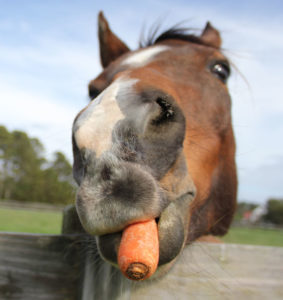
Credit: springhillequine.com
Frequently Asked Questions
Do All Horses Like Carrots?
Not all horses enjoy carrots. Some may be hesitant, especially if they have never tried them before. Individual preferences vary, and some horses prefer other treats like apples or commercial snacks.
Can Carrots Be Harmful To Horses?
Carrots are safe for most horses if given in moderation. However, horses with metabolic issues, obesity, or certain diseases may need to avoid them due to the sugar content. Always consult your vet for advice.
How Should I Feed Carrots To My Horse?
Cut carrots into small, bite-sized pieces to prevent choking. Wash them well to remove dirt and pesticides. Start with a small amount and observe your horse’s reaction.
How Many Carrots Is Too Many?
For a healthy adult horse, one or two carrots per day is a good guideline. Ponies, foals, or horses with health conditions should have less. Avoid making carrots a major part of the diet.
Are There Other Vegetables Horses Like?
Yes, horses can enjoy other vegetables such as celery, pumpkin, and beetroot. Always introduce new foods slowly and in small amounts, and check with your vet before offering unfamiliar treats.
Carrots are a simple pleasure for many horses—a crunchy, tasty, and healthy snack when used wisely. By understanding why horses like carrots, you can use this treat to support both your horse’s happiness and health.