
Have you ever wondered when horses stop growing? If you own a horse or are thinking about getting one, knowing this can help you care for them better.
Understanding your horse’s growth timeline is key to feeding, training, and keeping them healthy. You’ll discover exactly when horses reach their full size and what factors can affect their growth. Keep reading to learn how to support your horse’s development every step of the way.
Credit: www.bayequest.com
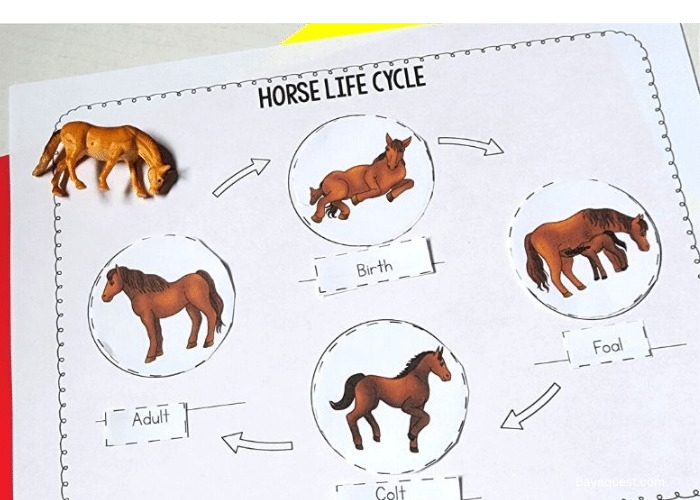
Growth Stages Of Horses
Horses grow in clear stages from birth to adulthood. Understanding these stages helps owners care better for their animals. Each stage shows different growth patterns and needs. Growth is not a steady process. It happens in bursts and slows down at times. Knowing when horses stop growing depends on these stages.
Growth affects the horse’s size, strength, and overall health. Owners should watch these changes closely. It helps in planning diet, exercise, and training. Let’s explore the main growth stages of horses.
Foal To Yearling Growth
The first year shows the fastest growth. Foals double their weight in the first few months. They grow quickly in height and muscle. This stage needs good nutrition and gentle care. Yearlings look lanky but grow stronger each month. Bones and joints develop rapidly during this time.
Adolescent Growth Spurts
After the first year, growth slows down but still happens. Horses have growth spurts between one and three years old. These spurts add more height and bulk. Muscles and bones become denser and tougher. Proper food and exercise support healthy development. Growth can be uneven, causing temporary clumsiness.
Mature Size Milestones
Most horses reach their full height by age four or five. Muscle and body mass continue to fill out after height growth stops. Some breeds may grow slower and mature later. Full maturity means a horse is ready for hard work or competition. Owners should avoid heavy training before full growth completes.
Credit: a-z-animals.com
Factors Influencing Growth
Growth in horses does not happen the same way for every horse. Several factors affect how and when a horse stops growing. Knowing these factors helps owners understand their horse’s development better. Growth depends on breed, nutrition, health, and the environment. Each plays a key role in shaping a horse’s size and strength.
Breed Differences
Different breeds grow at different rates and stop growing at different ages. Small breeds like ponies stop growing earlier than large breeds. Draft horses take longer to reach full size. For example, a pony may finish growing by age 5, while a draft horse may grow until age 6 or 7. Genetics control these growth patterns strongly.
Nutrition’s Role
Good nutrition is crucial for healthy growth. Young horses need the right balance of proteins, vitamins, and minerals. Poor diet can slow growth or cause health problems. Overfeeding can also lead to joint issues. Feeding a balanced diet supports strong bones and muscles. Regular access to clean water also helps growth stay on track.
Health And Environment
A horse’s health impacts its growth speed. Illness or injury can delay growth. Parasites or infections reduce nutrient absorption. Clean, safe living conditions support steady growth. Stress from overcrowding or poor shelter can slow development. Regular vet care and good stable management improve growth outcomes.
Signs Growth Is Slowing
Horses grow quickly during their early years. Over time, their growth rate slows down. Recognizing this change helps owners care for their horses properly. Signs that growth is slowing appear in both body and behavior.
Physical Indicators
The horse’s body looks less lanky. Muscle and bone development start to even out. Growth plates in the legs begin to close. This means bones stop lengthening. The horse’s height changes very little over weeks. Coat texture becomes smoother and thicker. Hooves grow at a slower, steady pace. Joints may look less swollen than before.
Behavioral Changes
The horse shows less restless energy. It may seem calmer during daily activities. Appetite might become more stable, not as high. Sleep patterns often become more regular. The horse may lose some clumsiness. Training sessions may feel easier to manage. These behaviors hint at a maturing body.
Age When Growth Typically Stops
Horses grow at different rates depending on their breed and size. Knowing the age when their growth stops helps owners care for them better. Most horses stop growing between 4 and 6 years old. Some may take longer. Growth means changes in height and body shape. The bones harden, and the horse reaches its adult size. Understanding these details helps in planning training and nutrition.
Small Vs. Large Breeds
Small horse breeds stop growing earlier than large breeds. Ponies and small breeds often finish growing by age 4. Large breeds, like draft horses, may grow until age 5 or 6. This difference is because bigger horses need more time to develop strong bones. Owners of large breeds should be patient with growth and training.
Variations In Growth Duration
Growth duration can vary even within the same breed. Genetics, diet, and health affect how fast a horse grows. Some horses may grow quickly and stop early. Others grow slowly and take more years to mature. Watch your horse’s body and ask a vet for advice. This helps to know the right time for training and exercise intensity.
Impact Of Growth On Training
Growth affects how you train young horses. Their bodies change quickly. Training must match their physical development. Pushing too hard can cause problems. Trainers need to watch growth signs closely. Adjusting routines helps keep horses safe and happy.
Adjusting Exercise Routines
Young horses need lighter workouts. Their bones and muscles are still forming. Shorter sessions with less intensity work best. Focus on basic skills and balance. Avoid heavy jumps or long rides. Let them rest more between exercises. Change routines as the horse grows. This builds strength without strain.
Avoiding Growth-related Injuries
Growing bones are softer and more fragile. Overworking can lead to joint pain or fractures. Watch for limping or stiffness. Early signs mean training should slow down. Proper footing reduces injury risk. Use supportive shoes when needed. Regular vet checks help catch issues early. Protect your horse by respecting its growth stage.
Credit: yourhorsefarm.com
Monitoring Growth Progress
Tracking a horse’s growth helps owners understand its development. Growth rates vary by breed, diet, and health. Watching changes closely ensures horses stay healthy. Careful monitoring catches problems early. It also helps decide when a horse stops growing.
Regular Measurements
Measure your horse’s height and weight often. Use a measuring stick at the withers for height. Weigh your horse with a scale or estimate weight with a tape. Record the numbers every month. Small changes show healthy growth. Large changes may signal health issues.
Veterinary Check-ups
Schedule regular vet visits to check growth progress. Vets assess bones, joints, and muscles carefully. They spot growth problems early on. Vets also advise on diet and exercise. Their expertise helps your horse grow strong and healthy.
Frequently Asked Questions
When Do Horses Typically Stop Growing?
Horses usually stop growing between 4 and 6 years of age. Growth rates vary by breed and nutrition. Larger breeds may grow longer, while smaller breeds mature faster. Understanding growth stages helps in proper care and feeding.
How Long Does Horse Bone Growth Last?
Horse bones continue growing until about 5 years old. Growth plates close around this age, signaling the end of bone lengthening. Proper nutrition during this phase supports healthy bone development and overall growth.
Do All Horse Breeds Grow At The Same Rate?
No, horse breeds grow at different rates. Larger breeds, like draft horses, grow slower and mature later. Smaller breeds, such as ponies, mature faster and stop growing earlier. Breed genetics greatly influence growth duration and size.
Can Nutrition Affect When Horses Stop Growing?
Yes, nutrition plays a key role in horse growth. Balanced diets with adequate protein and minerals support healthy development. Poor nutrition can delay growth or cause developmental issues. Proper feeding ensures horses reach their full growth potential.
Conclusion
Horses usually stop growing by age five. Some breeds grow slower or faster. Nutrition and care affect their growth too. Knowing when horses stop helps with training and health. Watch your horse’s body and behavior for changes. Growth is a natural process, not sudden.
Patience is key during their growing years. Every horse is unique in size and pace. Understanding growth helps you care for your horse better. Keep learning about your horse’s needs as it grows.