
If you own a horse, you know how important their health is to you. But what happens when your horse shows signs of colic?
This can be a scary and confusing time. Understanding what colic is and how it affects your horse can make all the difference. You’ll discover the key signs to watch for, what causes colic, and what steps you should take right away.
Keep reading to learn how you can protect your horse and act fast when it matters most.
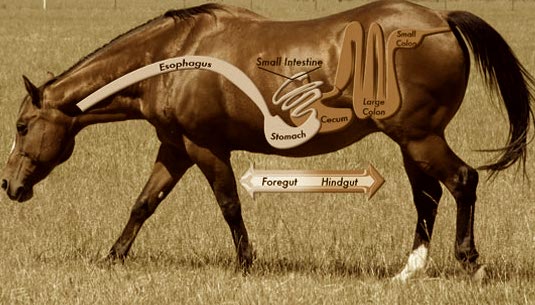
Credit: www.animalclinicfortlupton.com
Signs Of Colic In Horses
Colic in horses is a serious health issue that requires quick attention. Knowing the signs helps owners act fast to protect their horse’s health. Horses cannot tell us when they feel pain, so watching their behavior and body is key.
Behavioral Changes
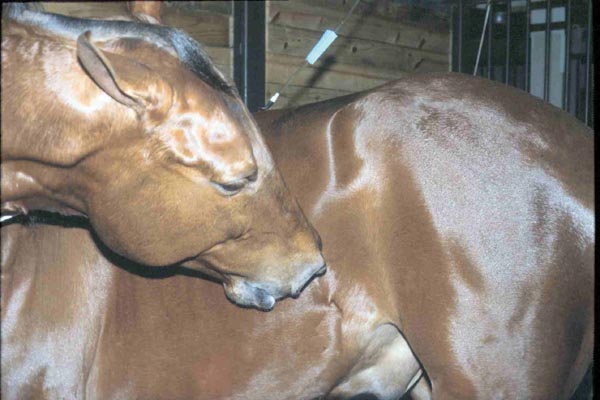
Horses with colic often show unusual behavior. They may seem restless, pacing or pawing the ground. Some horses roll on the ground, trying to ease the pain. Others may seem quiet and withdrawn, refusing to eat or drink. These changes are warning signs to watch closely.
Physical Symptoms
Physical signs also point to colic. Look for sweating, a fast heartbeat, or shallow breathing. A horse may have a bloated belly or kick at its sides. It might lie down more than usual or get up and down repeatedly. These symptoms need immediate attention.
Severity Levels
Colic varies in severity. Mild colic might cause slight discomfort and minor behavior changes. Severe colic shows strong pain signs and serious physical symptoms. Severe cases can be life-threatening and need urgent veterinary care. Early recognition of severity helps save lives.
Common Causes Of Colic
Colic is a serious health problem in horses. It causes severe belly pain and can be dangerous. Understanding what causes colic helps in prevention and quick treatment. Causes vary from what horses eat to their surroundings and health issues.
Dietary Factors
Feeding plays a big role in colic. Sudden changes in diet upset the horse’s stomach. Too much grain or rich food can cause gas and pain. Lack of clean water also increases colic risk. Horses need steady, balanced meals and fresh water.
Environmental Triggers
Stress and changes in environment can trigger colic. Moving to new places or loud noises upset horses. Poor pasture quality or eating sand can harm the gut. Standing in a dirty stable increases infection chances. Safe, calm surroundings reduce colic risks.
Health Conditions
Some health problems cause colic. Intestinal blockages or twisted intestines lead to pain. Parasite infections damage the digestive tract. Dental problems stop proper chewing, causing digestion issues. Regular vet checks help spot these problems early.
Emergency Care Steps
Knowing the emergency care steps for colic in horses is crucial. Quick action can save your horse’s life. Recognizing signs and responding fast helps reduce pain and complications. Follow these steps carefully to support your horse during this critical time.
Immediate Actions
Start by moving your horse to a safe, quiet place. Keep the horse calm and avoid loud noises. Remove any feed and water to prevent more discomfort. Watch your horse closely for changes in behavior or symptoms. Avoid giving any medication without veterinary advice.
When To Call A Vet
Call a vet as soon as you notice signs of colic. These signs include rolling, pawing, sweating, and restlessness. Do not wait for symptoms to get worse. Early vet care can diagnose and treat the problem faster. Always follow the vet’s instructions carefully.
Handling Pain And Discomfort
Keep your horse calm by speaking softly and staying nearby. Do not try to force your horse to lie down or get up. Offer gentle walking if the horse wants to move, but avoid overexertion. Use cold water to cool down sweaty areas if needed. Never give painkillers without vet approval.

Credit: extension.psu.edu
Preventing Colic
Preventing colic is key to keeping horses healthy and happy. Colic can cause serious pain and distress. Taking simple steps helps reduce the risk significantly. Careful attention to diet, stable conditions, and health checks can protect horses from this common problem.
Feeding Practices
Feed horses small amounts regularly. Avoid sudden changes in their diet. Provide plenty of fresh water every day. Limit rich grains and treats. Use high-quality hay as the main food source. This keeps their digestive system balanced and healthy.
Stable Management
Keep the stable clean and dry. Remove manure often to prevent bacteria buildup. Ensure good ventilation to reduce moisture and odors. Provide enough space for the horse to move freely. Stress and poor conditions can increase colic risk.
Regular Health Checks
Check horses daily for signs of discomfort. Look for changes in appetite or behavior. Schedule regular vet visits for check-ups. Early detection of problems helps prevent colic. Keep vaccinations and deworming up to date.
Credit: extension.umn.edu
Frequently Asked Questions
What Are The Common Signs Of Horse Colic?
Common signs include pawing, restlessness, rolling, and sweating. Horses may also show reduced appetite, abnormal gut sounds, and rapid breathing. Early detection is crucial to prevent severe complications.
How Is Colic Diagnosed In Horses?
Diagnosis involves physical exams, listening to gut sounds, and checking vital signs. Veterinarians may use ultrasound or rectal exams to identify the cause and severity of colic.
What Causes Colic In Horses?
Colic can result from gas buildup, intestinal blockage, diet changes, dehydration, or parasites. Poor feeding practices and stress also contribute to its development.
How Is Horse Colic Treated?
Treatment depends on severity and cause. Mild cases may respond to pain relief and walking. Severe cases require veterinary intervention, fluids, or surgery.
Conclusion
Horses with colic need quick care to avoid serious problems. Watch for signs like restlessness, sweating, or rolling. Early action can save your horse’s life. Always call a vet if you notice these symptoms. Keep your horse’s environment clean and feeding routine steady.
Prevention helps reduce colic risks. Knowing what happens during colic helps you act fast. Your horse’s health depends on your attention and care. Stay calm, observe closely, and seek help right away.
1 thought on “What Happens When Horses Colic: Symptoms, Causes & Urgent Care”