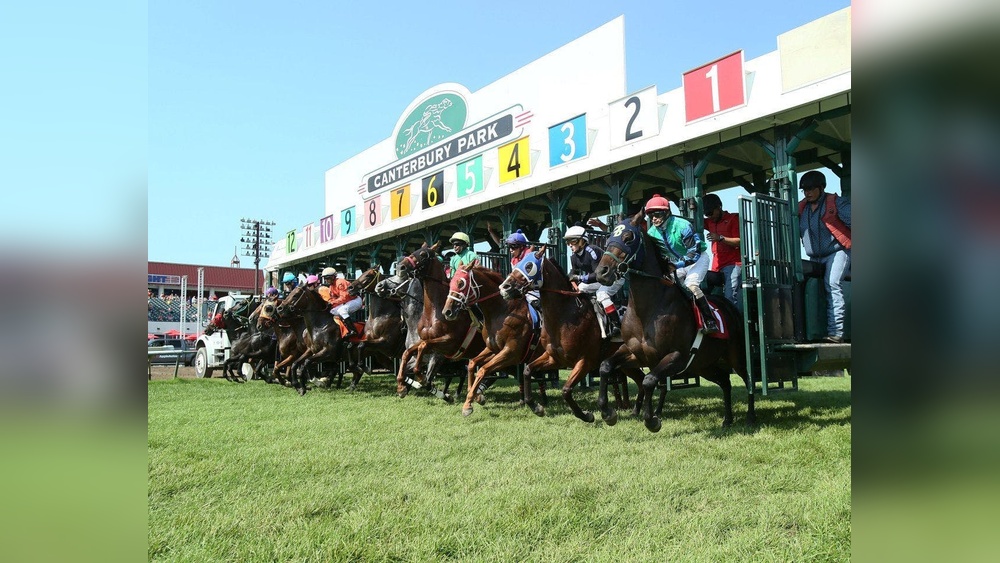
When Do Horses Start Racing, Have you ever wondered when horses begin their racing careers? If you’re curious about how and when these majestic animals start competing on the track, you’re in the right place.
Knowing the right age for a horse to start racing isn’t just interesting it can also help you understand their training, health and performance. Keep reading to discover exactly when horses start racing and why timing matters so much for their success.
Your next favorite racing fact is just ahead!
Early Development Stages
Horses begin their journey toward racing early in life. Their growth and training start soon after birth. The first months shape their future strength and skills. Understanding these early stages helps explain when horses start racing. It shows how careful development leads to better performance.
Foal Growth Milestones
Foals grow quickly in their first year. They stand and walk within hours after birth. By two months, they start running and playing. These activities build muscles and coordination. By six months, foals begin eating solid food. Their bones grow strong with proper nutrition. Growth slows near one year old. This stage prepares them for light training.
Training Foundations
Training begins gently after the foal’s first year. Basic handling teaches trust and calm behavior. Horses learn to accept a halter and lead rope. Early training focuses on ground manners and simple commands. This foundation helps them stay safe during future workouts. Trainers avoid heavy exercise until horses mature physically. Early work shapes their mental readiness.
Physical Readiness Signs
Physical readiness shows when a horse is ready to race. Muscle development and bone strength are key signs. The horse should have good balance and stamina. Teeth and joint health also indicate maturity. Most horses reach this stage at two years old. Trainers watch closely for any injuries. Proper rest and care remain important before racing begins.

Credit: www.americasbestracing.net
Typical Racing Ages
Understanding the typical racing ages of horses helps fans and owners know what to expect. Age matters a lot in horse racing. It affects their strength, speed, and readiness to compete.
Different breeds start racing at different times. Also, early racing can impact a horse’s health and career. Let’s explore these details below.
Starting Age For Thoroughbreds
Thoroughbreds usually start racing at two years old. This is when they are young but strong enough for light races. Trainers watch their growth carefully before racing.
Racing at two helps them gain experience. Many famous races are for horses aged two and three. Early training is important but must be gentle.
Differences Across Breeds
Not all horse breeds race at the same age. Quarter Horses often start racing earlier than Thoroughbreds, sometimes as early as one year old. Arabian horses tend to start later, usually at three years old.
These differences come from breed size, strength, and natural speed. Each breed needs a different training approach to stay healthy and perform well.
Impact Of Early Racing
Starting to race too early can cause injuries. Young horses still grow bones and muscles. Stress from racing may lead to long-term health problems.
Proper care and training help reduce risks. Trainers must balance early racing with a horse’s physical limits. Healthy horses have longer, more successful careers.
Training Techniques Before Racing
Training young horses before they start racing is very important. It helps build their body and mind for the challenges ahead. Trainers use special techniques to prepare horses step by step. This preparation reduces injuries and improves performance.
Training starts with basic exercises. These improve muscle strength and heart health. Mental training also plays a big role. Horses learn focus and calmness. A good schedule keeps their progress steady and safe.
Building Strength And Endurance
Horses begin with light trotting and walking exercises. This builds muscle without stress. Gradually, trainers add faster gallops and longer runs. This increases stamina and power. Strength training also involves hill work and resistance exercises. Proper rest days help muscles recover well.
Mental Conditioning
Horses must stay calm in noisy, crowded places. Trainers expose them to different environments early on. This helps reduce fear and anxiety. Training with other horses teaches social skills. Repetition of tasks builds focus and discipline. Positive reinforcement encourages good behavior.
Common Training Schedules
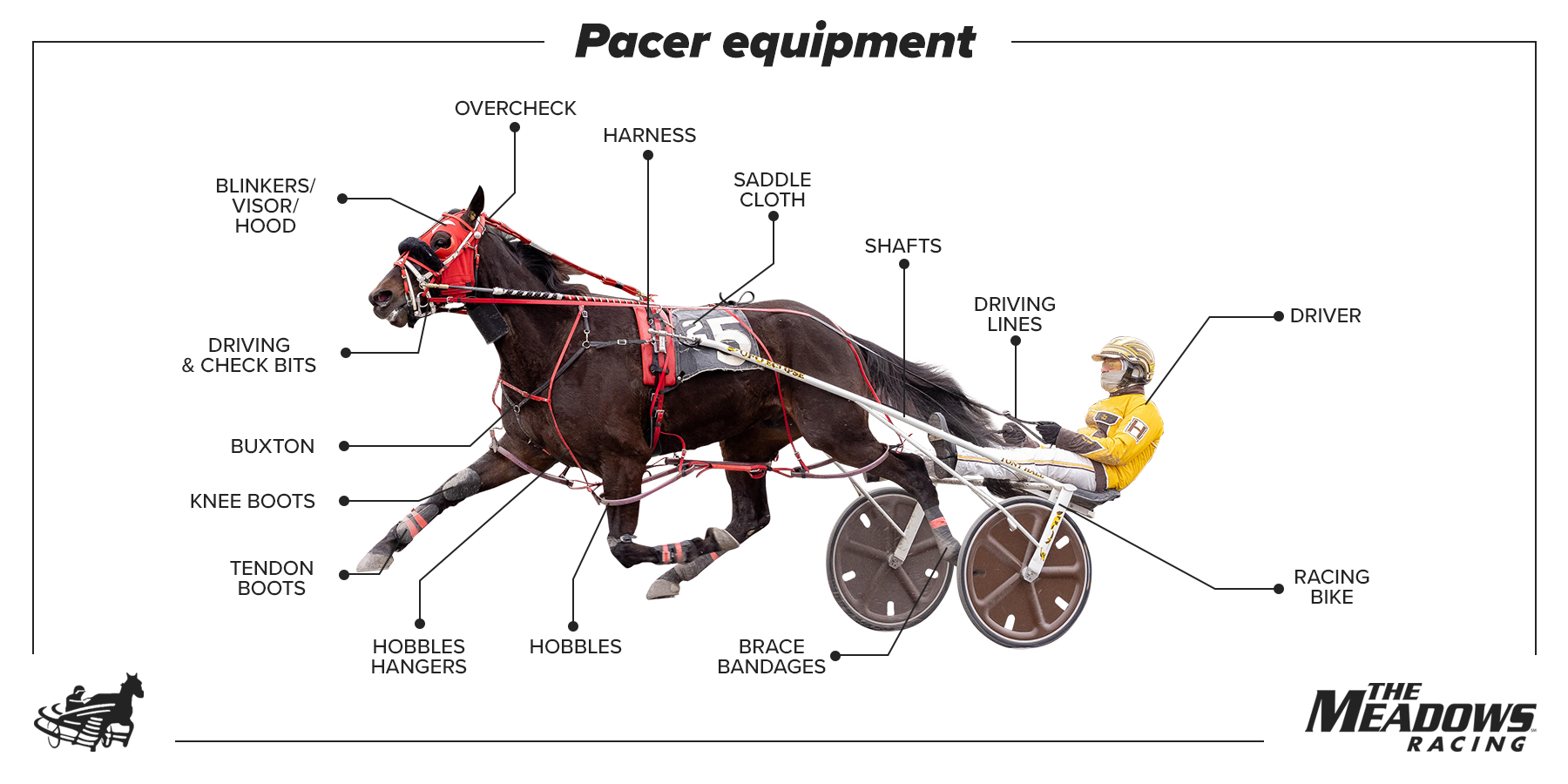
Young horses often train five days a week. Sessions last 30 to 60 minutes. Trainers mix running, walking, and rest periods. They adjust intensity based on the horse’s growth. Regular vet checks ensure health during training. Consistency helps horses reach peak condition safely.
Credit: meadowsharnessracing.com
Expert Opinions On Racing Age
Experts in the horse racing world have varied views on the right age for horses to start racing. They study the horse’s physical growth, health, and training readiness. These opinions help owners and trainers decide when to begin a horse’s racing career. Understanding these expert insights can guide better care and planning.
Veterinarians’ Perspectives
Veterinarians focus on a horse’s physical maturity. They watch the growth of bones and muscles closely. Most vets suggest waiting until the horse is at least two years old. Early racing can cause injuries and long-term damage. Healthy development is key to a long racing career. Regular checkups help track the horse’s readiness.
Trainers’ Experiences
Trainers often start working with horses as yearlings. Training includes basic commands and fitness building. Some trainers race horses at two years old. They believe early training helps horses learn racing skills. Others prefer waiting for more strength and stamina. Experience shows that pacing training reduces injury risks.
Industry Regulations
Racing authorities set rules about minimum racing ages. These rules aim to protect young horses. Most official races allow two-year-old horses to compete. Some regions have stricter age limits. Rules also cover training and health checks. Compliance ensures fair competition and horse welfare.
Risks Of Early Racing
Starting horse racing too early brings serious risks. Young horses are still growing and their bones, muscles, and joints are not fully ready for hard work. Pushing them to race before they are mature can cause injuries and long-term problems. Understanding these risks helps owners and trainers protect the horse’s health and future.
Injury Concerns
Young horses face a higher chance of injury in early races. Their bones and tendons are weaker and can break or tear easily. Stress on joints may lead to inflammation and pain. Injuries can end a horse’s racing career before it begins.
Long-term Health Effects
Early racing can cause lasting damage to a horse’s body. Joint problems may develop over time, causing lameness and discomfort. Some horses may suffer from arthritis or chronic pain. These effects reduce their quality of life after racing.
Balancing Performance And Welfare
Trainers must find a balance between speed and safety. Allowing horses to grow fully before racing helps prevent injuries. Proper training and rest are essential for healthy development. Caring for the horse’s welfare leads to better performance and longer careers.

Credit: www.youtube.com
Case Studies Of Successful Early Starters
Early starters in horse racing often draw great attention. Their success stories inspire trainers and owners alike. Studying these cases reveals what helps young horses perform well on the track.
These examples show how careful training and timing can lead to early victories. They also highlight the risks and rewards of starting races at a young age.
Famous Young Champions
Many famous horses began racing as two-year-olds. Secretariat, known for his speed, won major races early in his career. Another example is Seattle Slew, who started strong and became a champion. These horses proved that early competition can lead to lasting fame.
Training Approaches That Worked
Successful early starters often followed gentle, steady training plans. Trainers focused on building strength without pushing too hard. Balanced diets and regular rest were key parts of their routines. This careful approach helped horses avoid injury and stay fit.
Lessons Learned
One important lesson is to respect each horse’s limits. Early racing should not harm a horse’s health or growth. Patience and good care often produce better results than rushing. Observing the horse’s behavior helps trainers decide when to race.
Frequently Asked Questions
When Do Horses Start Racing
When Do Horses Typically Begin Racing Professionally?
Horses usually start racing at two years old. This age allows them to develop strength and stamina needed for competition. Early training focuses on building their physical and mental readiness. Professional races often have age restrictions to ensure safety and fairness.
What Age Is Best For A Horse’s First Race?
The best age for a horse’s first race is around two years. At this stage, horses have matured enough physically. Early racing helps identify potential champions. Trainers monitor their growth carefully before entering races to avoid injury.
How Does Age Affect A Horse’s Racing Performance?
Age impacts speed, endurance, and recovery in racing horses. Younger horses tend to be faster but less experienced. Older horses may have more stamina but slower pace. Trainers adjust training intensity based on the horse’s age and health.
Are There Age Restrictions In Horse Racing Competitions?
Yes, horse races often have specific age limits. Most races are divided into categories by age groups. This ensures fair competition among horses with similar development levels. Rules vary by racing organizations and event types.
Conclusion
Horses usually start racing around two years old. Trainers watch their growth and health closely. Early training helps build strength and speed. Racing too soon can harm young horses. Each horse develops at its own pace. Patience leads to better performance and safety.
Understanding this helps fans appreciate the sport more. Watching young horses grow into champions is exciting. The journey from foal to racer takes time. This makes horse racing a careful and thoughtful sport. When Do Horses Start Racing.
How Long Does It Take for a Horse to Recover from Founder: Essential Timeline