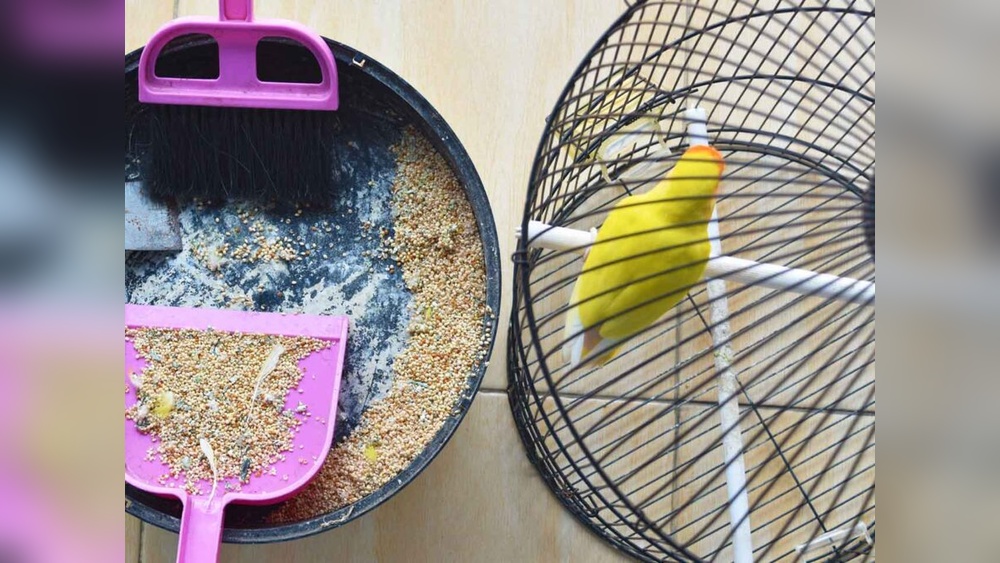
Safe Household Disinfectants for Indoor Parrot Cage Cleaning, Keeping your parrot’s cage clean is very important. A clean cage helps your bird stay healthy. But, you must use safe cleaning products. Some disinfectants can harm your parrot. This article will tell you about safe household disinfectants. You will learn how to clean your parrot’s cage well and safely.
Why Clean Your Parrot’s Cage?
Parrots live inside their cages. They eat, sleep, and play there. Dirt and germs can build up quickly. Food leftovers and droppings can cause bad smells. More important, dirty cages can make your bird sick. Germs can cause infections or illnesses. So, cleaning the cage often is very important.
What Makes a Disinfectant Safe for Parrots?
Not all disinfectants are safe for birds. Some have strong chemicals. These chemicals can harm your bird’s lungs or skin. Birds breathe very fast. They are sensitive to smells and chemicals. A safe disinfectant:
- Does not have strong fumes or smells
- Is non-toxic and gentle
- Kills germs but is safe for birds
- Does not leave harmful residue
:strip_icc()/cleaning-your-birds-cage-390332-hero-3935d0186a0b405fb7f8b0329e4eafdd.jpg)
Credit: www.thesprucepets.com
Common Household Disinfectants Safe for Parrot Cages
Many common household items can help clean a parrot cage. These are safe if used the right way.
1. White Vinegar
White vinegar is a natural cleaner. It kills many bacteria and viruses. Vinegar is safe for parrots if you rinse well. It does not have strong smells after drying. Use a mix of 1 part vinegar and 1 part water.
- Spray or wipe the cage with vinegar mix.
- Let it sit for 10 minutes.
- Rinse the cage with water well.
- Dry completely before putting your parrot back.
2. Baking Soda
Baking soda is good for scrubbing. It helps remove dirt and stains. It also kills some germs. Make a paste with baking soda and water. Use it to scrub cage bars and trays. Rinse well after cleaning.
3. Mild Dish Soap
Mild dish soap is safe for parrots. It cleans grease and dirt well. Use warm water with a small amount of soap. Scrub the cage and rinse very well. Make sure no soap is left behind.
4. Hydrogen Peroxide (3% Solution)
Hydrogen peroxide is good for disinfecting. It kills many germs and viruses. Use a 3% solution only. Apply it and let it sit for 10 minutes. Rinse very well and dry before use. Do not use stronger solutions. They can hurt your bird.
Disinfectants to Avoid for Parrots
Some cleaning products are dangerous for parrots. Avoid these to keep your bird safe.
- Bleach: Very strong and toxic. Can harm bird’s lungs.
- Ammonia-based cleaners: Strong fumes hurt birds.
- Phenol or Pine oil cleaners: Toxic for birds.
- Air fresheners or sprays: Can cause breathing problems.
How to Clean Your Parrot’s Cage Step-by-Step
Follow these steps to clean your parrot’s cage safely and well.
| Step | What to Do | Why It Matters |
|---|---|---|
| 1. Remove Your Parrot | Place your bird in a safe temporary cage. | Protects your bird from cleaning chemicals. |
| 2. Remove Cage Items | Take out toys, food bowls, and perches. | Clean these separately to kill germs. |
| 3. Remove Debris | Throw away old food, feathers, and droppings. | Prevents dirt build-up and bad smell. |
| 4. Wash Cage | Use mild soap and water or vinegar mix. | Removes dirt and some germs. |
| 5. Disinfect Cage | Apply safe disinfectant like vinegar or peroxide. | Kills harmful bacteria and viruses. |
| 6. Rinse Thoroughly | Rinse all parts with clean water. | Removes any leftover cleaning chemicals. |
| 7. Dry Completely | Let cage and items dry well. | Prevents mold and bacteria growth. |
| 8. Replace Items & Bird | Put toys and bowls back. Return your parrot. | Bird is safe and cage is clean. |
Tips for Regular Cage Cleaning
Cleaning your parrot’s cage often keeps it healthy. Here are some easy tips:
- Spot clean daily: Remove droppings and food bits.
- Deep clean weekly: Wash and disinfect the cage.
- Wash food and water bowls daily.
- Check toys and perches for dirt or damage.
- Use safe cleaners only to protect your bird.
Why Choose Natural and Gentle Disinfectants?
Natural cleaners like vinegar and baking soda are gentle. They do not have strong smells. Birds breathe with their mouths and noses. Strong chemicals can hurt their lungs. Gentle cleaners keep your bird safe and happy.
Also, these cleaners are easy to find and low cost. You do not need special products. You can keep your bird’s home clean without risk.
Signs Your Parrot May Be Sick From Cleaning Products
Watch your bird after cage cleaning. If you see these signs, stop using that cleaner:
- Coughing or sneezing
- Difficulty breathing
- Red or watery eyes
- Loss of appetite
- Unusual quietness or lethargy
If you see any of these signs, take your parrot to a vet. Choose a bird specialist if possible.

Credit: www.amazon.com
Frequently Asked Questions
Safe Household Disinfectants for Indoor Parrot Cage Cleaning
What Disinfectants Are Safe For Cleaning Parrot Cages Indoors?
Use mild, bird-safe disinfectants like diluted vinegar or hydrogen peroxide for indoor cage cleaning.
Can Bleach Be Used To Clean Parrot Cages Safely?
Bleach can be toxic to birds; avoid using it unless heavily diluted and cages are rinsed well.
How Often Should I Disinfect My Parrot’s Cage?
Disinfect the cage at least once a week to keep germs and bacteria away.
Is Vinegar A Good Disinfectant For Parrot Cages?
Yes, diluted white vinegar kills many germs and is safe for parrots.
Conclusion
Cleaning your parrot’s cage is very important. Use safe household disinfectants like vinegar, baking soda, mild soap, or hydrogen peroxide. Avoid strong chemicals like bleach or ammonia. Clean the cage regularly for a healthy bird. Always rinse well and let the cage dry. Keep your parrot safe and happy with gentle cleaning.
Remember, your parrot depends on you for a clean, safe home. Use the right disinfectants. Clean often. Your bird will thank you with good health and cheer.