If you own a horse, you know how important it is to keep your animal healthy and happy. Best Management Practices for Horses, But managing horses isn’t always easy.
You might wonder what the best ways are to care for their health, diet, and living space. What if there were simple, proven steps you could follow to make sure your horse thrives every day? You’ll discover the best management practices that can save you time, reduce stress, and help your horse live its best life.
Keep reading to learn how to give your horse the care it truly deserves.

Credit: mediahub.unl.edu
Daily Care Essentials
Daily care is the foundation for keeping horses healthy and happy. Simple routines done every day help prevent health problems. These routines build trust between the horse and the owner. Consistency is key to strong care habits. Horses respond well to gentle, regular attention.
Feeding And Nutrition
Feed horses a balanced diet to meet their needs. Provide good-quality hay or pasture daily. Include grains or pellets if extra energy is needed. Avoid sudden diet changes to prevent stomach upset. Feed small amounts often instead of one large meal. Check feed for mold or dust before serving. Keep feed areas clean to stop pests and bacteria.
Watering Practices
Fresh water must be available at all times. Horses drink 5 to 10 gallons daily. Clean water containers every day to avoid germs. In cold weather, prevent water from freezing. Use heated buckets or water heaters if needed. Monitor water intake to detect health issues early. Dehydration can cause serious problems quickly.
Grooming Routine
Groom horses daily to keep skin and coat healthy. Use a curry comb to remove dirt and loose hair. Follow with a stiff brush to smooth the coat. Clean hooves with a pick to remove stones and mud. Check for cuts, swelling, or signs of infection. Grooming also helps build a strong bond with your horse.

Credit: snohomishcd.org
Health Maintenance
Proper health maintenance keeps horses strong and active. Good care prevents many illnesses and injuries. A healthy horse shows better behavior and performance. Regular attention to health helps catch problems early. Follow a clear plan for vaccinations, deworming, and vet visits. These steps protect your horse and save costs later.
Vaccination Schedule
Vaccines protect horses from dangerous diseases. Some common vaccines include tetanus, influenza, and rabies. Follow the recommended schedule from your vet. Usually, horses get vaccines yearly or every six months. Keep a record of all shots given. This ensures no important vaccine is missed. Timely shots reduce the risk of outbreaks.
Deworming Strategies
Parasites harm horses by stealing nutrients and causing illness. Deworming removes these harmful worms. Use different dewormers based on your vet’s advice. Avoid overusing one type to prevent resistance. Test your horse’s feces regularly to check worm levels. Deworm only when needed to protect your horse and the environment.
Regular Veterinary Checks
Routine vet visits spot health issues before they get worse. The vet checks teeth, hooves, eyes, and overall condition. Vaccines and deworming plans get updated during visits. Early detection of problems saves your horse from pain. Regular checks keep your horse’s health on track. Schedule visits at least twice a year for best care.
Shelter And Environment
Providing proper shelter and a good environment is key for horse health. Horses need safe, clean, and comfortable spaces. Their shelter protects them from harsh weather and keeps them calm.
The environment should allow horses to move freely and stay clean. A well-planned space reduces stress and illness. Careful management helps horses live longer and happier lives.
Stable Design
Stables must be roomy and well-ventilated. Good airflow reduces dust and moisture. This prevents respiratory problems in horses.
Each stall should have solid walls for safety and privacy. Flooring must be soft but firm to avoid injuries. Clean bedding adds comfort and absorbs urine.
Doors and windows should open wide for easy access. Proper lighting helps horses feel secure and calm.
Pasture Management
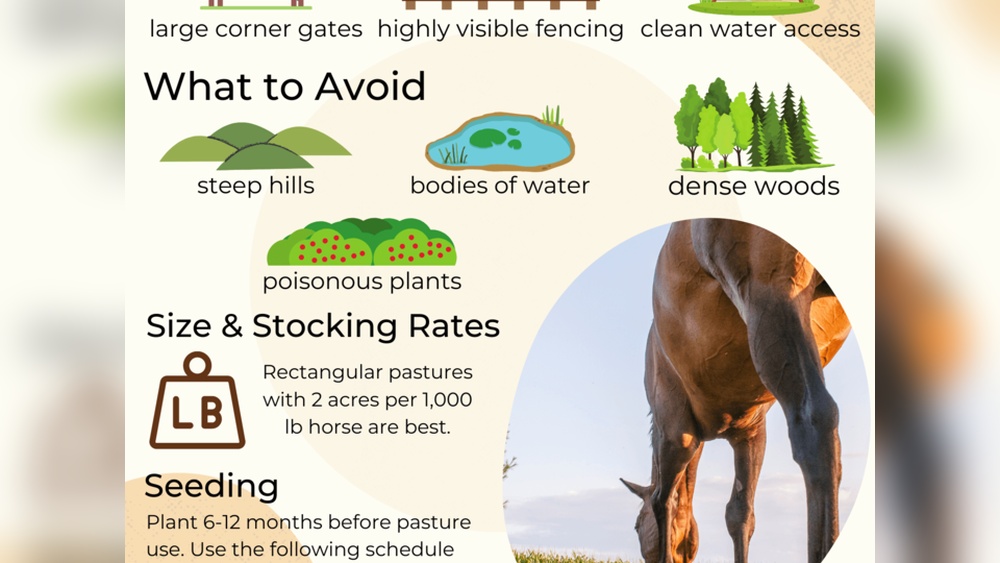
Pastures provide horses with fresh grass and exercise space. Rotate grazing areas to protect grass and soil. Remove weeds and toxic plants carefully.
Water sources must be clean and always available. Fencing should be strong and safe to prevent escapes. Shade trees or shelters in pastures offer relief from sun.
Weather Protection
Horses need shelter from rain, wind, and sun. Use run-in sheds or barns for quick access to cover. Insulate stables in cold climates to keep warmth inside.
In hot weather, provide shade and fresh water to avoid heat stress. Windbreaks like trees or fences help block cold winds. Regularly check shelters for damage and repair quickly.
Exercise And Training
Exercise and training are key for a horse’s health and happiness. Regular activity keeps muscles strong and joints flexible. Training helps horses understand commands and behave well. Both must be done safely and correctly to protect the horse and rider.
Safe Riding Practices
Always check the tack before riding. Make sure the saddle and bridle fit well and are secure. Use a helmet and proper boots for safety. Ride in areas free from sharp objects or holes. Start with warm-up exercises to prevent injuries. Avoid sudden moves that might scare the horse. Keep rides short at first and increase time slowly.
Conditioning Programs
Conditioning builds a horse’s stamina and strength. Begin with light walking and trotting. Gradually add more time and faster gaits. Include rest days to let muscles recover. Tailor the program to your horse’s age and health. Use hills and varied terrain for better fitness. Watch for signs of tiredness or soreness. Adjust the program based on the horse’s response.
Behavioral Training
Good behavior makes handling easier and safer. Use clear, consistent commands every time. Reward positive actions with pats or treats. Teach basic skills like leading and standing still. Work calmly to reduce fear and stress. Avoid punishment that may confuse or hurt the horse. Patience and repetition help build trust and learning.
Hoof Care
Hoof care is a key part of horse management. Healthy hooves help horses move well and avoid pain. Regular care prevents many problems that can stop a horse from working or playing. Clean, strong hooves support the horse’s whole body. Paying close attention to hooves keeps horses happy and active.
Trimming And Shoeing
Hooves grow constantly and need regular trimming. Trimming keeps hooves balanced and prevents cracks. Some horses need shoes for extra protection. Shoes protect hooves on hard or rough ground. A farrier trims hooves and fits shoes safely. Visit the farrier every 6 to 8 weeks for best care.
Detecting Hoof Problems
Watch for signs of hoof trouble daily. Look for cracks, swelling, or heat in the hoof. Limping or reluctance to walk may signal pain. Check the frog, sole, and hoof wall for damage. Early detection helps treat problems before they worsen. Keep the hoof clean and dry to prevent infections.

Credit: news.maryland.gov
Breeding Management
Breeding management is vital for healthy horses and strong bloodlines. Good practices help keep mares, stallions, and foals safe and well. Careful planning and attention reduce risks and improve outcomes. This section covers selecting breeding stock, care during pregnancy, and foal handling.
Selecting Breeding Stock
Choose horses with good health and strong traits. Look for sound feet, clear eyes, and good body condition. Avoid breeding horses with genetic diseases or bad temperaments. Consider the horse’s size, build, and performance history. Healthy parents increase the chance of healthy foals.
Care During Pregnancy
Provide balanced feed with enough vitamins and minerals. Keep the mare in a clean, quiet place. Monitor her health with regular vet checks. Avoid stress and heavy exercise. Watch for signs of illness or discomfort. Proper care helps the foal grow strong inside the mare.
Foal Handling
Handle foals gently from birth. Give them time to bond with their mother. Keep the foal clean and dry. Start basic training early, like leading and touching. Monitor growth and health closely. Early care sets the foundation for a calm, healthy horse.
Record Keeping
Keeping clear records is key to good horse care. It helps track health, feeding, and training. Organized records make it easy to spot problems early. They also help keep routines consistent for your horse. Good records save time and reduce stress for both you and your horse.
Health Logs
Health logs track your horse’s medical history. Record vaccinations, deworming, and vet visits. Note any illnesses or injuries. Include dates and treatments used. This helps spot patterns and manage ongoing issues. Vets rely on accurate health logs for better care.
Feeding Records
Feeding records show what and how much your horse eats. Write down types of feed, supplements, and amounts. Note any changes in appetite or weight. This helps adjust diets for better health and energy. Consistent feeding records prevent overfeeding or nutrient gaps.
Training Progress
Track your horse’s training sessions and progress. Record exercises, duration, and responses. Note any challenges or improvements. This keeps training goals clear and realistic. Training records help tailor sessions to your horse’s needs.
Frequently Asked Questions
Best Management Practices for Horses
What Are The Essential Daily Care Practices For Horses?
Daily care includes feeding balanced meals, providing clean water, grooming, and regular exercise. Monitoring health signs is crucial. Consistency in routine helps maintain horse well-being and prevents common health issues.
How Often Should Horses Receive Veterinary Check-ups?
Horses need veterinary check-ups at least twice a year. Regular exams detect early health problems and ensure vaccinations and deworming are current. Timely vet care supports long-term horse health and performance.
What Is The Best Feeding Schedule For Horses?
Feed horses small, frequent meals throughout the day. Provide high-quality forage and balanced grains. Consistent feeding times support digestion and prevent colic or metabolic issues.
How Can I Maintain Safe And Comfortable Horse Stabling?
Ensure stables are clean, dry, and well-ventilated. Provide enough space and soft bedding. Regularly remove manure and check for hazards. Safe stabling promotes horse comfort and reduces disease risk.
Conclusion
Caring well for horses keeps them healthy and happy. Regular feeding, grooming, and exercise build strong bonds. Clean water and safe shelter protect against illness. Watching their behavior helps catch problems early. Simple daily habits make a big difference. Good management means a longer, better life for horses.
Small efforts bring great rewards. Every horse deserves thoughtful care and attention. Thanks For read “Best Management Practices for Horses”
Water Frogs: Fascinating Facts and Care Tips You Need to Know