
Why Don’T Horses Get Cold, Have you ever wondered why horses don’t seem to get cold, even when the temperature drops? If you’ve seen them standing outside in chilly weather, looking calm and comfortable, you might be curious about their secret.
Understanding how horses stay warm can help you take better care of them and appreciate their incredible natural abilities. Keep reading to discover the surprising reasons behind their warmth and what you can learn from these amazing animals.
Horse Fur And Insulation
Horses stay warm in cold weather thanks to their fur and natural insulation. Their coats adapt to protect them from the chill. The fur traps heat close to their bodies. This layer of insulation helps keep cold air out and body heat in. Nature designed horse fur to be both thick and efficient. It changes with the seasons to match the weather.
Winter Coat Adaptations
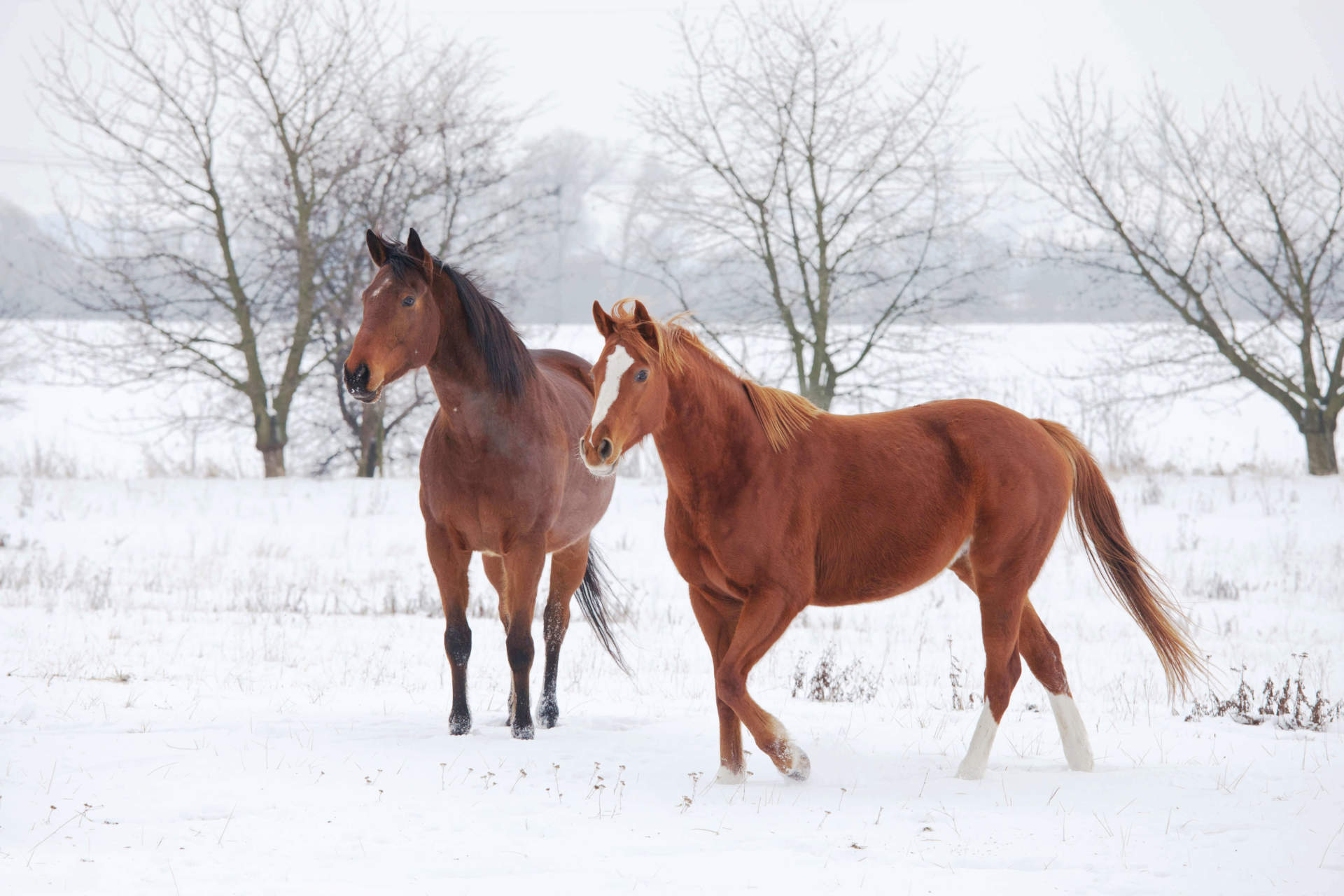
Horses grow a thicker winter coat as temperatures drop. This coat has longer, denser hairs. These hairs create a barrier against wind and cold. The winter fur stands up, trapping warm air near the skin. This trapped air acts like a natural blanket. The coat also sheds water to keep horses dry. Dry fur means better warmth during snowy days.
Natural Oil Protection
Horses produce natural oils in their skin. These oils coat the fur with a waterproof layer. This layer prevents rain and snow from soaking the hair. Wet fur loses its ability to trap heat. The oil also helps the fur stay smooth and flexible. It keeps the winter coat healthy and effective.
Credit: www.horsehealthproducts.com
Body Heat Regulation
Horses manage their body heat in smart ways. Their bodies keep warm even in cold weather. This is thanks to special processes inside their bodies. These processes help horses stay comfortable without shivering or losing energy.
Metabolic Heat Production
Horses create heat through their metabolism. Their bodies burn food to produce energy. This energy releases heat that warms their body. Horses have a higher metabolic rate than many animals. This means they generate more heat naturally. This heat keeps their muscles and organs warm.
Circulatory Adjustments
Blood flow changes help horses control their temperature. In cold weather, blood moves away from the skin. This reduces heat loss to the environment. Blood stays closer to the body’s core. It keeps vital organs warm and safe. When it is warmer, blood flows near the skin. This helps release extra heat and cool the horse.
Behavioral Adaptations
Horses use smart behaviors to stay warm in cold weather. Their actions help them keep heat and avoid the cold. These behaviors work with their body’s natural ways to protect them from frostbite and chills. Understanding these habits shows why horses rarely get cold.
Seeking Shelter
Horses look for places that block wind and rain. Trees, barns, or hills provide good shelter. This stops cold air from hitting their bodies directly. Staying dry also helps keep their body heat safe.
Huddling For Warmth
Horses often stand close to each other in cold times. This sharing of body heat helps all of them stay warm. The group acts like a natural heater. It also cuts down on heat loss to the cold air.
Physical Features Supporting Warmth
Horses have special physical traits that help them stay warm in cold weather. Their bodies work well to keep heat inside. These features protect them from cold winds and low temperatures. Understanding these traits explains why horses rarely feel cold.
Large Body Mass
Horses have big bodies that hold heat well. A larger body cools down slower than a small one. This means horses lose less warmth to the cold air. Their size acts like natural insulation. It helps keep their core temperature steady.
Fat Layer Benefits
Under their skin, horses have a thick fat layer. This fat is a natural barrier against cold. It traps heat close to the body. The fat also cushions the body from cold ground. This layer is very important in winter months.
Role Of Diet In Cold Resistance
Horses eat more to keep warm in cold weather. Their diet helps them produce heat inside their bodies. This heat helps them stay comfortable and active. What they eat is very important for surviving cold days.
Good food gives horses the energy they need. It also helps their body work better in cold conditions. Let’s see how diet plays a big role in keeping horses warm.
Energy-rich Feed
Horses need food rich in energy during winter. Grains like oats and barley give quick energy. High-fiber hay helps keep energy steady for hours. Energy-rich feed helps horses burn calories fast. This burning creates heat to fight the cold.
Digestive Heat Generation
Horses digest food slowly, making body heat inside. Their stomach and intestines work hard to break down fiber. This process is called fermentation and it produces heat. More fiber means more heat from digestion. This natural heat keeps horses warm without extra effort.

Credit: www.reddit.com
Cold Weather Care For Horses
Cold weather care for horses is important to keep them healthy and comfortable. Horses have natural ways to stay warm, but they still need some help. Proper care ensures they stay strong through chilly days and nights.
Horses grow thick winter coats. These coats trap heat close to their bodies. Still, cold winds and wet conditions can lower their body temperature. Good care helps protect horses from harsh weather and illness.
Blanketing Needs
Not all horses need blankets. Horses with thick coats usually stay warm without one. Older horses or those with thin coats might need blankets. Blankets protect from wind and rain. They help keep the horse dry and warm. Check the blanket often. Make sure it fits well and is clean.
Hydration And Nutrition
Water is very important in cold weather. Horses may drink less when it’s cold. Offer fresh, unfrozen water often. Warm water can encourage drinking. Good nutrition helps horses produce body heat. Feed extra hay in winter. Hay helps keep their digestive system warm.
Common Myths About Horses And Cold
Many people have ideas about how horses handle cold weather. Some believe horses always need blankets. Others think horses feel cold like humans do. These are common myths that can confuse horse owners. Understanding the truth helps keep horses healthy and happy.
Horses are built differently than humans. Their bodies and coats protect them in cold weather. Knowing facts about horses and cold helps you care for them better. Let’s clear up these common myths.
Do Horses Need Blankets Always?
Not all horses need blankets all the time. Horses grow thick winter coats naturally. This coat keeps them warm without help. Blankets can sometimes cause more harm than good. If a horse is healthy and outside, it usually stays warm alone.
Blankets might be needed for old or sick horses. Also, horses clipped for shows may need extra warmth. Blankets should fit well and be dry. Wet blankets can make horses colder. Always check the weather and the horse’s condition.
Horses Vs. Human Cold Sensitivity
Horses feel cold differently than humans. Their thick fur traps heat close to the skin. Humans lose heat faster because of thinner skin and less hair. Horses also have a slower metabolism in winter. This helps them use energy to stay warm longer.
Horses move more to keep warm. They can generate heat by walking or running. Humans often need extra clothes to keep heat in. Horses rely on their natural body design and behavior to stay warm.

Credit: www.amazon.com
Frequently Asked Questions
Why Don’T Horses Get Cold
Why Don’t Horses Get Cold Easily?
Horses have thick winter coats that insulate against cold. Their large body mass retains heat efficiently. They also generate heat through constant movement, helping them stay warm in low temperatures.
How Does A Horse’s Coat Protect It From Cold?
A horse’s winter coat grows longer and denser in cold weather. The hair traps warm air close to their skin. This natural insulation keeps horses warm even in freezing conditions.
Do Horses Need Blankets To Stay Warm In Winter?
Most horses do not need blankets if they have healthy winter coats. Blankets are useful for older, sick, or clipped horses. Providing shelter and good nutrition also helps horses maintain warmth naturally.
Can Horses Survive Extreme Cold Temperatures?
Yes, horses can survive cold if they have shelter, food, and water. Their natural adaptations help them endure harsh winters. However, prolonged exposure to severe cold without care can harm their health.
Conclusion
Horses stay warm thanks to their thick fur and natural body heat. They grow a winter coat that keeps cold out and warmth in. Their large muscles create heat when they move around. Horses also find shelter and huddle together to share warmth.
Knowing this helps us care for them better in cold weather. They are well built to handle the chill. This natural protection shows how animals adapt to survive. Watching horses stay comfortable in winter is quite impressive. Why Don’T Horses Get Cold.
Horses Aren’T Cheap My Child: Unveiling True Costs