
Have you ever wondered why horses get colic? If you own or care for a horse, this question is more than just curiosity—it’s about protecting your horse’s health and well-being.
Colic can be painful and even life-threatening, but understanding what causes it can help you prevent it. You’ll discover the common reasons behind colic and what signs to watch for. Keep reading to learn how you can keep your horse safe and comfortable every day.
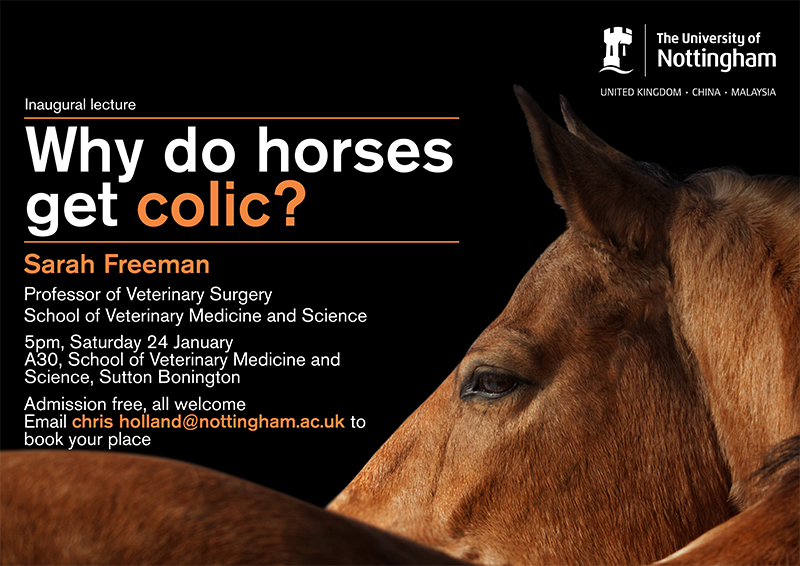
Credit: www.nottingham.ac.uk
Common Causes Of Colic In Horses
Colic in horses is a serious condition that affects their digestive system. Understanding the common causes helps horse owners prevent it. Several factors can lead to colic, and many relate to the horse’s gut health and daily care.
Digestive Blockages
Digestive blockages happen when the horse’s intestines get clogged. This can stop food and fluids from moving through. Blockages may come from eating too much sand, dirt, or large pieces of feed. These blockages cause pain and swelling.
Gas Accumulation
Gas builds up in the horse’s intestines during digestion. Too much gas causes pressure and discomfort. It happens when bacteria in the gut produce extra gas. Sudden changes in diet or overeating increase this risk.
Intestinal Twists
Intestinal twists occur when parts of the intestine twist or fold. This cuts off blood flow and traps food inside. Twists cause severe pain and need quick treatment. They often happen after intense exercise or excitement.
Dietary Factors
Diet plays a big role in colic. Poor-quality feed, sudden feed changes, and lack of water can upset digestion. High grain diets and low fiber increase colic chances. Feeding small amounts frequently helps keep the gut healthy.
Stress And Environmental Changes
Stress affects a horse’s digestive system. Changes like moving to a new stable or loud noises can trigger colic. Horses under stress may stop eating or drink less water. Keeping a calm, stable environment reduces this risk.
Recognizing Colic Symptoms
Recognizing colic symptoms early is crucial for a horse’s health. Colic can cause pain and discomfort. Knowing the signs helps you act fast. Horses cannot tell us when they hurt. We must watch their behavior and body closely.
Behavioral Changes
Horses with colic often behave differently. They may stop eating or drinking. Restlessness is common. Your horse might paw the ground or pace. Rolling on the ground is a serious sign. Some horses look at their sides. These changes show discomfort or pain.
Physical Signs
Physical symptoms show how colic affects the body. Look for sweating without heat. Rapid breathing or heart rate can appear. A tense belly or kicking at the stomach is a warning. Your horse may lie down more than usual. Check for dry gums or lack of gut sounds.
Severity Levels
Colic varies in how bad it is. Mild colic might pass with rest and water. Severe colic needs quick treatment. Watch if pain gets worse or lasts long. Signs like constant rolling or refusal to stand mean trouble. Severe cases can cause serious damage fast.
When To Call A Vet
Call a vet immediately if symptoms worsen. Do not wait if your horse keeps rolling. No appetite for several hours is a concern. If your horse shows fast breathing or heartbeat, call the vet. Early help can save your horse’s life.
Effective Prevention Strategies
Preventing colic in horses is key to keeping them healthy and comfortable. Simple daily habits can reduce risks significantly. Good care routines protect horses from this painful condition. Focus on feeding, exercise, hydration, health checks, and stress management.
Proper Feeding Practices
Feed horses small, frequent meals instead of one large meal. Use high-quality hay and avoid sudden diet changes. Limit grain and rich feeds to prevent digestive upset. Provide access to roughage to keep the gut moving well.
Regular Exercise
Exercise aids digestion and keeps the gut active. Turn horses out daily for movement. Avoid long periods of inactivity. Gentle riding or walking after meals helps prevent colic.
Hydration Importance
Water keeps the digestive system working smoothly. Always provide clean, fresh water. Check water intake daily, especially in hot weather. Encourage drinking by using salt blocks or electrolytes if needed.
Routine Health Checks
Regular vet visits catch problems early. Monitor teeth, parasites, and weight often. Deworm horses on a schedule. Check for signs of discomfort or changes in behavior.
Managing Stress
Stress can cause digestive issues leading to colic. Keep a consistent daily routine. Provide a calm environment and companionship. Avoid sudden changes in surroundings or handlers.

Credit: www.smartpakequine.com

Credit: www.irongateequine.com
Frequently Asked Questions
What Causes Colic In Horses?
Colic in horses is caused by digestive tract issues such as gas buildup, impaction, or intestinal twisting. Poor diet, sudden feed changes, dehydration, and stress increase colic risk. Understanding these causes helps in prevention and early detection.
How Can Diet Affect A Horse’s Risk Of Colic?
A poor or inconsistent diet can disrupt a horse’s gut health. High grain, low fiber, or sudden feed changes cause digestive upset. Balanced feeding with plenty of forage reduces colic risk by maintaining healthy gut motility and microbial balance.
What Are Early Signs Of Colic In Horses?
Early signs include restlessness, pawing, rolling, sweating, and reduced appetite. Horses may also show abdominal discomfort or lie down frequently. Prompt recognition of these symptoms is essential for timely veterinary care to prevent serious complications.
Can Dehydration Lead To Colic In Horses?
Yes, dehydration reduces gut motility and causes impaction colic. Horses need constant access to clean water, especially during hot weather or exercise. Ensuring proper hydration is a key preventive measure against colic.
Conclusion
Horses get colic for many reasons. Poor diet, sudden changes, and lack of water can cause pain. Stress and lack of exercise also play a role. Watching your horse closely helps catch problems early. Good care and a steady routine keep horses healthy.
Remember, quick action can save your horse’s life. Understanding colic helps you protect your horse better. Keep learning and stay alert to your horse’s needs. Prevention is always better than cure.