If you own a horse, you know how important it is to keep it healthy and strong. But do you know when the best time to deworm your horse is?
Timing can make all the difference in protecting your horse from parasites that can cause serious health problems. You’ll discover exactly when to deworm your horse for the best results. Keep reading to learn how to keep your horse happy, healthy, and parasite-free all year round.
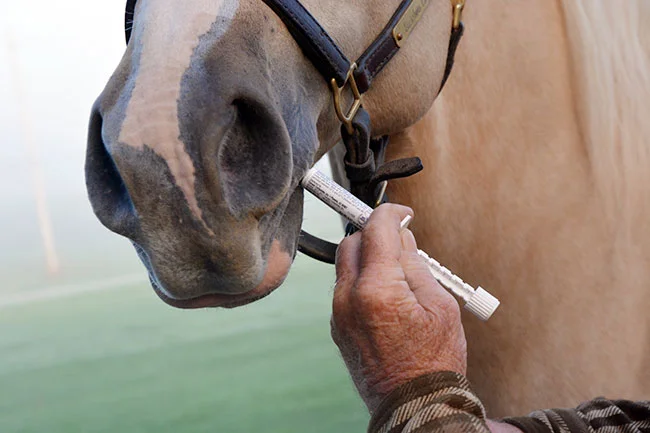
Credit: www.irongateequine.com
Signs Your Horse Needs Deworming
Knowing when your horse needs deworming is key to keeping it healthy. Parasites cause many problems before you see obvious signs. Watch your horse closely. Early signs help you act fast. This keeps your horse strong and comfortable.
Common Parasite Symptoms
Parasites often cause dull coat and weight loss. Your horse may have a rough hair coat. Look for patches of hair falling out. Diarrhea or soft stools can happen too. Some horses show a pot-bellied look. These signs mean parasites may be inside.
Behavioral Changes
A sick horse acts differently. It may seem tired or lazy. Notice if your horse stops eating well. Irritability or restlessness can also appear. Some horses bite or scratch more. These changes suggest discomfort from parasites.
Physical Health Indicators
Check your horse’s body closely. Pale gums can mean blood loss from worms. Swollen belly or belly pain is common. Look for signs of colic or cramps. A horse with poor muscle tone needs attention. These physical signs show it may be time to deworm.

Credit: zeroeggcount.com
Seasonal Deworming Schedules
Seasonal deworming schedules help keep horses healthy all year. Parasite risks change with weather and pasture conditions. Planning treatments by season reduces worm loads and protects your horse. Each season has special needs for deworming. Follow a schedule to treat at the best times.
Spring Deworming Benefits
Spring is the time to break the parasite cycle. Deworming in early spring removes worms before they spread. This helps prevent pasture contamination. Your horse will start the grazing season healthier. Spring treatments lower parasite buildup on grass.
Summer Considerations
Summer heat slows some worm activity but does not stop it. Deworming in summer controls larvae before they mature. Horses often graze more and drink more water. Check for signs of worms like weight loss or dull coat. Timely summer treatments keep worms under control.
Fall Treatment Timing
Fall is a key time to reduce worm eggs in pastures. Deworming before cooler weather cuts parasite numbers. This lowers the risk of infection in winter. Fall treatments protect horses as they eat more hay. A good fall plan supports winter health.
Winter Deworming Tips
Winter parasites grow slowly but can still harm horses. Deworming in winter depends on climate and horse health. Focus on horses with past infections or weak immune systems. Use safe treatments and avoid overuse. Winter care keeps horses strong for spring.
Age And Deworming Frequency
Age plays a key role in how often horses need deworming. Different life stages affect their risk of parasites. Understanding these differences helps keep horses healthy and strong.
Foals And Young Horses
Foals and young horses need frequent deworming. Their immune systems are still growing. Parasite loads can build up fast. Start deworming at about two months old. Repeat treatments every six to eight weeks. This schedule helps protect their health and growth.
Adult Horses
Adult horses usually need less frequent deworming. Their immune systems handle parasites better. Deworming every two to three months is often enough. Regular fecal tests can show parasite levels. Adjust treatments based on test results. Avoid overusing dewormers to reduce resistance.
Senior Horse Care
Senior horses may need more attention to parasites. Their immunity weakens with age. Parasites can cause more problems for them. Deworming frequency depends on their health status. Consult a vet to set a safe plan. Keep a close eye on weight and coat condition.
Types Of Dewormers And Their Use
Understanding the types of dewormers helps keep horses healthy. Each dewormer targets specific parasites or a broad range. Choosing the right one ensures effective parasite control. Dewormers differ in strength and target parasites. Knowing their use is key for proper timing and treatment.
Broad-spectrum Dewormers
Broad-spectrum dewormers kill many kinds of worms. They work against large and small strongyles, roundworms, and pinworms. These dewormers provide wide parasite control in one dose. They are useful for general parasite management. Common broad-spectrum types include ivermectin and moxidectin. Use them during routine treatments to reduce worm loads.
Targeted Parasite Treatments
Targeted treatments focus on specific parasites. For example, fenbendazole treats tapeworms and some roundworms. Pyrantel targets bots and tapeworms effectively. These treatments help when tests show certain parasites. Targeted use avoids overusing broad dewormers. It helps reduce parasite resistance over time.
Rotating Deworming Products
Rotating dewormers means changing products regularly. It prevents parasites from becoming resistant. Use different active ingredients in each cycle. Rotate broad-spectrum and targeted dewormers as needed. Follow a schedule based on testing and vet advice. Rotation keeps treatments effective for longer periods.
Testing Before Deworming
Testing before deworming helps keep horses healthy and avoids unnecessary treatments. It shows if your horse needs deworming and which parasites are present. This method saves money and reduces parasite resistance to drugs. Regular testing supports a smarter, safer approach to horse care.
Fecal Egg Counts
Fecal egg counts measure parasite eggs in horse manure. A small sample goes to a lab for analysis. This test shows how many parasite eggs the horse carries. It helps decide if deworming is needed right away or can wait.
Interpreting Test Results
Low egg counts often mean no treatment is needed now. High egg counts suggest parasites are affecting the horse’s health. The type of parasite also matters. Your vet can explain the results and recommend the best action.
Customized Deworming Plans
Each horse gets a deworming plan based on test results. Plans consider the horse’s age, health, and environment. This approach targets parasites effectively and avoids overuse of medicines. Customized plans protect your horse long term.

Credit: thehorse.com
Preventive Measures Beyond Deworming
Deworming is essential, but it is not the only way to keep horses healthy. Preventive measures help reduce parasite risks. They lower the need for frequent deworming and keep horses safer.
Simple actions around the stable and pasture play a big role. These steps help control parasite spread and protect horses all year long.
Pasture Management
Keeping pastures clean helps reduce parasites. Regularly remove manure to stop parasite eggs from spreading. Rotate pastures to give land time to rest and reduce worm levels. Avoid overgrazing to keep grass healthy and less likely to hold parasites.
Hygiene And Stall Cleaning
Clean stalls daily to remove manure and urine. This reduces parasite eggs in the horse’s environment. Use fresh bedding and remove wet spots. Clean water and feeding areas often to prevent contamination.
Quarantine New Horses
New horses may bring parasites from other places. Keep new arrivals separate for at least two weeks. Monitor their health and check for worms before joining the main herd. This prevents spreading parasites to other horses.
Frequently Asked Questions
When Is The Best Time To Deworm Horses Yearly?
The best time to deworm horses is typically in early spring and late fall. This timing targets parasite life cycles effectively, reducing worm burdens before they become severe. Consult your vet for a tailored schedule based on your horse’s environment and health.
How Often Should Horses Be Dewormed Annually?
Horses should be dewormed 2 to 4 times per year, depending on their age, health, and pasture conditions. Frequent deworming prevents parasite resistance and maintains horse health. A vet’s advice ensures the best deworming frequency for your horse.
What Signs Indicate A Horse Needs Deworming?
Common signs include weight loss, dull coat, poor appetite, and colic symptoms. Parasite infestation can also cause diarrhea and a pot-bellied appearance. Regular fecal tests help detect worm burdens early and determine the need for deworming.
Can Deworming Timing Affect Horse Health?
Yes, proper timing maximizes deworming effectiveness and minimizes parasite resistance. Deworming during peak parasite seasons controls infestations better. Incorrect timing can lead to reinfection or reduced drug efficacy, impacting your horse’s health.
Conclusion
Choosing the right time to deworm horses keeps them healthy and strong. Regular checks help spot problems early. Seasonal changes can affect when to treat your horse. Follow your vet’s advice for the best schedule. Good care means fewer worms and happier horses.
Stay consistent to protect your horse all year. Remember, healthy horses perform better and live longer. Deworming is a simple step for big benefits. Keep learning and caring to give your horse the best life.