
Have you ever wondered what lives in the darkest, most mysterious places on Earth? Creatures in the Deepest Part of the Ocean, The deepest parts of the ocean hide creatures unlike anything you’ve ever seen.
These strange animals survive under crushing pressure and complete darkness. If you think you know the ocean, think again. What you’re about to discover will surprise you and change the way you see life beneath the waves. Keep reading to meet the amazing creatures in the deepest part of the ocean you won’t believe your eyes.
Extreme Ocean Depths
The deepest parts of the ocean are mysterious and hard to reach. These areas lie far below the surface, where sunlight cannot reach. The pressure is very high, and the temperature is near freezing. Despite these harsh conditions, many strange creatures live there.
Exploring these depths helps us learn about life in extreme places. It also shows how nature adapts to tough environments. The ocean’s extreme depths hold secrets we are just beginning to discover.
Challenges Of Deep-sea Exploration
Exploring the deep ocean is very difficult. The pressure at great depths can crush most submarines. Special vehicles are needed to survive this pressure. These machines are expensive and hard to build.
The darkness in the deep ocean is total. No sunlight reaches these zones. This makes it hard to see and study creatures. Scientists use special lights and cameras to explore. Cold temperatures slow down equipment and limit time underwater.
Zones Of The Deep Ocean
The deep ocean is divided into zones based on depth. The twilight zone lies just below where light fades. Some creatures here can still see faint light.
Below the twilight zone is the midnight zone. It is pitch black and very cold. Most animals here produce their own light. This helps them find food and mates.
The deepest zone is the abyssal plain. It is flat, cold, and under huge pressure. Few animals live here, but those that do are unique. They have special features to survive extreme conditions.
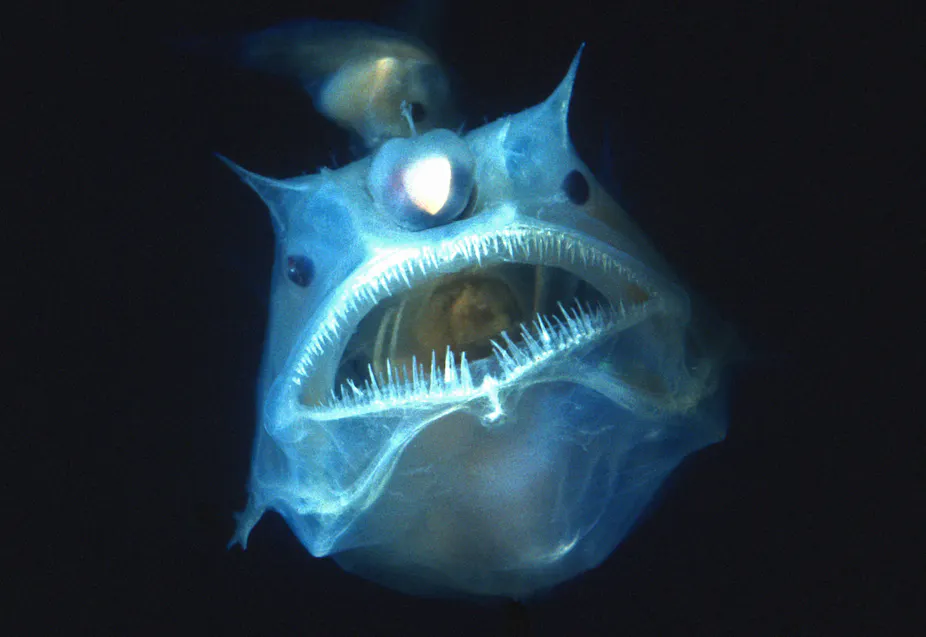
Credit: theconversation.com
Unique Adaptations
Creatures living in the deepest parts of the ocean have amazing ways to survive. The environment is dark, cold, and very high in pressure. These animals have unique adaptations that help them live in such harsh conditions. Their features are unlike those of creatures closer to the surface. Let’s explore some of these special traits.
Bioluminescence And Light Production
Many deep-sea animals produce their own light. This is called bioluminescence. They use it to find food, attract mates, or scare away predators. Some have glowing parts on their bodies. Others create light flashes to communicate. This ability helps them survive in complete darkness.
Pressure Resistance
The pressure in the deep ocean is crushing. It can be over 1,000 times the pressure at sea level. Deep-sea creatures have bodies built to resist this force. Their bones and muscles are strong yet flexible. Some have no bones at all. Their cells contain special chemicals that keep them from being crushed.
Feeding Strategies
Food is scarce in the deep ocean. Animals have unique ways to find or catch it. Some are scavengers, eating dead animals that fall from above. Others use long, sensitive feelers to detect prey. Some have huge mouths and sharp teeth to catch anything that comes close. These strategies help them get enough food to survive.
Iconic Deep-sea Creatures
The deepest parts of the ocean are home to some of the most unusual creatures on Earth. These animals have adapted to live in extreme darkness and pressure. Their shapes, colors, and behaviors often seem strange to us. They inspire curiosity and wonder about life beneath the waves.
Many deep-sea creatures use special features to survive. Bioluminescence, large eyes, and unique body forms help them find food and avoid danger. Let’s explore some of the most iconic residents of the ocean’s depths.
Giant Squid And Colossal Squid
The giant squid is famous for its huge size and long tentacles. It can grow up to 40 feet long. This squid uses its long arms to catch prey. The colossal squid is even bigger and heavier. It has sharp hooks on its tentacles to grab fish and other squids. Both squids live deep in cold waters.
Anglerfish And Its Lure
Anglerfish are known for their glowing lure. They use this light to attract small fish in the dark ocean. The lure hangs from their heads like a fishing rod. Their big mouths and sharp teeth help them trap prey quickly. Anglerfish live at depths where sunlight cannot reach.
Vampire Squid And Its Habitat
The vampire squid lives in oxygen-poor waters deep in the ocean. It has a dark red color and large eyes. Its webbed arms look like a cloak, which it uses to protect itself. Despite its name, it does not suck blood. It feeds on tiny particles falling from above.

Credit: mashable.com
Unusual Behaviors
The deepest parts of the ocean are home to creatures with strange and unique behaviors. These behaviors help them survive in a world without light, extreme pressure, and scarce food. Understanding these unusual habits shows how life adapts in the toughest places on Earth.
Communication In Darkness
In the deep ocean, sunlight does not reach. Creatures use other ways to send messages. Many use bioluminescence, creating light from their bodies. This light can blink, flash, or glow steadily. It helps them find mates or warn enemies.
Some animals produce sounds that travel long distances underwater. These sounds can be clicks, pulses, or low rumbles. They help creatures stay connected despite the dark and vast space around them.
Reproduction In Harsh Conditions
Life is tough in the deep sea. Food is rare, and finding a mate can be hard. Many animals have special ways to reproduce. Some species release eggs and sperm into the water, hoping they meet by chance.
Others have unique physical adaptations. For example, some deep-sea fish have males that attach to females permanently. This way, they do not lose their chance to reproduce. These methods ensure survival despite the harsh environment.
Recent Discoveries
The deepest parts of the ocean are full of surprises. Recent discoveries have brought new life forms to our knowledge. Scientists now find creatures that were once thought impossible to exist. These findings help us understand the ocean’s mysteries better.
Exploring such extreme environments is tough. Yet, new methods and tools allow researchers to go deeper. They capture images, collect samples, and study these strange beings closely. Each discovery changes how we view life on Earth.
New Species Identification
Many new species have been found in the ocean’s darkest zones. Some look like glowing fish or strange worms. Others have unique shapes and colors. These creatures survive under high pressure and no sunlight. Each species adapts in ways that amaze scientists.
Researchers name and classify these new species carefully. This work helps protect them and their habitats. It also shows how diverse life is, even in harsh places. Every new species adds a piece to the ocean’s puzzle.
Technological Advances In Research
Technology plays a key role in deep ocean exploration. Remotely operated vehicles (ROVs) dive thousands of meters. They send back videos and samples from the deep sea. New cameras capture clear images in total darkness.
Sonar and sensors map the ocean floor accurately. These tools help find unknown creatures and habitats. Advances in technology make deep-sea research safer and more effective. Scientists can now explore areas once out of reach.
:max_bytes(150000):strip_icc()/deep-sea-fish--frill-shark-found-alive-in-numazu--japan-73089370-da0d29f52cf342eb842a78ea4cdf8f5b.jpg)
Credit: www.treehugger.com
Conservation Concerns
The deepest parts of the ocean hold unique creatures found nowhere else on Earth. These animals live in extreme conditions, adapting to darkness and pressure. Their survival faces growing threats from human actions. Conservation concerns are rising as we learn more about these mysterious ecosystems.
Human Impact On Deep-sea Ecosystems
Human activities reach even the ocean’s deepest zones. Deep-sea mining disturbs the seabed and destroys habitats. Pollution, including plastics and chemicals, spreads far below the surface. Fishing gear can get lost, harming fragile creatures. Noise from ships and machines disrupts marine life communication.
These impacts harm the slow-growing deep-sea animals. Many species take decades to reproduce. Damage may last for years or become permanent. Protecting these habitats is urgent to keep ocean health balanced.
Protecting Mysterious Marine Life
Efforts to protect deep-sea creatures increase worldwide. Scientists push for more marine protected areas. These zones limit harmful activities like mining and fishing. Technology helps monitor and study these hard-to-reach places. Public awareness encourages support for ocean conservation laws.
Each species plays a role in the ocean’s web of life. Saving them preserves biodiversity and ocean health. Cooperation among nations is key to protect these hidden worlds.
Frequently Asked Questions
Creatures in the Deepest Part of the Ocean
What Creatures Live In The Deepest Ocean Parts?
The deepest ocean hosts unique creatures like anglerfish, giant squid, and amphipods. These species adapted to extreme pressure and darkness thrive in the hadal zone, around 6,000 to 11,000 meters deep.
How Do Deep-sea Creatures Survive Extreme Pressure?
Deep-sea creatures have flexible bodies and special proteins that prevent damage. They also use slow metabolism and bioluminescence to adapt and survive in crushing ocean depths.
Why Do Deep-sea Animals Produce Light?
Many deep-sea animals produce light through bioluminescence. This helps them attract prey, communicate, or camouflage in the pitch-black ocean environment.
What Is The Largest Animal In The Ocean’s Abyss?
The giant squid is one of the largest abyssal animals. It can grow up to 13 meters and lives in deep, cold ocean waters.
Conclusion
The ocean’s deepest parts hold many strange and amazing creatures. They live in dark, cold, and high-pressure places. These animals show how life can adapt to tough conditions. Exploring these depths helps us learn about nature’s secrets. The more we study, the more surprises we find.
The deep sea remains one of Earth’s last frontiers. Its creatures inspire wonder and curiosity in us all. Thanks for reading Creatures in the Deepest Part of the Ocean.
A Day in the Life of a Marine Biologist :Insights