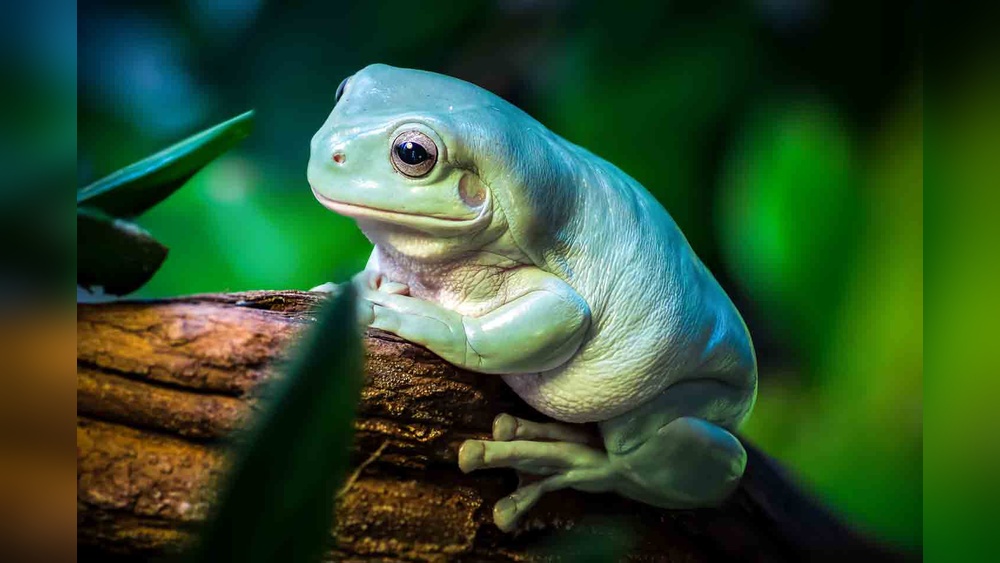
Are you thinking about adding a frog to your family? Different Types of Frogs for Pets,Frogs can make fascinating and unique pets that bring a splash of nature right into your home.
But before you jump in, it’s important to know that not all frogs are the same. Different types of frogs have different needs, personalities, and care routines. Understanding these differences will help you find the perfect frog that fits your lifestyle and keeps you happy for years.
Keep reading to discover which pet frog matches your home and heart!
Credit: www.chewy.com
Popular Pet Frog Species
Frogs make fascinating pets for many reasons. They come in various shapes, sizes, and colors. Some species are easy to care for, while others need special attention. Choosing the right frog species is key to a happy pet and owner. Popular pet frog species offer a mix of beauty, behavior, and care requirements. This guide highlights four favorite types of pet frogs: Tree Frogs, Dart Frogs, Horned Frogs, and Pacman Frogs. Each has unique traits that suit different pet lovers.
Tree Frogs
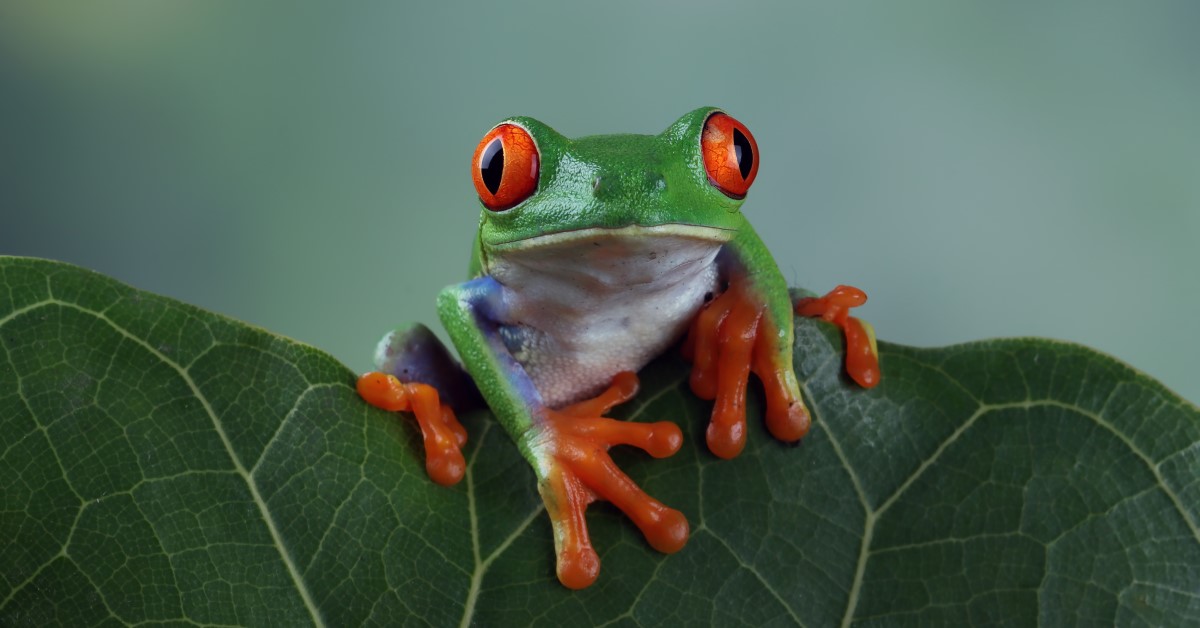
Tree frogs are one of the most common pet frogs. They are small, colorful, and often have sticky pads on their toes. These pads help them climb smooth surfaces like glass or leaves. Tree frogs are active and fun to watch. They enjoy living in tanks with plenty of plants and branches.
Popular Tree Frog Species:
- Green Tree Frog
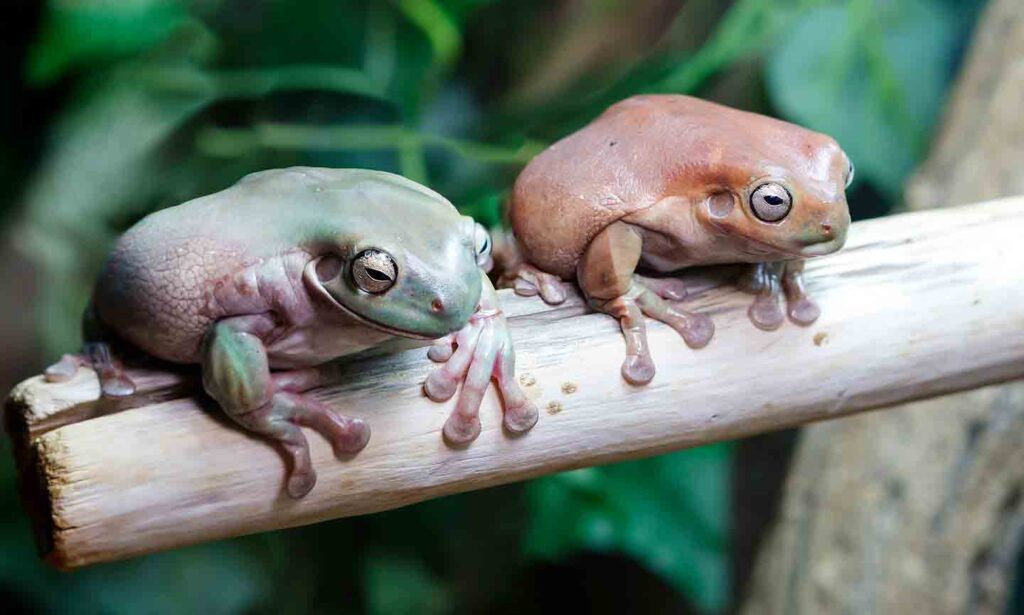
- White’s Tree Frog
- Gray Tree Frog
Tree frogs need a humid environment and moderate temperatures. They eat mostly small insects like crickets and flies. Their gentle nature makes them a good choice for beginners.
| Species | Size | Color | Care Level |
|---|---|---|---|
| Green Tree Frog | 2 to 4 inches | Bright green | Easy |
| White’s Tree Frog | 3 to 4.5 inches | Light green to blue-green | Easy |
| Gray Tree Frog | 1.5 to 2 inches | Gray or green with spots | Moderate |
Dart Frogs
Dart frogs are small but very colorful. Their bright colors warn predators they may be poisonous in the wild. Pet dart frogs are safe because they lose this poison when bred in captivity. These frogs are active and love to climb.
Key Features of Dart Frogs:
- Small size, usually under 2 inches
- Vivid colors like blue, yellow, and red
- Need high humidity and warm temperatures
Dart frogs require a well-planted terrarium with hiding spots. They eat tiny insects such as fruit flies and pinhead crickets. These frogs need more care than tree frogs but reward owners with their stunning looks.
| Species | Color | Size | Care Level |
|---|---|---|---|
| Blue Poison Dart Frog | Bright blue with black spots | 1.5 inches | Moderate |
| Strawberry Dart Frog | Red with blue legs | 1.25 inches | Moderate |
| Golden Poison Dart Frog | Yellow or gold | 2 inches | Moderate |
Horned Frogs
Horned frogs are famous for their big mouths and “horns” above their eyes. They look fierce but can be calm pets. These frogs are ground dwellers and do not climb much. They are larger than tree and dart frogs.
Horned Frog Traits:
- Size between 4 to 7 inches
- Strong jaws and wide mouths
- Eat large prey like crickets and small mice
Horned frogs need a spacious tank with soft substrate for burrowing. They prefer moderate humidity and temperatures. Watch out for their strong bite; handle them gently and with care.
| Species | Size | Color | Care Level |
|---|---|---|---|
| Argentine Horned Frog | 5 to 7 inches | Green, brown, or tan | Moderate |
| Amazon Horned Frog | 4 to 6 inches | Green with yellow markings | Moderate |
Pacman Frogs
Pacman frogs are named for their big mouths that look like the video game character. They are round, squat, and mostly stay on the ground. These frogs are famous for their appetite and will eat large food items.
Pacman Frog Highlights:
- Size around 4 to 7 inches
- Wide mouths and strong jaws
- Come in many colors and patterns
Pacman frogs enjoy a moist environment with places to hide. They eat crickets, worms, and sometimes small rodents. Their slow movement makes them easy to watch but not very active pets.
| Species | Size | Color | Care Level |
|---|---|---|---|
| South American Pacman Frog | 5 to 7 inches | Green, yellow, or brown | Easy |
| Albino Pacman Frog | 5 to 7 inches | White or yellow | Easy |
Habitat Needs For Pet Frogs
Different types of frogs have unique needs for their habitats. Creating a suitable environment helps pet frogs stay healthy and happy. Understanding the habitat needs is key to caring for these amphibians properly. Their home must mimic their natural surroundings as closely as possible. This includes the right terrarium setup, temperature, humidity, and lighting. Each factor affects the frog’s behavior, health, and lifespan. Let’s explore these habitat needs in detail to provide the best care for pet frogs.
Terrarium Setup
The terrarium is the frog’s home and must be carefully arranged. Size depends on the frog species, but a general rule is at least 10 gallons for small frogs. Larger frogs need more space to move freely.
Key elements of a good terrarium setup:
- Substrate: Use coconut fiber, moss, or soil. Avoid gravel or sand that frogs can accidentally swallow.
- Water Source: Provide a shallow water dish or small pond area for aquatic or semi-aquatic frogs.
- Plants: Live or fake plants offer hiding spots and help maintain humidity.
- Hiding Places: Add cork bark, rocks, or logs for the frog to feel safe.
- Ventilation: Ensure proper air flow but avoid strong drafts.
| Frog Type | Recommended Terrarium Size | Substrate Type |
|---|---|---|
| Tree Frogs | 10-20 gallons | Coconut fiber, moss |
| Terrestrial Frogs | 15-30 gallons | Soil, leaf litter |
| Aquatic Frogs | 20+ gallons | Water with gravel bottom |
Keep the terrarium clean by changing the substrate and water regularly. Clean water prevents infections. Place the tank away from direct sunlight and loud noises to reduce stress.
Temperature And Humidity
Frogs are cold-blooded and rely on the environment to regulate their body temperature. Different species need different temperature ranges. Tropical frogs prefer warmer temperatures, while some temperate species need cooler conditions.
General temperature guidelines:
- Daytime: 70°F to 80°F (21°C to 27°C)
- Nighttime: 60°F to 70°F (16°C to 21°C)
Humidity is just as important. Most pet frogs need humidity between 50% and 80%. This keeps their skin moist and helps them breathe properly.
Tips to maintain temperature and humidity:
- Use a thermostat-controlled heat source like heat pads or lamps.
- Mist the terrarium daily with clean water.
- Place a hygrometer inside to monitor humidity levels.
- Add a water feature or moist substrate to increase humidity.
Sudden changes in temperature or humidity can stress frogs and cause illness. Keep conditions stable for the best health.
Lighting Requirements
Lighting affects frogs’ daily cycles and overall health. Most pet frogs need a light cycle that mimics natural day and night periods. Typically, 10 to 12 hours of light per day is ideal.
Types of lighting for pet frogs:
- UVB Lighting: Some frogs benefit from low-level UVB light to help produce vitamin D3. This supports calcium absorption and bone health.
- Heat Lamps: Provide warmth but avoid overheating the terrarium.
- Natural Light: Indirect sunlight is good but avoid direct rays that can overheat the tank.
Setting a proper light schedule helps maintain the frog’s natural behavior. Use timers to turn lights on and off automatically. Avoid bright lights at night, as frogs are mostly nocturnal and prefer darkness during their active hours.
Check the lighting setup regularly to ensure it matches the frog species’ needs. Incorrect lighting can lead to stress, poor appetite, and health problems.
Diet And Feeding Habits
Frogs kept as pets need proper diets to stay healthy and active. Different frog species have unique feeding habits and nutritional needs. Understanding their diet and feeding routines helps keep frogs happy and thriving. Many pet frogs rely on live food that mimics their natural hunting behavior. Feeding frequency varies by age and species. Nutritional supplements also play a key role in their health. This section explains what to feed pet frogs, how often to feed them, and how to provide balanced nutrition.
Live Food Options
Most pet frogs eat live insects and small creatures. Live food encourages natural hunting instincts and provides essential nutrients. Common live food choices include:
- Crickets: Popular and easy to find. Good protein source.
- Mealworms: High in fat, best as occasional treats.
- Fruit flies: Ideal for small frogs like dart frogs.
- Waxworms: Fatty and tasty, feed sparingly.
- Small roaches: Nutritious and hardy, good alternative.
Some frogs also eat small fish or pinky mice, but this depends on the species. Make sure live food is gut-loaded (fed nutritious food) before offering to frogs. This boosts their nutritional value. Avoid wild-caught insects to reduce the risk of pesticides or parasites.
| Live Food | Suitable For | Notes |
|---|---|---|
| Crickets | Most frogs | Feed gut-loaded |
| Fruit Flies | Small species (dart frogs) | Easy to breed at home |
| Mealworms | Medium to large frogs | High fat, limit quantity |
| Waxworms | Occasional treats | Very fatty |
Feeding Frequency
How often to feed frogs depends on their size, age, and species. Young frogs grow fast and need more food. Adult frogs eat less often.
- Froglets (young frogs): Feed daily to support growth.
- Adult frogs: Feed every 2-3 days to avoid obesity.
- Large species: May eat bigger meals less often.
Observe your frog’s appetite and adjust feeding as needed. Overfeeding can cause health problems. Always remove uneaten food to keep the habitat clean.
| Frog Stage | Feeding Frequency | Portion Size |
|---|---|---|
| Froglets | Daily | Small, multiple insects |
| Adults | Every 2-3 days | Moderate, fewer insects |
| Large Frogs | Every 3-4 days | Larger prey items |
Supplements And Nutrition
Supplements help meet frogs’ nutritional needs beyond live food. Calcium and vitamins prevent deficiencies and support bone health.
Sprinkle supplements on live food before feeding. Common supplements include:
- Calcium powder: Prevents metabolic bone disease.
- Vitamin D3: Helps calcium absorption; use carefully.
- Multivitamin powder: Adds essential vitamins and minerals.
Feeders should gut-load insects with nutritious foods like leafy greens and grains. This improves the quality of live food. Hydration matters too. Offer fresh water or mist the enclosure regularly.
| Supplement | Purpose | Usage |
|---|---|---|
| Calcium powder | Bone health | Dust insects 2-3 times weekly |
| Vitamin D3 | Calcium absorption | Use sparingly, 1-2 times weekly |
| Multivitamin | Overall nutrition | Once weekly |
Frog Behavior And Temperament
Frogs make fascinating pets due to their unique behaviors and temperaments. Each species shows different activity patterns, reactions to handling, and social needs. Understanding these traits helps create a happy environment for pet frogs and ensures they stay healthy. Frog behavior varies widely—from very active to mostly calm—and knowing this can guide owners in choosing the right frog for their lifestyle. This section explores key aspects of frog behavior and temperament, focusing on activity levels, handling tips, and social interaction.
Activity Levels
Frog species differ greatly in their activity throughout the day and night. Some frogs are nocturnal, meaning they are most active after dark. Others are diurnal and move around during daylight hours. Activity levels also depend on the frog’s size and natural habitat.
- Tree frogs tend to be very active climbers and jumpers, especially at night.
- Pacman frogs are more sedentary and spend much time buried in substrate.
- Dart frogs are small but quite lively and alert during the day.
Here is a quick overview of typical activity levels:
| Frog Type | Activity Pattern | Typical Behavior |
|---|---|---|
| Tree Frog | Nocturnal | Active climbers, frequent jumping |
| Pacman Frog | Mostly nocturnal | Sedentary, burrows in substrate |
| Dart Frog | Diurnal | Alert, active on ground or plants |
Understanding activity levels helps set up the right enclosure lighting and feeding times. It also prepares owners for how much space and stimulation their frogs will need.
Handling Tips
Frogs have delicate skin that absorbs substances easily. Handling requires care to avoid stress or injury. Most frogs do not enjoy frequent handling and can become stressed quickly.
- Wash hands thoroughly before and after touching frogs to remove oils, lotions, or chemicals.
- Keep hands wet with clean water to protect the frog’s skin moisture.
- Use gentle movements to avoid startling the frog.
- Limit handling time to a few minutes at most.
Some frogs tolerate handling better than others. For example, larger species like White’s tree frogs are more tolerant. Small or brightly colored species like dart frogs are more sensitive and should be handled rarely.
Here is a simple handling guideline:
- Prepare by cleaning and wetting your hands.
- Approach the frog slowly and calmly.
- Support the frog gently without squeezing.
- Place the frog back in its enclosure after a short time.
Respecting a frog’s temperament reduces stress and promotes trust. It also lowers the risk of injury for both frog and owner.
Social Interaction
Most frogs are solitary animals in the wild and prefer to live alone in captivity. Social needs vary by species, but many frogs may become aggressive or stressed if kept with others.
- Tree frogs sometimes tolerate tank mates if the enclosure is large and has plenty of hiding spots.
- Pacman frogs should always be housed alone due to their aggressive feeding behavior.
- Dart frogs can live in small groups but need careful monitoring to prevent bullying.
Signs of stress in social settings include:
- Hiding excessively
- Refusing to eat
- Physical injuries or scars
- Excessive vocalizations
Creating separate spaces or individual enclosures often works best for pet frogs. Providing ample hiding places and visual barriers helps reduce stress when multiple frogs share a habitat.
Below is a quick comparison of social tolerance:
| Frog Species | Social Behavior | Housing Recommendation |
|---|---|---|
| Tree Frog | Moderate tolerance | Group housing with enough space |
| Pacman Frog | Highly territorial | Solitary only |
| Dart Frog | Social, but can be aggressive | Small groups with monitoring |
Health And Common Issues
Keeping pet frogs healthy requires understanding their unique needs and common health problems. Frogs have delicate skin and sensitive systems. Their health can change quickly due to poor habitat, diet, or stress. Learning about common issues helps owners act early and keep frogs safe. Regular care and observation reduce risks and improve frog well-being.
Signs Of Illness
Pet frogs often hide signs of sickness. Watch closely for small changes in behavior or appearance. Early signs help catch problems fast. Look for these common symptoms:
- Loss of appetite: Frog stops eating or eats less.
- Skin changes: Redness, swelling, sores, or peeling.
- Abnormal posture: Lying still, not moving, or strange poses.
- Breathing issues: Gasping, wheezing, or open-mouth breathing.
- Eye problems: Cloudy eyes or swelling around eyes.
- Lethargy: Frog seems weak or sleeps more than usual.
Use the table below for quick reference on symptoms and possible causes:
| Symptom | Possible Cause |
|---|---|
| Skin ulcers or wounds | Infections, injuries, or poor water quality |
| Swollen body | Fluid buildup (edema) or organ problems |
| Weight loss | Parasites or poor diet |
| Unusual swimming | Neurological issues or toxins |
Check your frog daily for these signs. Quick action prevents serious illness.
Preventive Care
Good care keeps frogs healthy and happy. A clean, stable environment is key. Change water often and keep the tank clean. Maintain proper temperature and humidity for your frog species.
Feed a balanced diet. Most frogs eat live insects like crickets or worms. Dust food with vitamins and minerals. This supports strong bones and good health.
Follow this checklist for daily care:
- Check water quality and temperature.
- Clean the tank or enclosure weekly.
- Feed fresh, nutritious food.
- Remove uneaten food to prevent mold.
- Observe frog behavior and appearance.
Prevent stress by avoiding loud noises and sudden movements. Frogs need quiet, safe spaces. Handle frogs gently and only when necessary.
Vaccines are rare for frogs, so prevention focuses on habitat and diet. Quarantine new frogs before adding them to a tank. This stops disease spread.
Veterinary Support
Find a vet who knows amphibians. Not all vets treat frogs. A specialist understands frog health and treatment needs.
Schedule regular check-ups. A vet can spot hidden problems early. Bring a sample of water or substrate for testing if needed.
Common treatments include:
- Medications for infections or parasites
- Wound care and skin treatments
- Supportive care for dehydration or stress
Keep a health record for your frog. Note feeding, behavior, and any problems. This helps vets give better care.
Emergency signs needing vet care:
- Severe swelling or bleeding
- Continuous refusal to eat
- Difficulty breathing or moving
- Sudden weight loss
Early veterinary help improves recovery chances. Don’t delay if your frog shows serious symptoms.

Credit: www.reddit.com
Choosing The Right Frog
Choosing the right frog as a pet involves more than just picking a colorful or unique species. It requires understanding how a frog’s size, lifespan, and care needs fit your lifestyle and space. Frogs vary widely in these areas. Selecting the right frog ensures you provide a happy home and enjoy a rewarding pet experience. This guide helps you decide by focusing on key factors important for every frog owner.
Size Considerations
Frogs come in many sizes, from tiny dart frogs to large bullfrogs. Size affects the type of tank or enclosure you need and how much space the frog requires. Small frogs need less room but can be more delicate. Large frogs need more space and stronger enclosures.
- Small Frogs: Usually less than 2 inches. Examples: Poison Dart Frogs, Tree Frogs.
- Medium Frogs: Around 2 to 4 inches. Examples: White’s Tree Frog, Pacman Frog.
- Large Frogs: Over 4 inches. Examples: African Bullfrog, American Bullfrog.
Below is a table showing size ranges and space needs:
| Frog Size | Typical Length | Minimum Tank Size |
|---|---|---|
| Small | 1 – 2 inches | 5 – 10 gallons |
| Medium | 2 – 4 inches | 10 – 20 gallons |
| Large | 4 inches and above | 20 gallons or more |
Think about your available space before choosing a frog. Small tanks are easier to maintain but limit your options. Large frogs need more room but can be very interactive pets. Size impacts feeding, handling, and tank setup too.
Lifespan Expectations
Frog lifespans vary widely by species. Knowing how long your frog will live helps you prepare for long-term care. Some frogs live only a few years, while others can live over a decade. Planning for your frog’s lifespan avoids surprises.
- Short-lived Frogs: 2-5 years. Examples: Some Dart Frogs.
- Medium Lifespan Frogs: 5-10 years. Examples: Pacman Frogs, Tree Frogs.
- Long-lived Frogs: 10+ years. Examples: White’s Tree Frog, African Bullfrog.
Here is a quick reference table:
| Frog Type | Average Lifespan |
|---|---|
| Poison Dart Frog | 4 – 8 years |
| Pacman Frog | 6 – 10 years |
| White’s Tree Frog | 10 – 15 years |
| African Bullfrog | 15 – 20 years |
Consider your commitment. Frogs with longer lifespans need consistent care for many years. Shorter-lived frogs suit people wanting less time investment. Lifespan also relates to growth and maturity, affecting space and diet.
Maintenance Requirements
Each frog species has unique care needs. Some frogs require simple setups, while others need specialized environments. Maintenance includes feeding, cleaning, temperature control, and humidity. Understanding these needs prevents health problems.
- Feeding: Most frogs eat live insects. Some need special diets.
- Habitat: Frogs may require aquatic, semi-aquatic, or terrestrial tanks.
- Temperature and Humidity: Many tropical frogs need warm, humid conditions.
- Cleaning: Tanks must be cleaned regularly to avoid disease.
The table below compares basic maintenance for common pet frogs:
| Frog Species | Diet | Habitat Type | Temperature Range | Humidity Level |
|---|---|---|---|---|
| Poison Dart Frog | Small insects (fruit flies, pinhead crickets) | Terrestrial, moist | 72-80°F (22-27°C) | 70-100% |
| Pacman Frog | Crickets, worms, occasional mice | Terrestrial | 75-85°F (24-29°C) | 60-80% |
| White’s Tree Frog | Crickets, roaches, worms | Arboreal, semi-aquatic | 75-85°F (24-29°C) | 50-70% |
Maintenance affects your time and budget. Some frogs need daily feeding and careful monitoring. Others thrive with less frequent attention. Choose a frog matching your ability to maintain its environment well.
Credit: www.petassure.com
Frequently Asked Questions
Different Types of Frogs for Pets
What Are The Most Popular Pet Frog Species?
Popular pet frogs include the African Dwarf Frog, Pacman Frog, and White’s Tree Frog. These species are easy to care for and have unique appearances, making them favorites among beginners and experienced frog owners alike.
How Do I Choose A Frog Suitable For Beginners?
Choose frogs that are hardy, low-maintenance, and thrive in captivity. White’s Tree Frog and African Dwarf Frog are ideal for beginners due to their adaptability and simple care needs.
What Habitat Do Pet Frogs Require?
Pet frogs need a moist, temperature-controlled habitat with hiding spots. Use a terrarium with water and land areas, appropriate substrate, and maintain humidity levels to mimic their natural environment.
What Do Pet Frogs Eat?
Pet frogs generally eat live insects like crickets, worms, and flies. Diet varies by species, so research specific nutritional needs to keep your frog healthy and active.
Conclusion
Frogs make interesting and unique pets for many people. Each type has its own care needs and personality. Choosing the right frog depends on your space and time. Some frogs need water tanks, while others live on land. Feeding and cleaning are important to keep them healthy.
Enjoy watching their colors and movements every day. Frogs bring a little nature inside your home. Think carefully and pick a frog that fits your lifestyle. A happy frog means a happy pet owner. Thanks reading different types of frogs for pets.
Blue Samurai Pacman Frog: Ultimate Care Tips & Fascinating Facts